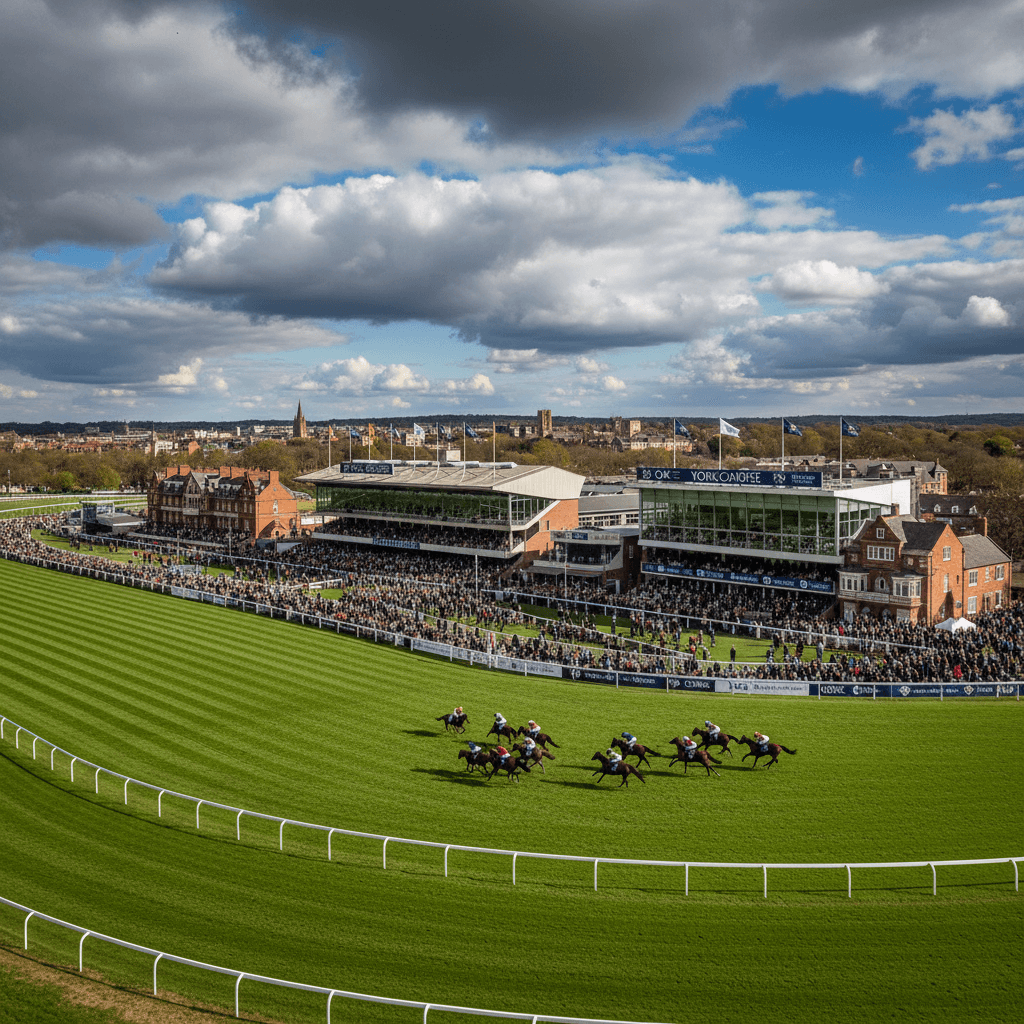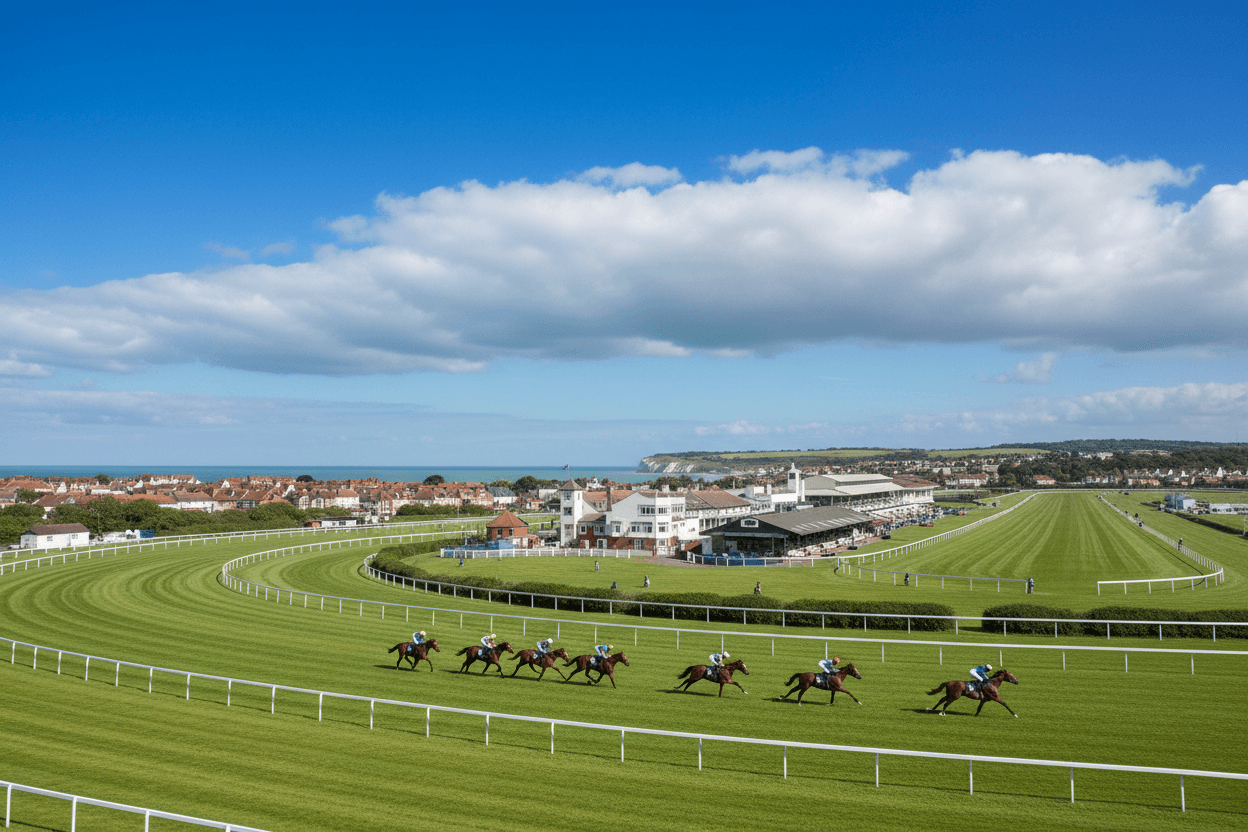
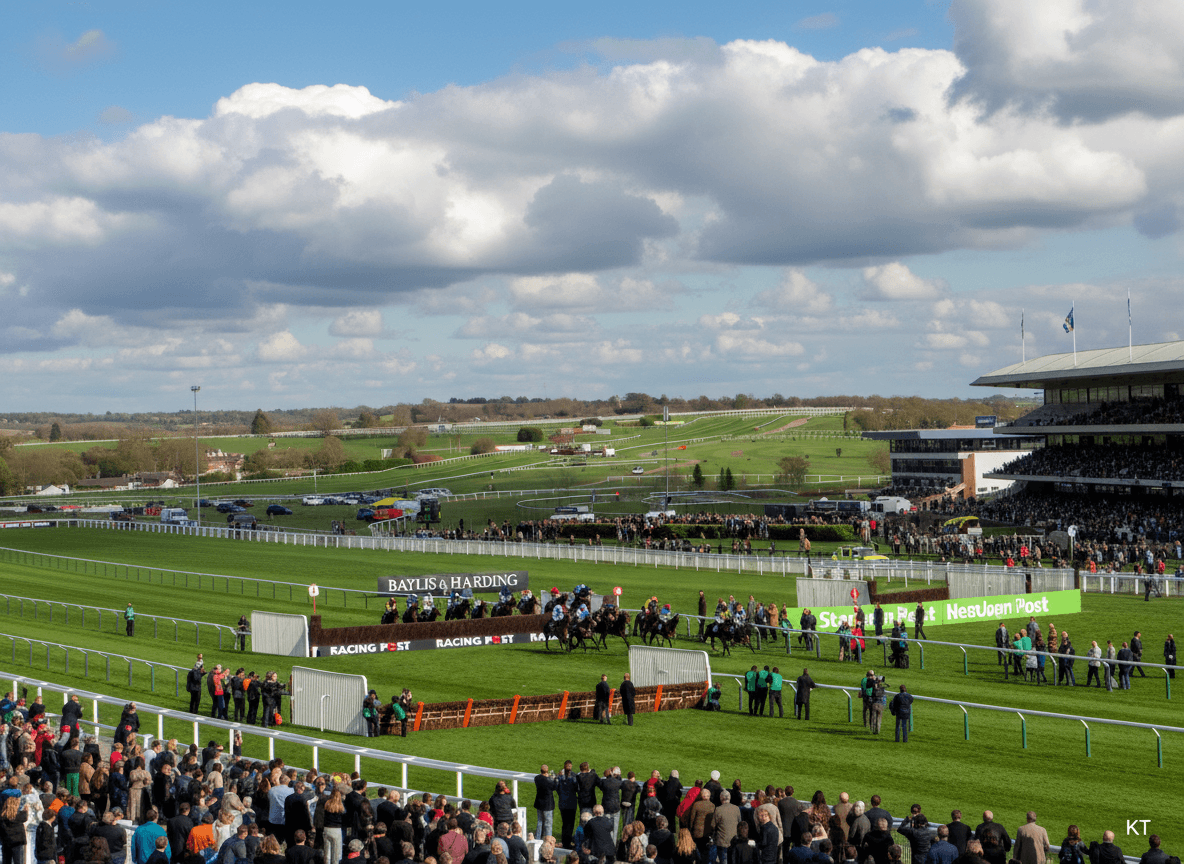
Setting the Scene: A Midsummer Showpiece at Cheltenham
Cheltenham in August doesn't have the same roar as Festival week, but don't let that fool you. The Cheltenham flat track on a summer Sunday draws serious horses and serious money, and the Disney's High School Musical at Lowry Handicap Stakes — yes, that is really what it's called, and no, I'm not going to make the obvious joke — is a genuinely competitive Class 2 affair that deserves your full attention.
Seven furlongs and one yard on good ground, a £25,000 prize pot, and a rating band of 81–100 that has attracted ten runners spanning three to seven years old. This is the kind of race where trainer intent matters enormously. Nobody runs a horse rated 95+ in a Class 2 handicap in August without a plan. The question is whose plan is sharpest on the day.
I was on the phone to a contact at one of the yards earlier this week. The word from the stables is that the ground is ideal — genuine good, not the borderline good-to-firm that can stretch a horse's stride uncomfortably. That matters here. Let's get into it.
Contender-by-Contender Breakdown
Palmar Bay (Draw 5, Rating 100, 10-2)
Top weight alongside The Strikin Viking, but Palmar Bay carries his burden with considerably more obvious justification. Ralph Beckett has trained this five-year-old gelding to be a course-and-distance specialist, and that combination of flags is about as reassuring as it gets in a handicap of this nature. Harry Vigors takes the ride, and he's a jockey who knows how to read a Cheltenham flat race — he doesn't panic in a pocket and he doesn't burn his horse early. Draw five puts him bang in the middle of the field, which on this track is about as neutral as you can get. Beckett doesn't send horses on long summer journeys without purpose. This is my selection.
Dance In The Storm (Draw 10, Rating 95, 9-11)
Andrew Balding's four-year-old filly is the most intriguing runner in the field. Course winner, distance winner, and fitted with a hood — that headgear addition tells you Balding and his team have been doing some homework to sharpen her focus. Oisin Murphy is as good as it gets in the saddle, and he'll know exactly how to deploy her from the widest draw in the race. Draw ten at Cheltenham over seven furlongs isn't a disaster — the track's configuration means wide drawers can find a rhythm on the outside — but it does mean Murphy will need to work a touch harder in the early stages. If she's right, she's the biggest danger to my selection.
Power Fizz (Draw 8, Rating 96, 9-12)
William Haggas doesn't run horses to make up the numbers, and Power Fizz arrives here as a proven distance winner with a rating of 96. Cieren Fallon is a shrewd booking — he's a patient jockey who suits a horse that needs to be held up and produced late. The draw in eight is workable. My only reservation is the absence of a course form flag. Cheltenham's flat track has a distinct character, and a horse encountering it fresh in a competitive Class 2 carries an unknown quantity. Respect, but not at short odds.
Roman Dragon (Draw 6, Rating 97, 9-13)
Seven years old and still competitive at this level — Hugo Palmer deserves credit for keeping Roman Dragon sound and motivated. He's a course winner, which counts for plenty, and David Probert is a reliable partner who won't overcomplicate things. The concern is his age and the fact that seven-year-old geldings in Class 2 handicaps tend to need things to fall perfectly right. He's not without a chance on a good day, but I'd want a bigger price than he's likely to be available at.
The Strikin Viking (Draw 4, Rating 100, 10-2)
Joint top weight with Palmar Bay, but The Strikin Viking is a more speculative proposition. Hamad Al Jehani's four-year-old is fitted with a hood, which can mean any number of things — greenness, a tendency to idle, or simply a trainer trying to find an extra gear. Faleh Bughenaim takes the ride, and he's capable, but there are no course or distance flags here to anchor confidence. At joint top weight with less obvious course credentials than Palmar Bay, he's the one I'd swerve if the market has them at similar prices.
Monarch's Gold (Draw 7, Rating 92, 9-2)
The only three-year-old in the field, and Kevin Philippart de Foy has been one of the most progressive young trainers in the game over the past couple of seasons. A rating of 92 for a three-year-old at this stage of the season is legitimate, and the age allowance works in his favour in terms of the weight he carries. No headgear, a middle draw, and Toby Moore in the saddle. He's an each-way consideration if the market is kind — a horse with upside in a field where most of the others are what they are.
Going and Draw Analysis
Good ground at Cheltenham's flat track in August is about as fair a surface as you'll find in British racing. It rewards horses that travel well through their race rather than those that need soft underfoot to get competitive. Neither extreme — heavy ground specialists nor firm-ground merchants — will have an edge here.
On the draw, Cheltenham's seven-furlong flat configuration doesn't produce the violent draw biases you see at tracks like Chester or Beverley. That said, the middle draws (four through seven) have historically produced a slight edge, simply because horses can find cover early and avoid being caught wide in the early exchanges. Palmar Bay in five and Roman Dragon in six are ideally positioned. Dance In The Storm in ten and Power Fizz in eight will need Murphy and Fallon respectively to be at their tactical best.
Value Picks and Dangers
My value pick outside the main selection is Monarch's Gold. A three-year-old with a 92 rating from a yard in form, drawn in seven with no obvious negatives — if the market underestimates his age allowance and upside, there's each-way value to be had.
The danger I'd watch most carefully is Dance In The Storm. Oisin Murphy on a course-and-distance winner fitted with a hood for the first time is a combination that makes the hairs on the back of your neck stand up. If Balding has timed this right — and he usually has — she could be the one that beats my selection.
Miami Matrix at the bottom of the weights is worth a glance for each-way punters who like a longer shot. Course winner, distance winner, and Patrick Morris has been known to find a race that suits. But at a rating of 83 giving weight away to some serious rivals, the task is steep.
My Selection: Palmar Bay
I keep coming back to the same horse. Palmar Bay is a course-and-distance winner, trained by one of the best in the business, ridden by a jockey who suits the track, and drawn in the middle of the field on ground that will suit his style. Ralph Beckett doesn't bring a five-year-old rated 100 to Cheltenham on a Sunday afternoon for fun. This horse is here to win.
He's not going to be a generous price — top weights in competitive Class 2s rarely are — but I'm not looking for value here, I'm looking for the most likely winner. And that's Palmar Bay.
For the full Cheltenham racecard on 2 August, including all race times and declarations, head over to our dedicated page.
Who is the Favourite for the Disney's High School Musical at Lowry Handicap Stakes?
Palmar Bay and The Strikin Viking are joint top weights on 10-2, and Palmar Bay is likely to be sent off as the market leader given his course-and-distance form and the strength of the Ralph Beckett yard. Dance In The Storm, with Oisin Murphy booked, could attract significant support and may start at a shorter price than her rating of 95 suggests.
Is Cheltenham a Good Track for Favourites in Flat Handicaps?
Cheltenham's flat track is a fair, galloping circuit that tends to reward well-handicapped, genuine horses rather than producing shock results. Favourites perform reasonably well here in Class 2 company, particularly when they combine course form with a sympathetic draw. It's not a track where you'll find outrageous upsets every week — the good horses tend to win their fair share.
What Does the Hood on Dance In The Storm and The Strikin Viking Mean?
Headgear marked as 'H' denotes a hood, which covers the horse's ears and sometimes blinkers the sides of its vision. Trainers fit hoods to help horses settle, block out crowd noise, or sharpen focus. When a horse wears a hood for the first time — or returns to one after a break — it often signals that the trainer has identified a specific issue to address and believes the equipment will produce an improved performance. It's worth noting as a positive flag rather than a concern.