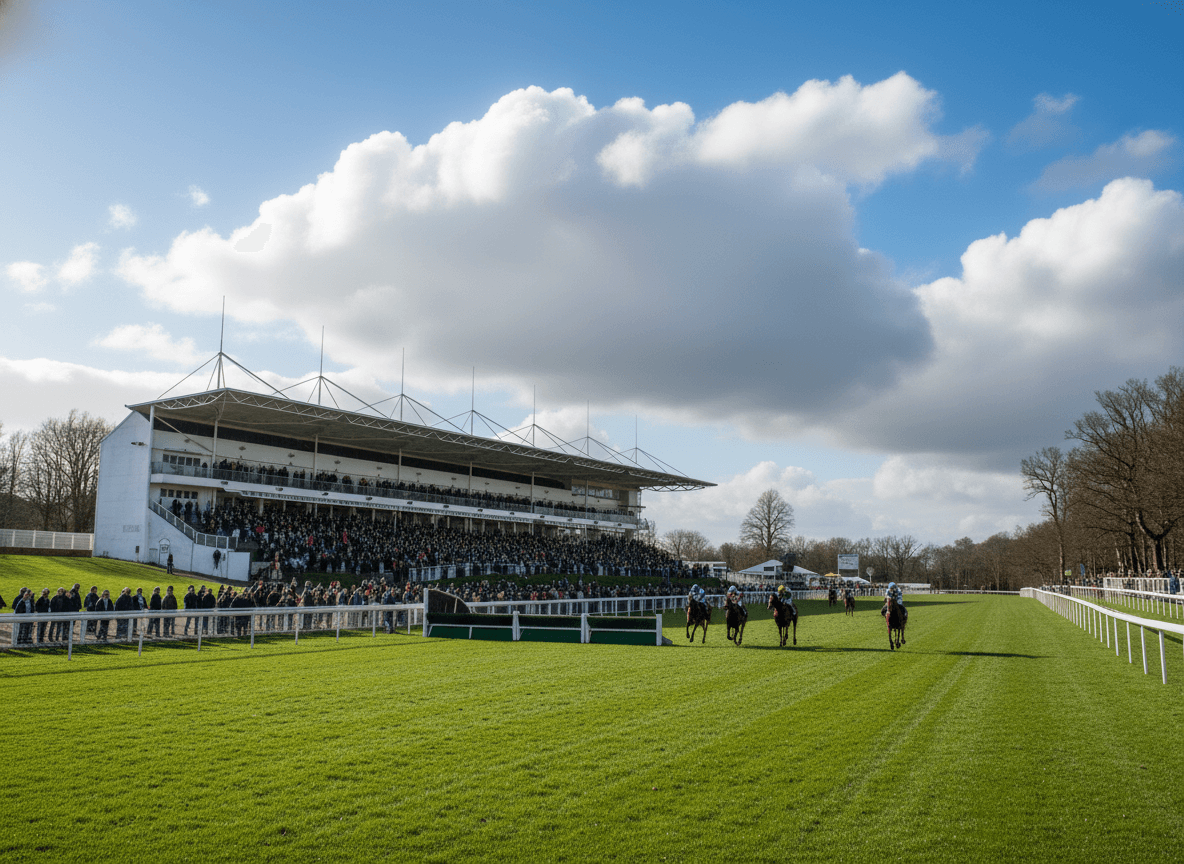
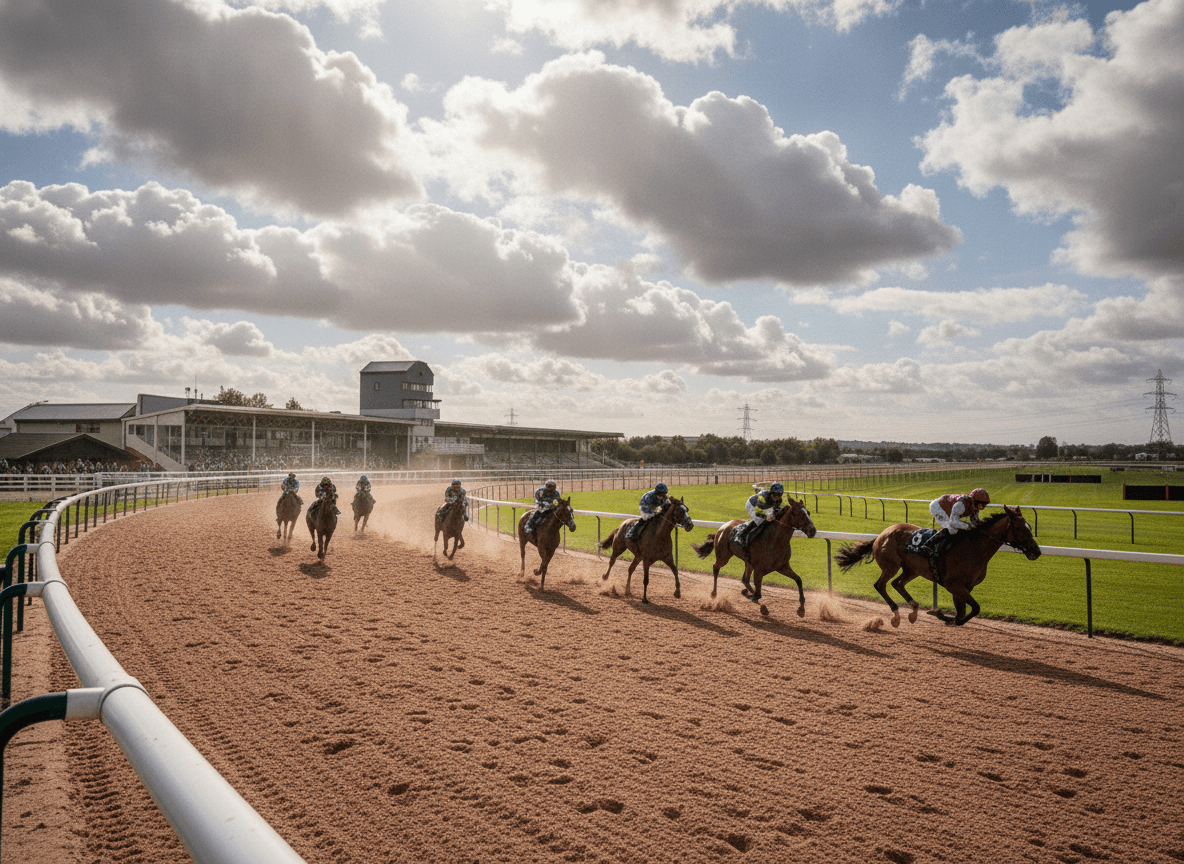
Course Conditions and Overview
Tuesday's seven-race card at Southwell presents a solid afternoon of summer jumping on good ground. The going description of Good 6 is bang on for this time of year — not too firm to jar the horses, but quick enough to suit the front-runners who tend to dominate here.
I've been coming to this Nottinghamshire track for the best part of two decades, and June meetings like this often throw up some decent betting opportunities. The prize money ranges from £6.2k to £10k, which attracts a competitive mix of handicappers and promising novices looking to build their summer campaigns.
The feature race is clearly the 4pm maiden hurdle with its £10k purse, though the two Summer Chase Series qualifiers earlier on the card will draw plenty of interest from connections eyeing the lucrative finale later in the season.
Feature Race Analysis
The Ladies Day Sunday 16th August Maiden Hurdle (4pm) stands out as the day's centrepiece. At £10k, it's offering decent money for a maiden contest and should attract some well-bred sorts making their hurdling debuts.
The 2m 4f 88y trip is ideal for horses stepping up from the Flat or those who've shown promise over shorter hurdle distances. On good ground like this, I'd expect to see the pace set from the front — Southwell's configuration doesn't lend itself to tactical affairs, particularly over this intermediate distance.
Unfortunately, with no declared runners available at preview time, I can't point to specific contenders. But keep an eye on the Southwell racecard for any last-minute additions or market moves when declarations are confirmed.
Summer Chase Series Qualifiers
The two ARC Summer Chase Series qualifiers at 2:30pm and 3pm deserve serious attention, even if they're only Class 5 affairs. These series have gained momentum over recent seasons, and connections often target specific qualifiers to build towards the valuable finals.
The opening 3m 60y chase will suit thorough stayers. Three miles at Southwell on good ground is a proper test of stamina, and horses with proven course form hold significant advantages. The track's undulating nature means you need a horse that can quicken off a strong pace rather than one that relies purely on grinding out a finish.
The shorter 1m 7f 182y qualifier at 3pm is more about speed and agility. This distance catches out plenty of horses who either don't stay or lack the tactical speed to be competitive. Course specialists often dominate these contests — there's something about Southwell's unique characteristics that certain horses just 'get' while others never adapt.
Ground Conditions Impact
Good 6 going plays perfectly into the hands of horses who like to bowl along in front. Southwell can ride quite differently depending on conditions, but on ground like this, I'd expect most races to develop into honest gallops with the pace set from early.
For punters, this means backing horses with proven front-running tendencies or those who race prominently throughout. Hold-up horses often find themselves with too much to do here, particularly when the ground is on the quicker side.
The novice handicap chase at 3:30pm could be particularly interesting in this regard. Novice chasers often improve significantly for good ground, especially those stepping up in trip. The 2m 4f distance should provide enough time for the race to develop properly without becoming a pure stamina test.
Key Trends and Betting Angles
Summer jumping at Southwell follows some reliable patterns. Course winners return here with confidence — the track's idiosyncrasies mean horses either take to it or they don't. When studying the form, I always prioritise previous Southwell performers over horses with stronger form elsewhere.
The handicap hurdles later on the card (5:05pm and 5:35pm) often provide the best betting opportunities. Class 5 handicaps can be competitive affairs, but they're also where you find horses dropping down from better company or returning from breaks with something to prove.
Age profiles matter too. The 4yo+ contests will likely favour horses in their prime years (6-8), while the 5yo+ chases should see the older, more experienced campaigners come to the fore. Southwell's fences demand respect and reward horses who've learned their trade properly.
Ones to Watch
Without specific runners declared, I can't offer concrete selections, but here's what to look for when the fields are confirmed:
Course and distance winners — Any horse with [C&D] next to their name demands serious consideration. Southwell specialists often outrun their odds.
Front-runners on good ground — Horses who've won leading from the front on similar going conditions. The pace setup should suit prominent racers.
Handicap improvers — Look for horses dropping in class or returning from breaks in the evening handicaps. These often provide the best value.
Keep a close eye on the betting markets too. Southwell can throw up surprises, but money talks, especially in the smaller fields that summer jumping often produces. Any significant market support for course newcomers usually signals inside knowledge worth respecting.
The good ground and competitive prize money should ensure an honest day's racing. It's the kind of card where patient punters can find value by focusing on the fundamentals rather than getting caught up in complicated form puzzles.