Safety First: Goodwood's Friday Evening Card Falls to Weather
Sometimes in racing, the most important decision is the one not to race at all. Friday evening's six-race programme at Goodwood has been abandoned following consultation with BHA inspectors, after weather conditions rendered the Sussex track unsafe for both horses and jockeys. While disappointing for connections and punters alike, the decision exemplifies the sport's unwavering commitment to equine welfare and participant safety.
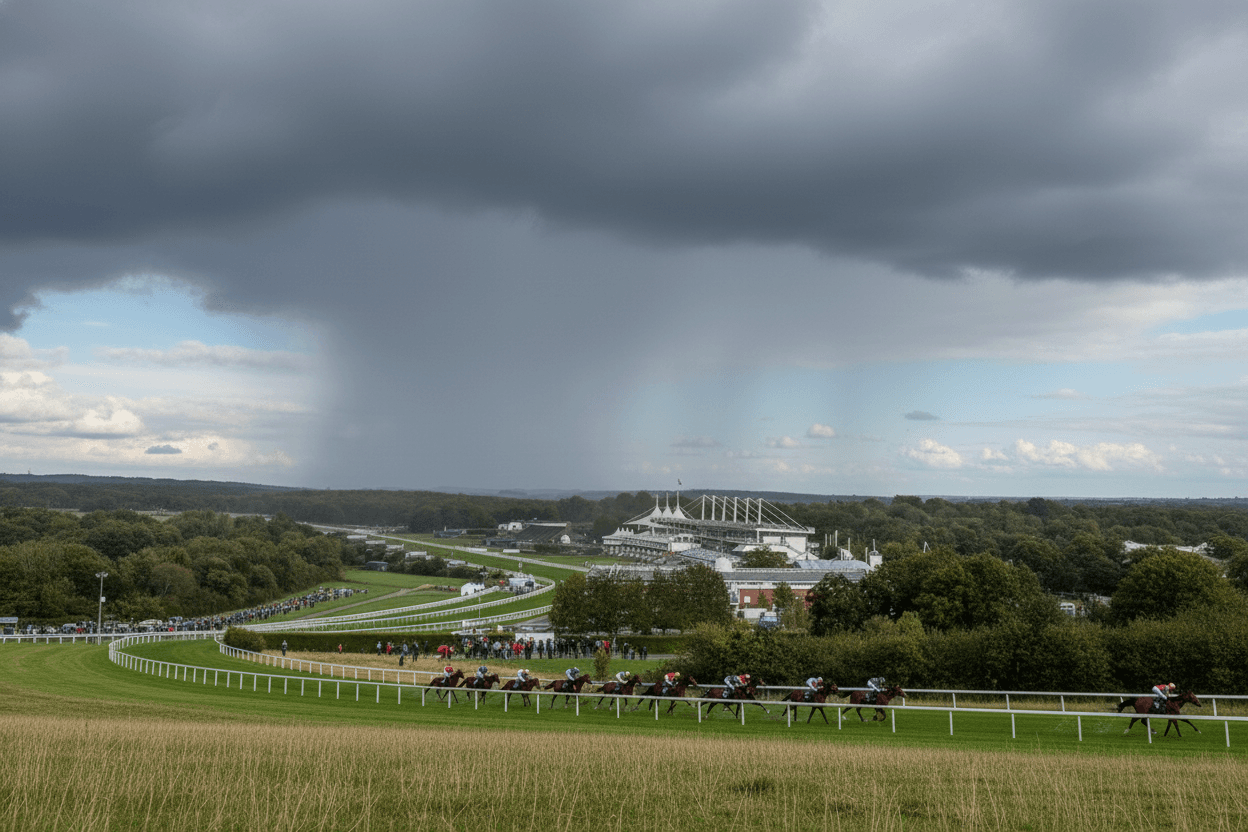
The abandonment, confirmed more than 72 hours in advance with full BHA inspector support, demonstrates the thorough monitoring systems in place at Britain's premier racecourses. Goodwood's racecard had promised an engaging evening's entertainment, but Mother Nature had other plans for this picturesque downland venue.
Understanding the Decision-Making Process
The process of abandoning a race meeting is never taken lightly, particularly at a venue of Goodwood's stature. The decision involves careful assessment of multiple factors: ground conditions, weather forecasts, safety margins, and the welfare implications for the 150 horses and riders who would have been involved across the six-race programme.
What's particularly noteworthy about this abandonment is the advance notice provided. The 72-hour window, supported by BHA inspector consultation, allows connections to make alternative arrangements for their charges while avoiding the stress and expense of unnecessary travel. This forward-thinking approach reflects modern racing's evolution towards more welfare-conscious decision-making.
The collaboration with BHA inspectors adds an additional layer of expertise to the assessment. These officials bring independent, professional judgment to what can sometimes be difficult calls, ensuring that commercial pressures never override safety considerations.
The Evening's Lost Programme
Friday's abandoned card would have offered a diverse mix of racing, from the heritage-rich Rod Howarth Memorial Amateur Jockeys' Handicap Stakes to the promising fillies' contests sponsored by Betway. The feature race, The Introducing Racing TV Handicap Stakes, carried the evening's highest prize fund at £15,000 and would have provided a stern test over Goodwood's challenging mile and three-furlong trip.
The inclusion of Great British Bonus races and the EBF Fillies' Novice Stakes highlighted the card's importance for breeding and development programmes. These contests often provide crucial early-season pointers for two and three-year-olds, making the abandonment particularly frustrating for trainers seeking to assess their charges' progress.
The variety of distances, from the sharp five-furlong Friday Nights Handicap to the stamina-sapping longer contests, would have showcased Goodwood's unique character. The course's undulating terrain and testing gradients demand versatility from both horses and jockeys, qualities that will have to wait for another day to be displayed.
Welfare Considerations in Modern Racing
This abandonment serves as a timely reminder of racing's evolving relationship with risk management and animal welfare. The sport has made significant strides in recent years towards more proactive safety measures, moving away from the 'show must go on' mentality that once prevailed.
Modern racecourse management involves sophisticated weather monitoring, ground assessment techniques, and veterinary input that previous generations could hardly have imagined. The decision to abandon racing is now viewed not as a failure, but as a responsible exercise of duty of care towards the athletes – both human and equine – who make our sport possible.
The financial implications of abandonment are substantial, affecting not just the racecourse but trainers, jockeys, stable staff, and the broader racing ecosystem. However, the industry has increasingly recognised that short-term financial considerations must never compromise long-term welfare standards.
Looking Forward: Rescheduling and Recovery
While Friday's abandonment is disappointing, it's worth noting that Goodwood's packed summer schedule offers numerous opportunities for the connections affected by this decision. The course's prestigious summer festival and regular fixtures throughout the season mean that quality horses will find alternative platforms to showcase their abilities.
For the amateur jockeys who would have contested the Rod Howarth Memorial, the delay is particularly poignant given the limited opportunities these dedicated riders have to compete. However, the amateur racing calendar typically offers alternative venues, and the spirit of this memorial contest will undoubtedly be preserved when conditions allow.
The decision also highlights the importance of flexibility in modern racing operations. Trainers, owners, and jockeys have learned to build contingency plans into their programmes, understanding that weather-related disruptions are an inevitable part of a sport conducted outdoors across Britain's changeable seasons.
Conclusion: When Wisdom Prevails
Friday's abandonment at Goodwood may have denied us an evening's entertainment, but it has provided something perhaps more valuable: a demonstration of racing's mature approach to risk management and welfare. The early decision, made with proper consultation and clear communication, shows the sport at its most responsible.
While we'll have to wait for another day to see horses and riders tackle Goodwood's unique challenges, we can take satisfaction in knowing that when the action does return, it will be under conditions that prioritise the safety and wellbeing of all participants. In a sport where the welfare of our equine athletes must always come first, sometimes the bravest decision is the decision not to race.