
Week in Review: Quality Through Quantity
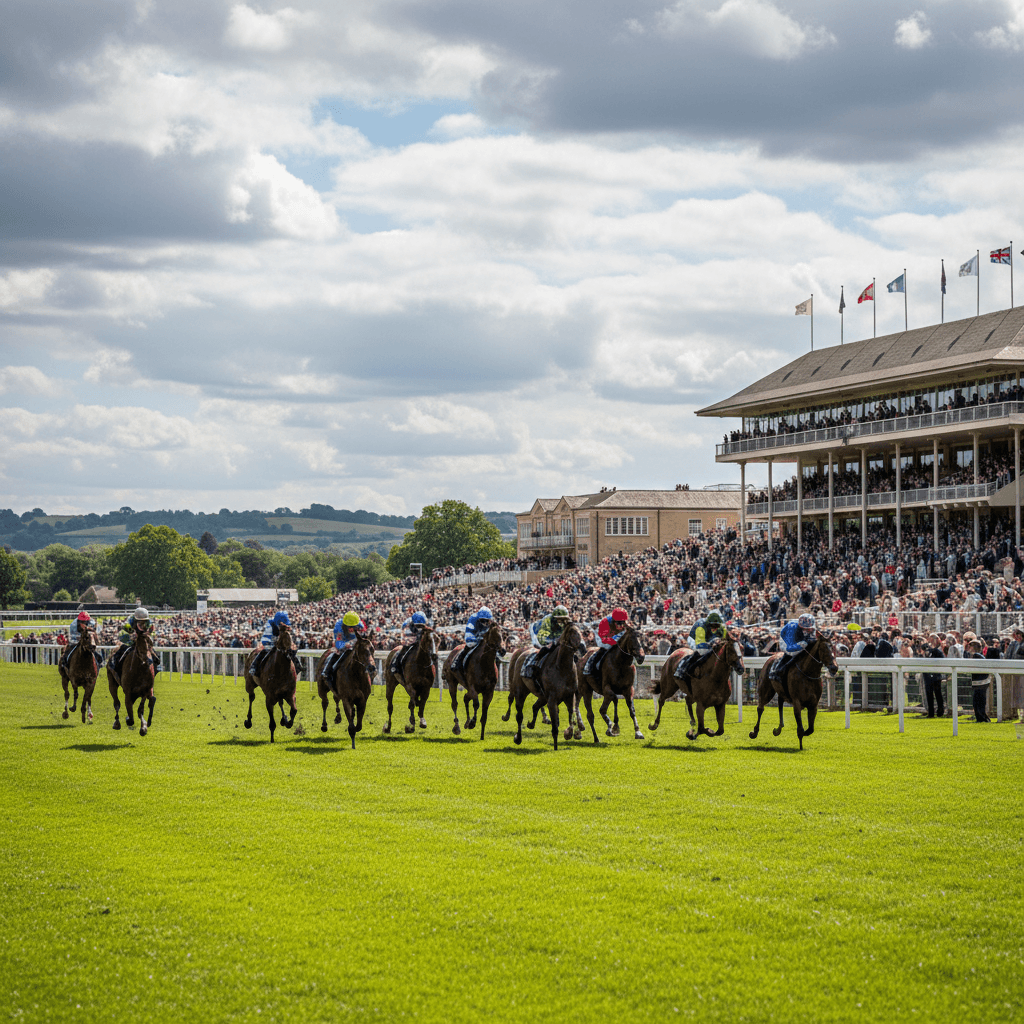
The racing calendar delivered a robust 40 fixtures across seven days, generating 2,446 rides and painting a clear picture of who commands the confidence of connections. From the traditional powerhouses of Newmarket and York to the more prosaic surroundings of Catterick Bridge and Southwell, the week's action spanned the full spectrum of British racing.
The geographical spread was particularly notable, with northern tracks featuring heavily in the programmes. This shift towards the provinces often reveals different dynamics than the headline meetings, where stable jockeys and local knowledge can prove decisive factors that the betting public occasionally overlooks.
Jockey Analysis: The Magnificent Five
Rossa Ryan topped the ride count with 32 mounts, his presence spanning from the jumping action at Wincanton to the Flat racing headquarters of Newmarket. Ryan's versatility across codes has become his calling card, though his Flat work continues to show the greater consistency that punters have come to expect. His appearances at Goodwood and Ayr suggest trainers are trusting him with their better horses at the more competitive venues.
Hector Crouch followed closely with 30 rides, his schedule weighted heavily towards the Flat with significant representation at York and Newmarket. Crouch's booking pattern suggests he's increasingly viewed as a safe pair of hands for middle-distance performers, particularly those requiring patient rides. His presence at Cartmel, traditionally a jumping stronghold, indicates expanding opportunities.
Jason Hart accumulated 29 rides with a telling mix of jumping and Flat assignments. Hart's northern base serves him well, with multiple appearances at Perth and Musselburgh where his course knowledge provides tangible advantages. The combination of jumping experience and Flat competence makes him particularly valuable during transitional periods in the racing calendar.
Sean Kirrane and Connor Beasley each secured 28 rides, both demonstrating the hunger and application that marks out the next tier of riders. Kirrane's spread across northern venues from Aintree to York suggests he's building the relationships necessary for sustained success, while Beasley's similar geographical focus indicates a clear strategy for establishing his presence in competitive markets.
Trainer Patterns: The Numbers Game
Tim Easterby's 65 runners across the week underline his position as racing's great maximalist. The Malton trainer's approach of running horses frequently in suitable conditions continues to generate both winners and value, particularly when his charges drop into selling company or handicaps off favourable marks. His representation at thirteen different venues speaks to a systematic approach that rewards those who follow the stable's movements.
Richard & Peter Fahey's 37 runners maintain their reputation for keeping horses busy and competitive. The father-and-son partnership has refined their placement to an art form, with their horses often appearing at consecutive meetings when conditions suit. Their northern focus aligns perfectly with the week's fixture list, suggesting careful planning rather than opportunistic entries.
James Owen's 33 runners spread across an impressive twenty venues demonstrate remarkable ambition and organisation. This geographical diversity suggests either an unusually large string or exceptional attention to finding the right opportunities for each horse. The presence at both jumping and Flat venues indicates a yard comfortable with variety.
Jim Goldie and Tony Carroll, both with 33 runners, represent different philosophies. Goldie's Scottish base makes his southern forays particularly interesting, as the travelling costs suggest confidence in his chances. Carroll's mix of all-weather and turf assignments reflects a pragmatic approach to maintaining horses in work throughout varying conditions.
Combinations and Connections
The data reveals several trainer-jockey partnerships worth monitoring. Paul Mulrennan's 27 rides align closely with the northern training centres where Tim Easterby and the Fahey team operate, suggesting established relationships that could yield value when the market underestimates familiar combinations.
Lewis Edmunds secured 27 rides with representation at both jumping and Flat venues, indicating versatility that trainers clearly value. His presence at Newmarket alongside appearances at Hexham and Southwell suggests he's trusted across the spectrum of racing quality.
The clustering of certain jockeys around specific trainers becomes apparent when examining the geographical patterns. Northern-based riders naturally gravitate towards northern trainers, but the cross-pollination between regions often produces the most interesting betting opportunities.
Ones to Follow
Several names emerge from the data as worthy of closer attention in the coming weeks. Saffie Osborne's 27 rides included quality assignments that suggest her profile continues to rise among the training ranks. Her combination of tactical awareness and strong finishing kicks makes her particularly effective in competitive handicaps.
Oisin Murphy's 27 rides, concentrated at the higher-profile venues, indicate selective booking that typically correlates with better-fancied horses. His presence often signals stable confidence, making him worth following even at shorter prices.
Silvestre De Sousa's similar ride count across a focused group of venues suggests careful planning and established relationships. His experience in reading pace scenarios makes him particularly valuable on tracks where early positioning proves crucial.
The Betting Angle
The week's patterns suggest several profitable approaches for the discerning punter. Tim Easterby's volume approach often produces value when his horses appear at smaller meetings where market formation can be less efficient. Following the stable's runners at venues like Catterick Bridge and Musselburgh, particularly in handicaps, has historically provided positive returns.
The northern jockeys riding for northern trainers at northern venues represents a confluence of local knowledge that southern-focused punters sometimes undervalue. Rossa Ryan and Hector Crouch warrant particular attention when appearing at tracks they visit regularly, as course familiarity translates directly into competitive advantage.
Perhaps most significantly, the trainers showing ambition through geographical spread—particularly James Owen's twenty-venue assault—deserve respect when they travel horses to meetings outside their usual sphere. The additional costs of such ventures typically indicate genuine confidence in their chances, creating opportunities for those alert to such patterns.