
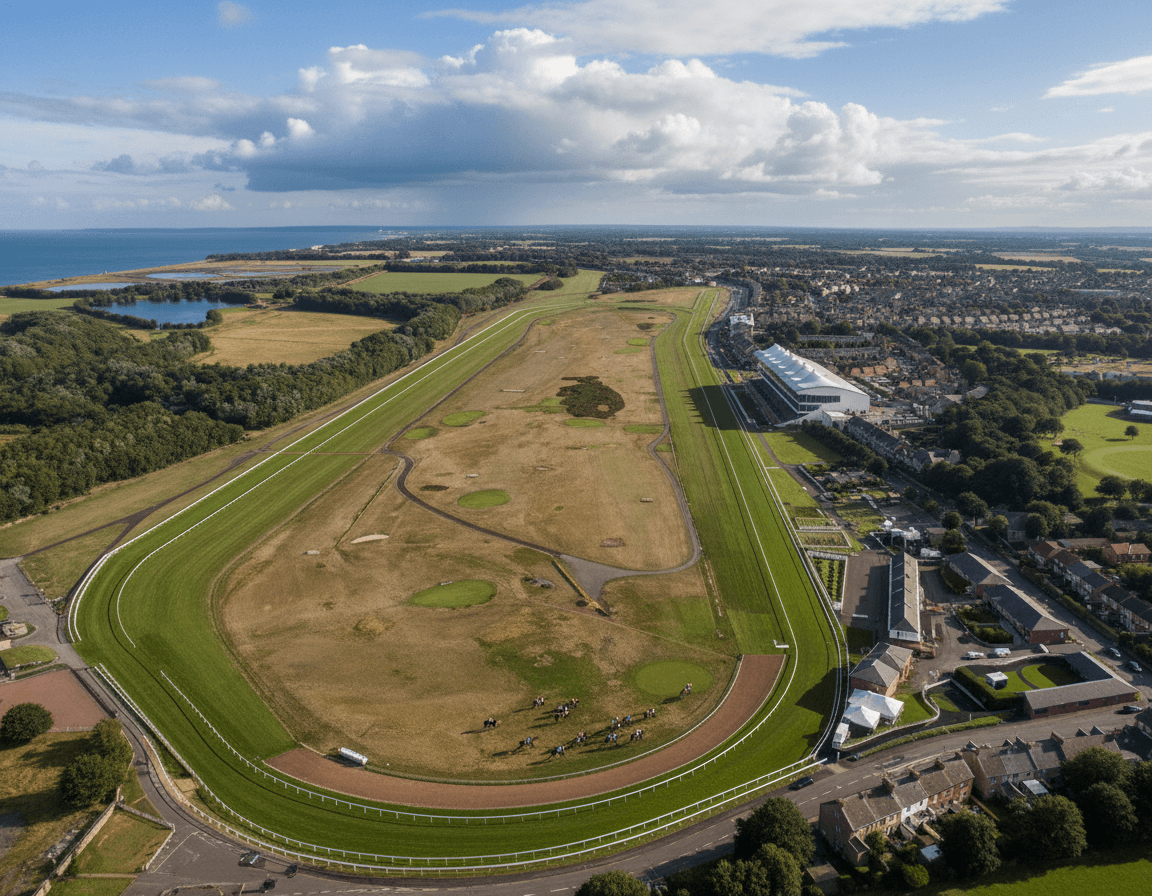
Friday evening's seven-race programme at Musselburgh presents a compelling collection of handicaps ranging from the bread-and-butter Class 5 contests through to a valuable £55,000 Class 3 sprint that anchors the card. The standard going conditions should suit most runners, though the evening timing may introduce tactical nuances that reward those who understand the rhythms of this unique right-handed links circuit.

The distances span from the minimum trip of five furlongs through to the extended mile, offering something for every type of horse and punter. What strikes immediately about tonight's Musselburgh racecard is the competitive nature across all seven contests, with the handicapper's art ensuring that margins for error remain wafer-thin throughout.

The Feature Attraction

The evening's centrepiece arrives at 19:00 with The SBK: Betting Without The Bull Handicap Stakes, a Class 3 contest over six furlongs and one yard that carries prize money of £55,000. This represents a significant step up in quality from the supporting cast, and the trip should ensure a genuine test of speed married to stamina.

Musselburgh's sprint trips have always favoured horses with tactical pace rather than pure speed merchants. The slight rise in the ground from the four-furlong marker to the two-furlong pole can catch out one-paced gallopers, while the downhill run to the line rewards those who have conserved energy for a final flourish. The additional yard beyond the standard six furlongs often proves crucial, separating the genuine from the flashy.

The evening timing adds another layer of complexity. As shadows lengthen across the links, horses can become more settled, and the traditional Musselburgh bias towards prominent racers may be less pronounced than during afternoon racing. This could open opportunities for hold-up horses with the right tactical speed.

Course Characteristics and Going Impact

The standard going description should be taken with the usual grain of salt that accompanies any links course assessment. Musselburgh's proximity to the Firth of Forth means that ground conditions can vary subtly across the track, with the back straight often riding slightly easier than the home straight, where the prevailing wind can firm the surface.

On standard ground, the course typically favours horses with a touch of class who can quicken when it matters. The undulating nature of the track means that pure speed rarely dominates, and those with a change of gear hold distinct advantages. The seven-furlong trips, featured in both the 18:00 and 20:00 contests, often produce the most tactical affairs, with the extended distance allowing for more complex race shapes to develop.

The mile contests bookending the card at 17:30 and 19:30 will test stamina reserves, particularly given the evening scheduling. Horses who have shown their best form in similar conditions should be favoured over those stepping back from longer trips or making seasonal debuts.

Distance Analysis and Tactical Considerations

The five-furlong finale at 20:30 promises to be a cavalry charge, though Musselburgh's minimum trip is rarely as straightforward as it appears on paper. The slight kink leaving the stalls can catch out inexperienced runners, while the rise and fall of the ground means that positioning becomes crucial. Horses drawn towards the centre of the track often find the best ground, though this can vary depending on recent weather patterns.

The six-furlong contests, particularly the feature race, should develop into proper tests of speed and stamina. The additional furlong compared to the minimum trip allows for more tactical racing, and those with proven course form hold obvious advantages. The slight downhill finish can flatter horses who lack a genuine turn of foot, making form reading particularly nuanced.

For the longer trips, stamina becomes paramount, but not at the expense of tactical speed. Musselburgh's undulations mean that horses need to be able to respond to the changing demands of the track, quickening over the rises and maintaining momentum on the descents. Those with proven form over similar undulating tracks should be favoured.

Evening Racing Dynamics

The transition from afternoon to evening racing often produces subtle but significant changes in race dynamics. As temperatures cool and the atmosphere becomes more settled, horses can become more tractable, potentially favouring those who have shown difficult temperaments during the heat of the day.

The lighting conditions as the evening progresses may also influence jockey tactics. While modern floodlighting ensures visibility remains excellent, the psychological impact of racing under lights can affect some horses, particularly those making their evening debuts.

The seven-race programme is well-spaced, allowing adequate time between contests for both horses and connections to prepare properly. This should ensure that each race is run on its merits, without the rushed atmosphere that can sometimes characterise busy afternoon cards.

Summary and Key Takeaways

Tonight's Musselburgh card offers genuine competitive racing across all seven contests, with the Class 3 feature providing the evening's highlight. The standard going should suit most runners, though course specialists and those with proven form in similar conditions hold distinct advantages.

The variety of distances ensures that different types of horses get their opportunity to shine, from the speed merchants in the five-furlong finale to the stamina-laden performers in the mile contests. The evening timing adds tactical nuances that reward careful analysis over superficial form reading.

Those looking to navigate the card successfully would be wise to focus on horses with proven course form, tactical pace, and the ability to handle the unique demands of this characterful links circuit. As always at Musselburgh, class and experience tend to rise to the surface when the pressure mounts.