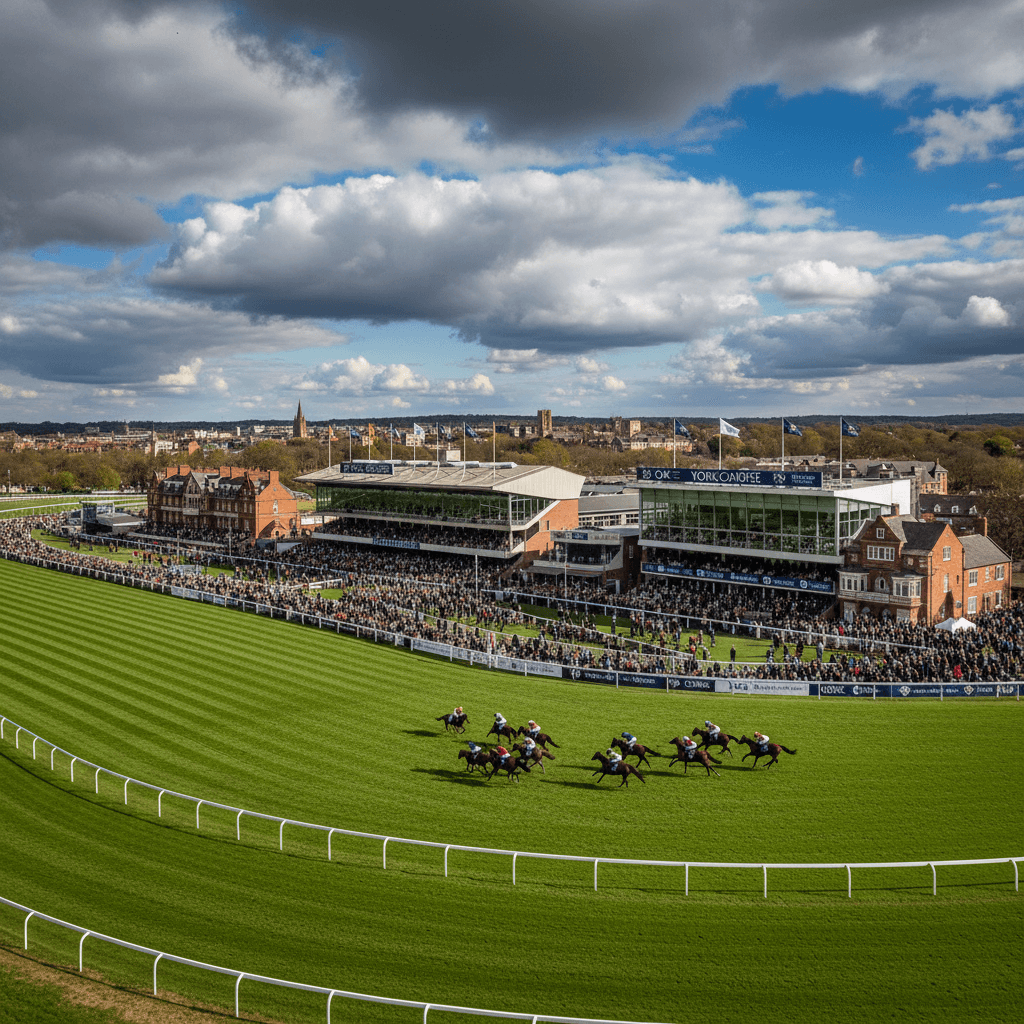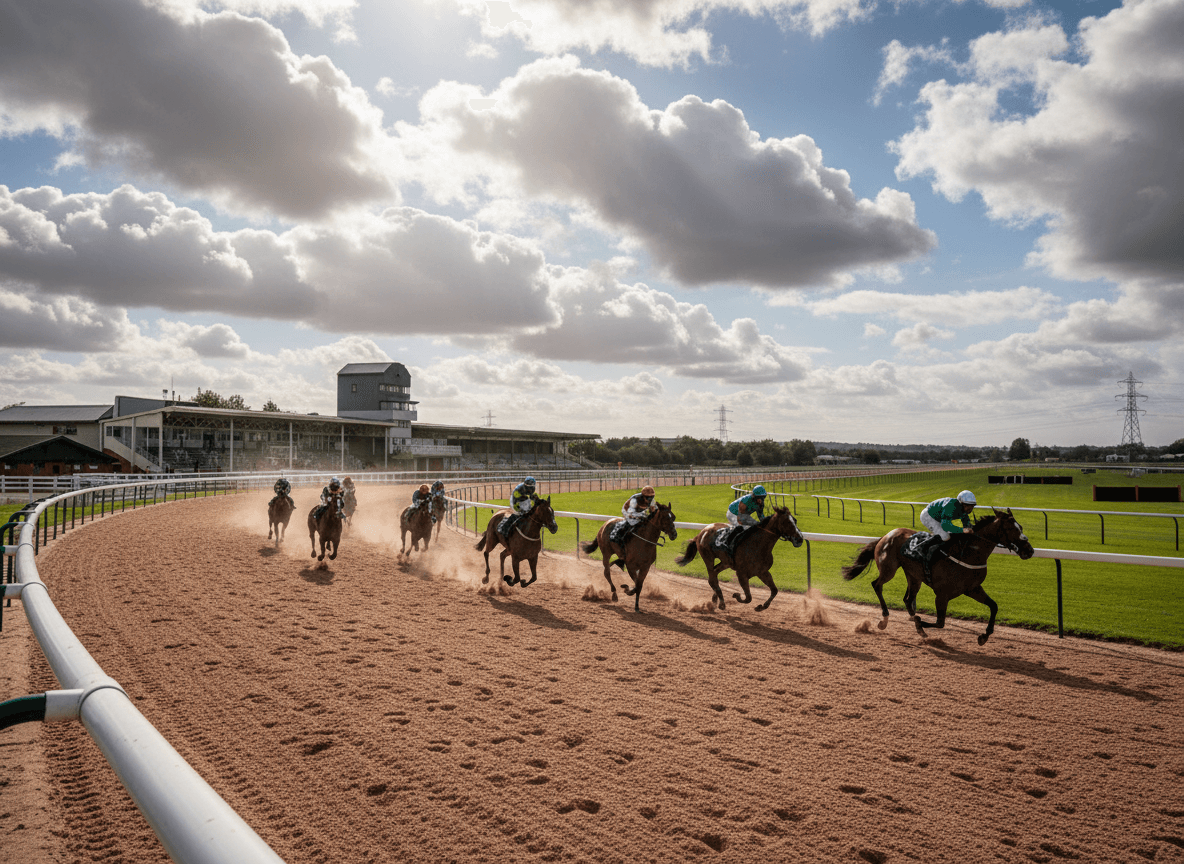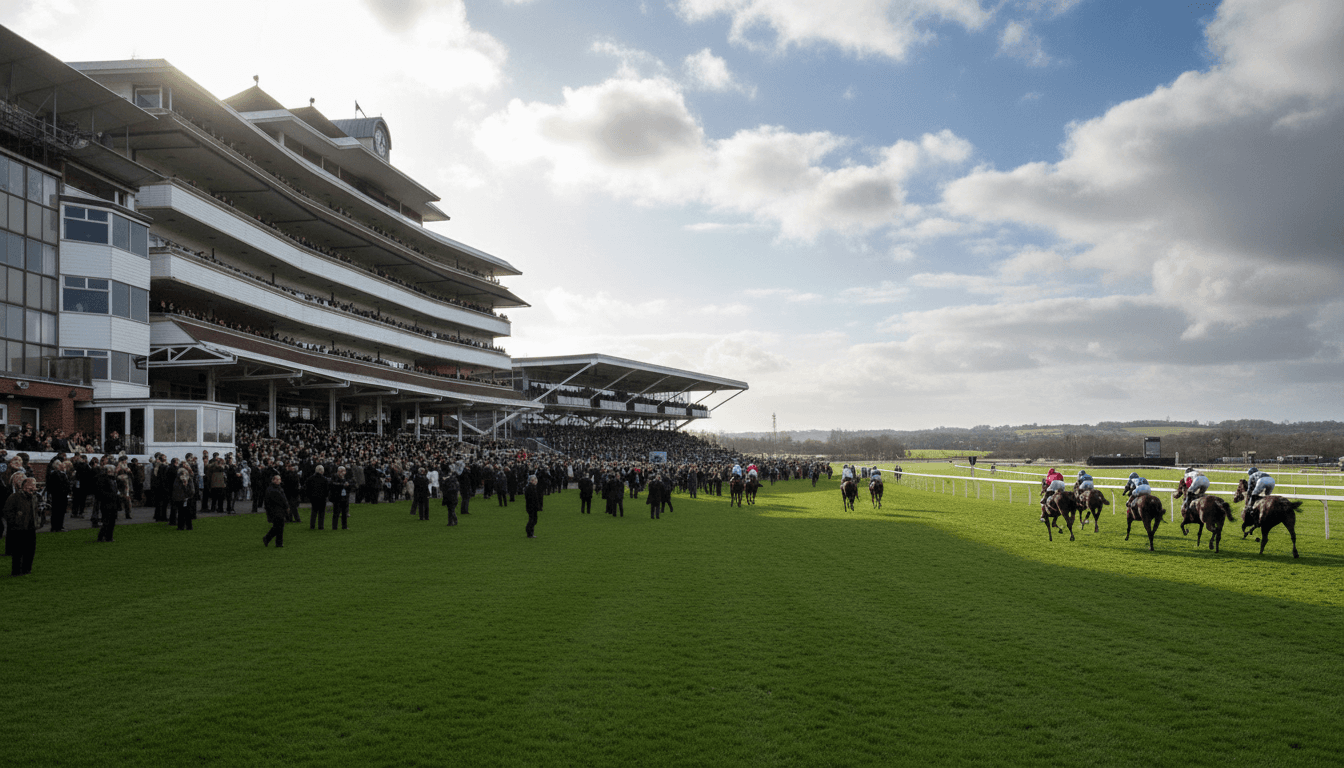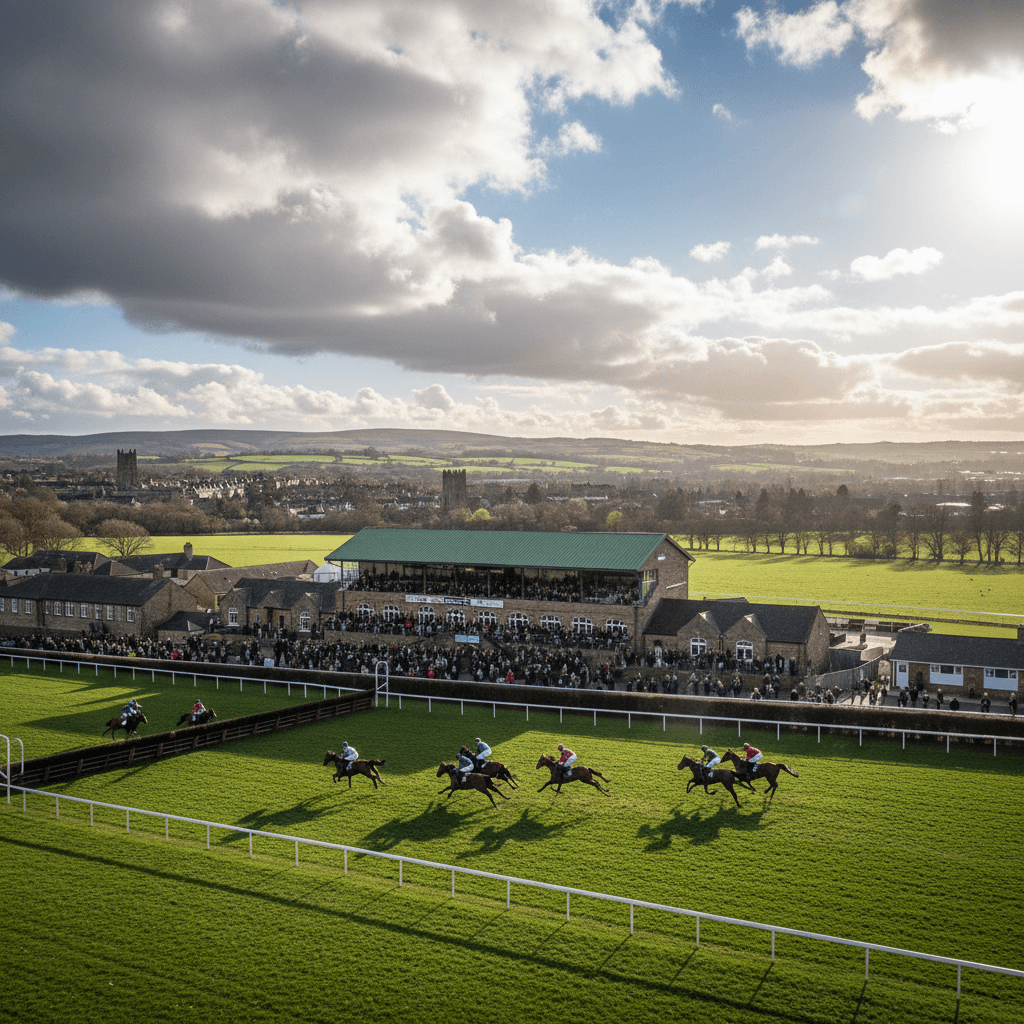
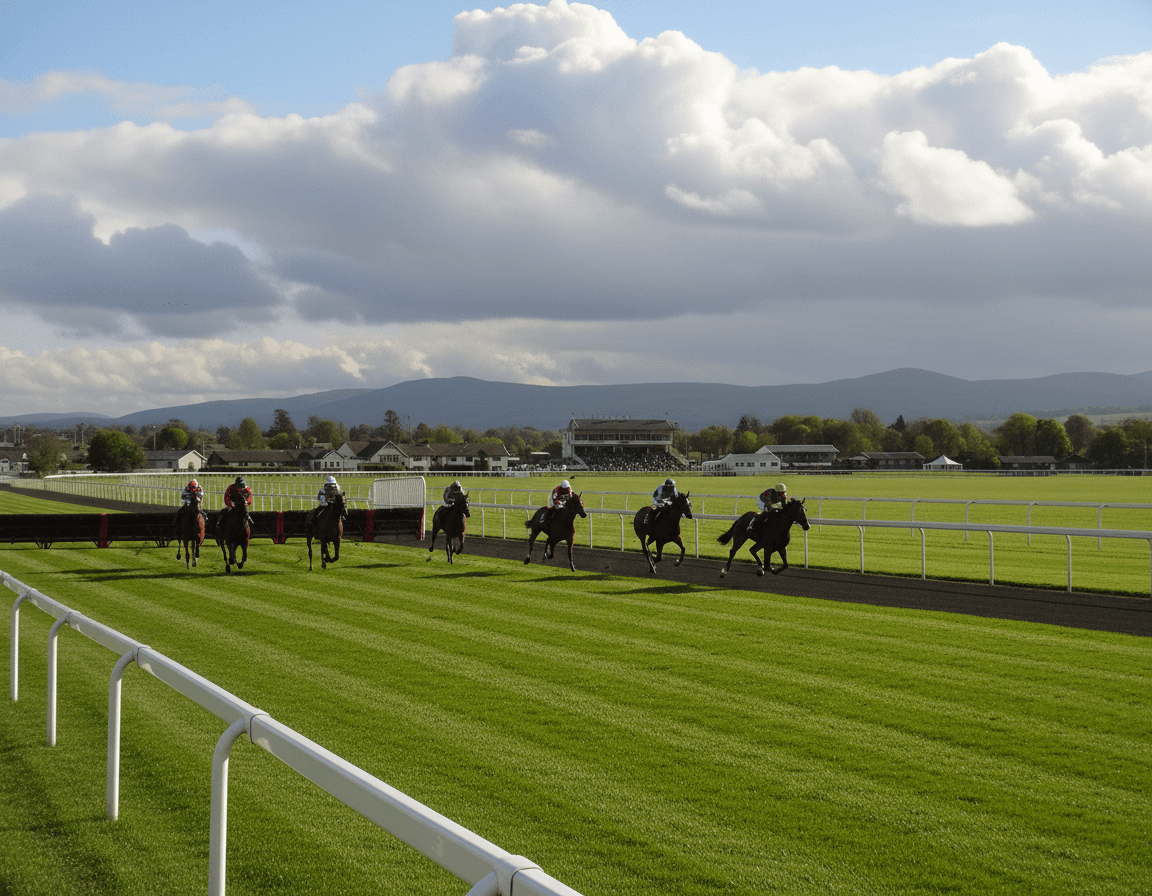
I'll never forget my first trip to Carlisle back in the early nineties. My father, a man who'd rather drive three hours through the Lake District than miss a good day's racing, bundled us into his old Ford Sierra for what he called 'a proper Northern adventure.' As we crested the hill approaching the course, with the Cumbrian fells rolling away in every direction, he turned to me and said, 'Son, this is where horses earn their corn.' Twenty-odd years later, watching yet another finish unfold up that merciless gradient, I finally understood what he meant.
A Week to Savour at Britain's Most Scenic Test
This week, Carlisle treats us to a rare feast: three consecutive days of jump racing that'll showcase everything wonderful about this most characterful of courses. Tuesday's card kicks off proceedings on soft ground with good to soft patches, before Wednesday continues on similar conditions. By Thursday's finale, the going should have improved to good to soft throughout – perfect for what promises to be a cracking week of National Hunt action.
Each afternoon brings seven races, starting around 2:00 PM and running through to early evening. It's the sort of sustained racing programme that allows you to really get your teeth into the form, spot the patterns, and perhaps even find that elusive winner that makes the journey worthwhile.
The Carlisle Challenge: Where Stamina Meets Skill
If you've never experienced Carlisle's unique demands, imagine asking a marathon runner to sprint the final 400 metres uphill after already covering twenty-six miles. That's essentially what this pear-shaped, right-handed track demands of every horse that tackles it. The undulating nature of the course, combined with that energy-sapping climb to the line, creates a examination unlike anywhere else on the jumping circuit.
The track's configuration means pace rarely lies – those who go off too fast invariably pay the price when the gradient bites in the final two furlongs. I've lost count of how many times I've watched a horse travelling like a dream turning for home, only to see their effort flatten out as the hill takes its toll. Conversely, the patient ride often reaps rewards here, with horses who've been held up finding that extra gear when others are crying enough.
Jump racing at Carlisle spans distances from two miles right up to the marathon three-mile-plus trips, and each distance brings its own tactical considerations. The shorter races become tactical affairs where positioning is crucial, while the longer contests turn into true tests of stamina and jumping accuracy.
What to Look for This Week
With the ground on the easier side of good throughout the week, we'll want to focus on horses with proven form on testing conditions. Those soft patches on Tuesday and Wednesday will particularly favour the mudlarks – horses who relish getting their toes into some cut in the ground.
Form students should pay particular attention to previous Carlisle winners. This track has a knack of suiting certain types, and horses who've shown their appreciation for the unique demands often return to the winner's enclosure. Look for previous course winners in the entries, but don't overlook horses who've run well here before without winning – sometimes it takes a couple of visits to fully understand what Carlisle requires.
The jumping element becomes even more crucial on this undulating terrain. Horses need to be quick and accurate at their fences while maintaining the stamina reserves necessary for that final climb. Sloppy jumpers rarely prosper here – the track simply doesn't allow for the recovery time that flatter courses might provide.
Trainer form is worth noting too. The northern trainers naturally have a better understanding of what Carlisle demands, and certain yards seem to have the track's measure. Don't be surprised to see familiar names from Yorkshire, Lancashire, and Scotland dominating the winner's enclosure.
The Punter's Paradise
From a betting perspective, Carlisle often throws up surprises that delight the value-seeking punter. The track's specialist nature means that well-handicapped horses can outrun their odds if they're suited to the demands. Each-way betting becomes particularly attractive in the bigger fields – that hill can shuffle the pack dramatically in the final furlong.
The key is identifying horses whose running style suits the track. Hold-up performers who stay strongly often outrun their prices, while those who need to dominate from the front might find the sustained climb beyond them. Watch the market carefully too – local knowledge often shows itself in the betting patterns, and a horse attracting support from 'those in the know' is always worth a second look.
For those planning to attend, wrap up warm – March in Cumbria can be bracing, but the views across the fells are worth any amount of wind chill. The atmosphere is wonderfully welcoming, with that genuine Northern friendliness that makes every visitor feel part of the racing family.
Three Days of Pure Theatre
As we look ahead to this week's triple helping of Carlisle action, there's genuine excitement in the air. Three days of competitive jump racing on a track that never fails to provide drama, set against one of the most beautiful backdrops in British racing. Whether you're planning to make the journey north, settling in for an afternoon's viewing, or simply following the action through the form book, Carlisle's week promises memories to treasure.
My father was right all those years ago – this is indeed where horses earn their corn. And for those of us lucky enough to witness it, whether in person or from afar, it's where racing memories are made. Here's to three days of Cumbrian magic, where the hill will separate the brave from the merely willing, and where every finish will be earned the hard way.