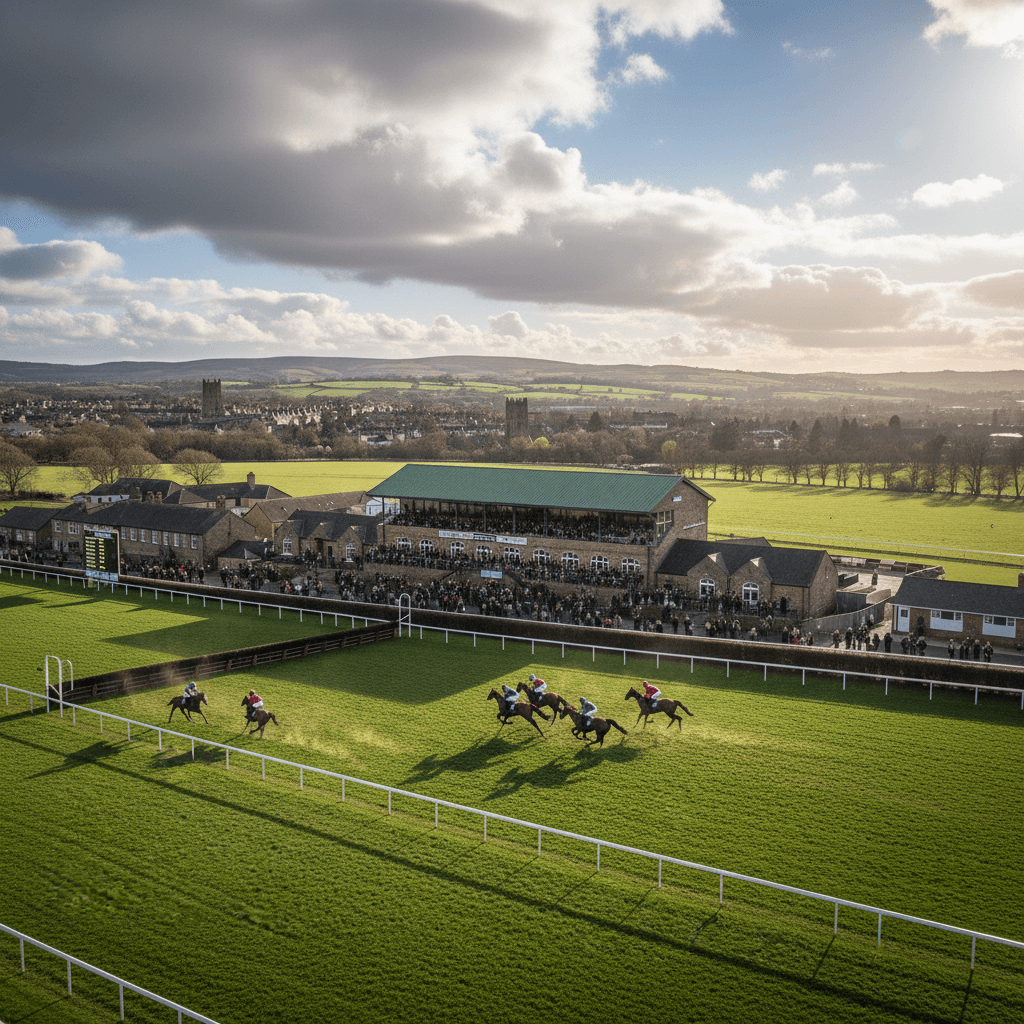
A Jewel in Northumberland's Crown
There's something profoundly moving about witnessing the seasonal transformation at Hexham, where the drama of National Hunt racing gives way to the elegant athleticism of the flat season. Perched majestically in the Northumberland hills at 900 feet above sea level, England's highest racecourse has been captivating racing enthusiasts since 1890, and this week marks another chapter in its storied history as flat racing returns to these dramatic heights.
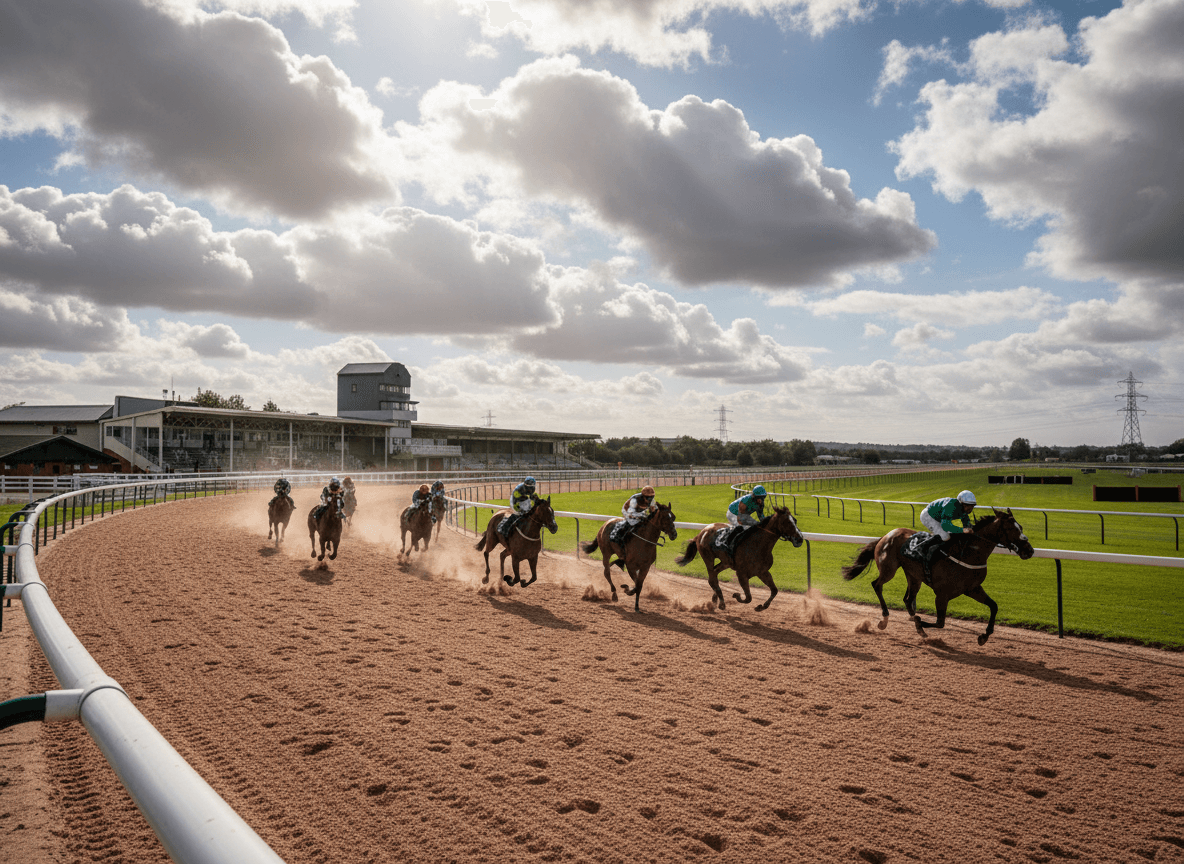
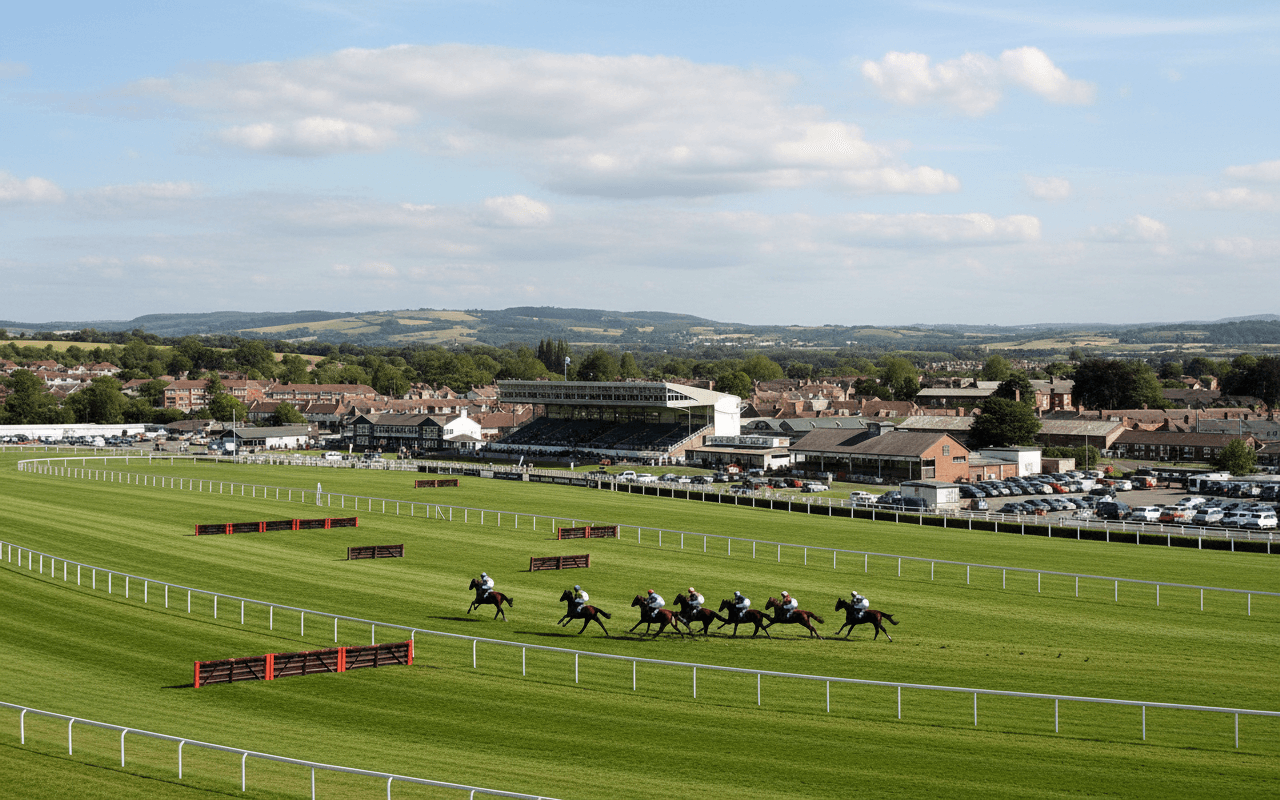
The panoramic views across the Tyne Valley remain as breathtaking as ever, but there's a different energy in the air when the flat horses arrive. Where winter brought the thunder of hooves over timber and the collective intake of breath at each fence, spring ushers in the pure poetry of thoroughbreds stretching their limbs across this undulating terrain, their jockeys crouched low in silk, chasing glory against one of England's most spectacular backdrops.
This Week's Racing Programme
The week ahead offers racing enthusiasts two distinct opportunities to experience Hexham's unique charm. Monday's afternoon card features six races beginning in the traditional post-lunch slot, while Wednesday evening's seven-race programme promises to showcase the course under the golden light of a spring evening – a truly magical experience for those fortunate enough to attend.
The going conditions, described as Standard to Slow on both days, reflect the lingering influence of winter's grip on these northern hills. This softer ground will play a crucial role in determining which horses can handle the additional demands that Hexham's elevation and topography place upon visiting runners. The slower conditions tend to favour horses with proven stamina reserves and those who relish getting their toes into the ground, rather than the speed merchants who might dominate on faster surfaces at sea-level tracks.
Understanding Hexham's Unique Challenges
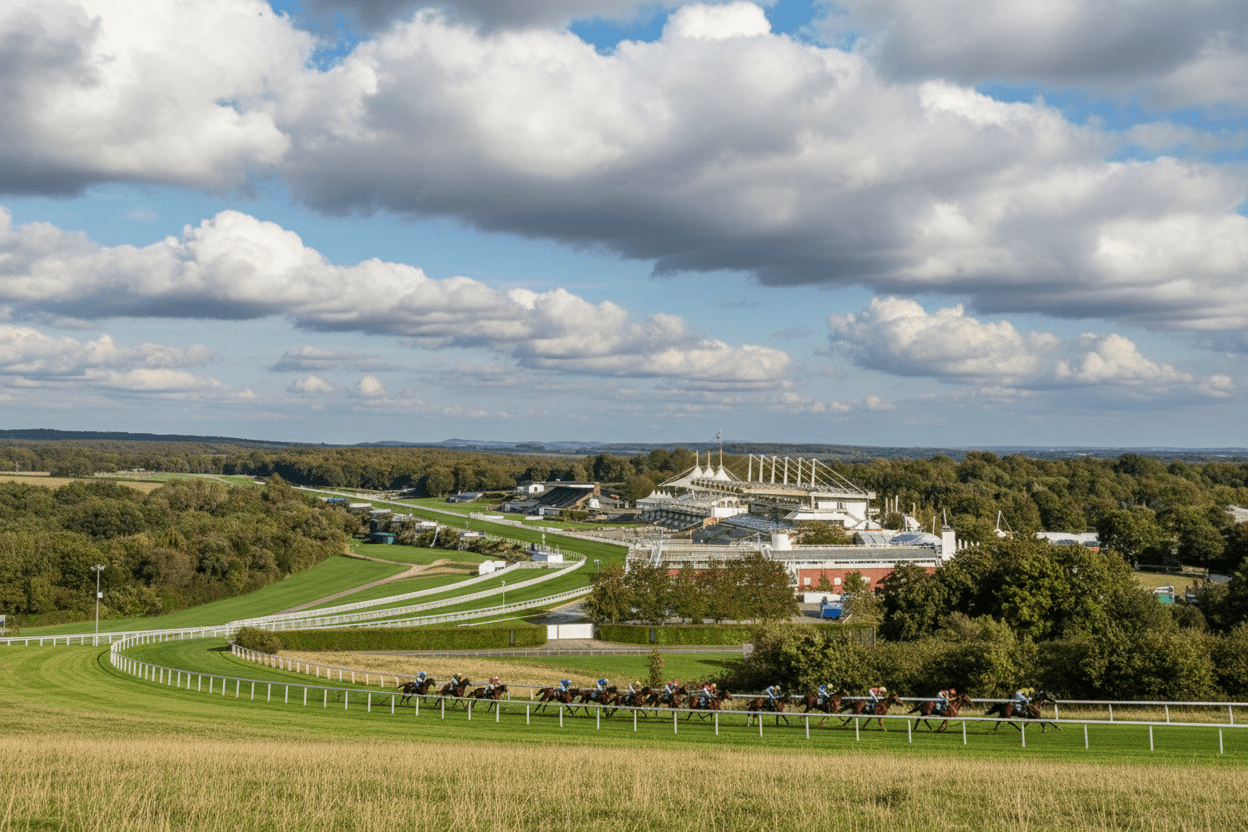
What makes Hexham so compelling – and occasionally confounding – for both horses and punters is its unforgiving terrain. This left-handed circuit demands genuine stamina and tactical awareness from both horse and jockey. The stiff climbs that characterise much of the course can quickly expose any weakness in a horse's conditioning, while the sharp bends require nimble footwork and tactical positioning that separates the truly versatile performers from those who need everything to fall perfectly into place.
The downhill run to the finish, while offering a chance for late-running horses to make their move, can also catch out those who've expended too much energy tackling the earlier climbs. It's a track that rewards patience and punishes early exuberance, where jockeys must carefully manage their mounts' energy reserves while remaining alert to the tactical nuances that can make or break a race.
For flat racing specifically, Hexham's characteristics tend to nullify some of the draw advantages seen at more conventional tracks. The undulating nature of the course means that while certain berths might offer marginal benefits on paper, the reality is that stamina, tactical speed, and the ability to handle the testing ground conditions often prove more decisive than starting position.
The Hexham Horse: What Succeeds Here
Over the decades, certain types of horses have consistently thrived on Hexham's demanding stage. The course tends to favour runners with proven stamina credentials – not necessarily stayers in the traditional sense, but horses who possess that crucial ability to maintain their action when the going gets tough. Those with experience of similarly challenging tracks, particularly courses with significant elevation changes or testing ground conditions, often adapt more readily to Hexham's demands.
Horses who race prominently or who can track the pace without becoming detached tend to fare better than confirmed hold-up performers, simply because the energy required to make up significant ground on the climbs can prove prohibitive. That said, the downhill finish does offer opportunities for well-timed late challenges, provided the horse in question hasn't been asked to do too much work in the early stages.
From a welfare perspective, it's encouraging to note how Hexham's unique characteristics actually serve as a natural filter, ensuring that only genuinely fit and well-prepared horses can compete effectively. The course's demands mean that any underlying fitness issues or minor soundness concerns are quickly exposed, which, while challenging for connections, ultimately serves the sport's broader welfare interests by highlighting horses who might need additional time or attention.
Practical Wisdom for Racegoers and Punters
For those planning to attend either of this week's fixtures, the practical considerations are as important as the racing analysis. Hexham's elevated position means weather conditions can change rapidly, and what might be a pleasant spring day in Newcastle could involve significantly cooler temperatures and stronger winds up on the course. Layered clothing and weather protection are essential, but the potential rewards – both aesthetic and financial – more than justify the preparation.
From a punting perspective, studying the form of horses who've previously raced at tracks with similar characteristics can provide valuable insights. Courses like Cartmel, with its tight turns and undulations, or even the stamina-sapping demands of somewhere like Brighton, can offer relevant form clues. Pay particular attention to how horses have performed on soft or heavy ground elsewhere, as Hexham's Standard to Slow going this week will test every runner's ability to maintain their action in testing conditions.
The evening fixture on Wednesday deserves special mention, as racing under lights at this elevation creates an almost ethereal atmosphere. The interplay between the artificial lighting and the natural grandeur of the Northumberland landscape provides a racing experience that's genuinely unique in British racing, making it worth the journey for anyone within reasonable travelling distance.
A Course That Captures Racing's Soul
As we look ahead to this week's action at Hexham, it's worth reflecting on what makes this venue so special within the broader context of British racing. In an era where commercial pressures and modernisation sometimes threaten racing's traditional character, Hexham stands as a testament to the sport's enduring appeal and authentic challenges.
The course's ability to test horses and jockeys so comprehensively, while providing spectators with an experience that combines sporting excellence with natural beauty, exemplifies what makes racing such a compelling spectacle. Whether you're drawn by the tactical puzzles that Hexham's unique layout presents, the opportunity to witness horses and jockeys proving their mettle against one of racing's most demanding backdrops, or simply the chance to experience the sport in one of its most atmospheric settings, this week's fixtures promise to deliver racing of genuine quality and character.
For those who appreciate racing's deeper qualities – the partnership between horse and rider, the tactical subtleties that separate good from great, and the way the sport connects us to both our sporting heritage and the natural world – Hexham offers an experience that's increasingly rare in our modern racing landscape. It's a reminder that sometimes the most rewarding racing happens not at the sport's most glamorous venues, but at places like this Northumberland gem, where every victory is truly earned and every performance tells a story worth celebrating.