Where History Meets the Cheviot Hills
There exists a particular alchemy in the Scottish Borders that transforms even the most seasoned racing observer into something approaching a romantic. Kelso embodies this transformation more completely than perhaps any other course in Britain, where the rolling Cheviot Hills provide a backdrop that would inspire Walter Scott himself to pen verses about the thoroughbred.
Established in 1822, Kelso has earned its reputation as 'Britain's Friendliest Racecourse' through more than two centuries of hospitality, but beneath that warmth lies a track of considerable subtlety. While most associate this Border gem with the thunder of winter jumping—the Morebattle Hurdle and Premier Chase remain jewels in its crown—the summer months reveal an entirely different character when the course transforms for flat racing.
This metamorphosis is worth observing closely. The same undulating terrain that tests a chaser's stamina and agility over fences becomes a canvas for an altogether different kind of contest when the obstacles are removed and speed takes precedence over jumping prowess.
This Week's Canvas
The racing calendar presents us with two distinct opportunities to appreciate Kelso's flat racing persona this week. Monday's afternoon fixture arrives with seven races scheduled across good to firm ground, with good patches providing some variance—a surface that should reward those horses able to quicken decisively in the closing stages.
The week concludes with Saturday's evening meeting, a six-race card that promises to showcase the course under the extended daylight of a Scottish summer evening. While the going remains to be confirmed, the extended forecast suggests conditions will remain on the quicker side, though the wisdom of the Borders suggests keeping a weather eye open—conditions can shift with the mountain breezes that sweep down from the Cheviots.
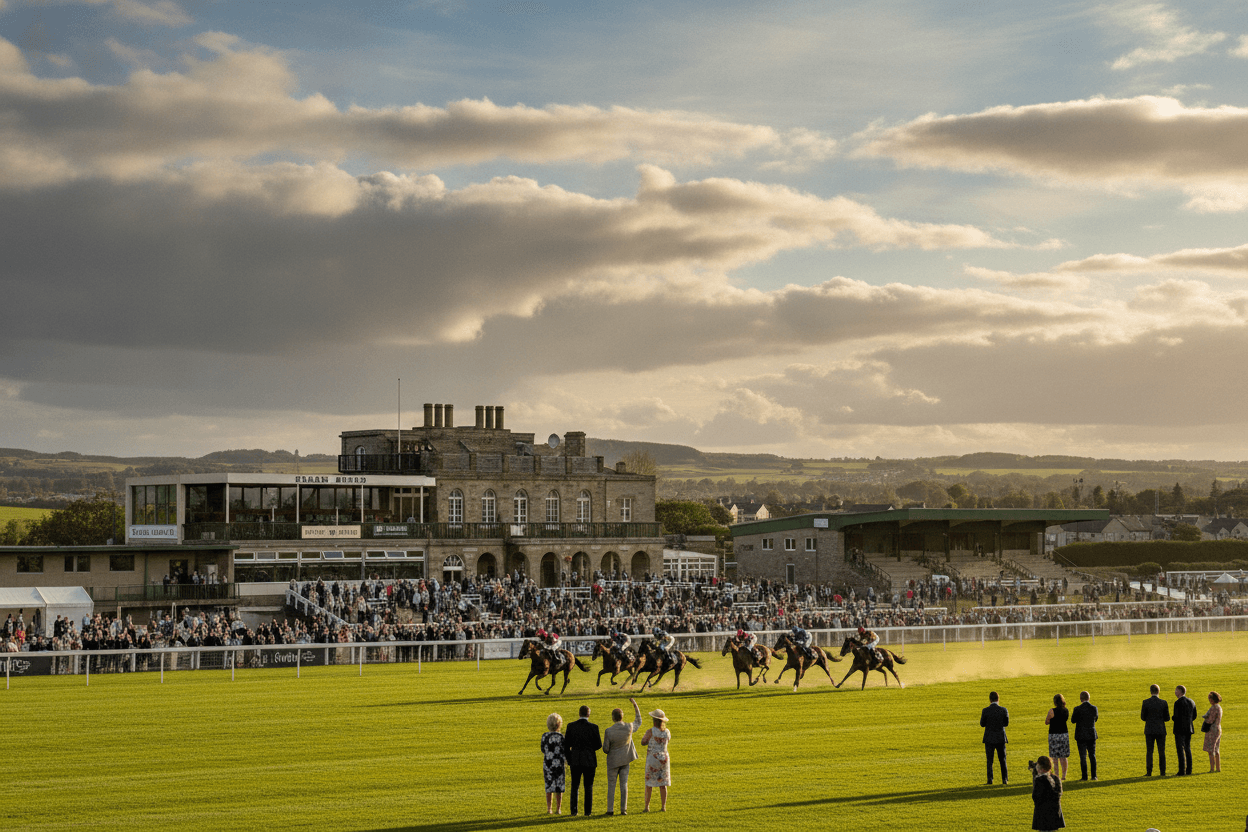
These evening fixtures possess a particular charm at Kelso, where the low sun casts long shadows across the paddock and the atmosphere takes on an almost festival-like quality. The local crowd, knowledgeable and passionate, creates an intimacy rarely found at the larger metropolitan tracks.
Reading the Kelso Riddle
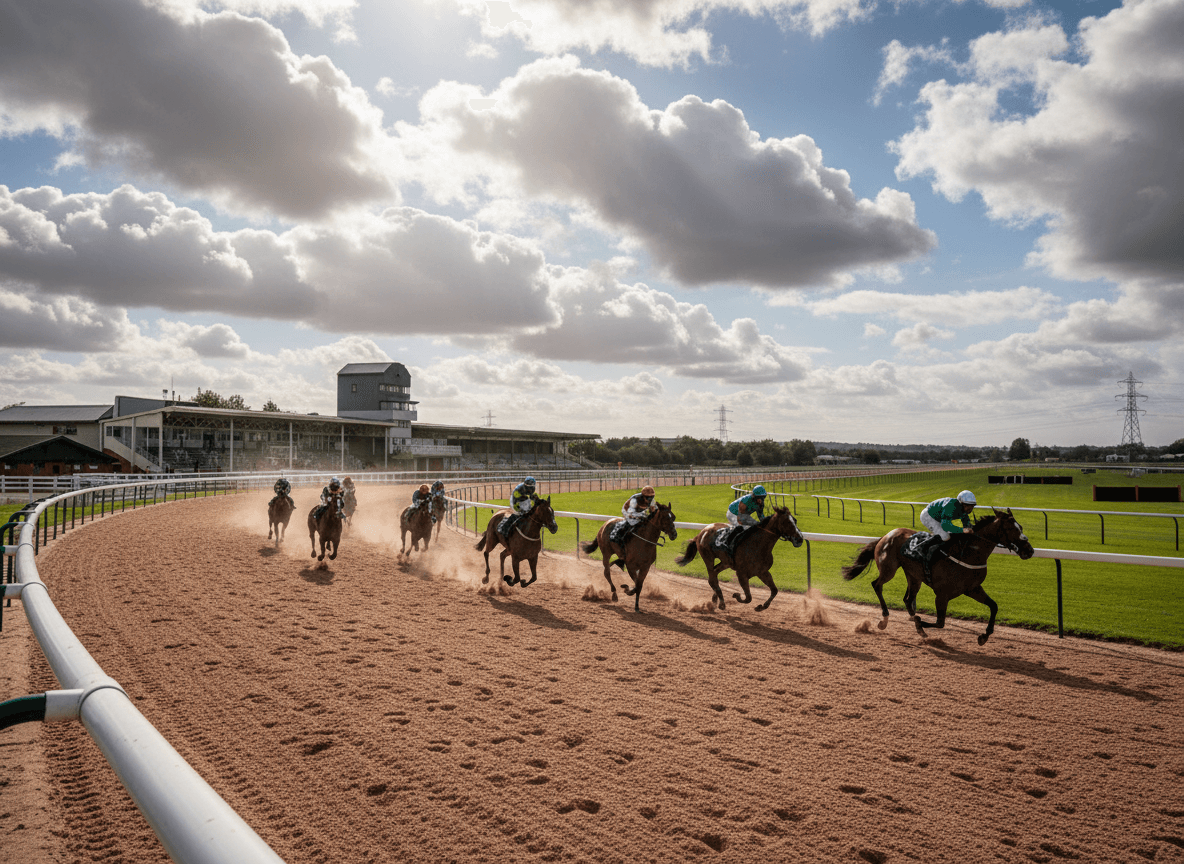
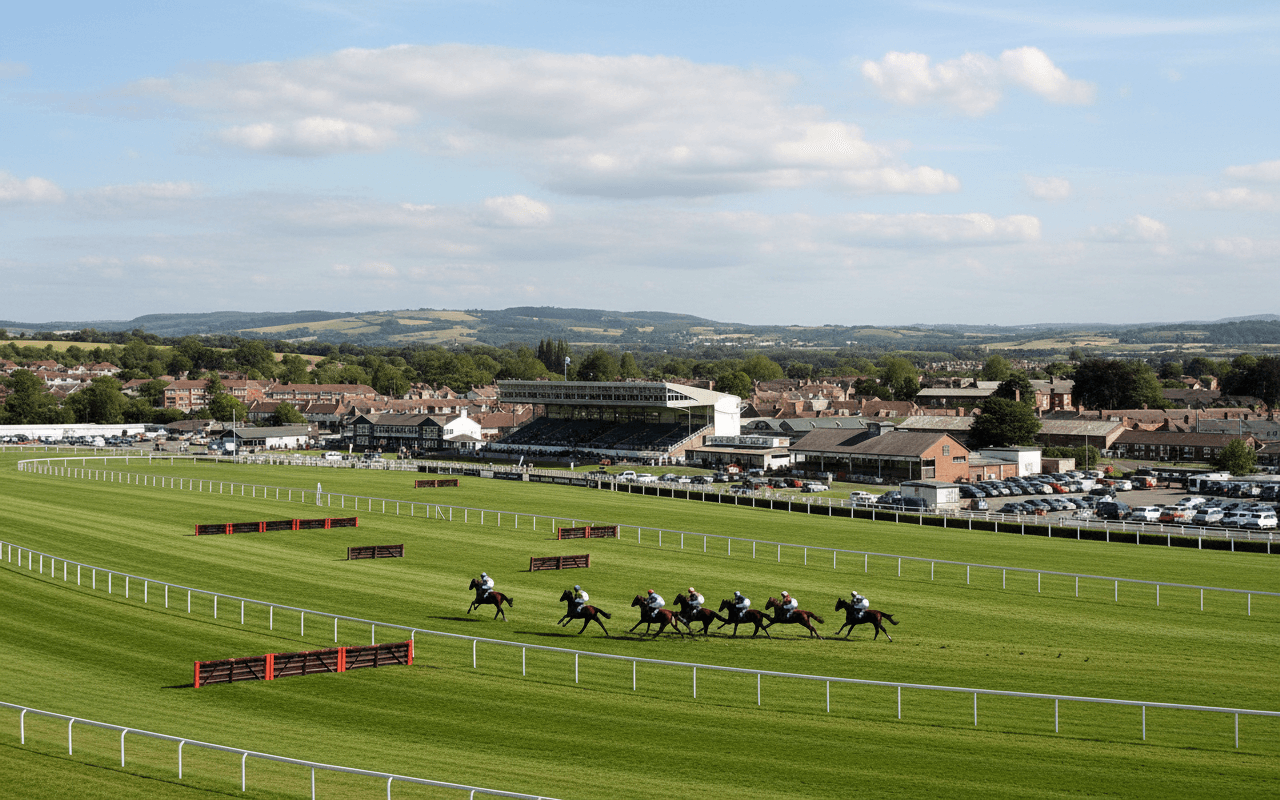
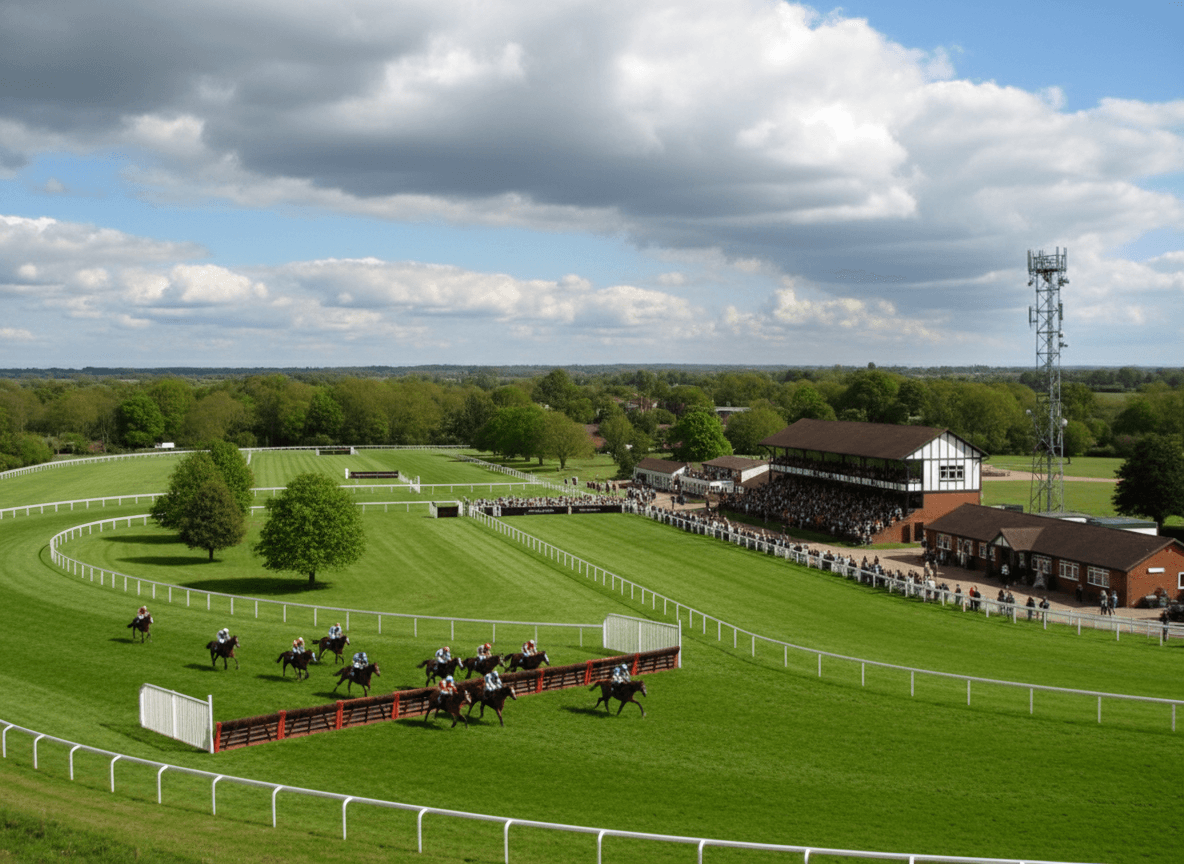
The flat course at Kelso presents a fascinating puzzle for the serious student of track characteristics. This left-handed circuit, measuring approximately one mile and four furlongs in circumference, possesses an undulating profile that immediately sets it apart from the pancake-flat ovals that dominate much of British racing.
The home straight, while not particularly lengthy, rises gently before leveling out in the final furlong—a characteristic that tends to favor horses with a strong finishing kick over those dependent on sustained pace. The turn into the straight is neither particularly sharp nor sweeping, but the camber and gradient changes require horses to be balanced and athletic.
What becomes immediately apparent to the careful observer is how the course's jumping heritage influences even its flat racing. Horses need to be genuine stayers here, even over shorter distances. A mile at Kelso can feel like ten furlongs elsewhere, while the extended trips become true tests of stamina and resolve.
The draw, while not as pronounced a factor as at some tracks, does carry subtle implications. Low numbers hold a marginal advantage in larger fields, particularly in races up to a mile, where the ability to secure an economical position on the inner can prove decisive when the tempo increases up the home straight.
The Kelso Horse
Certain types of horses have historically thrived on this Border circuit, and their characteristics provide valuable insight for both punter and enthusiast. The ideal Kelso performer combines stamina with tactical speed—horses that can travel comfortably within themselves before producing a sustained finish rather than a devastating turn of foot.
Progressive three-year-olds often find Kelso to their liking, particularly those from northern stables who understand the demands of undulating tracks. The course has a particular affinity for horses trained in Scotland and the North of England, where similar terrain is commonplace in both training and racing.
Breeding patterns also emerge upon closer examination. Horses by stamina-rich sires, particularly those with jumping bloodlines in their pedigrees, often outperform their odds at Kelso. The course rewards honesty and determination over pure speed, qualities that tend to be deeply ingrained rather than taught.
Experience matters here more than at many tracks. Horses returning to Kelso often show marked improvement, having learned to navigate the unique demands of the undulating circuit. This local knowledge becomes particularly valuable in competitive handicaps, where marginal gains can prove decisive.
The Practical Perspective
For those planning to attend either of this week's fixtures, Kelso offers an experience that extends well beyond the racing itself. The course's compact nature means excellent viewing from almost anywhere, while the friendly atmosphere encourages conversation and shared expertise among racegoers.
From a punting perspective, several factors merit consideration. The smaller field sizes common at Kelso mean that each-way opportunities often present better value than win-only propositions. The course's tendency to produce staying-on finishers makes it worthwhile to examine horses that may have been finishing strongly in their recent efforts, even if they haven't been troubling the judge.
Weather remains a crucial factor, as it does throughout Scottish racing. The course's elevated position means conditions can change rapidly, and those quick to reassess their calculations based on any going changes often find themselves at an advantage.
The local knowledge of Scottish trainers should never be underestimated at Kelso. Handlers like Lucinda Russell, Sandy Thomson, and others who regularly campaign horses at the track possess insights that extend far beyond what the form book reveals.
A Border Gem's Summer Song
As the racing world's attention often focuses on the glamorous summer festivals at Ascot, Goodwood, and York, there exists a quieter but no less compelling narrative playing out in the Scottish Borders. Kelso's summer flat racing may not carry the same prize money or prestige, but it offers something increasingly rare in modern racing—authenticity and character that cannot be manufactured or replicated.
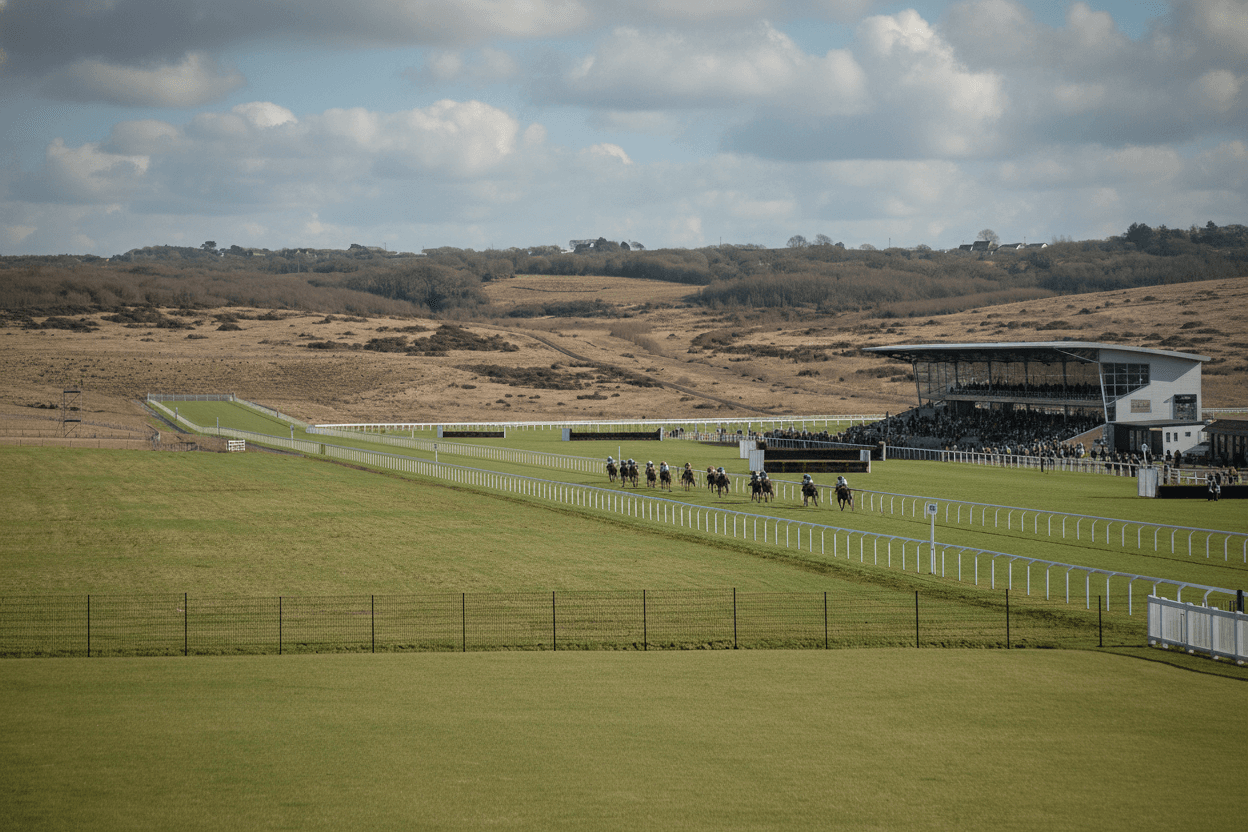
This week's fixtures provide an opportunity to witness this character firsthand, whether from the stands overlooking the Cheviot Hills or through the careful study of how different horses adapt to this unique challenge. In an era where many courses have been homogenized, Kelso remains defiantly itself—a place where racing retains its connection to the landscape and community that shaped it.
The horses that triumph here will have earned their victories through stamina, determination, and the ability to handle racing's less predictable demands. In that sense, they embody the very qualities that have made Kelso 'Britain's Friendliest Racecourse' for more than two centuries—qualities that seem particularly precious as summer racing reaches its crescendo across the Border hills.