
The Enduring Appeal of Scotland's Scenic Gem
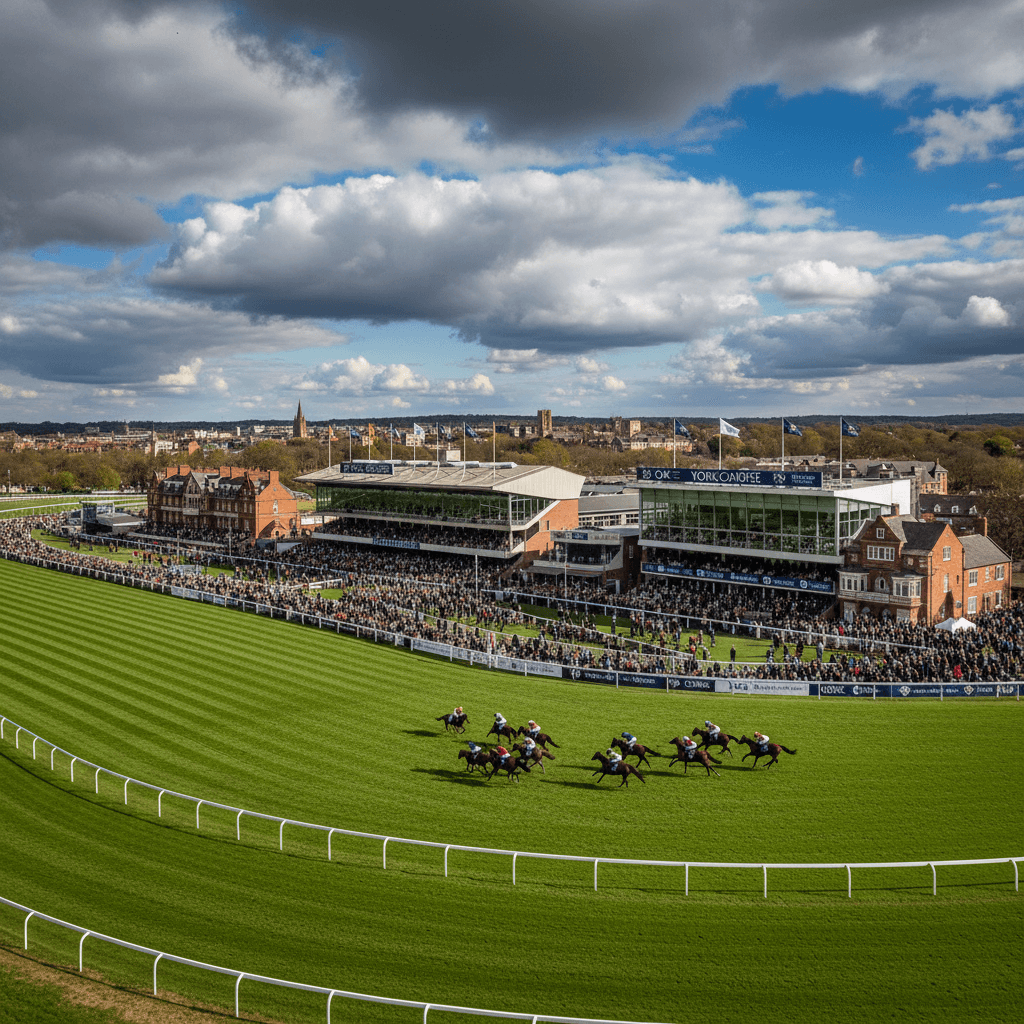
There's something quietly compelling about Musselburgh that draws you back, season after season. Perhaps it's the way the River Esk curves around the far side of the track, or how the Pentland Hills provide a dramatic backdrop to the home straight. More likely, it's the course's honest nature – a track that rewards merit without artifice, where the best horse on the day tends to prevail.
Since 1816, this East Lothian venue has been testing thoroughbreds across its galloping contours, and two centuries of racing have refined it into one of Britain's most reliable venues. The flat, right-handed oval may lack the quirks that define some courses, but therein lies its strength. When punters seek value and trainers want a fair test, Musselburgh delivers with quiet consistency.
This Week's Action: A Tale of Two Seasons
The week presents a fascinating contrast, with Tuesday's jumps card offering the final flourishes of the National Hunt season before Friday's flat fixture signals spring's arrival in earnest. Tuesday's seven-race afternoon card will likely encounter testing ground conditions – typical for late March – while Friday's flat performers should find more accommodating surfaces as the course's excellent drainage works its magic.
The timing is significant. Tuesday's jumpers arrive battle-hardened from a long winter campaign, their fitness assured but freshness perhaps questionable. Friday's flat horses, meanwhile, emerge from winter quarters with varying degrees of readiness, creating the kind of informational asymmetries that reward careful analysis.
Reading the Musselburgh Code
Understanding Musselburgh begins with appreciating its fundamental fairness. The track's galloping nature and gentle undulations create few hiding places for the moderate performer, yet neither do they unduly favour any particular running style. The circuit measures a shade over one mile and two furlongs, providing ample time for races to develop naturally.
Draw bias, when it exists, tends to be subtle rather than decisive. On the straight five-furlong course, low numbers hold a marginal advantage, particularly when the ground rides firm. The slightly uphill finish – barely perceptible to the naked eye but significant over the final furlong – can catch out horses who've expended their energy too early.
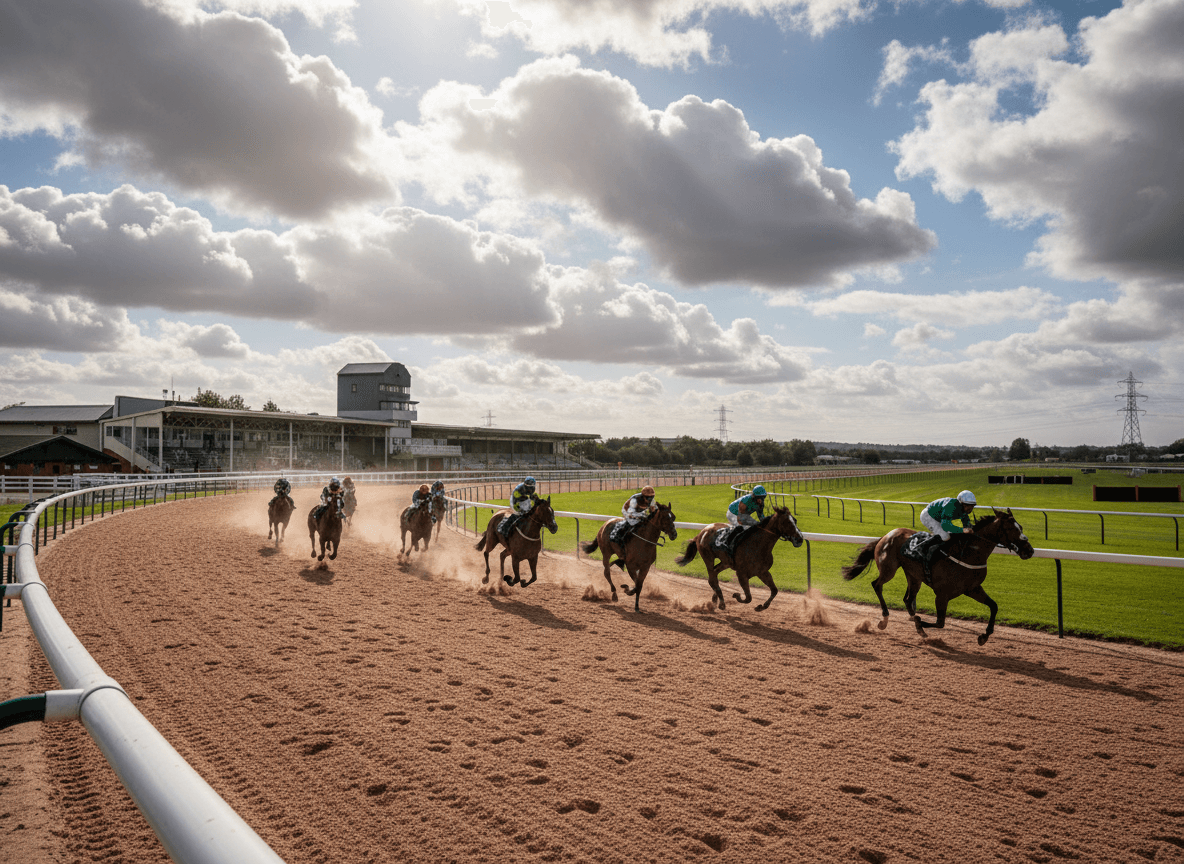
Pace scenarios unfold predictably here. The long, sweeping bends allow jockeys to position their mounts without undue urgency, meaning truly-run races are the norm rather than the exception. This benefits horses with a strong finishing kick, particularly over the longer distances where tactical speed matters less than sustained galloping ability.
The Jumping Game
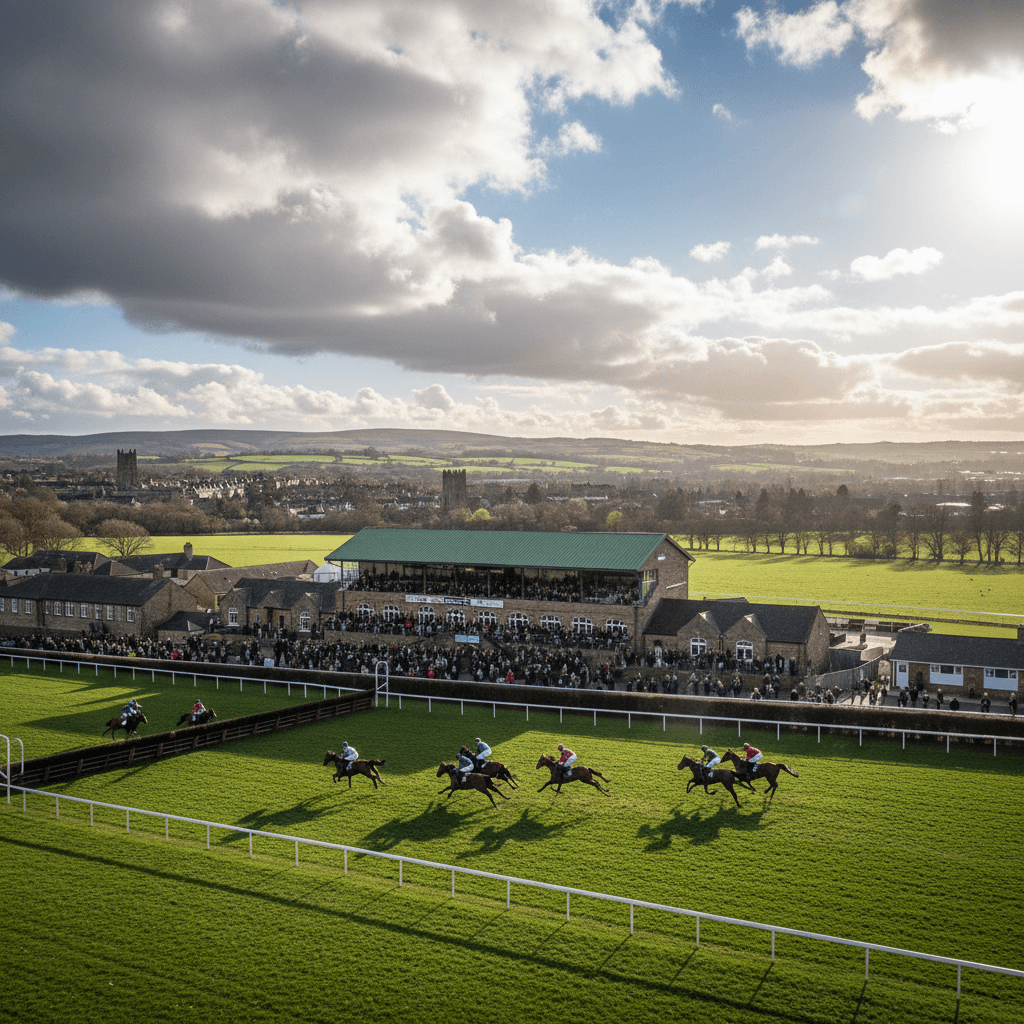
For National Hunt racing, Musselburgh's fences are fair but unforgiving of careless jumping. The track's flat nature means horses maintain their speed throughout, placing a premium on slick, economical jumping. The hurdles, rebuilt in recent years, are well-constructed and positioned to create natural jumping rhythms.
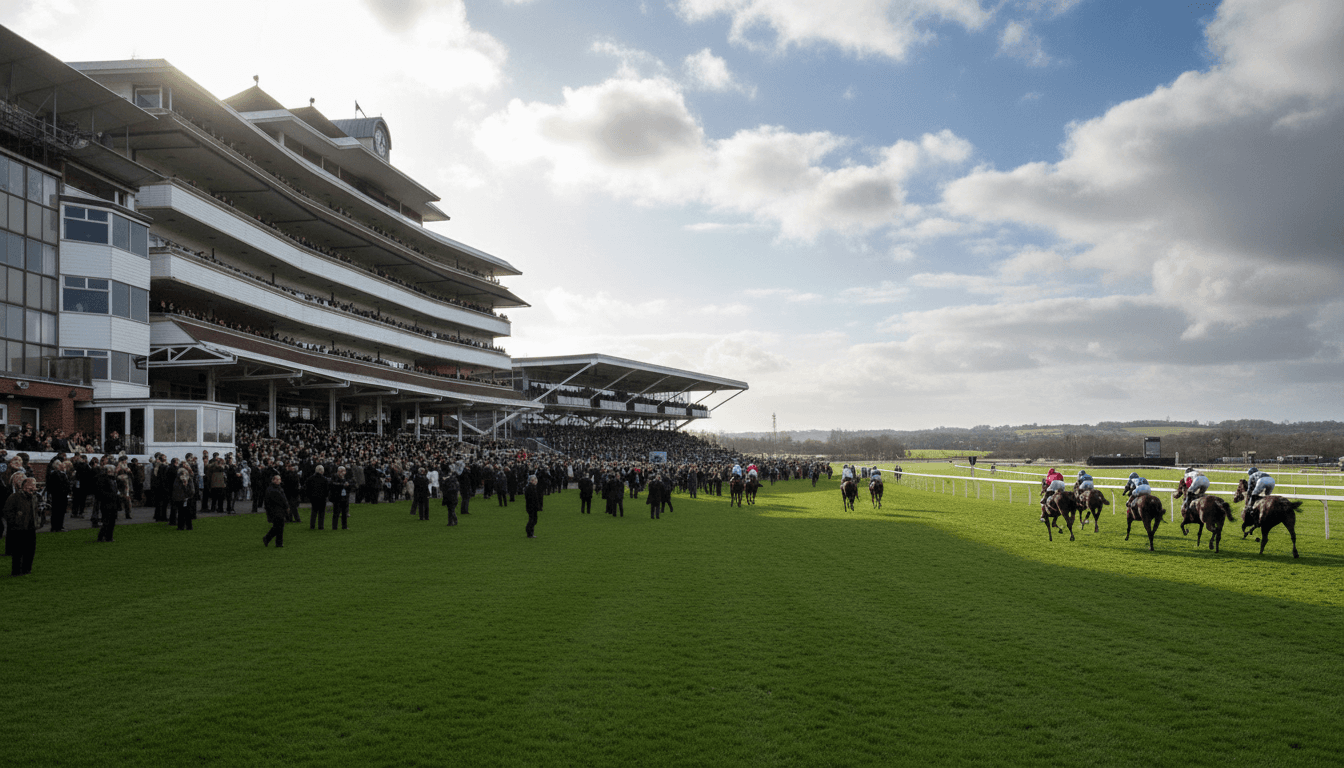
The run-in of approximately two and a half furlongs provides sufficient time for late challenges to develop, though horses need to be within striking distance turning for home. Front-runners who've stolen a march often prove difficult to peg back, particularly when the ground rides on the slower side.
Horses for Courses: The Musselburgh Type
Successful Musselburgh performers share certain characteristics that transcend the flat-jumps divide. Stamina reserves prove crucial, even over shorter distances, due to the track's galloping nature and that subtle uphill finish. Horses who quicken best when asked for their maximum effort, rather than those relying on early pace, tend to thrive.
Flat performers benefit from a long, raking stride that can eat up the track's sweeping bends efficiently. Compact, nippy types often find the circuit's scope works against them, unable to utilise their natural agility. The most successful flat horses here combine tactical speed with genuine staying power – think middle-distance performers stepping back in trip rather than sprinters stretching out.
Over jumps, the premium shifts towards horses with natural jumping ability and the confidence to maintain their rhythm throughout. Musselburgh's fences come up quickly in the context of the galloping pace, rewarding horses who see a stride and commit to it rather than those who fidget and adjust.
Trainer Patterns Worth Noting
Certain trainers have developed notable records at the course, often reflecting their understanding of what Musselburgh demands. Local handlers naturally hold advantages through familiarity, but southern trainers who make the journey north typically arrive with well-fancied contenders, making their runners worthy of respect.
The course's fair nature means that form often translates directly from other similar tracks. Horses who've performed well at venues like Thirsk, Ripon, or Carlisle on the flat often reproduce that form at Musselburgh. For jumpers, previous success at tracks like Kelso, Perth, or Hexham provides a reliable guide.
Practical Wisdom for the Week Ahead
Tuesday's jumps card demands close attention to recent form and fitness levels. Late-season handicaps can prove particularly competitive, with horses carrying the scars of a long campaign but also the benefit of race fitness. Look for runners who've shown consistent effort levels rather than those seeking to recapture past glories.
Weather conditions in the days leading up to Friday's flat fixture will prove crucial in determining ground conditions and, consequently, which horses hold genuine chances. The course's drainage ensures racing rarely falls victim to waterlogging, but the difference between good and good-to-soft ground can prove decisive for horses returning from winter breaks.
From a betting perspective, Musselburgh's honest nature makes it an excellent venue for each-way punters. The track's tendency to produce closely-fought finishes means that horses arriving in good order often run to their marks, creating value opportunities in competitive handicaps.
A Course for All Seasons
As we stand on the cusp between National Hunt's conclusion and the flat season's renewal, Musselburgh reminds us why certain venues endure while others fade. Its combination of scenic beauty, fair racing, and consistent surfaces creates the kind of experience that racing's stakeholders – from owners to punters – genuinely value.
This week's dual offering encapsulates everything that makes the course special: honest tests of ability conducted in spectacular surroundings, where merit typically prevails and form students find their careful analysis rewarded. Whether you're trackside enjoying the East Lothian air or following from afar, Musselburgh's spring renaissance promises to deliver the kind of quality racing that has sustained it for more than two centuries.