A Devon Jewel in Racing's Crown
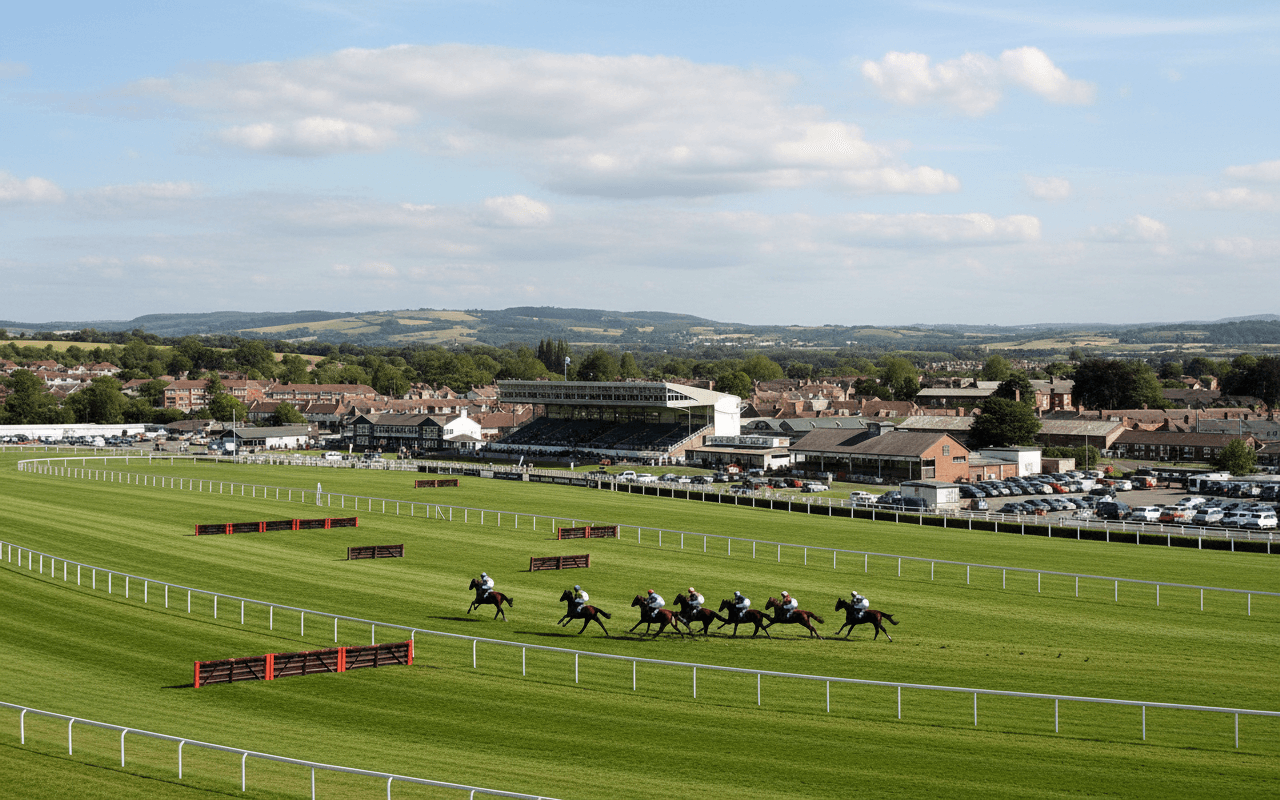
There are few places in British racing that capture the heart quite like Newton Abbot, where the rolling hills of Devon provide a stunning backdrop to some of the most honest and competitive National Hunt racing you'll find anywhere. Since 1866, this charming course has been nurturing the careers of horses and jockeys alike, offering a platform where future stars can cut their teeth and seasoned campaigners can showcase their enduring class.
What sets Newton Abbot apart is not just its picturesque setting, but its role as racing's great educator—a place where the sharp, demanding track separates the genuine articles from the pretenders, and where the intimate atmosphere allows you to truly feel the thunder of hooves and the tactical battles unfolding before your eyes. This week's three-day festival exemplifies everything that makes this West Country gem so special, promising the kind of racing that reminds us why we fell in love with the sport in the first place.
Three Days of Quality Action
The week ahead presents a feast of National Hunt racing, with action on Wednesday, 22 April, Thursday, 23 April, and Friday, 24 April, each afternoon featuring seven carefully crafted races that showcase the depth and quality of British jump racing. The soft going conditions across all three days will add an extra layer of tactical intrigue, favouring those horses with the stamina and determination to handle the testing underfoot conditions that can so often separate the wheat from the chaff.
These afternoon meetings capture Newton Abbot at its finest—when the Devon sun casts long shadows across the track and the competitive spirit burns brightest among connections who understand that every race here matters, whether it's a maiden hurdle for promising novices or a competitive handicap chase featuring battle-hardened veterans. The consistency of the soft going throughout the week means we can expect to see similar tactical patterns emerge, with jockeys needing to judge pace carefully and trainers having sent their charges here specifically prepared for these exact conditions.
Mastering the Newton Abbot Challenge
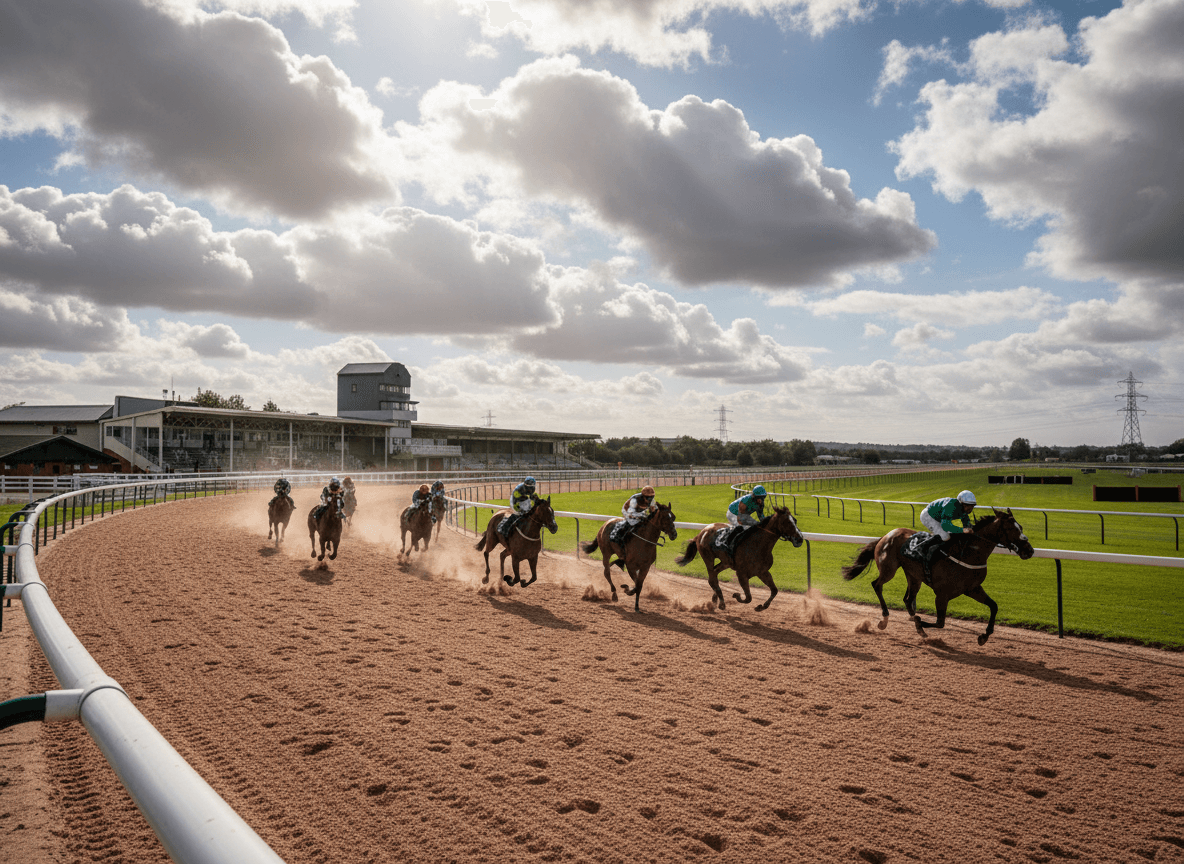
Newton Abbot's sharp, left-handed configuration demands a particular set of skills from both horse and rider, creating a unique test that rewards agility, tactical awareness, and raw speed in equal measure. The track's relatively flat terrain might suggest straightforward racing, but the reality is far more nuanced—the nine fences per circuit come up quickly, requiring horses to be nimble and accurate, while the short run-in of around 200 yards means that positioning throughout the race becomes absolutely crucial.
The course's excellent drainage capabilities mean that even with soft going, the racing surface remains fair and consistent, allowing horses to show their true ability without the lottery element that can plague some tracks in testing conditions. This reliability has made Newton Abbot a favourite among trainers who want to give their horses the best possible chance to demonstrate their talents, knowing that the track will provide a genuine test without unfair advantages or disadvantages.
What makes tactical analysis particularly fascinating here is how the sharp turns can expose horses who are not fully focused or fit, while rewarding those who travel with enthusiasm and can quicken when asked. The relatively short circuits mean that races can develop quickly, with little time for recovery if connections get their tactics wrong—a factor that adds considerable excitement for spectators and makes for compelling viewing throughout each seven-race card.
The Newton Abbot Horse: Speed, Agility, and Heart
Success at Newton Abbot requires a particular type of horse—one that combines natural speed with the agility to handle the sharp turns and the tactical intelligence to cope with the quick-fire nature of the racing. The course has always favoured horses who travel with enthusiasm and can produce their best effort when the pressure is on, rather than those who need time and space to wind up their challenge.
The current soft going conditions will particularly suit horses with proven form on testing ground, those who have shown they can dig deep when the going gets tough and maintain their action even when the track is demanding maximum effort. We should look for horses whose recent work and preparation suggests they've been specifically targeted at these conditions, as trainers who know their horses well will have been planning for this week's opportunities.
Breeding also plays a fascinating role here, with horses who have stamina influences in their pedigree often thriving on the combination of Newton Abbot's demands and the current ground conditions. However, pure stamina alone isn't enough—the sharp nature of the track means that horses also need to possess the speed to lay up with the pace and the tactical speed to respond when the race begins in earnest, typically from the back straight onwards.
A Racegoer's Paradise
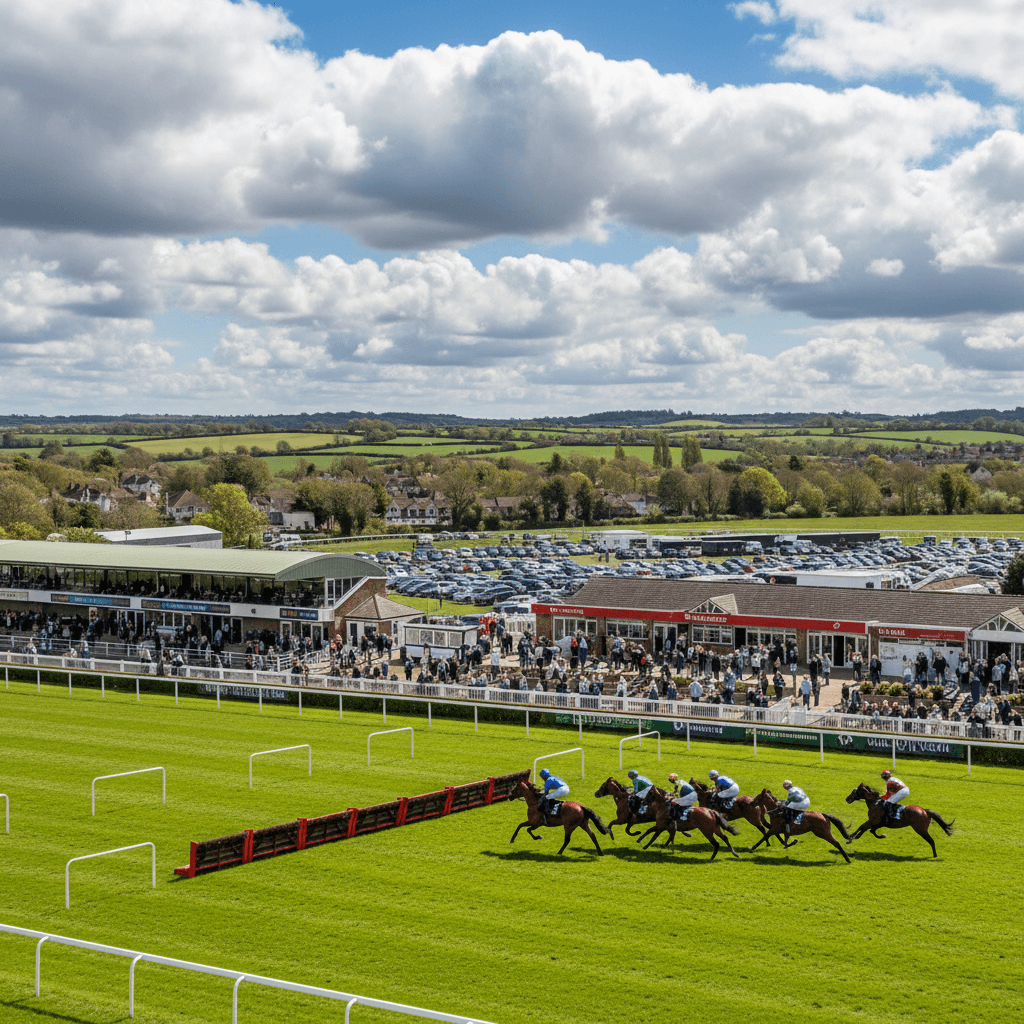
For those fortunate enough to attend this week's racing, Newton Abbot offers an experience that perfectly encapsulates what makes British racing so special—the opportunity to get close to the action, to witness the skill of both horses and jockeys at close quarters, and to enjoy racing in surroundings that have remained largely unchanged for generations. The intimate nature of the venue means that every race feels significant, every tactical move is visible, and the connection between spectator and sport remains beautifully immediate.
From a punting perspective, the consistency of the going across all three days provides an excellent opportunity to develop a feel for how races are likely to unfold, with early races on each card offering valuable clues about pace and tactics that can inform later selections. The quality of the racing, combined with competitive field sizes, ensures that there will be value to be found for those who take the time to study the form and understand what Newton Abbot demands of its competitors.
This week's three-day celebration of National Hunt racing reminds us that Newton Abbot's greatest strength lies not in hosting the sport's most prestigious contests, but in providing a stage where racing's fundamental qualities—courage, skill, and determination—can shine brightest, creating memories that will linger long after the final winner has passed the post.