The Fibresand Laboratory
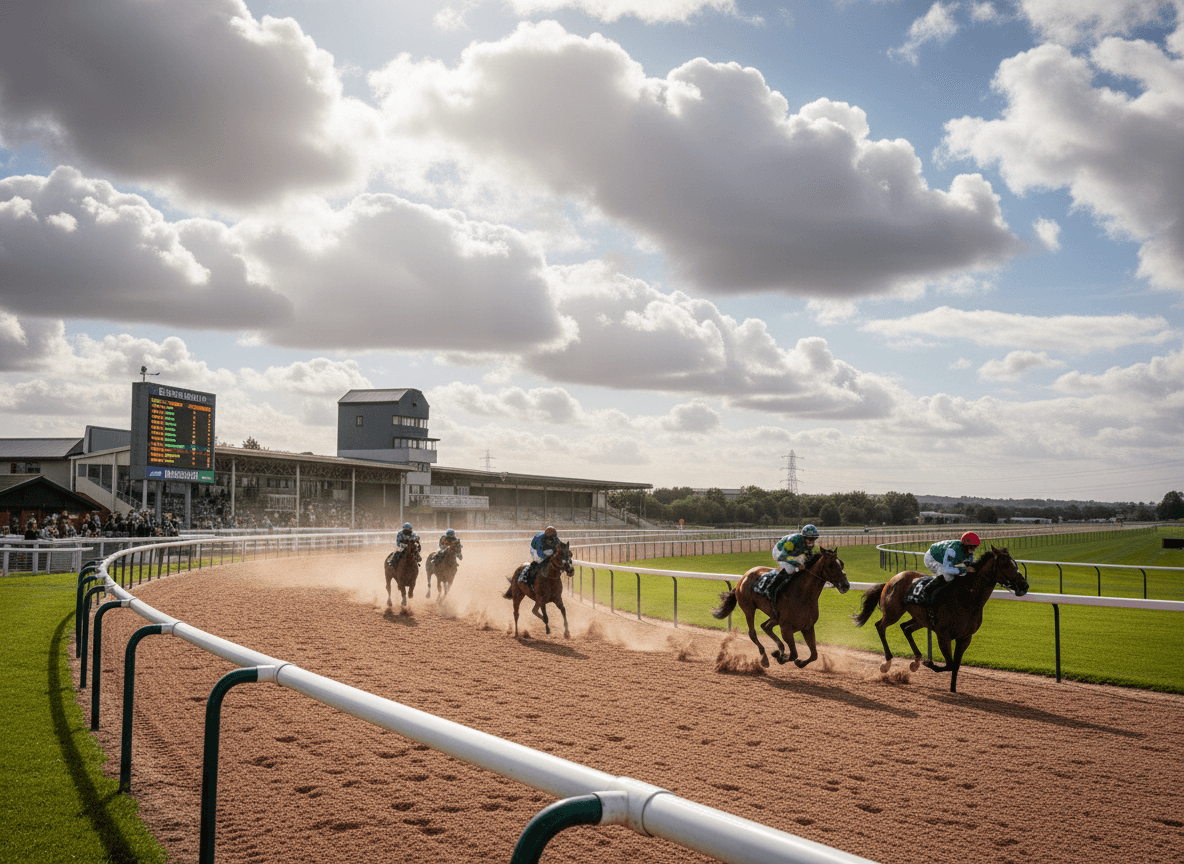
There is something almost alchemical about Southwell Racecourse, where the deep, golden Fibresand surface transforms ordinary horses into specialists and confounds the form book with delightful regularity. Since its installation in 1989, this synthetic strip has carved out a unique niche in British racing, creating its own ecosystem of trainers, jockeys, and horses who have mastered its particular demands.
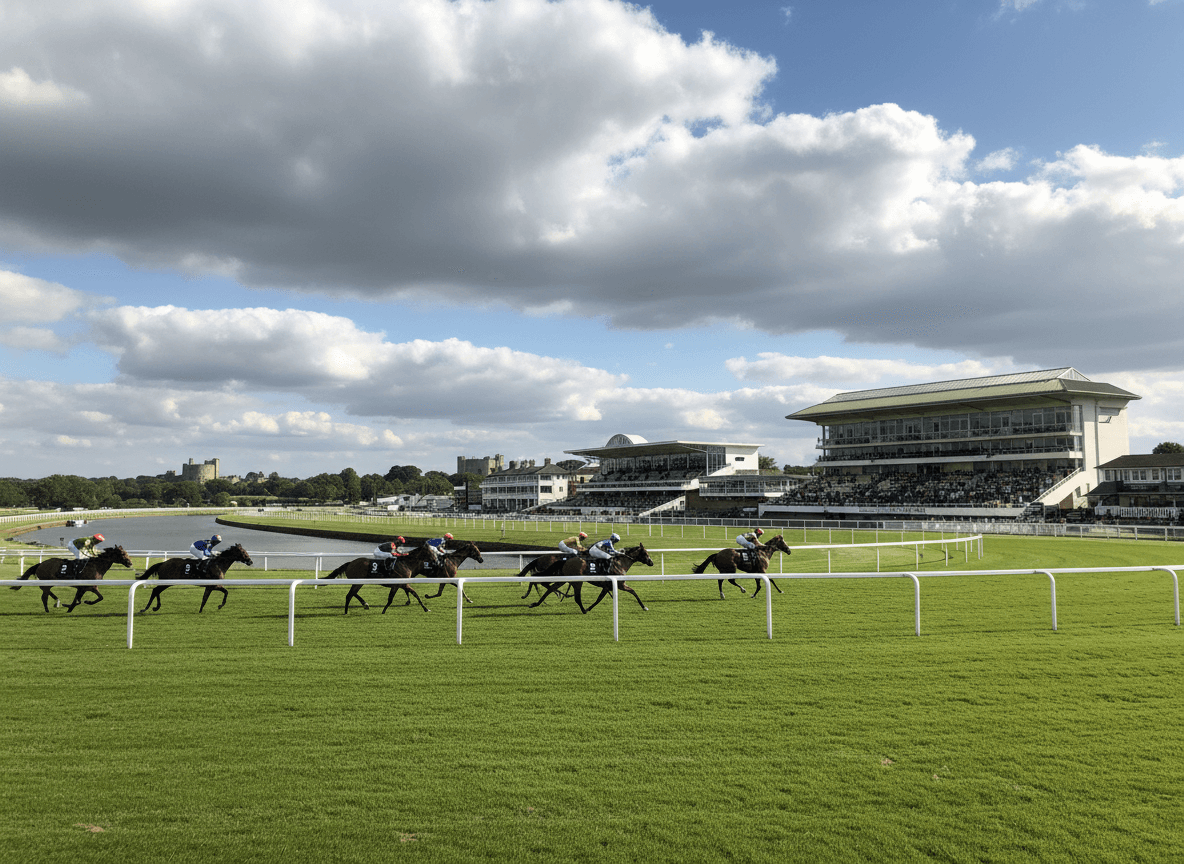
The track's 1m2f left-handed oval might appear straightforward on paper, but its tight configuration and distinctive surface create a racing laboratory unlike anywhere else in Britain. Where Lingfield's Polytrack rewards speed and Kempton's surface favours stamina, Southwell's Fibresand demands something more nuanced – a combination of tactical awareness, sure-footedness, and an almost feline ability to navigate the sharp turns that characterise this compact venue.
This Week's Programme
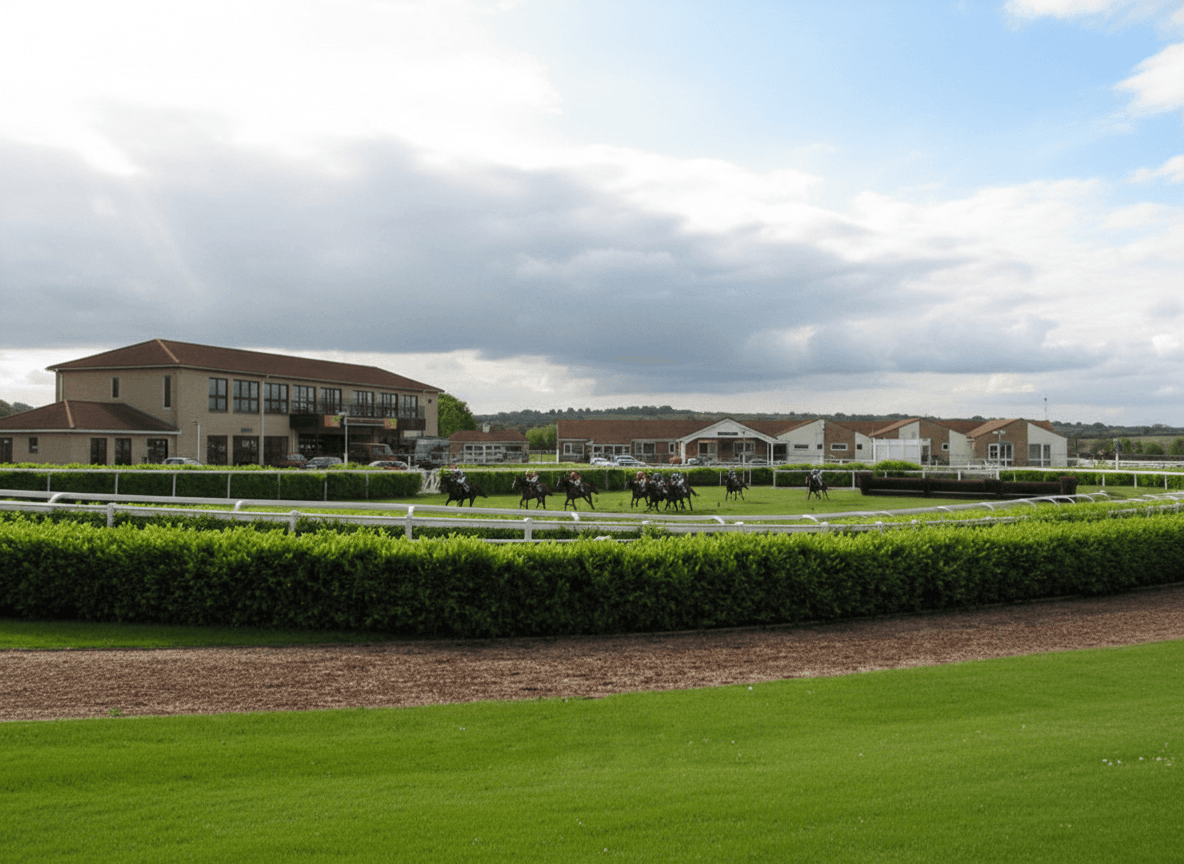
Wednesday's jump card presents six races over the turf track, with the going likely to reflect the changeable April weather that has characterised recent weeks. The afternoon session typically attracts a solid field of staying chasers and hurdlers, with trainers using these fixtures as stepping stones towards summer targets or as confidence-building exercises for horses returning from injury.
Thursday evening's flat fixture shifts attention to the famous Fibresand, where seven races will unfold under the floodlights. Evening meetings at Southwell possess their own particular atmosphere – the artificial surface gleaming under the lights, the intimate grandstand creating an almost theatrical setting for what often proves to be highly competitive racing.
The all-weather surface remains consistent regardless of weather conditions, though subtle variations in moisture content can affect the way horses travel. Recent dry conditions suggest the surface will be riding on the faster side of standard, favouring horses with natural pace over those who rely purely on stamina to grind out victories.
Reading the Fibresand
Southwell's track characteristics reward close study. The tight left-handed turns, particularly the bend into the home straight, create natural bottlenecks where position becomes paramount. Horses drawn low often enjoy an advantage, particularly in larger fields where traffic problems can develop quickly on the inside rail.
The run-in, at just over two furlongs, is deceptively short. What appears to be a commanding lead at the final bend can evaporate quickly, making tactical positioning crucial. Front-runners need to time their efforts carefully – go too early and the Fibresand's energy-sapping qualities will find you out; leave it too late and the abbreviated straight provides insufficient time to make up lost ground.
The surface itself favours horses with a low, economical action. High knee action that might prove effective on turf often struggles against the Fibresand's deeper consistency. Watch for horses who appear to glide rather than bound, those who maintain an even rhythm rather than showing dramatic changes of pace.
Draw Analysis
Statistical analysis reveals a clear bias towards low draws in fields of twelve or more, with stalls 1-4 producing winners at a rate approximately 15% above expectation. This advantage diminishes in smaller fields but remains present, particularly in sprint contests where early positioning proves decisive.
However, the draw bias interacts complexly with pace scenarios. In races lacking natural front-runners, higher-drawn horses can sometimes steal a march by taking the initiative, using their outside position to dictate terms before the field bunches into the home turn.
Southwell Specialists
Certain trainers have developed an almost mystical understanding of Southwell's requirements. Handlers who regularly target the venue often possess horses with specific physical attributes – compact, well-balanced types who can handle the turns without losing momentum. These horses might appear unremarkable on paper but possess the particular skillset that Southwell demands.
Look for horses with previous course experience, particularly those who have shown improvement with each visit. The Fibresand can be an acquired taste, and horses often need several runs to fully adapt to its unique demands. A horse finishing a promising third on debut here might well reverse form with rivals when returning with greater understanding of the track's requirements.
Jockeyship assumes heightened importance at Southwell. The tight turns punish overly aggressive riding, while the short straight demands precise timing. Riders who regularly feature at the venue develop an intuitive understanding of pace and positioning that proves invaluable. Watch for pilots who can secure an economical passage along the rail without becoming trapped behind tiring leaders.
Practical Considerations
For those attending in person, Southwell offers an intimate racing experience that larger venues cannot match. The compact layout means excellent viewing from most vantage points, while the all-weather surface ensures racing continues regardless of weather conditions that might cause abandonments elsewhere.
From a betting perspective, Southwell rewards patience and detailed form study. The smaller fields typical of all-weather racing mean each-way opportunities can be limited, but the track's specialist nature often produces value in horses whose abilities are perfectly suited to the venue's demands.
Pay particular attention to horses dropping in class or those making seasonal debuts for astute trainers. Southwell often serves as a gentle reintroduction for horses returning from breaks, and trainers skilled in placing their charges can find lucrative opportunities against less experienced opposition.
A Week of Opportunity
This week's dual programme showcases Southwell at its versatile best. Wednesday's jumps card offers the traditional pleasures of National Hunt racing, where stamina and jumping ability combine in honest, competitive contests. Thursday's evening flat racing provides a different kind of entertainment – tactical battles fought at high pace under the lights, where margins are tight and outcomes often decided by the finest of judgments.
Whether you're drawn by the puzzle-solving nature of Fibresand form or the honest endeavour of Nottinghamshire jump racing, Southwell this week promises the kind of authentic racing experience that reminds us why this unique venue occupies such a special place in the British racing calendar. In an era of increasing homogenisation, Southwell remains gloriously, distinctively itself.