
Course Conditions and Overview
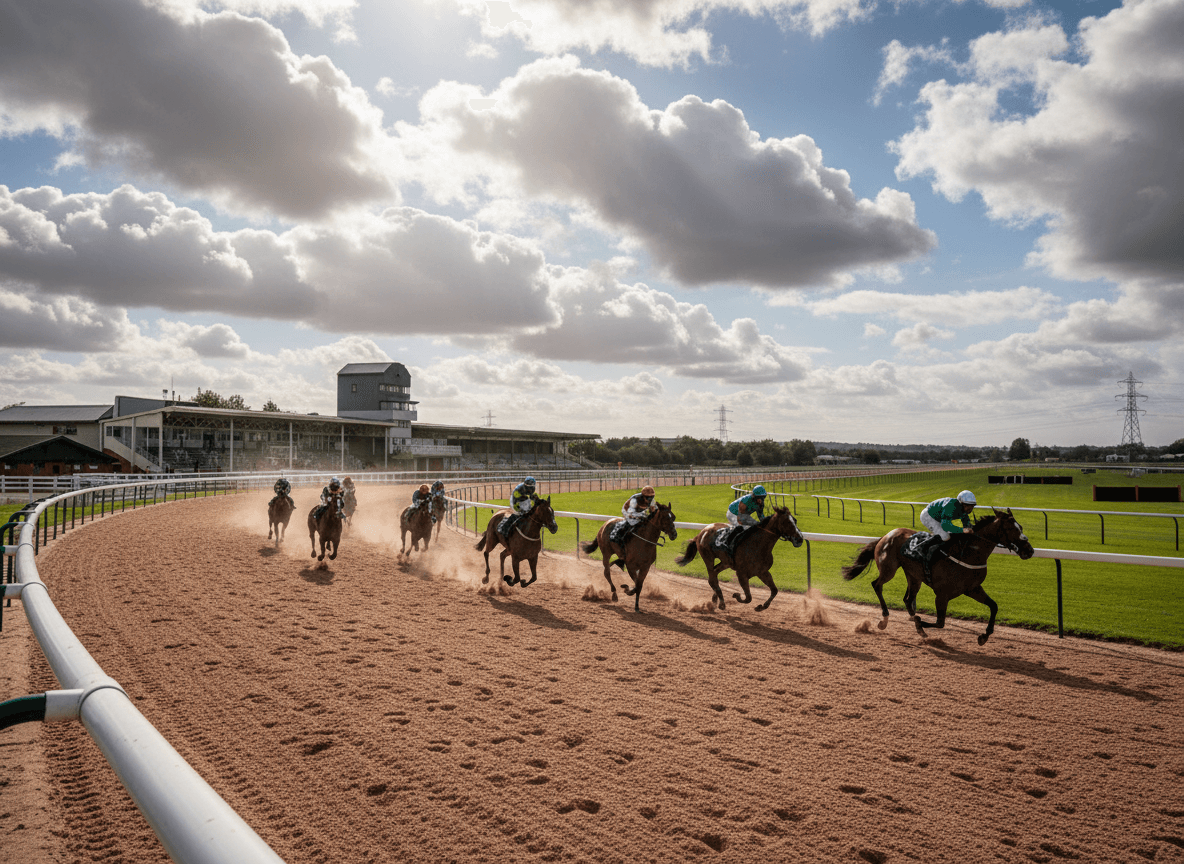
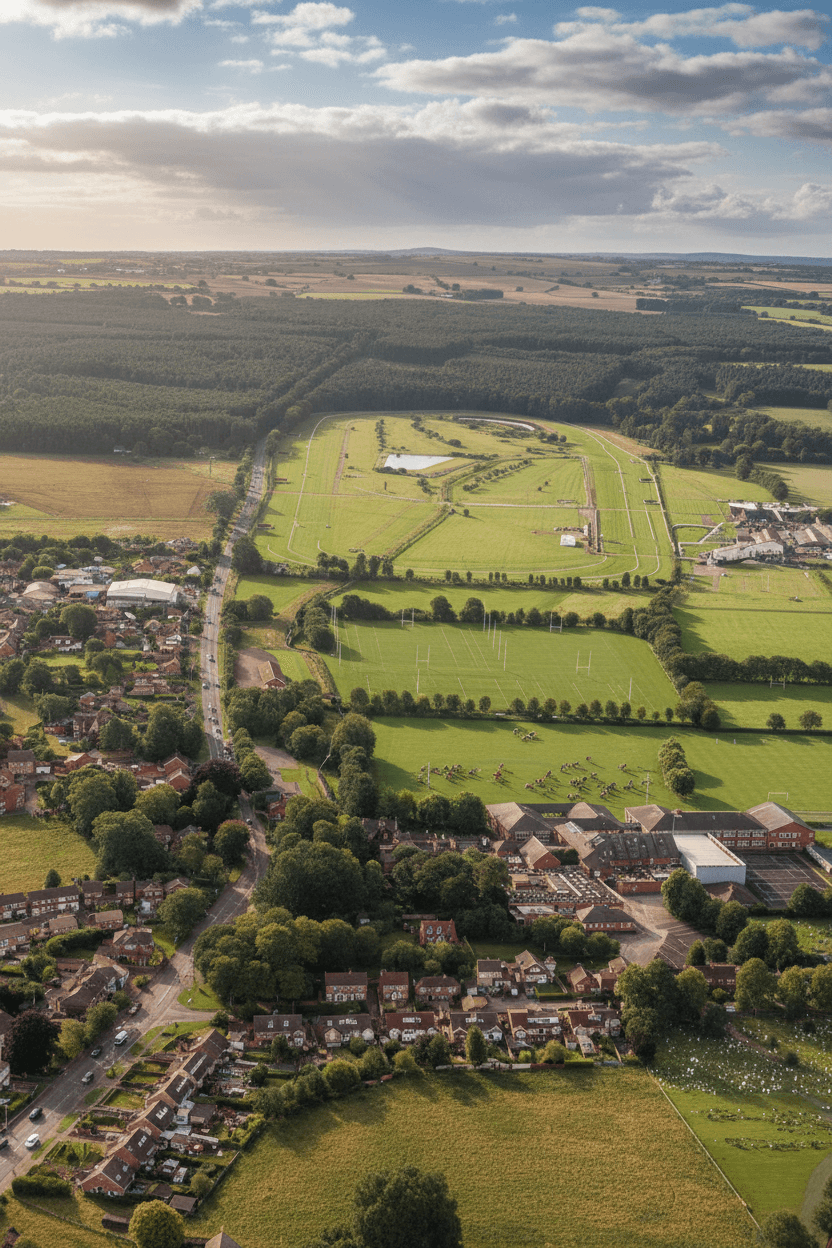
Monday evening's seven-race programme at Wincanton presents an intriguing blend of opportunity and challenge, with the going described as soft, good to soft in places. The Somerset track, more familiar to National Hunt enthusiasts during the winter months, transforms into a distinctly different proposition when hosting Flat racing on rain-softened turf.
The current ground conditions will prove particularly telling across the varied distances on offer, from the sharp five-furlong sprint that headlines the card to the extended mile-and-three-furlong test that concludes proceedings. With prize money ranging from £6,600 to £30,000, the Wincanton racecard offers competitive opportunities across the spectrum, though the absence of declared runners at this stage leaves us to examine the theoretical framework these races will provide.
The soft ground will inevitably favour those with proven form on yielding surfaces, while Wincanton's undulating topography adds another layer of complexity. The track's character rewards horses with stamina reserves, even over the shorter distances, as the testing conditions and course configuration demand sustained effort rather than pure speed.
Feature Race: The Fitzdares Sprint Series Handicap
The evening's centrepiece, the £30,000 Fitzdares Sprint Series Handicap Stakes over five furlongs and 21 yards, represents a significant prize for Class 2 company and serves as a qualifier for the prestigious Windsor Sprint Series. This race type traditionally attracts a competitive field, with the soft ground likely to separate the genuine performers from those dependent on faster surfaces.
The minimum trip at Wincanton, while still termed a sprint, takes on a different complexion when run on soft ground. The emphasis shifts from raw pace to tactical acumen and stamina, with jockeys required to judge their effort more carefully than they might on a conventional fast-ground sprint track. The slight uphill finish will further test resolve, making this less about pure speed and more about sustained power.
Connections targeting this valuable prize will need horses with demonstrable soft-ground form, ideally with previous experience of Wincanton's unique demands. The race's status as a series qualifier adds another dimension, with trainers potentially using this as a stepping stone to more lucrative summer prizes.
Navigating the Going
The prevailing soft conditions will prove decisive across the card, fundamentally altering the complexion of each contest. Horses bred for stamina will find themselves at a distinct advantage, while those dependent on quick ground may struggle to reproduce their best form.
The two-year-old fillies' contest over six furlongs becomes particularly intriguing in this context. Juvenile form on soft ground often provides reliable indicators for future staying ability, with those who handle the conditions showing early signs of the stamina that will serve them well over longer distances as they mature.
Similarly, the novice stakes over a mile and two furlongs will likely favour those with stamina-rich pedigrees. The combination of soft ground and Wincanton's testing finish creates a scenario where breeding for stamina becomes paramount, potentially allowing lesser-fancied runners with appropriate bloodlines to outperform more fashionable but speed-oriented rivals.
The handicap contests will see the weights take on added significance, with the soft ground effectively adding further pounds to each horse's burden. Those racing from out of the handicap or carrying penalties will find their task considerably more challenging than the bare formbook might suggest.
Tactical Considerations
Wincanton's configuration rewards tactical awareness, with the soft ground adding another strategic element. Early pace is likely to be more measured across the card, with jockeys reluctant to commit their mounts too early in the testing conditions.
The sprint handicap may paradoxically become more of a staying test, with the ability to quicken late proving more valuable than early pace. This could favour hold-up performers who can conserve energy for a sustained finish, rather than those dependent on making all or taking an early lead.
In the longer-distance contests, the emphasis on stamina becomes even more pronounced. The mile-and-three-furlong classified stakes will likely develop into a true test of staying power, with the soft ground and Wincanton's undulations combining to create a searching examination.
The presence of several novice contests adds another tactical dimension, with inexperienced horses potentially struggling to cope with both the ground conditions and the track's demands. Those with previous racecourse experience, particularly on similar ground, hold distinct advantages.
Evening's Outlook
Monday's Wincanton card presents a fascinating study in how ground conditions can transform the nature of Flat racing. The soft going will likely produce a different class of winner across each race, favouring stamina over speed and tactical acumen over raw pace.
The feature sprint handicap stands as the evening's most compelling contest, offering both significant prize money and series qualification. However, the supporting races provide equally intriguing puzzles, particularly the juvenile contests where soft-ground form often reveals future stars.
With the going unlikely to improve significantly before racing begins, connections will need to assess their charges' suitability for the conditions. Those with proven soft-ground performers will approach the evening with confidence, while others may choose discretion over valour.
The absence of declared runners at this stage leaves theoretical analysis as our guide, but the framework is clear: stamina will triumph over speed, and tactical awareness will prove as valuable as raw ability. Monday evening at Wincanton promises to reward those who understand that Flat racing's beauty lies not just in speed, but in the varied challenges that different conditions and courses present.