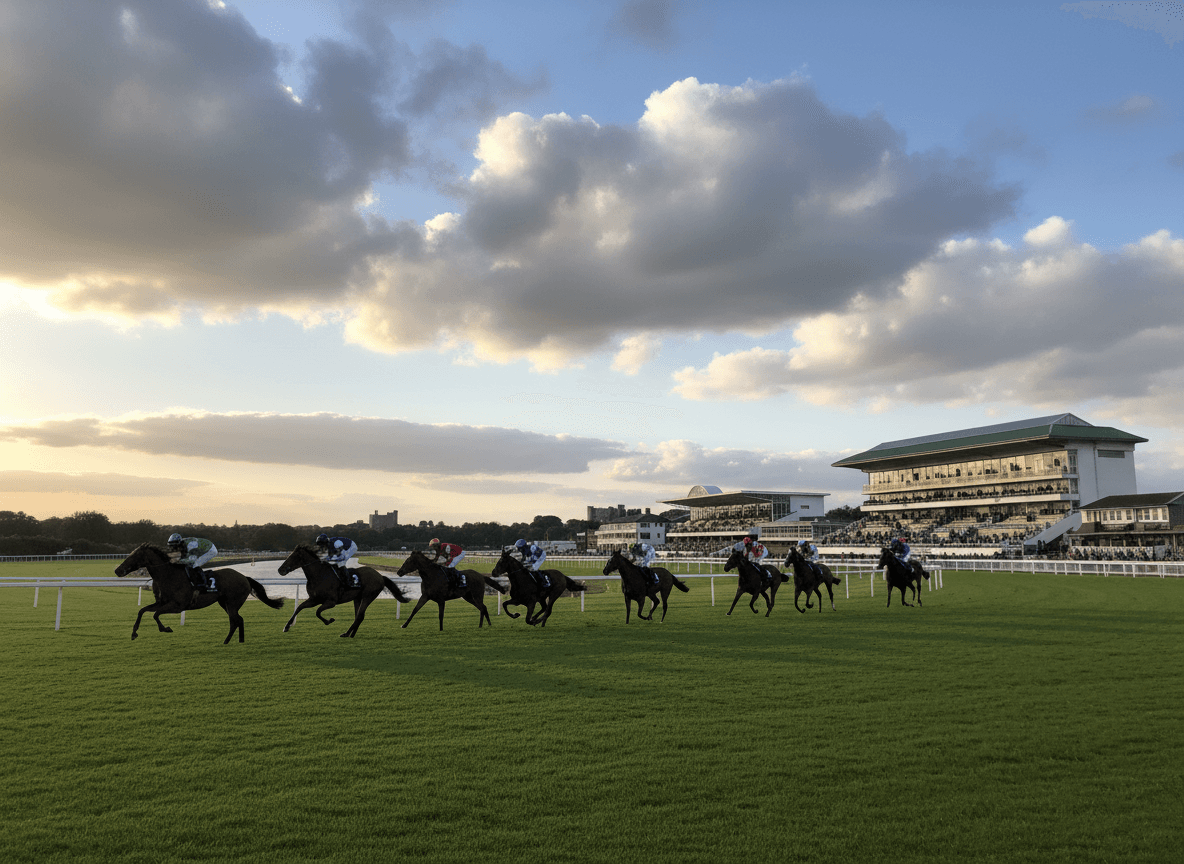
A Quiet Evening by the Thames
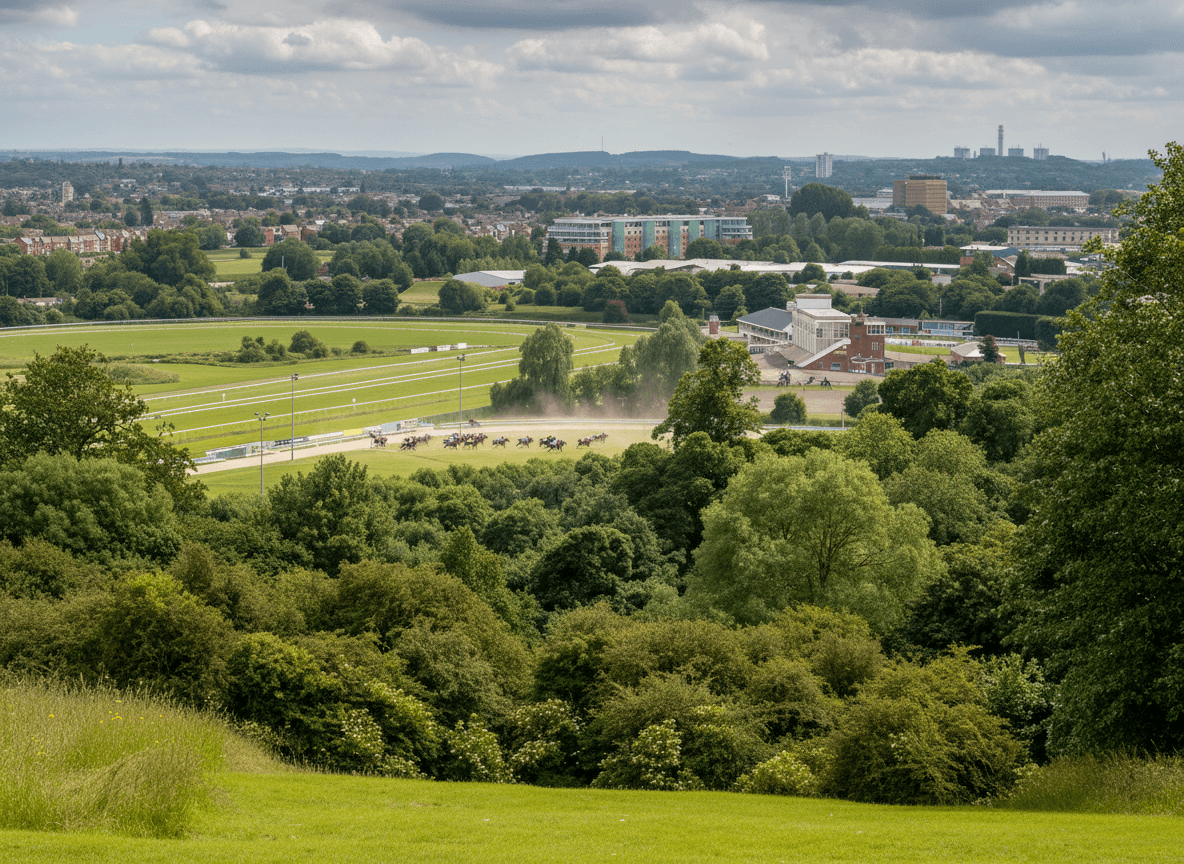
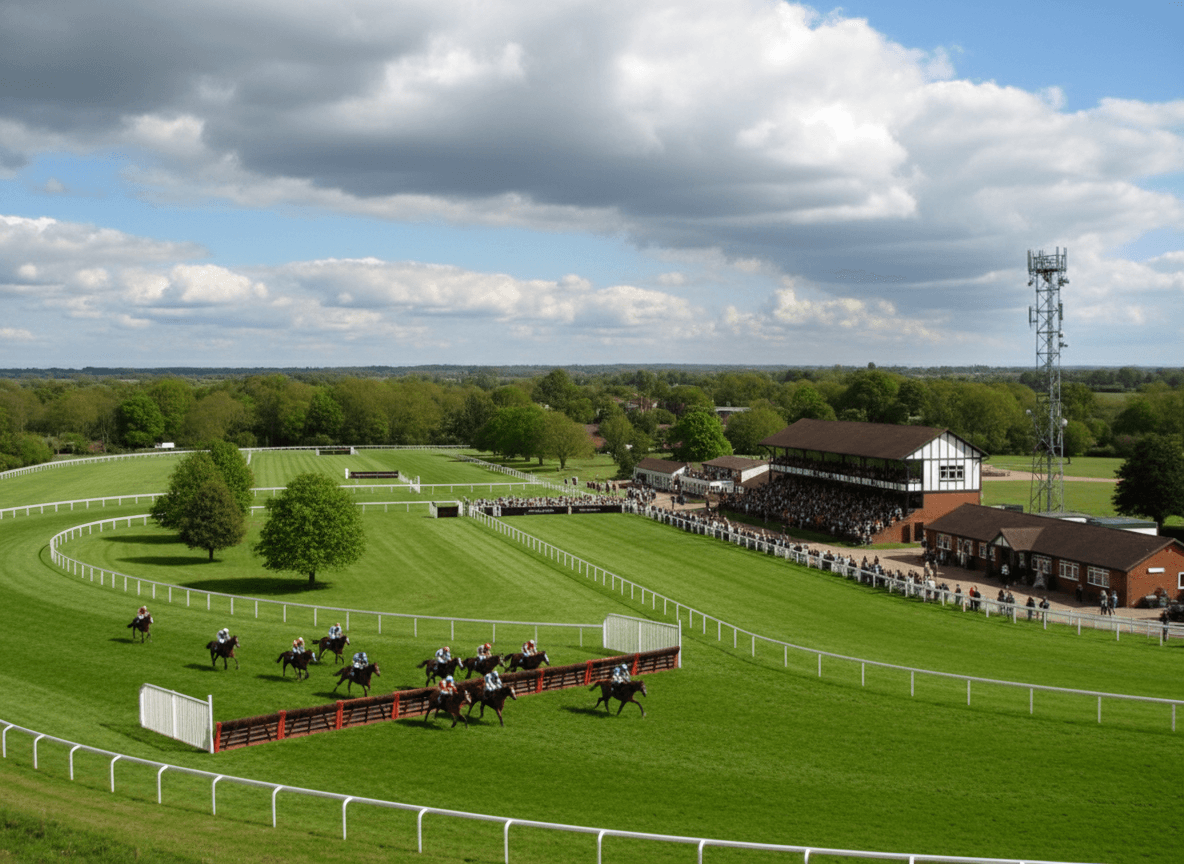
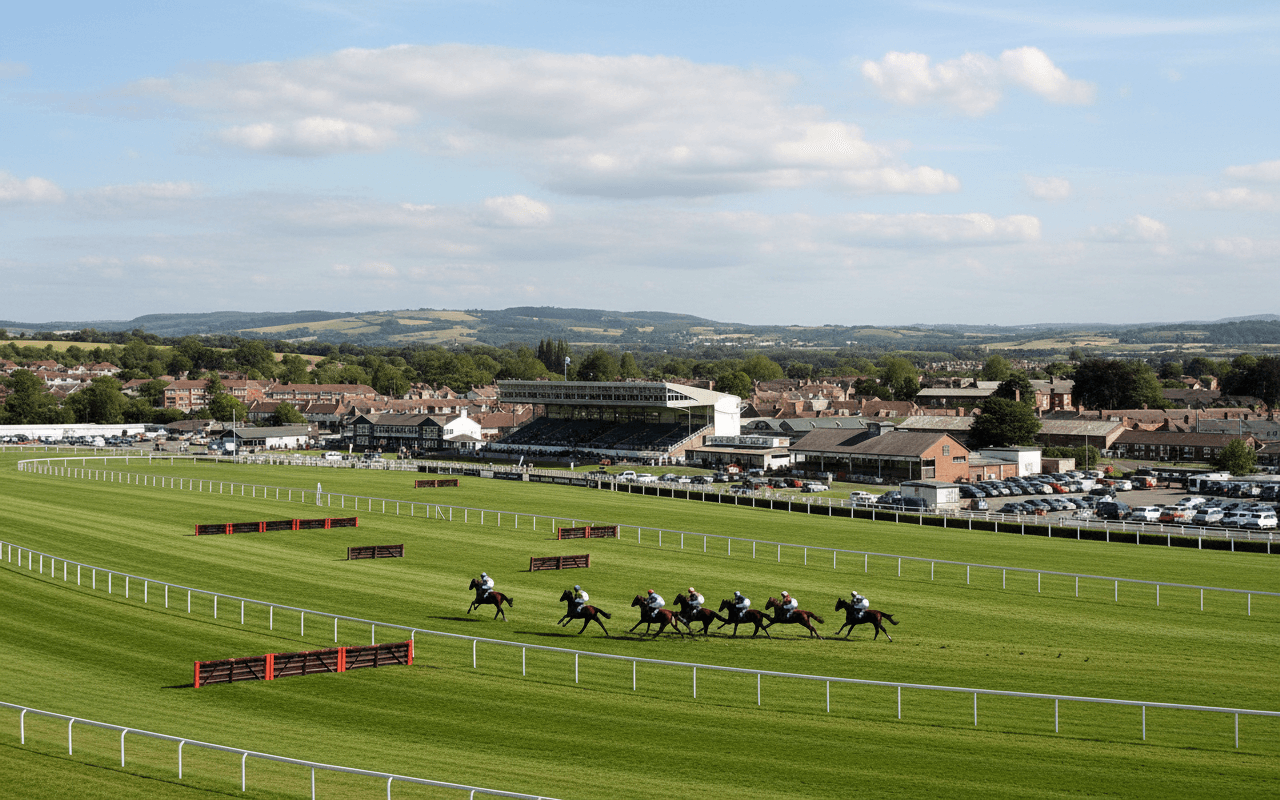
There's something rather poetic about an empty racecard at Windsor, the historic figure-of-eight track nestled beside the Thames in the shadow of the castle. While today's Windsor racecard shows seven races with zero declared runners, this presents us with an interesting opportunity to reflect on what makes this venue so special for both horses and connections when the fields do materialise.
The standard going conditions reported for this Monday evening card would have provided ideal circumstances for horses returning from winter breaks or those needing confidence-building runs. Windsor's unique layout, with its distinctive figure-of-eight configuration, demands a particular type of horse – one with balance, adaptability, and the mental fortitude to handle the track's undulations and sharp turns.
Understanding the Welfare Implications
When we see empty racecards like this, it's worth considering the positive welfare implications. Trainers are increasingly selective about when and where they run their horses, prioritising long-term soundness over short-term gains. The fact that connections have chosen not to declare runners today suggests a thoughtful approach to horse management – perhaps waiting for more suitable conditions, better-matched opposition, or simply allowing their charges more time to reach peak fitness.
Windsor's evening meetings are particularly valuable for younger horses making their debuts or those returning from injury. The atmosphere tends to be more relaxed than at the major tracks, with smaller crowds and less pressure on both horse and jockey. The standard going conditions that were forecast would have been perfect for such educational runs, offering good purchase without being too testing on legs that might still be finding their racing fitness.
The Track's Unique Character
Had runners been declared for today's seven-race programme, we would have seen a fascinating mix of distances and classes. The card was set to feature everything from the minimum trip of five furlongs and 21 yards up to the extended mile and a quarter, showcasing Windsor's versatility as a racing venue. The figure-of-eight layout means that horses racing over different distances encounter varying challenges – the shorter races utilise the track's straight sections more prominently, while the longer contests test a horse's ability to negotiate the crossover and handle the cambered turns.
The prize money on offer, ranging from £6,000 to £10,000, reflects Windsor's position as an excellent stepping stone for horses either moving up or down the grades. These are the sort of contests that can make or break a horse's confidence, and trainers know that a positive experience here can set up a horse for bigger targets later in the season.
Looking at the Bigger Picture
While we cannot analyse specific runners today, the structure of the intended card tells its own story about the current state of racing. The presence of amateur jockey races continues Windsor's tradition of providing opportunities for non-professional riders, something that adds both variety and educational value to the sport. These contests often produce some of the most competitive and entertaining racing, as the amateur riders bring their own unique styles and approaches to race-riding.
The inclusion of a fillies-only handicap was also noteworthy, as these races serve an important function in the racing ecosystem. They allow female horses to compete amongst their own sex, often producing different tactical scenarios and providing valuable opportunities for fillies who might struggle in mixed company. Such races are increasingly important as we better understand the different ways male and female horses develop and compete.
The Value of Patience
Perhaps the most important lesson from today's empty card is the value of patience in horse racing. The best trainers understand that rushing a horse back or running in unsuitable conditions rarely pays dividends in the long term. The welfare of the horse must always come first, and if that means waiting for the right opportunity, then so be it.
Windsor will undoubtedly see full fields again soon, and when it does, the track's unique characteristics will once again provide that perfect blend of challenge and opportunity that makes it such a valuable part of the racing calendar. The evening meetings here have launched countless careers and provided memorable moments for connections at all levels of the sport.
For those who follow racing closely, days like today serve as a reminder that behind every declaration, every non-runner, and every decision to wait for another day, there are real considerations about equine welfare, career management, and the long-term sustainability of our sport. In an era where racing faces increasing scrutiny, such thoughtful decision-making by trainers and owners should be celebrated rather than lamented.