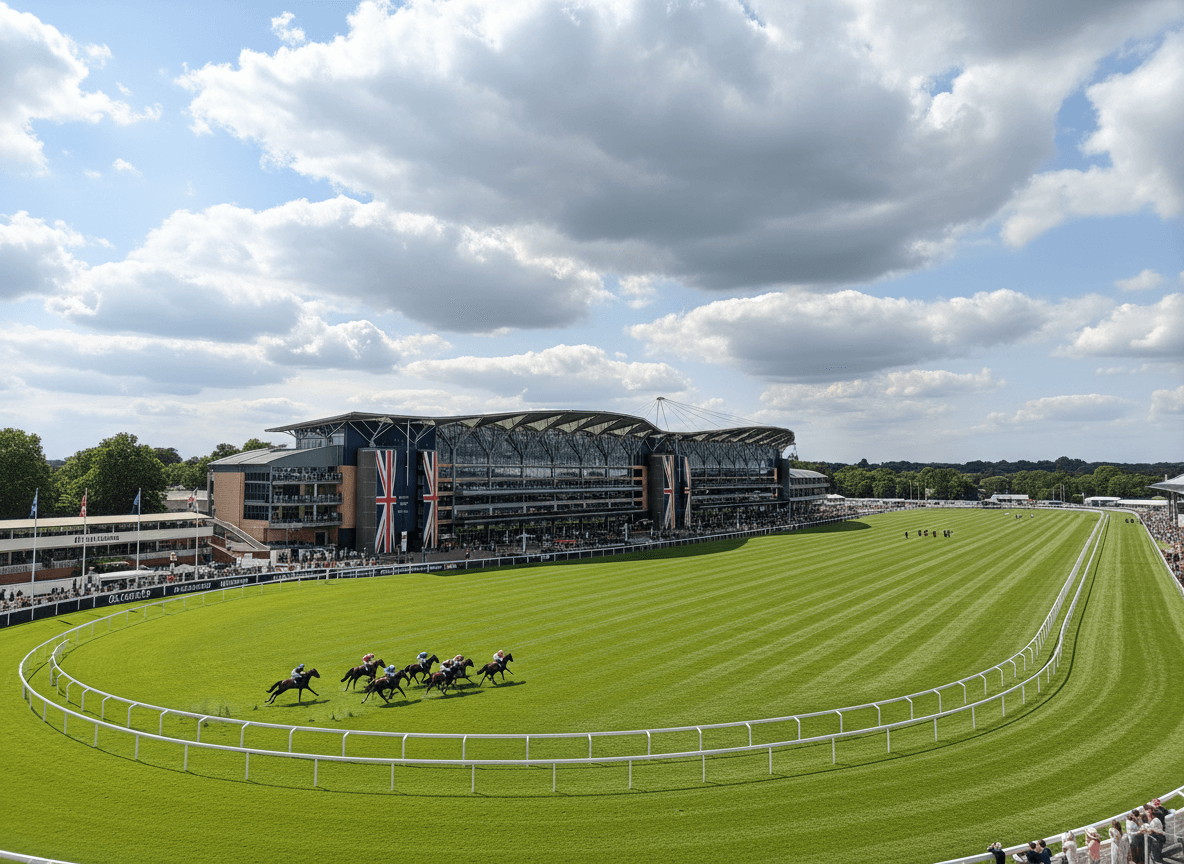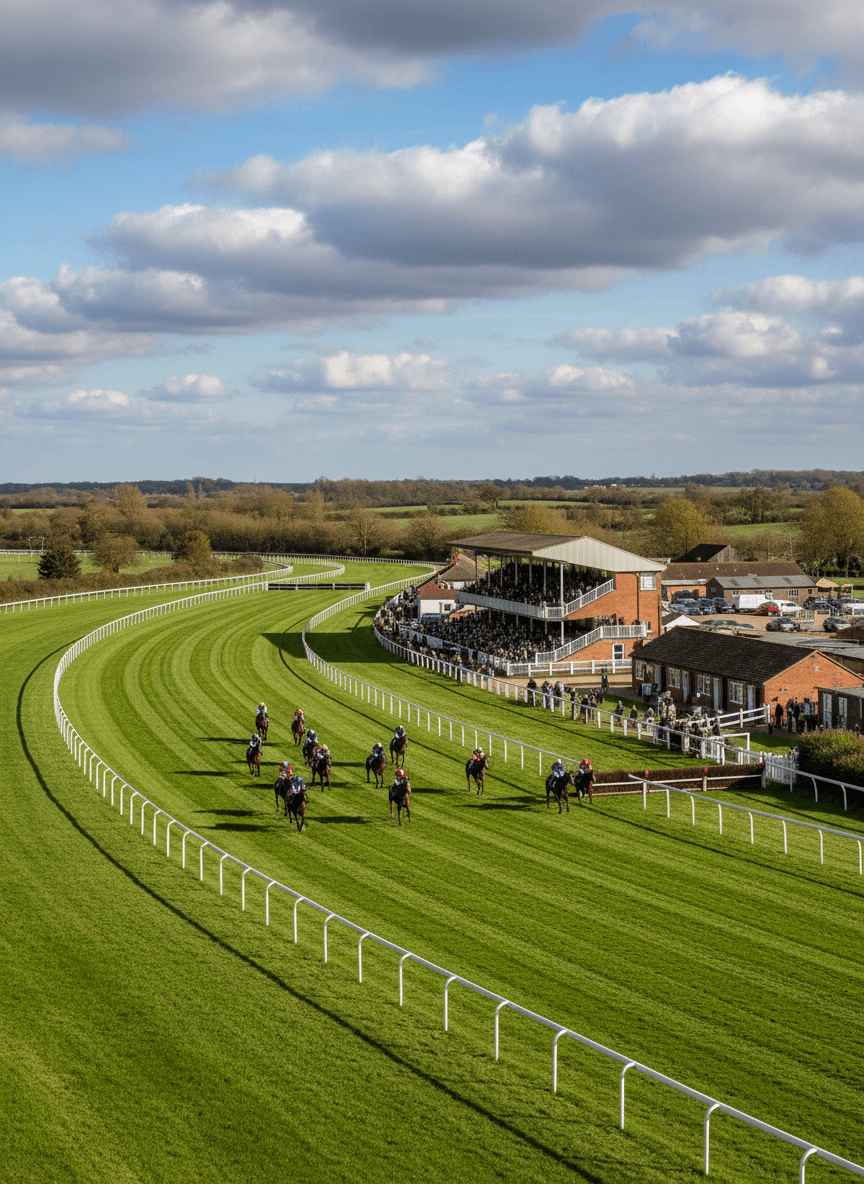
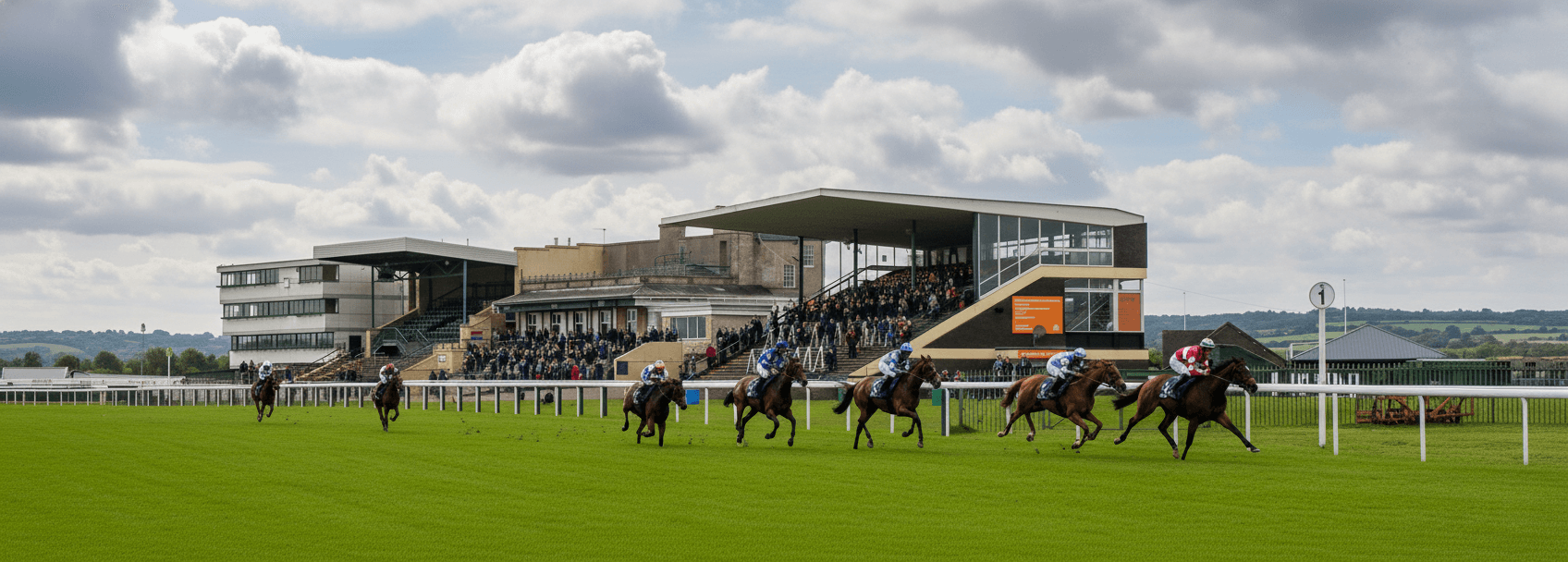
Somerset Sodden as Racing Seeks Sanctuary
The vagaries of British weather have once again reshuffled the racing deck, with Bath's Tuesday afternoon fixture falling victim to prolonged rainfall that has rendered the Somerset track unraceable. The BHA's inspection team, faced with conditions that have deteriorated beyond recovery, made the inevitable call to abandon, triggering the transfer of the six-race card to Lingfield's all-weather alternative.
This relocation transforms what would have been a gentle afternoon on Bath's undulating contours into an entirely different proposition on Lingfield's polytrack surface. The Bath racecard may remain structurally intact, but the tactical nuances that define each contest have been fundamentally altered by the change of venue.
The John Heal Memorial Takes Centre Stage
Among the six contests making the journey south, the John Heal Memorial Restricted Maiden Stakes emerges as the afternoon's feature, carrying both the highest prize fund at £8,000 and the distinction of Class 5 status. Originally scheduled for Bath's testing 6f 210y, this contest for three to five-year-olds in Bands C and D now faces the altogether different challenge of Lingfield's straight six furlongs.
The restricted nature of this GBB race creates an intriguing dynamic. With eligibility confined to horses rated in the lower bands, we're likely to witness a contest where improvement and potential matter more than established form. The polytrack surface, with its consistent pace-favouring characteristics, should suit those capable of sustaining their effort, rather than the more tactical runners who might have thrived on Bath's hill.
The memorial element adds poignancy to proceedings, honouring a figure clearly held in esteem within racing circles. Such occasions often produce performances that transcend the bare form figures, as connections seek to mark the day with distinction.
Distance Dynamics Disrupted
The transfer creates particular intrigue around the staying contest, originally Bath's 1m 3f 198y handicap now facing Lingfield's extended trip configuration. Bath's marathon distance, with its punishing climb and testing finish, rewards stamina above all else. Lingfield's polytrack equivalent, while still demanding of staying power, offers a more galloping test where tactical speed can prove decisive.
The shorter sprints undergo equally significant transformation. Bath's 5f 60y, a unique distance that combines raw speed with the need to handle the track's idiosyncrasies, becomes a more conventional sprint on Lingfield's level surface. Draw positions, so crucial at Bath where the rail often provides the shortest route up the hill, lose much of their significance on the all-weather track.
The 6f 210y contests, including the Brighton Summer Sprint Series qualifier, face perhaps the most dramatic recalibration. Bath's extended six furlongs, with that energy-sapping climb, traditionally favour horses with a turn of foot who can quicken when others tire. Lingfield's straight six demands sustained pace from the outset, potentially turning stamina horses into speed merchants and vice versa.
Surface Switch Considerations
The move from turf to polytrack represents more than mere geographical relocation. Horses who relish the give in soft ground will find Lingfield's consistent surface an entirely different proposition. Conversely, those who appreciate firm footing may discover unexpected improvement on the artificial surface.
The absence of runners listed in the current entries reflects the fluid nature of such transfers. Connections face difficult decisions: commit to a surface and trip combination that bears little resemblance to their original target, or withdraw and await more suitable opportunities. The economics of lower-grade racing mean many will make the journey, but the competitive landscape will inevitably shift.
Pace scenarios require complete recalculation. Bath's hill creates natural breaks in rhythm, allowing tactical riders to time their challenges with precision. Lingfield's more honest galloping track tends to reward those who can establish position early and sustain their effort, reducing the scope for dramatic late swoops.
Evening Opportunities
The late start times, beginning at 22:00, create an unusual evening atmosphere that may suit certain types. Horses who have shown reluctance to perform in afternoon heat might appreciate the cooler conditions, while those who thrive in bright sunshine could find themselves at a disadvantage.
The compressed timeframe between races, with contests following in quick succession, places additional pressure on connections managing multiple runners. The logistics of evening racing at Lingfield, while well-established, create different rhythms compared to Bath's more leisurely afternoon pace.
For punters, the evening slot offers the attraction of being the day's final meaningful action, with the potential for exotic bets across the six-race sequence. The handicap nature of five of the six contests suggests competitive affairs where small margins could prove decisive.
Verdict and Watch List
While the abandonment denies us the pleasure of Bath's unique challenges, Lingfield's polytrack provides a fair alternative that should produce competitive racing. The key lies in identifying those horses whose profiles suit the surface switch and the altered tactical demands.
Look particularly for runners with proven all-weather form, even if their turf records appear modest. The evening timing may also favour horses who have shown their best form in similar conditions. With no declared runners yet available, the focus must remain on monitoring late declarations and any market moves that might indicate stable confidence in the changed circumstances.
The John Heal Memorial stands as the afternoon's most intriguing puzzle, offering the best prize and most open competitive landscape. In the absence of established form horses, this becomes a race where breeding, recent work, and stable confidence could prove more revealing than traditional form analysis.