Welfare First: Bath Abandonment Shows Racing's Responsible Approach
Sometimes the most important racing stories are about the races that don't take place. Today's abandonment at Bath serves as a powerful reminder of how seriously British racing takes equine welfare, with the BHA Inspector supporting the decision to transfer the entire seven-race card to Yarmouth following the discovery of localised track damage that could compromise horse and jockey safety.
The decision to abandon more than 72 hours in advance demonstrates the thoroughness of track inspections and the unwavering commitment to safety that underpins modern racing. While disappointing for connections who had targeted the Bath fixture, this proactive approach exemplifies the sport's evolution towards ever-higher welfare standards, ensuring that no horse or rider is exposed to unnecessary risk.
Understanding the Decision-Making Process
The involvement of a BHA Inspector in supporting the abandonment decision highlights the rigorous protocols now in place across British racing. Track damage, whether caused by weather conditions, maintenance issues, or natural wear, is assessed not just by course officials but by independent experts who can objectively evaluate safety concerns without the commercial pressures that might influence local decision-making.
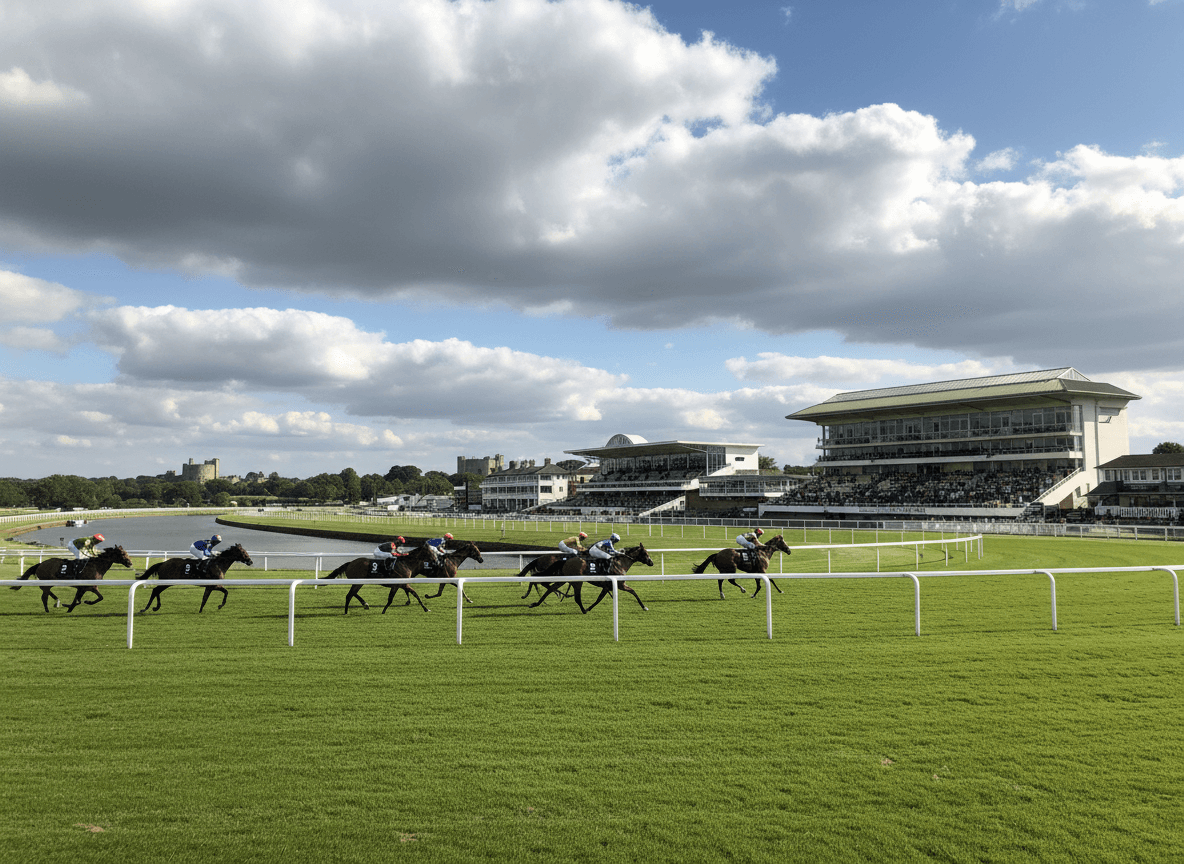
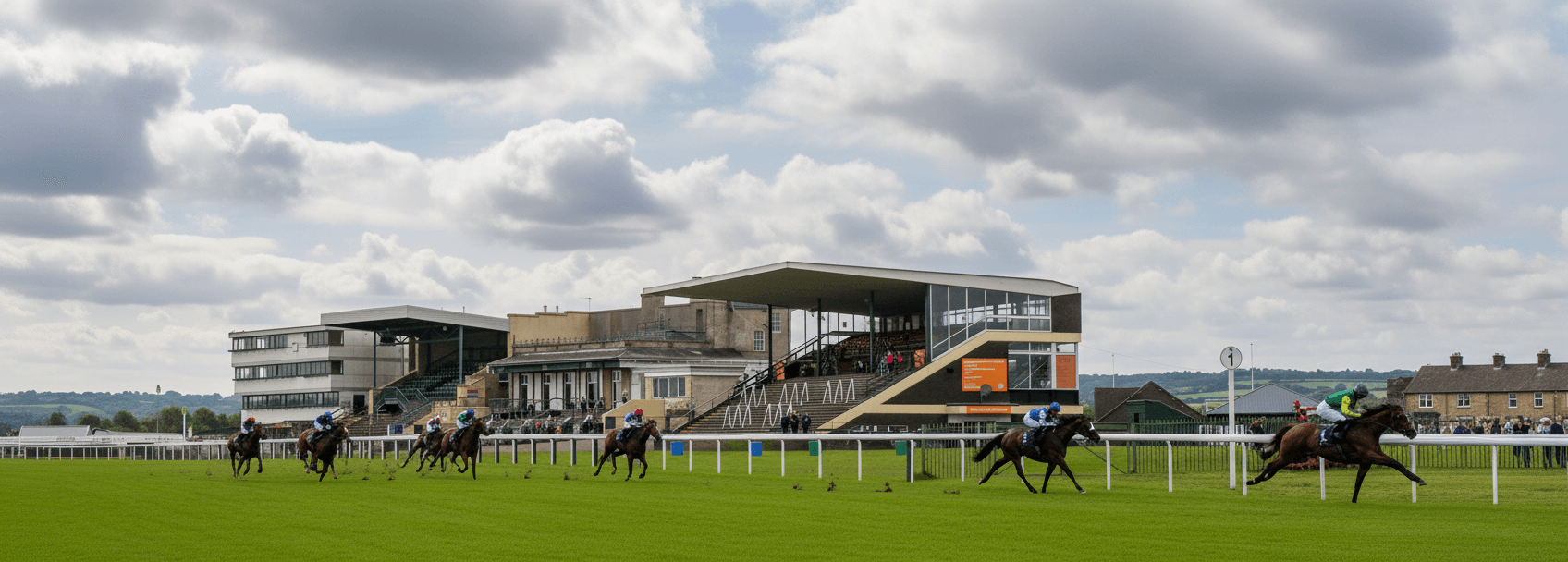
Bath's picturesque Somerset venue, with its undulating track and challenging cambers, requires particularly careful maintenance to ensure safe racing conditions. The course's unique characteristics, including sharp turns and varying gradients, mean that any surface irregularities could pose significant risks, particularly on the faster sprint distances that feature prominently in today's abandoned programme.
The decision to enable track recovery rather than attempt a quick fix demonstrates long-term thinking that prioritises the venue's future racing calendar over short-term convenience. This approach protects not only today's potential participants but ensures that Bath can continue to provide safe, fair racing for the remainder of the season.
Yarmouth Steps Up: The Fixture Transfer
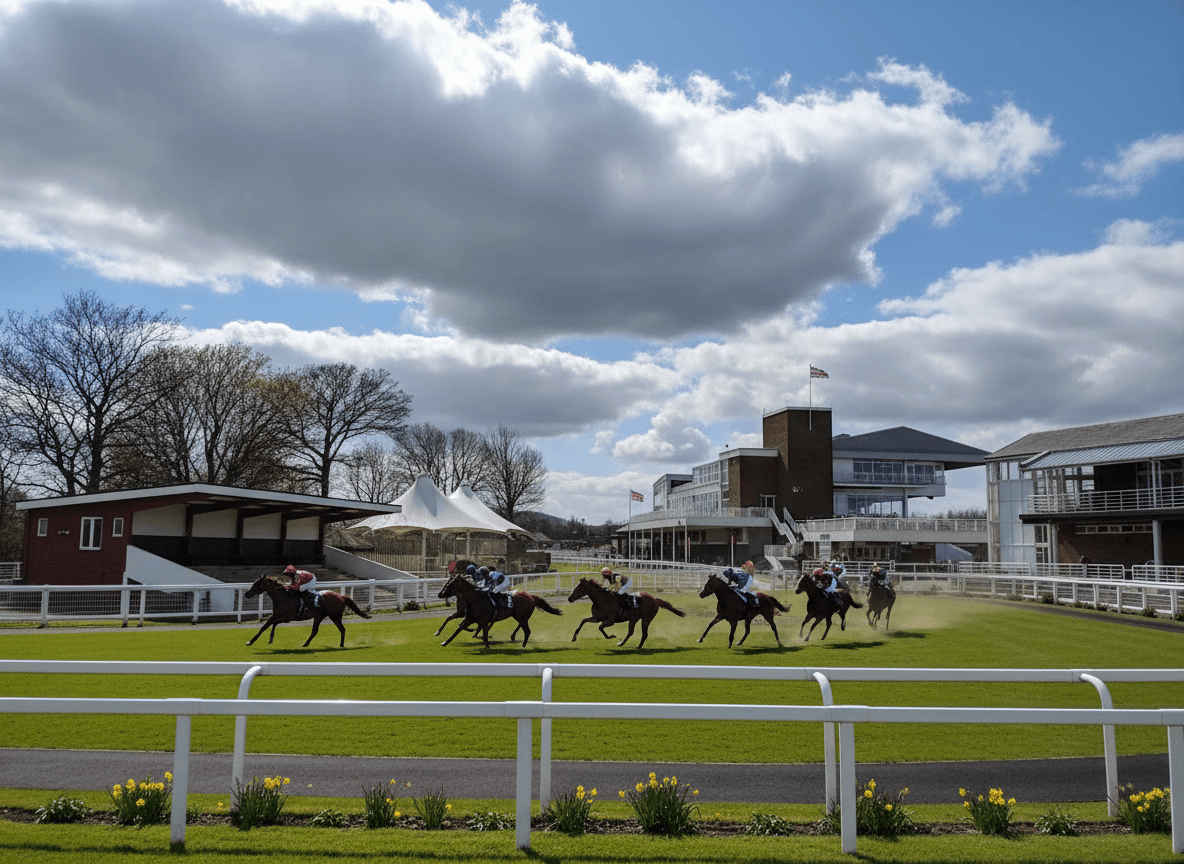
The successful transfer of racing to Yarmouth showcases the flexibility and cooperation that exists within British racing's infrastructure. While the Norfolk venue presents different challenges and characteristics compared to Bath's hillside track, Yarmouth's flat, galloping course offers a safe alternative that can accommodate the range of distances originally scheduled for Somerset.
For connections who had specifically targeted Bath's unique track characteristics, the transfer requires tactical recalibration. Horses that excel on Bath's sharp turns and undulations may find Yarmouth's more conventional layout less suitable, while others could benefit from the change of venue. Trainers will need to quickly reassess their runners' chances based on Yarmouth form and course preferences.
The timing of the abandonment, more than 72 hours before the scheduled first race, provides adequate notice for all participants to make informed decisions about whether to travel to the alternative venue. This consideration for the practical challenges faced by trainers, jockeys, and owners reflects racing's understanding that welfare extends beyond the horses to encompass the entire racing community.
The Broader Welfare Context
This abandonment sits within a broader context of racing's enhanced focus on welfare considerations. The sport has invested heavily in track safety technology, veterinary support, and risk assessment protocols, creating multiple layers of protection that sometimes result in disappointing but necessary cancellations.
The original Bath racecard featured a diverse programme ranging from Class 6 handicaps to a valuable Class 3 fillies' event worth £25,000, representing significant opportunities for horses across the ability spectrum. The fact that racing authorities were willing to abandon such a commercially important fixture underscores their commitment to safety over profit.
Modern track maintenance involves sophisticated monitoring systems that can detect surface irregularities before they become visible to the naked eye. Ground-penetrating radar, moisture sensors, and regular core sampling provide detailed information about track conditions, enabling proactive maintenance that prevents problems rather than simply reacting to them.
Looking Forward: Lessons and Recovery
Bath's commitment to proper track recovery rather than hasty repairs sets a positive precedent for the industry. The course's management will undoubtedly use this opportunity to not only address the immediate damage but to implement any necessary improvements to prevent similar issues in the future.
The localised nature of the damage suggests that targeted repairs may be sufficient, but the decision to allow adequate recovery time demonstrates patience and professionalism that serves the long-term interests of the sport. Bath's return to racing will be all the more welcome for knowing that no corners have been cut in ensuring optimal safety standards.
For the racing community, today's abandonment serves as a reminder of the unpredictable nature of the sport and the importance of maintaining flexible approaches to race planning. While disappointing in the short term, decisions like this build confidence in racing's regulatory framework and demonstrate the sport's maturity in handling safety challenges.
Conclusion: Safety Above All
While racing fans will be disappointed to miss Bath's unique brand of entertainment today, the abandonment represents British racing at its most responsible. The swift decision-making, transparent communication, and successful fixture transfer demonstrate a sport that has learned to balance commercial considerations with unwavering safety standards.
The involvement of BHA Inspectors, the adequate notice period, and the successful venue transfer all contribute to a positive outcome from a challenging situation. As Bath works to address the track damage and return to racing, today's abandonment will be remembered not as a failure but as an example of racing putting welfare first, ensuring that when horses do return to Somerset, they can compete in the safest possible conditions.