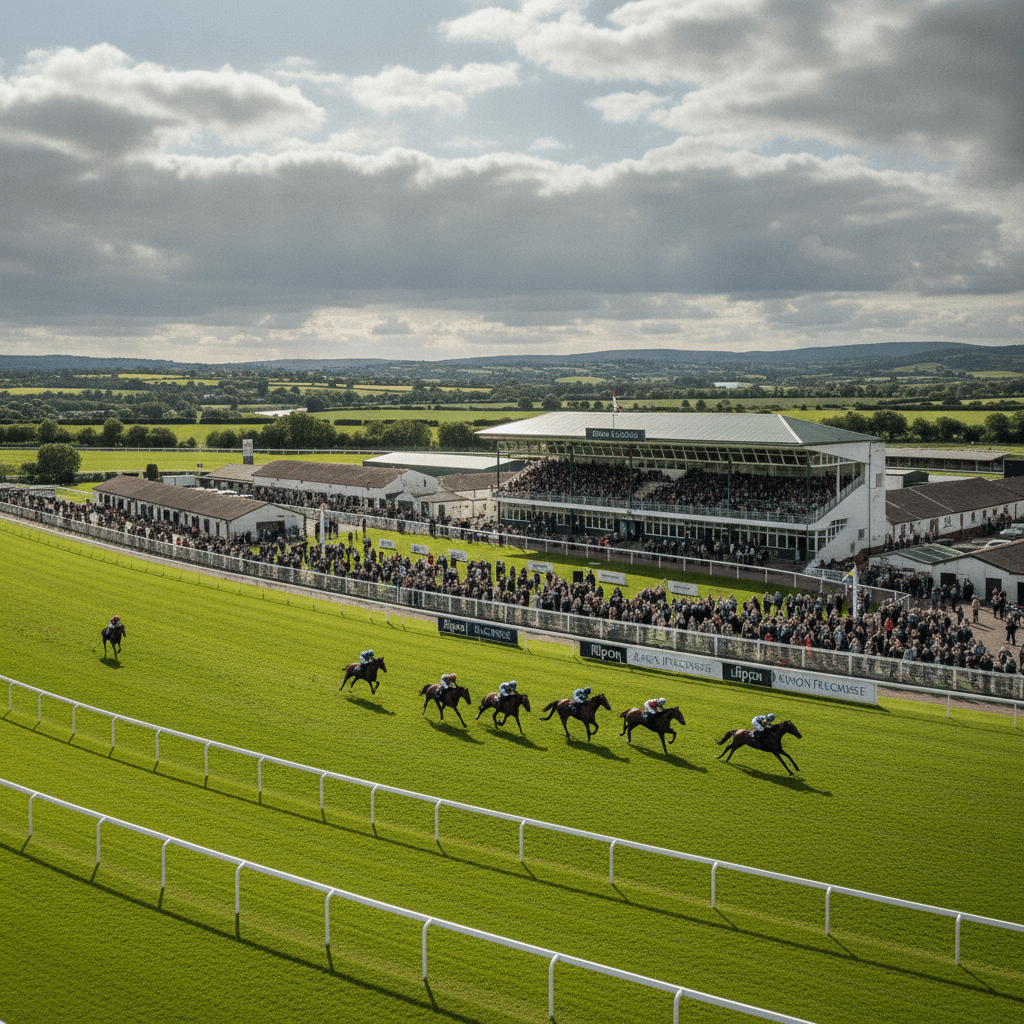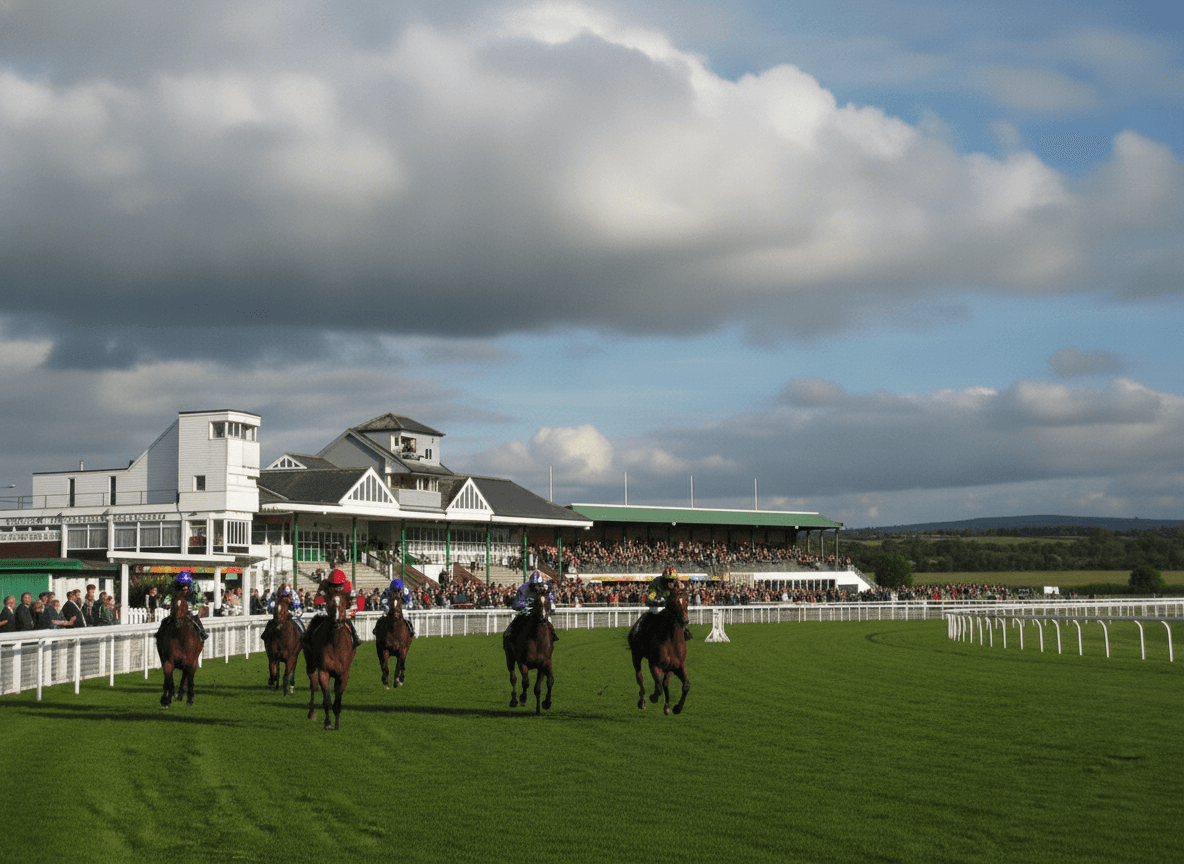

Course Conditions and Overview
Monday afternoon's six-race programme at Beverley presents the kind of varied card that makes this East Yorkshire venue such a compelling puzzle for punters. With distances ranging from the minimum trip of five furlongs and 182 yards to the stamina-sapping mile and six furlongs, the going declaration will prove crucial in shaping both the tactical picture and our selections.
The absence of runners at time of writing suggests we're still in the early stages of declarations, but the structure of the card—three handicaps over sprint distances, two middle-distance affairs, and an opening juvenile maiden—hints at the kind of competitive Monday fare that often rewards careful analysis over headline grabbing.
Beverley's unique topography, with its undulating straight and the notorious camber that can catch the unwary, means course form carries particular weight. The track's tendency to favour those who can handle the gradients and navigate the turn into the home straight with purpose makes experience here a valuable commodity, especially when the going moves away from the ideal.
Feature Race Focus: The Racing TV Restricted Maiden Stakes
The opening contest, carrying the highest prize money at £10,000, represents the card's feature event despite its modest Class 4 status. Restricted to horses in Band D, this juvenile maiden over the sharp five furlongs and 182 yards will likely set the tone for the afternoon's proceedings.
Two-year-old maidens at Beverley require a particular blend of natural speed and tactical awareness. The track's configuration means that while early pace is essential, the ability to quicken again after navigating the bend separates the promising from the pedestrian. The GBB Race status adds an extra layer of intrigue, suggesting connections are taking this seriously as a stepping stone to better things.
Without declared runners to analyse, we must wait for the Beverley racecard to reveal the quality on show, but experience suggests that trainers often use this type of contest to introduce promising sorts who may have shown ability at home without quite having the scope for Group company.
Sprint Handicap Analysis
The programme features three handicaps over sprint distances—two at six furlongs and 195 yards, and one at the minimum trip. This clustering suggests the going may be riding on the faster side, as trainers typically avoid committing sprint handicappers to testing ground where stamina becomes a more significant factor than pure speed.
The 14:45 Class 6 handicap over five furlongs and 182 yards opens proceedings for the older horses, and this type of contest often produces the most competitive betting of the day. Beverley's short straight means that draw and early positioning become critical factors, with high numbers traditionally holding a slight advantage on the sprint course when the ground is riding true.
The two contests over six furlongs and 195 yards—one restricted to fillies—will likely provide the afternoon's most tactical affairs. This distance at Beverley allows for more varied approaches, with hold-up horses capable of making their presence felt if the early pace is genuine. The fillies' handicap, in particular, often rewards those with recent course experience, as the unique demands of the track can catch newcomers unaware.
Staying Power: The Extended Distance Test
The 15:20 handicap over a mile and six furlongs stands as the afternoon's stamina test, and represents something of a rarity in the modern Beverley programme. This distance places different demands on both horse and jockey, with the extended trip meaning that early positioning becomes less critical than the ability to stay the journey strongly.
Beverley's staying races often develop into searching tests of stamina, particularly if the going has any give in it. The undulating nature of the track means that horses must be able to quicken more than once during the race, and those with proven course form over similar distances hold a significant advantage.
The Class 5 status suggests we're dealing with horses of moderate ability rather than potential stars, but this type of contest often provides excellent value for those prepared to delve into the form figures and identify improvers stepping up in trip.
Going Conditions and Their Impact
The absence of a going declaration at this stage leaves a crucial piece of the puzzle missing, but Beverley's excellent drainage means that even after recent rainfall, the surface rarely deteriorates to the extent that completely reshapes the form book. However, any significant change from good ground would have profound implications for our approach.
On faster ground, the sprint handicaps become exercises in pure speed, with draw bias potentially coming into play and early pace proving decisive. The longer distance events, conversely, may see more tactical racing with hold-up horses coming into their own.
Should the going ease significantly, we would expect to see a shift towards horses with proven form on softer surfaces, and the staying handicap would likely become a more searching test of stamina. The juvenile maiden, being over the minimum trip, would probably be least affected by ground conditions.
Ones to Watch
Without specific runners to analyse, the approach must focus on identifying the types likely to prosper. Course winners over corresponding distances will hold obvious appeal, particularly in the handicap events where Beverley's unique characteristics can prove decisive.
In the juvenile maiden, any runner with previous racecourse experience will hold an advantage over newcomers, while those from yards with strong records with two-year-olds at the track deserve particular respect. The sprint handicaps will likely reward those with recent form over similar distances, especially if they've shown the ability to quicken when asked.
For the staying handicap, recent evidence of stamina will prove crucial, with particular attention paid to any runner stepping back up in trip after disappointing efforts over shorter distances. The fillies' handicap often rewards those dropping back from stronger company, making class relief a key angle to explore.
As declarations firm up and the going is announced, a clearer picture will emerge, but Monday's Beverley card promises the kind of competitive racing that rewards careful analysis and patient punting over flashy selections and confident predictions.