
Evening Flat Action Returns to Somerset
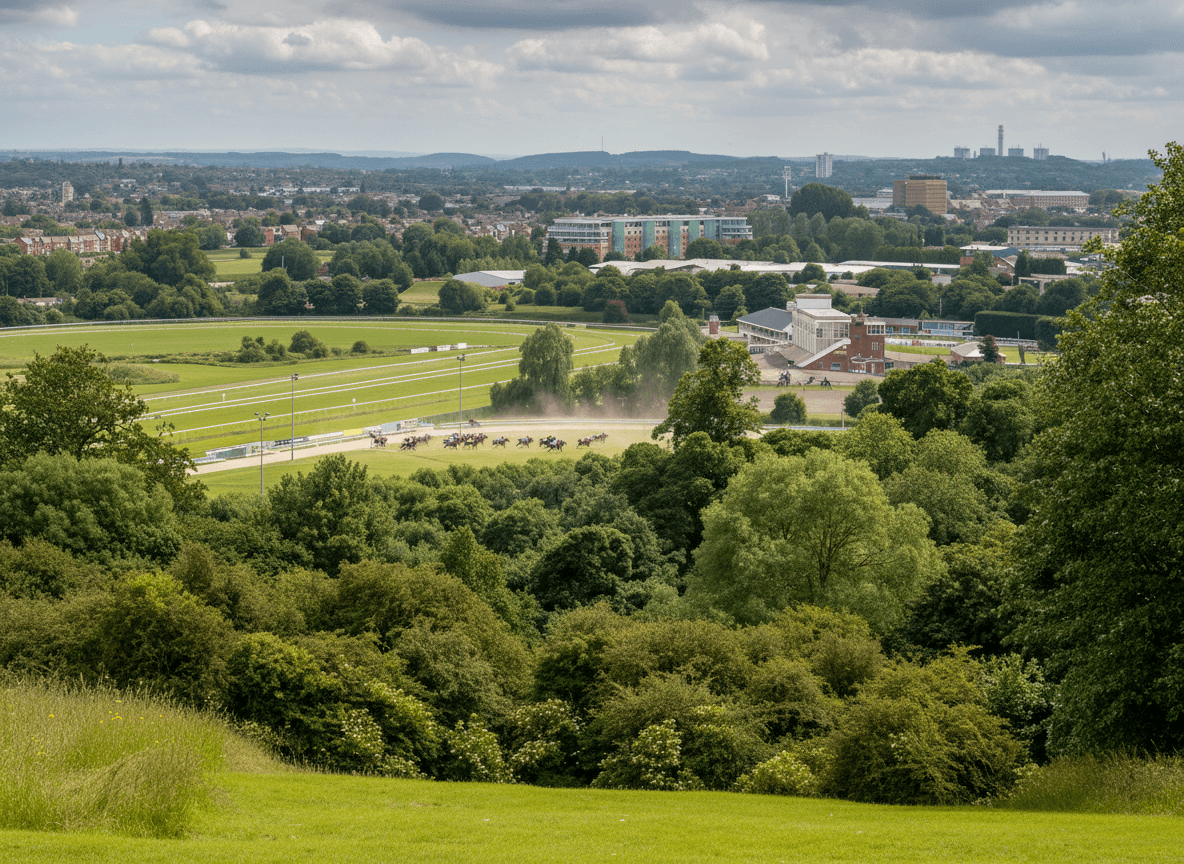
Monday evening brings a welcome return to flat racing at Wincanton, where the Somerset venue's well-maintained track will host six races spanning the spectrum from promising juveniles to seasoned handicappers. While the going has yet to be declared, the recent settled weather suggests we can expect conditions that will favour those with proven form on good ground, though the course's excellent drainage system ensures racing can proceed safely regardless of any late changes to the forecast.
The evening's programme showcases the breadth of British flat racing, from the opening EBF Restricted Maiden Stakes for two-year-olds through to the extended mile-and-three-furlong finale. What strikes me most about this card is the careful consideration given to prize money distribution across the classes, ensuring that connections at every level have meaningful incentives while maintaining the sport's competitive integrity.
Feature Race: The Fitzdares Sprint Series Qualifier
The evening's centrepiece arrives at 19:00 with the Fitzdares Sprint Series Qualifier, a Class 3 handicap over six furlongs and twelve yards that carries £20,000 in prize money. This race represents the highest class contest on the card and serves as a crucial stepping stone for sprinters looking to advance through the ranks of the sport's pyramid structure.
The Sprint Series format has proven particularly beneficial for horse welfare, as it provides clear progression pathways that allow trainers to map out campaigns without subjecting their charges to unsuitable jumps in class. The six-furlong distance at Wincanton, with its slight uphill finish, demands both speed and stamina, creating a searching examination that rewards genuine ability over mere early pace.
From a welfare perspective, the timing of this qualifier is astute – the evening slot allows horses to compete during cooler temperatures, reducing heat stress while the later start provides ample time for proper preparation and warm-up routines that are so crucial for sprint horses.
Juvenile Prospects and Development Pathways
The opening EBF Restricted Maiden Stakes for two-year-olds deserves particular attention, not merely for its position on the card but for what it represents in terms of careful horse development. The five-furlong distance is perfectly judged for juveniles making their racecourse debuts, providing sufficient test without overwhelming young horses still learning their trade.
The EBF qualification adds an extra dimension, ensuring that British-bred horses receive appropriate opportunities to develop their careers. This restricted nature of the contest creates a more level playing field, allowing trainers to introduce their charges without fear of meeting unexpectedly strong opposition that might dent confidence at this crucial stage.
What particularly impresses me about this race's positioning is how it allows connections to assess their juveniles' racecourse aptitude in a supportive environment. The evening atmosphere at Wincanton tends to be more relaxed than the bustle of afternoon racing, which can prove beneficial for horses experiencing the sensory overload of their first racetrack visit.
Handicap Opportunities Across the Card
The Wincanton racecard features four handicap contests, each presenting distinct challenges and opportunities. The Class 6 handicap over the minimum trip for three-year-olds represents an ideal starting point for lightly-raced horses stepping into handicap company for the first time, while the extended finale provides a thorough stamina test for more seasoned campaigners.
The variety in distances – from five furlongs through to a mile and three furlongs – ensures that horses with different aptitudes can find suitable opportunities. This diversity is crucial for maintaining competitive field sizes while providing trainers with the flexibility to place their horses appropriately according to their individual needs and development stages.
From a welfare standpoint, the spacing between races allows sufficient time for proper post-race care and monitoring, while the variety of distances means horses aren't forced into unsuitable trips simply to find a race. The prize money levels, while modest, provide adequate compensation for the costs involved in bringing horses to the track.
Course Conditions and Tactical Considerations
Wincanton's flat track characteristics will play a significant role in how these races unfold. The course's undulating nature, particularly the climb to the finish, tends to favour horses with proven stamina reserves, even over the shorter distances. This topography often sorts out the genuine performers from those relying purely on speed, creating more reliable form for future reference.
The track's right-handed configuration generally suits horses that race prominently, though the extended home straight provides ample opportunity for strong finishers to make their presence felt. These characteristics make it essential for jockeys to judge pace accurately, particularly in the handicaps where tactical awareness can prove decisive.
The course's excellent maintenance standards ensure that ground conditions remain consistent across the racing surface, providing fair opportunities for all runners regardless of their drawn positions. This reliability is particularly important for the evening's younger horses, who benefit from predictable racing conditions as they learn their craft.
Welfare Focus and Training Considerations
What stands out about this evening's programme is the thoughtful approach to race planning that considers horse welfare alongside commercial considerations. The range of classes and distances provides appropriate opportunities for horses at different stages of their careers, from promising juveniles to established handicappers seeking to maintain their competitive edge.
The evening timing reduces heat stress during what promises to be a warm June day, while the quality of Wincanton's facilities ensures that horses receive excellent care both before and after their races. The course's proximity to several major training centres also minimises travel time, reducing stress on the horses while making the meeting accessible to a wide range of connections.
Summary and Key Observations
Monday evening's card at Wincanton presents a well-balanced programme that serves multiple constituencies within British racing. The feature Sprint Series Qualifier provides a meaningful target for ambitious sprinters, while the supporting races offer appropriate opportunities for horses at various stages of their development.
The emphasis on EBF and restricted contests demonstrates racing's commitment to supporting British breeding and providing fair opportunities for home-bred horses. Combined with sensible prize money distribution and excellent course facilities, this creates an environment where horse welfare and competitive integrity work in harmony.
For those planning to follow the action, the variety of race types ensures sustained interest throughout the evening, with each contest presenting its own tactical puzzles and performance indicators. The combination of juvenile promise, sprint speed, and staying stamina should provide a comprehensive showcase of flat racing's diverse appeals.