A Timeless Theatre of Racing Excellence
There's something deeply reassuring about Pontefract that transcends the mere mechanics of horse racing, a quality that speaks to the soul of the sport itself. Standing on this ancient turf, where hoofbeats have echoed since 1648, one cannot help but feel connected to centuries of racing heritage that flows through Yorkshire's rolling landscape like the very lifeblood of the thoroughbred industry. This week, as we prepare for Wednesday evening's six-race card followed by Thursday's seven-race afternoon programme, Pontefract once again opens its arms to welcome both seasoned campaigners and promising newcomers to what remains Europe's longest continuous flat racing circuit.
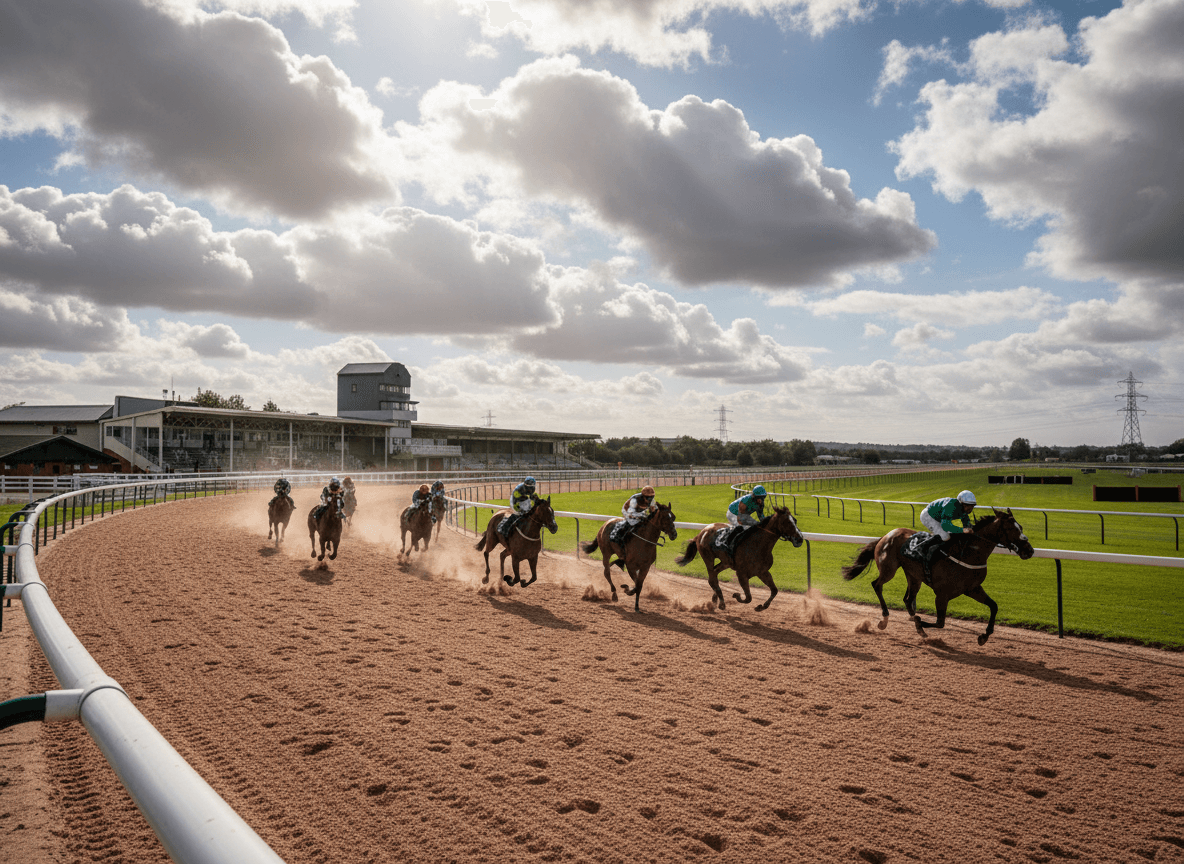
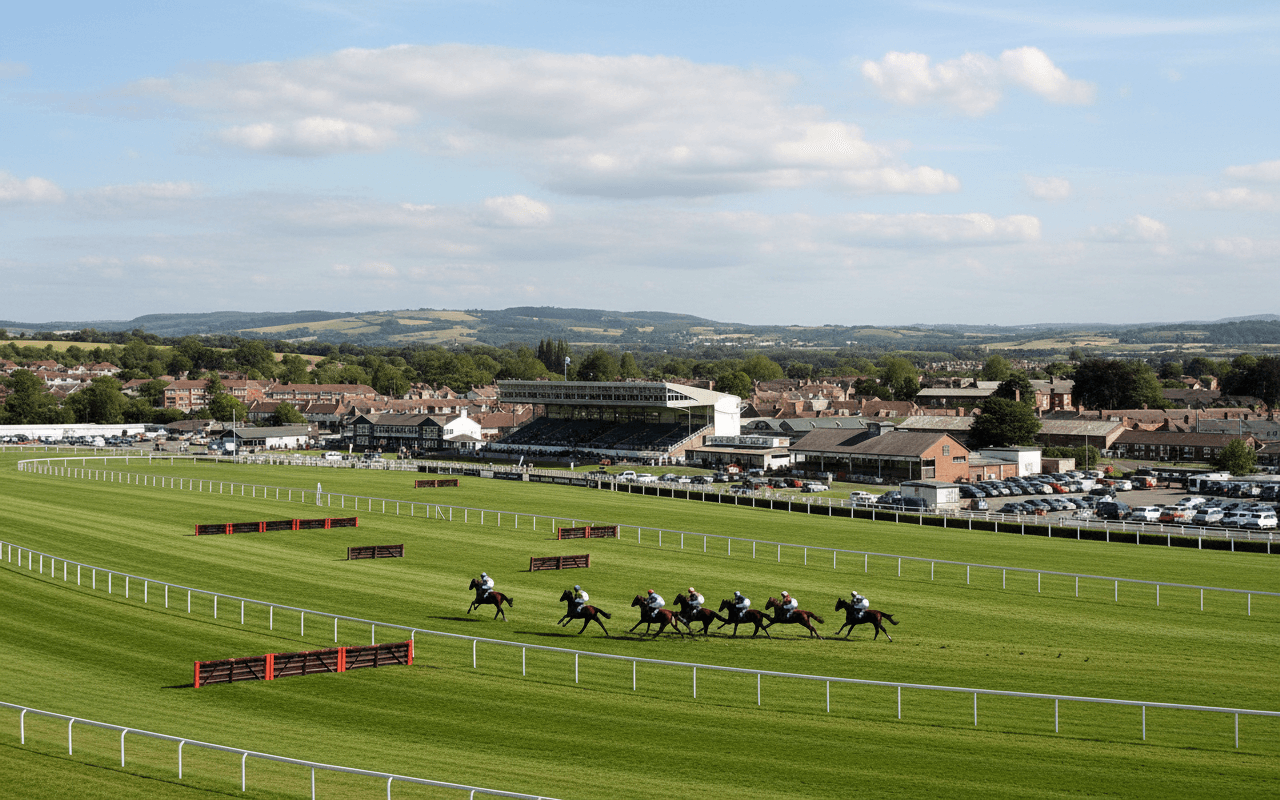
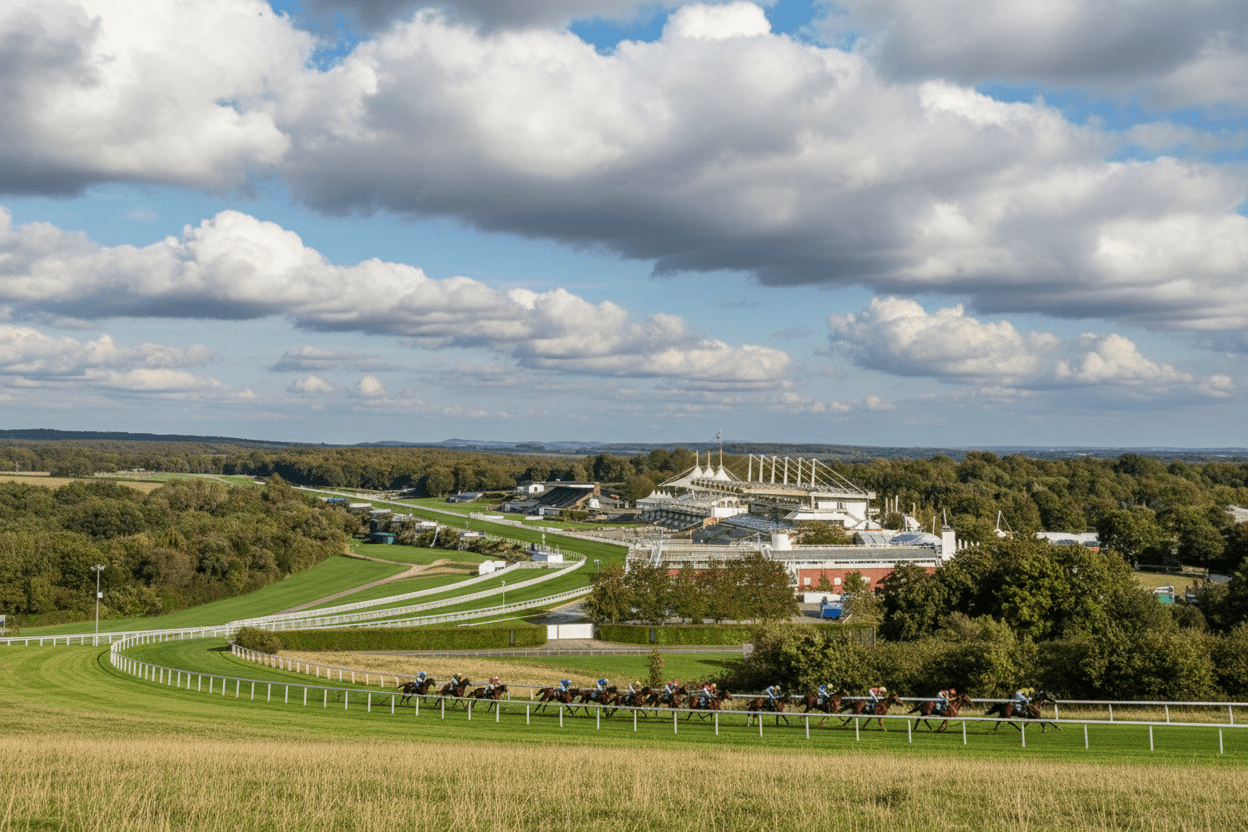
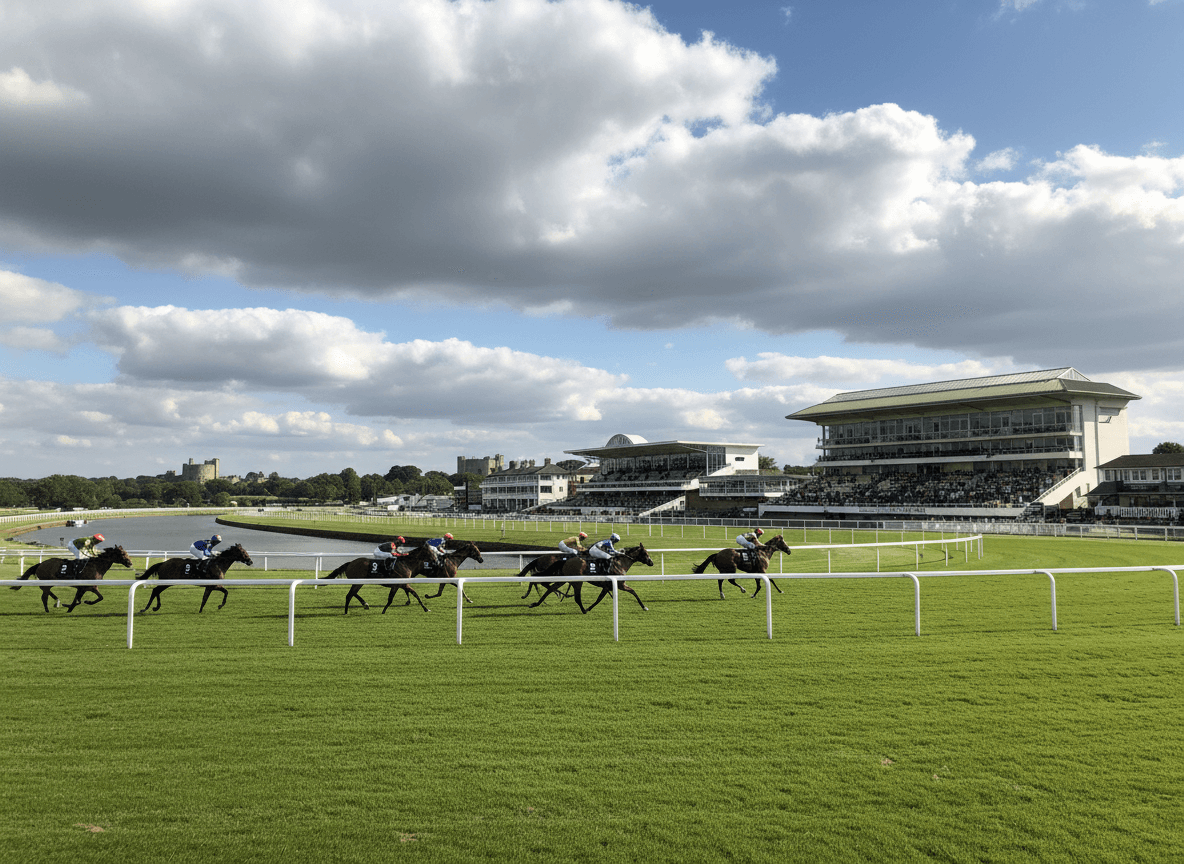
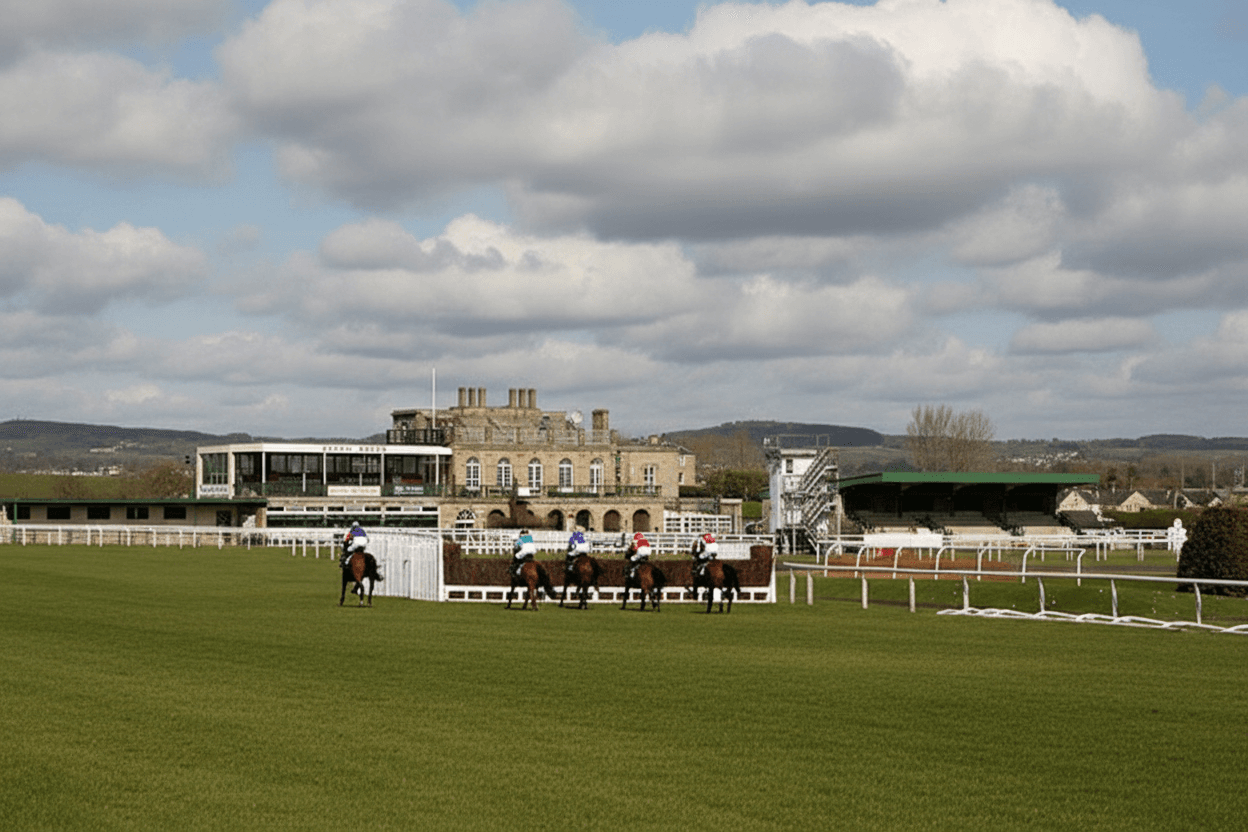
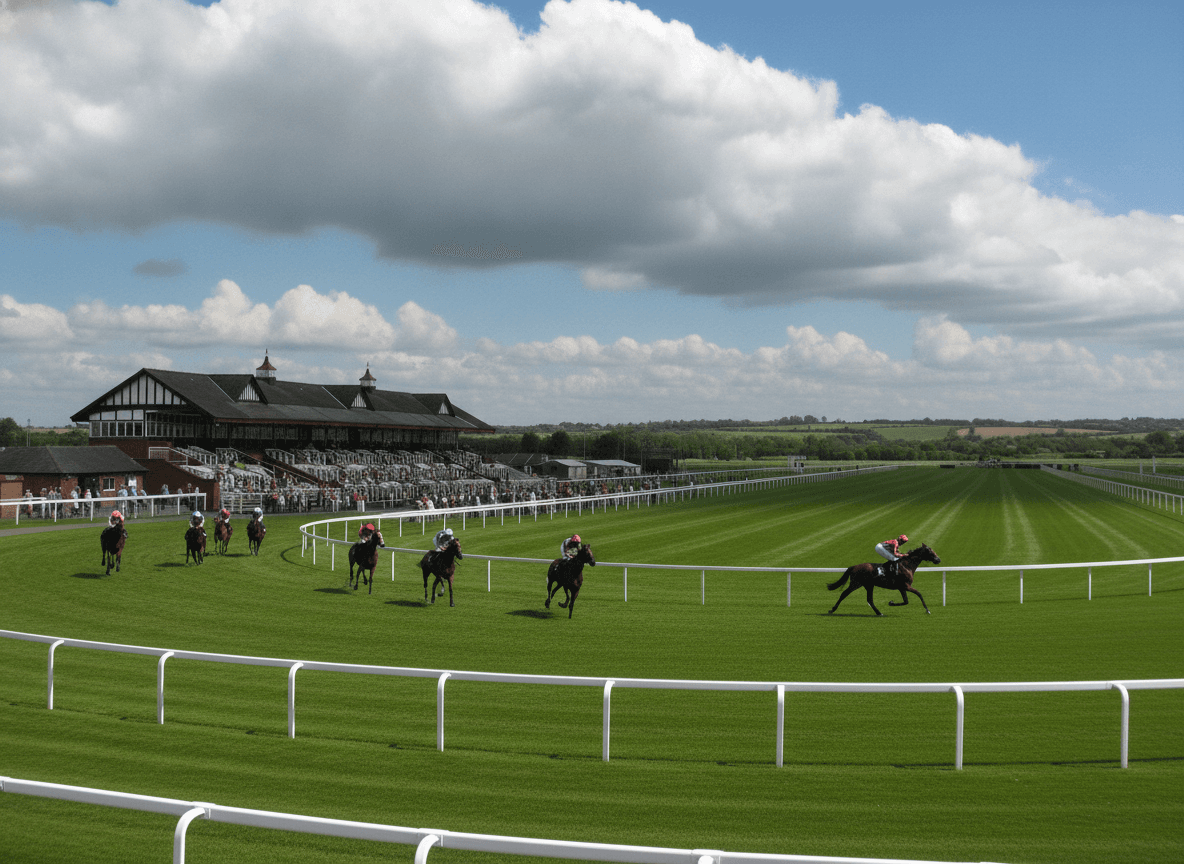
The magic of Pontefract lies not merely in its historical significance, though that weight of tradition certainly adds gravitas to every contest, but in the unique challenges it presents to both horse and rider. At two miles and one furlong around, this left-handed, undulating circuit demands a special kind of athlete—one blessed not only with speed but with the courage and stamina to tackle that infamous uphill finish that has decided countless races with breathtaking drama over the generations.
This Week's Racing Canvas
The Wednesday evening fixture promises to capture the essence of summer racing at its most authentic, with six carefully crafted contests scheduled to unfold under the lengthening June daylight. Evening racing at Pontefract carries its own particular charm, as the golden hour light plays across the undulating terrain, creating shadows and highlights that seem to emphasise every stride of the galloping field as they navigate this most demanding of circuits.
Thursday's afternoon programme expands the offering with seven races, providing a more comprehensive showcase of the diverse talents required to master this Yorkshire gem. While going conditions remain to be confirmed, the recent weather patterns suggest we may see good to good-to-firm ground, which would favour those horses capable of maintaining their rhythm and balance across the circuit's varied topography while still possessing the necessary turn of foot for that crucial final climb.
What makes these fixtures particularly compelling from a welfare perspective is Pontefract's long-standing commitment to horse and rider safety, with course management consistently investing in track maintenance and veterinary facilities that reflect modern best practices while preserving the traditional character that makes this venue so special.
Decoding Pontefract's Unique Challenges
Understanding Pontefract requires appreciating the subtle complexities that separate it from Britain's more conventional racing circuits, characteristics that can make or break a horse's chances before they even reach that decisive uphill finale. The track's undulating nature means that horses must constantly adjust their stride and balance, requiring not just physical fitness but genuine racing intelligence and adaptability from both mount and jockey.
The extended nature of the circuit—that full two miles and one furlong—means that early pace positioning becomes crucial, though not always in the conventional sense. Unlike tighter tracks where early speed can be decisive, Pontefract's length allows for tactical flexibility, rewarding trainers and jockeys who understand when to commit and when to wait, when to press forward and when to conserve energy for the challenges ahead.
Draw bias at Pontefract tends to be less pronounced than at some courses, partly due to the circuit's length and the fact that the field naturally spreads out over such an extended journey. However, in the shorter sprint contests, particularly over five furlongs, those drawn towards the stands' side often find themselves at a slight advantage, able to maintain a more direct route to the winning post while avoiding some of the track's more challenging undulations.
The Pontefract Horse: Stamina Meets Heart
Over decades of observing racing at this magnificent venue, certain patterns emerge regarding the type of horse that tends to flourish on Pontefract's demanding terrain. Stamina, naturally, sits at the heart of any successful Pontefract performer, but it's a particular kind of stamina—not merely the ability to stay a distance, but the capacity to maintain competitive speed while navigating constant changes in gradient and camber.
The most successful Pontefract horses typically display what veteran trainers often describe as 'racing heart'—that indefinable quality that enables a thoroughbred to find extra reserves when the ground rises beneath their feet and the winning post beckons through burning lungs and aching muscles. These are horses that relish a battle, that seem to draw energy from competition rather than wilting under pressure.
From a breeding perspective, Pontefract often rewards those horses with a touch of stamina in their pedigree, particularly those by sires known for producing tough, genuine performers rather than flashy speedsters. Middle-distance specialists often find this track particularly suitable, as do horses stepping up in trip who possess the tactical speed to remain competitive early before unleashing their staying power in the final stages.
Trainers who consistently perform well at Pontefract tend to be those who prioritise building genuine fitness in their charges, understanding that this track exposes any weakness in preparation with ruthless efficiency. The uphill finish, in particular, has a way of separating the truly fit from the merely hopeful, making it a valuable educational tool for horses destined for more prestigious targets later in the season.
Practical Wisdom for Racegoers and Punters
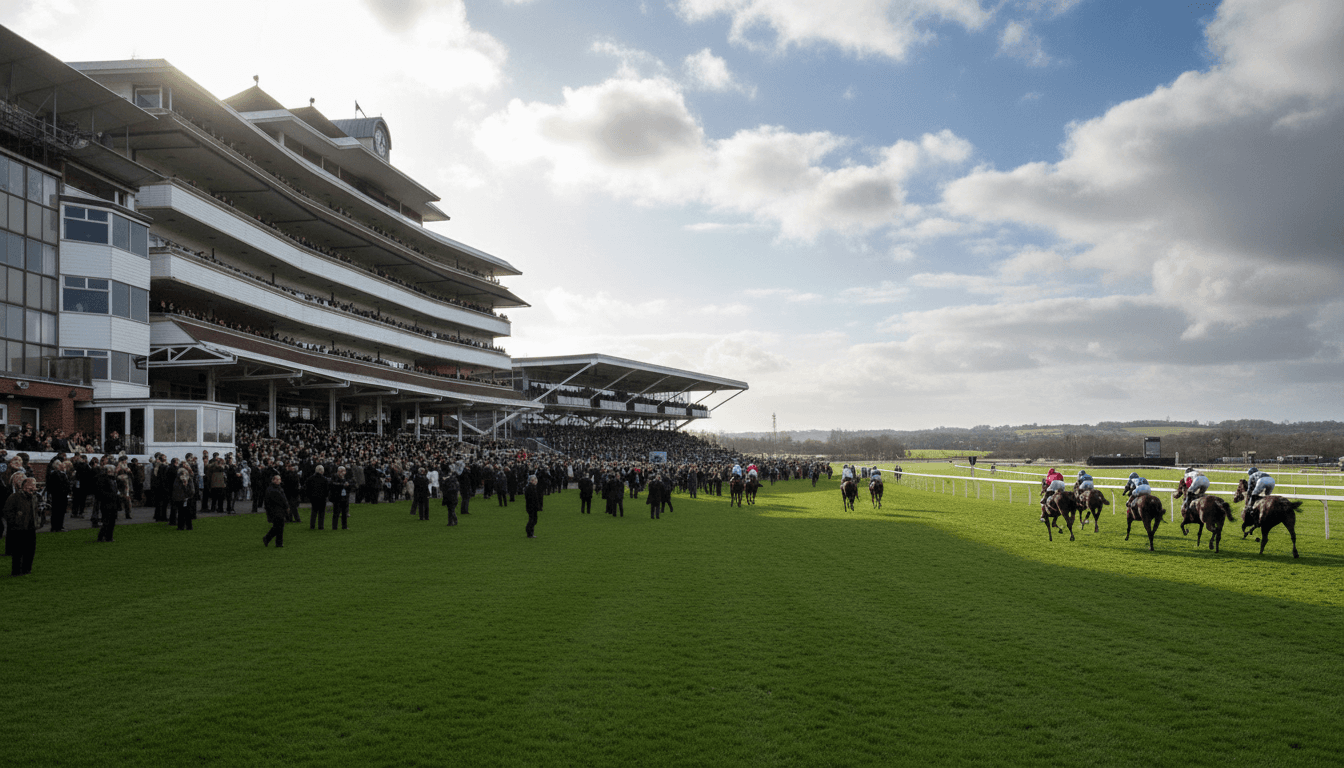
For those planning to experience Pontefract's unique atmosphere firsthand this week, the course's commitment to maintaining its traditional, welcoming character means that whether you're a first-time visitor or a seasoned regular, you'll find facilities that prioritise comfort and viewing quality over flashy modernisation. The track's natural amphitheatre formation provides excellent sightlines from most vantage points, allowing spectators to appreciate the full drama of each race as it unfolds.
From a betting perspective, Pontefract rewards those who look beyond mere form figures to consider the specific demands of this circuit. Horses showing improved fitness in recent runs often outperform their odds, particularly if they're stepping up in distance or returning from a break. The track's honest nature means that well-handicapped horses in good form tend to run to their ratings, making it less of a lottery than some more quirky venues.
Pay particular attention to horses that have shown previous course form, as Pontefract's unique characteristics mean that some horses simply take to the track while others never quite master its demands. Jockey bookings can also provide valuable clues, with local riders who understand the track's nuances often able to eke out that crucial extra length when races reach their climax.
A Week to Savour Yorkshire Racing
As we look ahead to this week's twin fixtures, there's every reason to anticipate the kind of competitive, honest racing that has made Pontefract such a beloved venue among racing's most discerning enthusiasts. The combination of historical significance, unique challenges, and unwavering commitment to equine welfare creates an environment where the sport can showcase its finest qualities, where courage and stamina triumph over mere speed, and where every race tells a story worth telling.
Whether you're drawn by the tactical complexities that Pontefract's circuit presents, the opportunity to witness horses and riders tested to their limits, or simply the chance to experience racing in one of its most authentic settings, this week's programmes offer compelling reasons to turn your attention towards West Yorkshire's racing jewel, where tradition and excellence continue their centuries-old dance beneath the summer sky.