
The Roodee Awaits Going Declaration
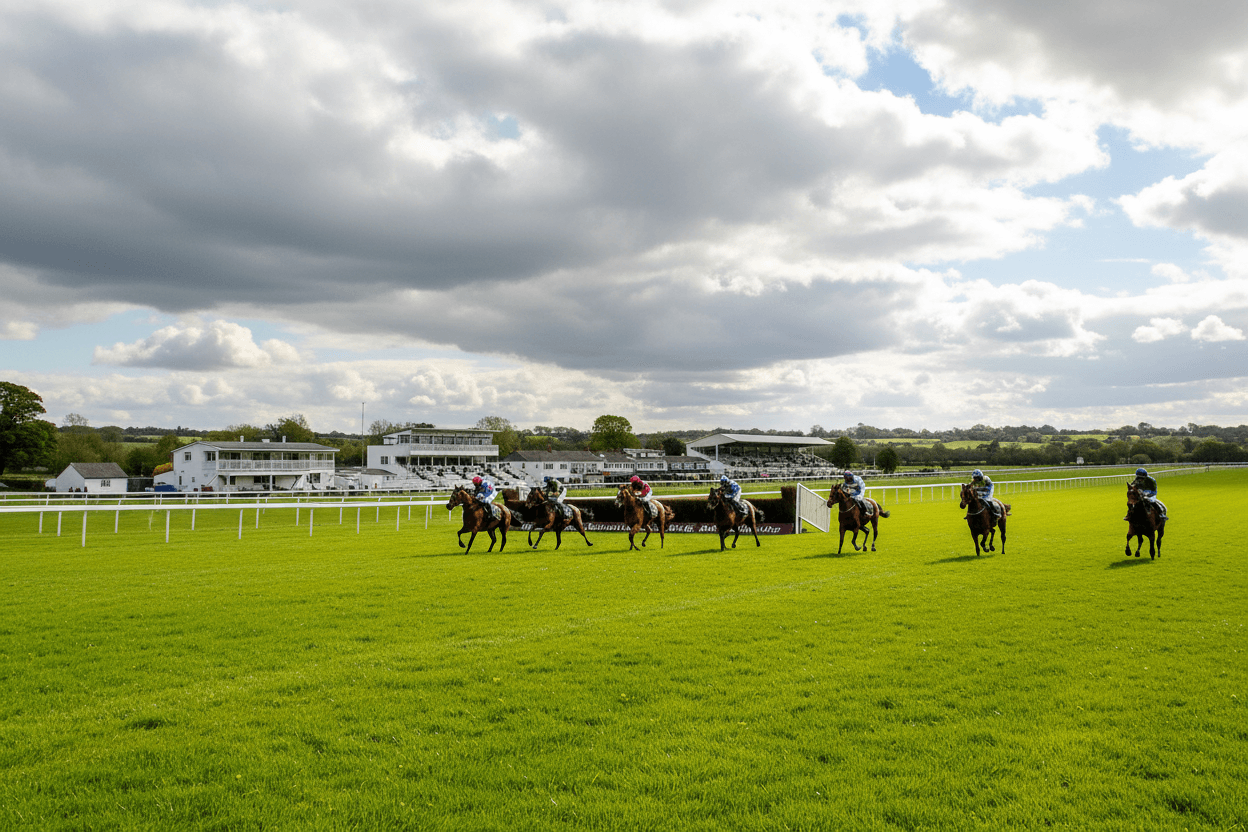
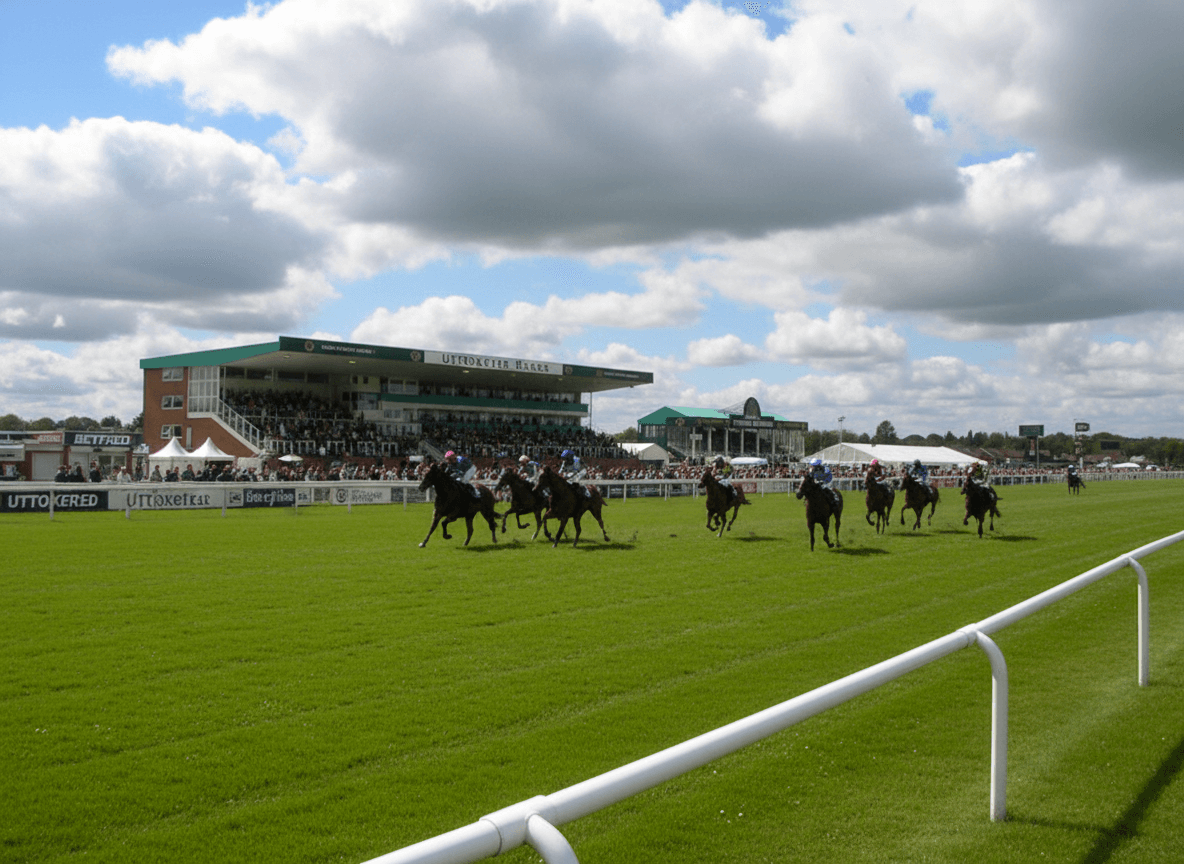
Sunday's seven-race programme at Chester presents a fascinating blend of opportunities for horses at varying stages of their careers, from promising novices taking their first steps to seasoned campaigners seeking to add to their winning tallies on the unique Roodee circuit. With going conditions yet to be declared, trainers and punters alike will be keeping a close eye on the weather forecast, as Chester's tight, turning track can play very differently depending on the ground conditions.
The afternoon's entertainment spans the full spectrum of distances, from the sharp six-furlong sprint that concludes the card to the stamina-testing mile and three-furlong contests that will truly examine each horse's ability to handle Chester's peculiar demands. What strikes me most about today's Chester racecard is the thoughtful programming that allows horses of different abilities and experience levels to compete on relatively level terms, which often produces the most compelling and competitive racing.
Feature Race: The Novice Stakes Takes Centre Stage
The £12,000 Turn The Page And Read "Confined" Novice Stakes at 15:00 stands as the afternoon's feature contest, and rightly so. This Class 3 event over Chester's extended mile and three-furlong trip is restricted to horses with no more than two previous runs, creating a fascinating puzzle for punters and a genuine opportunity for lightly-raced horses to announce themselves as future stars.
The conditions of this race particularly appeal to me from a welfare perspective, as they encourage connections to be patient with their horses' early development rather than rushing them through multiple runs to gain experience. The extended distance also means we're likely to see horses who have been given time to mature physically and mentally, which often translates to more sustainable racing careers.
Chester's demanding circuit, with its tight turns and undulating nature, provides an excellent education for any horse with aspirations beyond novice company. Those who can master the Roodee's unique challenges often possess the tactical awareness and physical coordination that serves them well throughout their careers.
Distance Analysis and Track Characteristics
The variety of distances on offer today showcases Chester's versatility as a racing venue, though each presents its own particular challenges on this most distinctive of British racecourses. The shorter seven-furlong contests will likely see horses positioned prominently from the start, as the relatively brief run to the first turn leaves little time for elaborate tactical manoeuvres.
Meanwhile, the longer mile and three-furlong events allow for more patient tactics, though the undulating nature of Chester's back straight means that horses must possess genuine stamina rather than simply cruising speed. The slight downhill section can catch out inexperienced horses, while the uphill finish provides a stern examination of each runner's reserves of courage and determination.
From a horse welfare standpoint, Chester's unique characteristics actually work in the animals' favour in many ways. The relatively tight turns naturally regulate the pace of races, preventing the kind of breakneck early gallops that can prove so punishing on more conventional tracks. The course's design encourages tactical racing that rewards intelligence and adaptability over pure speed, qualities that tend to correlate with longer, healthier racing careers.
Handicap Opportunities Throughout the Card
The five handicap events spread across the afternoon represent the bread and butter of British racing, providing opportunities for horses across the ability spectrum to compete on theoretically equal terms. The mix of class levels, from Class 6 up to Class 5, ensures that connections can find appropriate opportunities for horses at different stages of their development or career trajectories.
What particularly pleases me about today's programme is the age restrictions that prevent older, more experienced horses from dominating contests against their younger counterparts. The 3-year-old only events at 15:30 and 17:15 provide crucial stepping stones for horses transitioning from novice to handicap company, while the 4-year-old plus restrictions in other races acknowledge the natural progression of equine development.
The prize money distribution, while modest by Group race standards, represents fair compensation for the smaller yards and owners who form the backbone of British racing. These are the contests where patient training and careful placement can reap rewards, and where the relationship between horse and handler often proves more decisive than expensive pedigrees or fashionable breeding.
Weather Watch and Going Considerations
The absence of declared going conditions adds an intriguing element of uncertainty to the afternoon's proceedings, though Chester's excellent drainage system typically ensures racing can proceed safely across a wide range of ground conditions. The course's maintenance team has earned widespread respect throughout the racing community for their commitment to providing safe racing surfaces while preserving the track's unique character.
Should the ground prove testing, it will favour horses with proven stamina and the physical strength to handle the additional demands of racing on softer surfaces. Conversely, faster conditions might bring the speedier types more into play, particularly in the shorter distance events where early pace can prove decisive.
From a welfare perspective, Chester's management has consistently demonstrated their commitment to horse safety, with regular track inspections and a willingness to adjust race conditions if necessary. This approach reflects the broader evolution of British racing towards prioritising equine welfare alongside competitive integrity.
Ones to Watch
While the absence of declared runners prevents specific selections, today's programme structure suggests we should focus on horses with proven course experience in the handicap events, while the novice contest may well provide the afternoon's most exciting performance from a horse we haven't seen the best of yet. The variety of distances and class levels ensures that patient punters who study the form carefully should find value throughout the card, particularly if they can accurately assess how the eventual going conditions will impact each race's likely development.