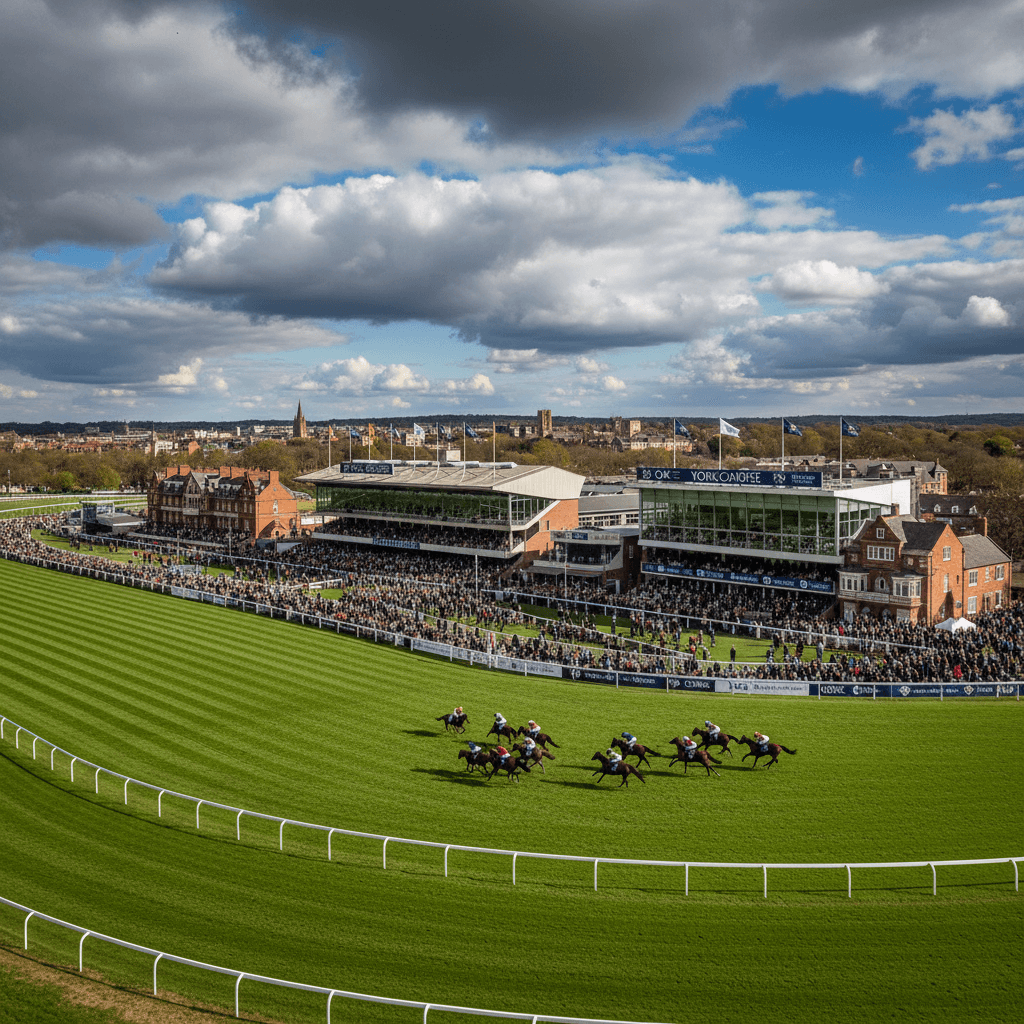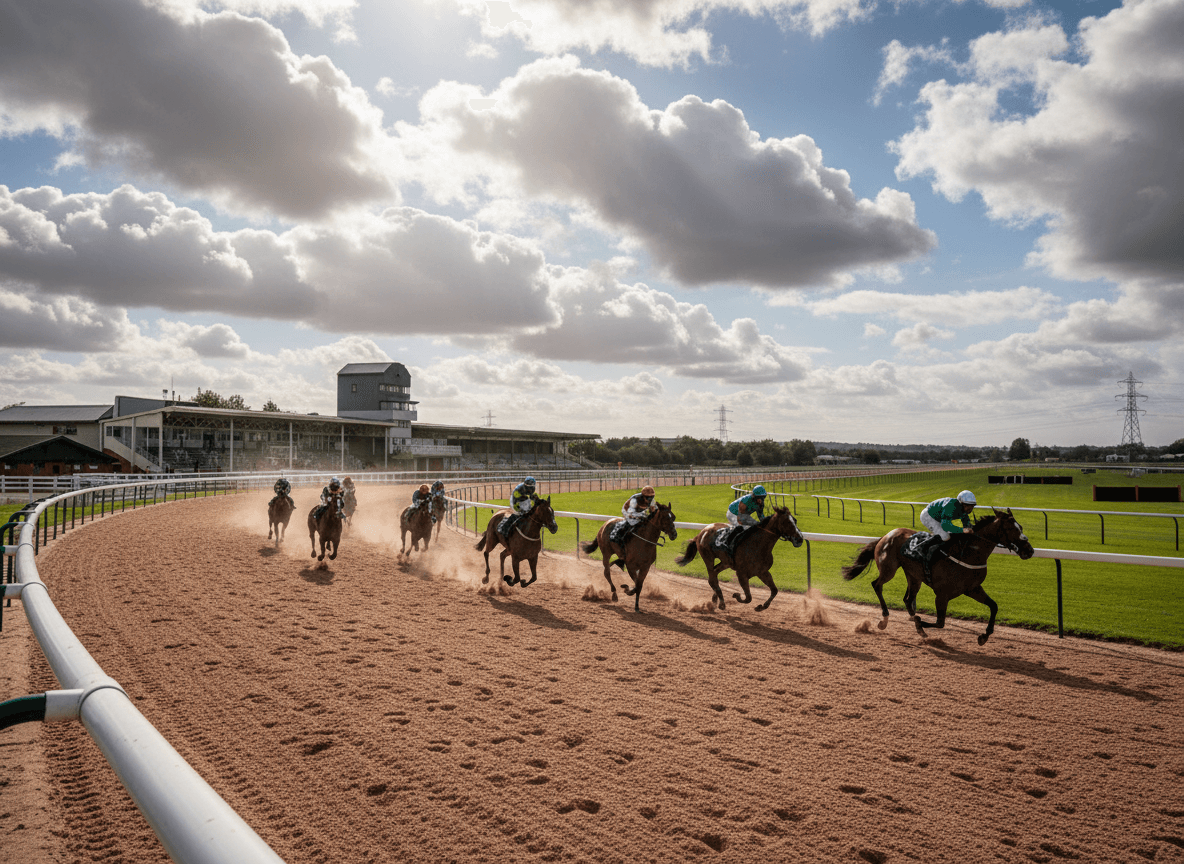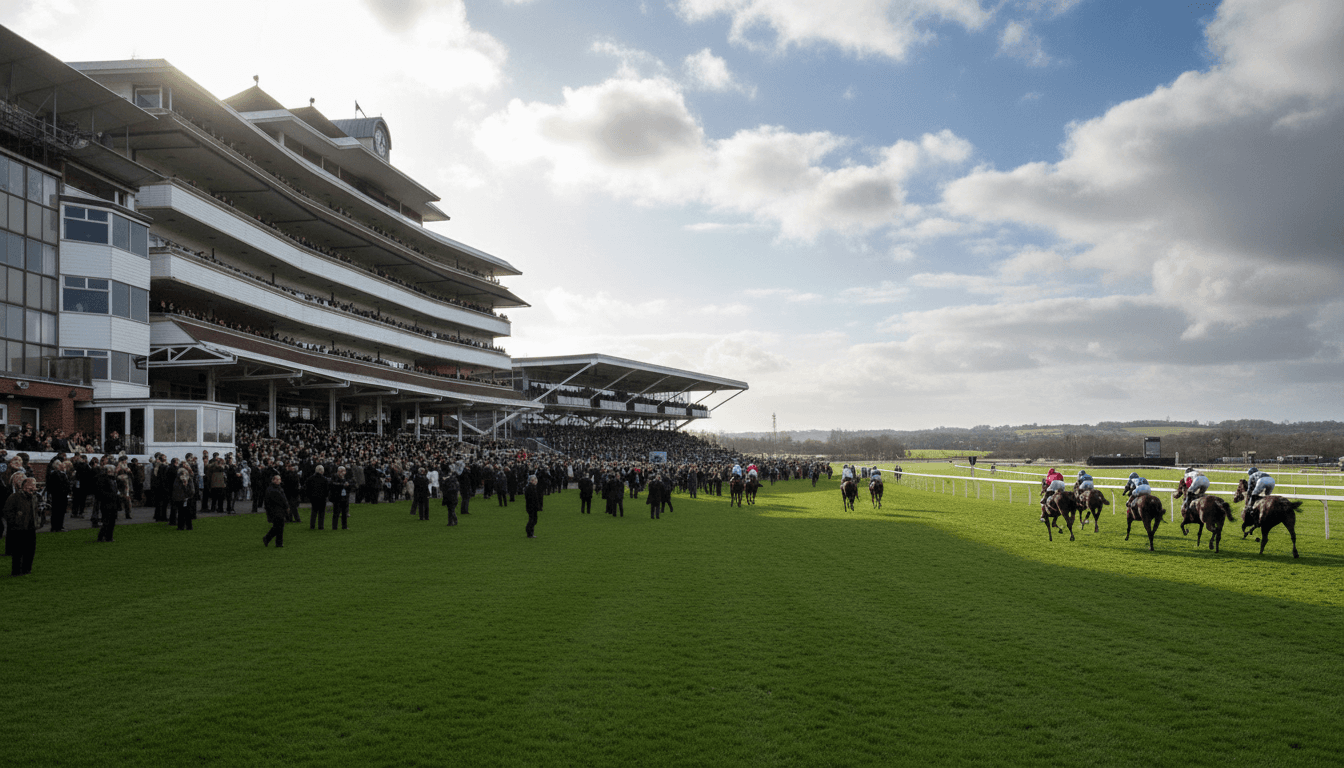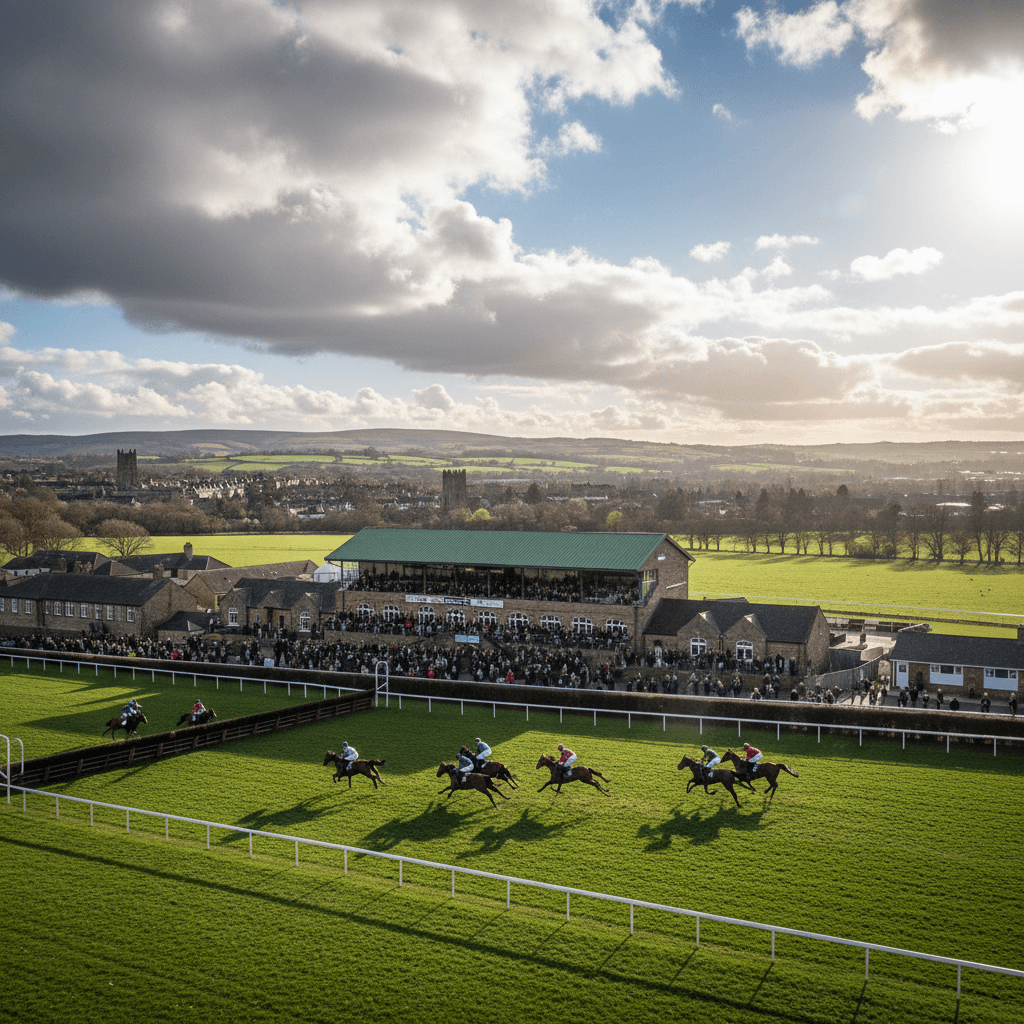
The Crown Jewel of British Racing
There exists no racecourse quite like Ascot in the pantheon of world racing venues, where three centuries of royal patronage have woven themselves into the very fabric of the turf beneath our feet. Since Queen Anne first declared this Berkshire heathland perfect for "horses to gallop at full stretch" in 1711, Ascot has maintained its position as the most prestigious stage in British racing, where sporting excellence meets regal tradition in a way that never fails to quicken the pulse of even the most seasoned racing enthusiast.
The majesty of Ascot lies not merely in its royal connections, though these remain profound and genuine, but in the unique demands it places upon both horse and rider. This is a course that rewards courage, stamina, and tactical acumen in equal measure, where the famous uphill finish has separated the great from the merely good for generations, and where every victory carries the weight of history alongside the immediate thrill of triumph.
This Week's Royal Engagement
The coming week presents us with a delightful trilogy of afternoon flat racing, beginning with Tuesday's seven-race card and continuing through Wednesday and Thursday's programmes, each offering their own distinctive challenges and opportunities. While we await confirmation of the going conditions, Ascot's excellent drainage and meticulous groundskeeping typically ensure fair racing surfaces that allow the course's natural characteristics to shine through without undue influence from the elements.
These afternoon fixtures capture Ascot at perhaps its most accessible, when the grandeur remains undiminished but the atmosphere carries a more intimate quality than the spectacular pageantry of Royal Ascot week. It's during these meetings that one can truly appreciate the technical brilliance required to master this most demanding of tracks, where every stride must be earned and every tactical decision carries consequences that echo through the distinctive triangular layout.
Decoding Ascot's Tactical Puzzle
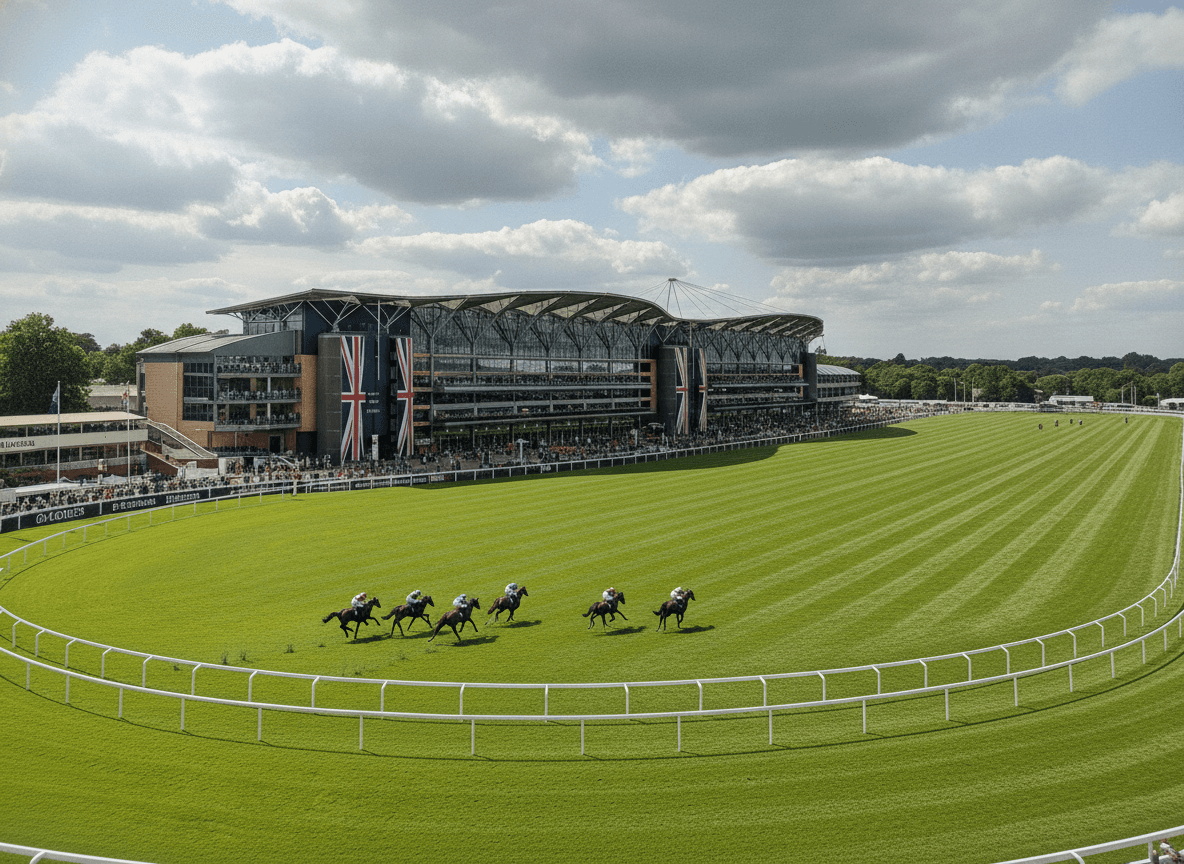
Understanding Ascot begins with appreciating its fundamental geometry – that distinctive triangular configuration that creates racing dynamics unlike anywhere else in the sport. The straight mile, in particular, presents a fascinating tactical conundrum, beginning with a gentle descent before asking horses to demonstrate their true class on the relentless climb to the winning post, a gradient that has broken the hearts of many a promising challenger over the decades.
The draw bias at Ascot operates on a more subtle level than at many tracks, with high numbers often holding a slight advantage on the straight course due to the natural camber, though this can shift depending on ground conditions and the tactical approach adopted by the field. More significant is the premium placed on tactical speed – not necessarily raw pace, but the ability to position effectively and respond when the real racing begins in earnest during that famous uphill climb.
On the round course, the long back straight allows races to develop gradually, but the turn into the home straight demands horses who can handle the transition from the sweeping bend to the testing climb, where stamina reserves and fighting spirit become paramount. It's here that Ascot reveals its true character, rewarding horses who combine natural ability with the mental fortitude to dig deep when the gradient bites.
The Ascot Horse: Courage Meets Class
Three centuries of racing at Ascot have gradually revealed the profile of horses who truly excel on this royal stage, and the common thread running through them all is an almost indefinable quality of courage that transcends mere physical ability. The uphill finish doesn't simply test stamina – it examines character, separating those horses who relish a battle from those who prefer their victories to come more easily.
Physically, Ascot rewards horses with strong hindquarters and natural balance, animals who can handle the undulations and gradients without losing their action or rhythm. The successful Ascot horse typically demonstrates tactical versatility, capable of racing prominently without necessarily needing to lead, and possessing that crucial ability to find another gear when the gradient steepens and the winning post beckons.
From a welfare perspective, it's encouraging to observe how Ascot's natural demands tend to favour horses who are genuinely well and in peak condition, as the course's honest nature makes it difficult for anything but a truly fit and healthy horse to perform at their best. The track's configuration also promotes fair racing, with fewer hard-luck stories than at some more quirky venues, allowing genuine ability to shine through more consistently.
Practical Wisdom for Ascot Enthusiasts
For those fortunate enough to attend this week's racing, arriving early allows time to appreciate the course's magnificent facilities while observing the morning preparations that reveal so much about each horse's wellbeing and readiness. The parade ring at Ascot remains one of racing's great amphitheatres, where the interaction between horse and handler often provides valuable insights into their prospects.
From a betting perspective, Ascot rewards those who look beyond pure speed figures to consider stamina, course form, and tactical positioning. Horses who have previously shown their appreciation for the track's demands carry significant advantages, while those stepping up in trip often find Ascot's searching nature helps rather than hinders their prospects. Pay particular attention to horses who have shown their effectiveness on undulating tracks elsewhere, as these qualities translate well to Ascot's unique topography.
The going conditions, once confirmed, will provide crucial context for each day's racing, with Ascot's excellent drainage meaning that even after rain, the surface typically maintains its essential character while potentially favouring horses with proven form on softer ground.
A Week to Savour
As we look forward to three days of high-quality flat racing at this most storied of venues, we're reminded once again why Ascot occupies such a special place in the hearts of racing enthusiasts worldwide. Here, beneath the royal standard and within sight of Windsor Castle, every race carries the echo of champions past while creating new memories for future generations to treasure.
This week's programme may not carry the global spotlight of Royal Ascot, but it offers something equally valuable – the opportunity to witness world-class racing in its purest form, where the track's honest demands and royal heritage combine to create an experience that epitomises everything we love about this magnificent sport. Whether you're trackside or following from afar, these three days promise to showcase Ascot at its most authentic and compelling.