A Midsummer Monday at Catterick
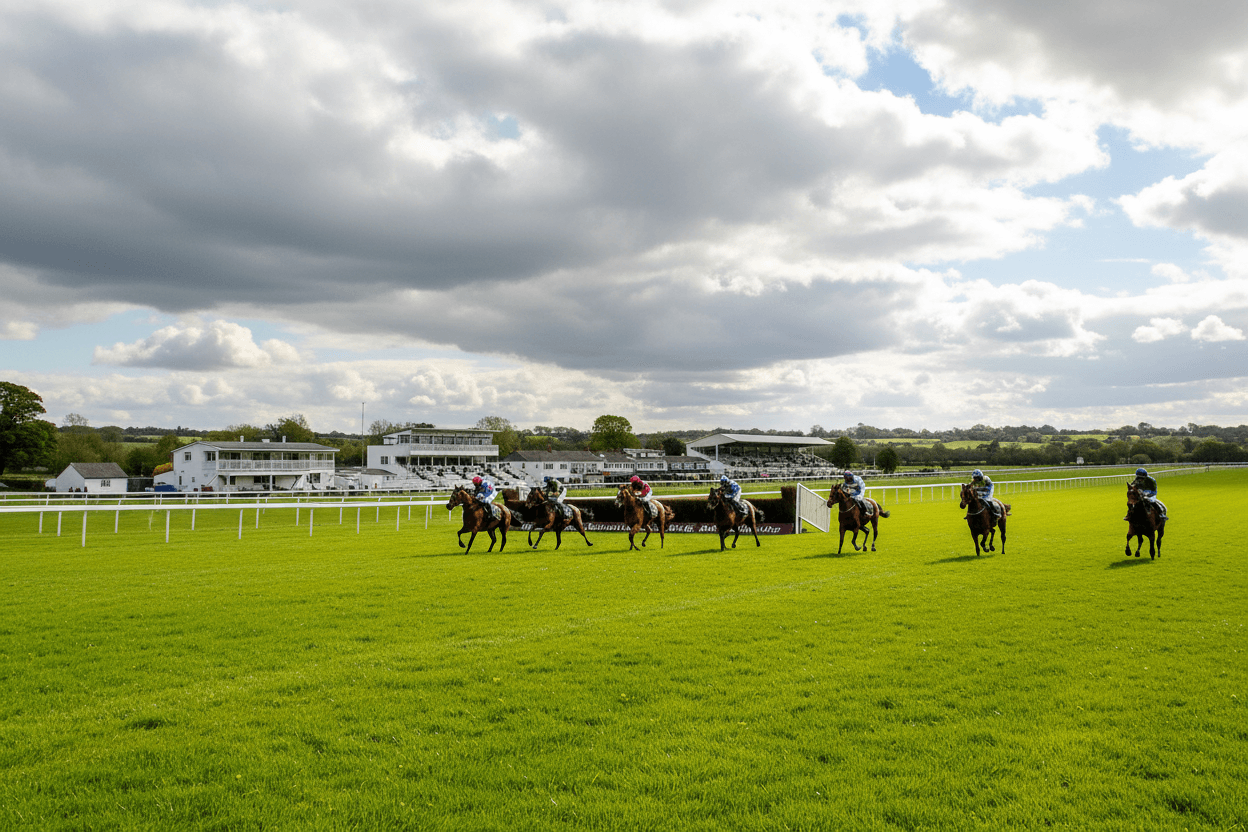
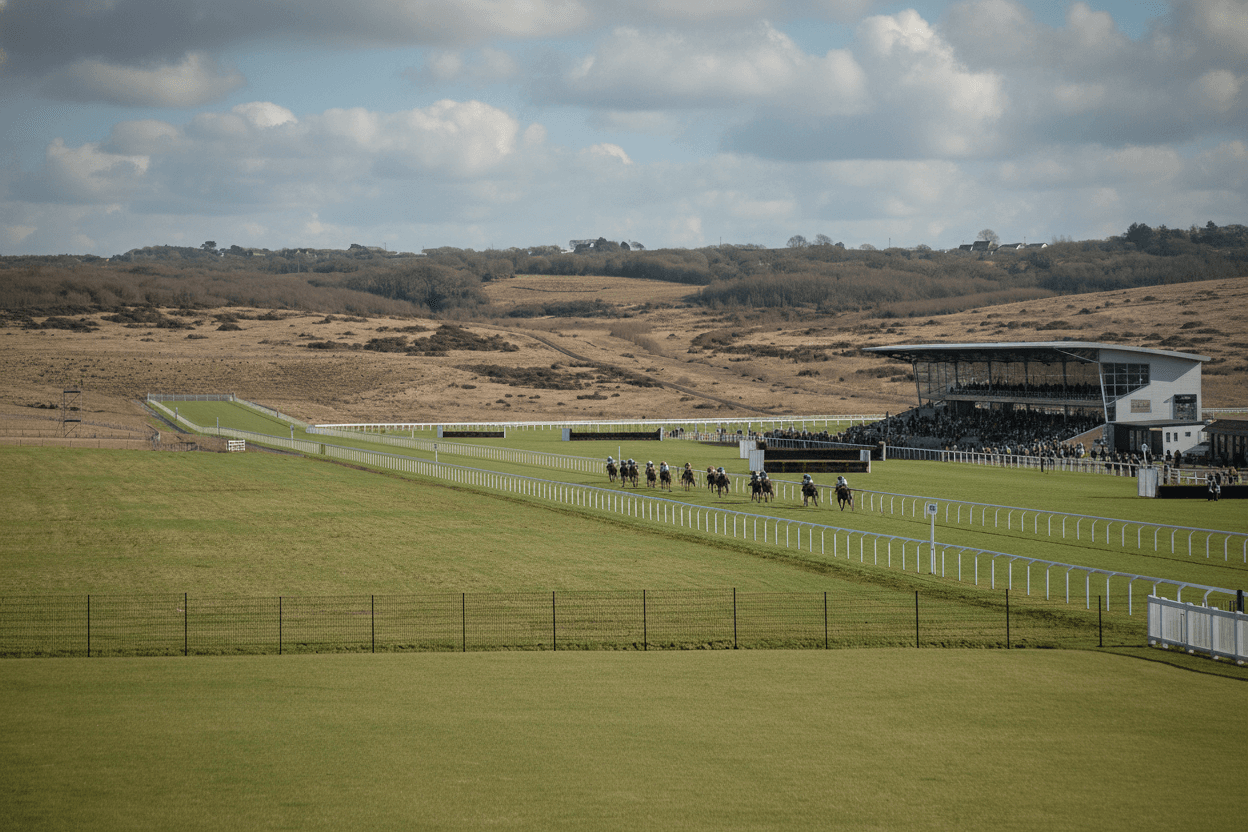
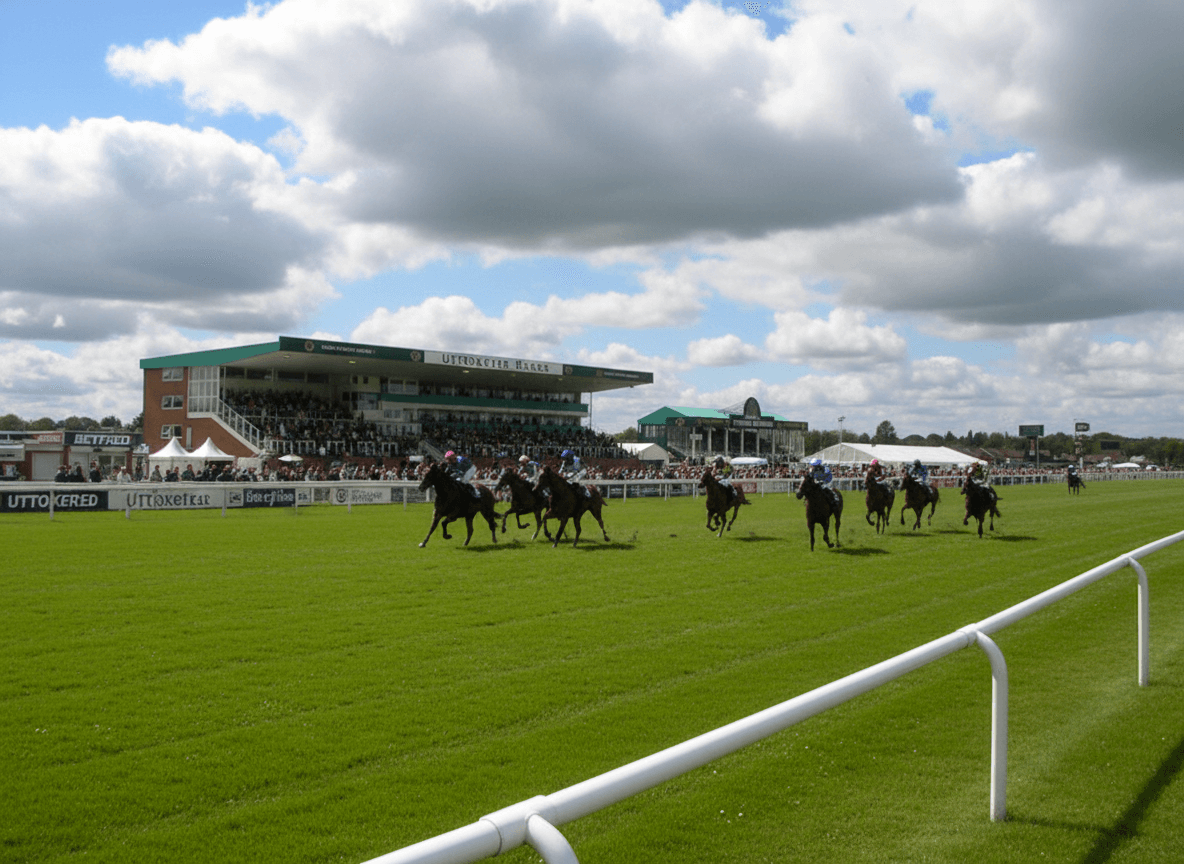
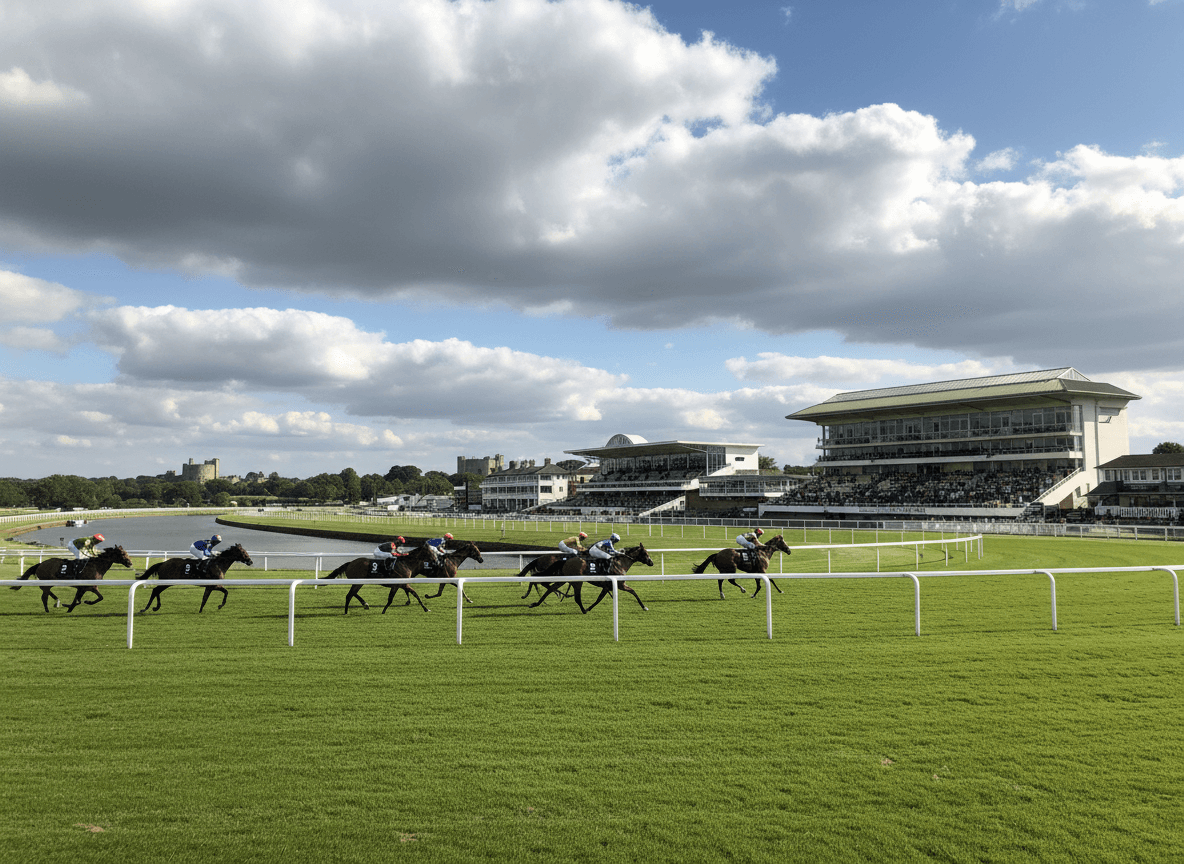
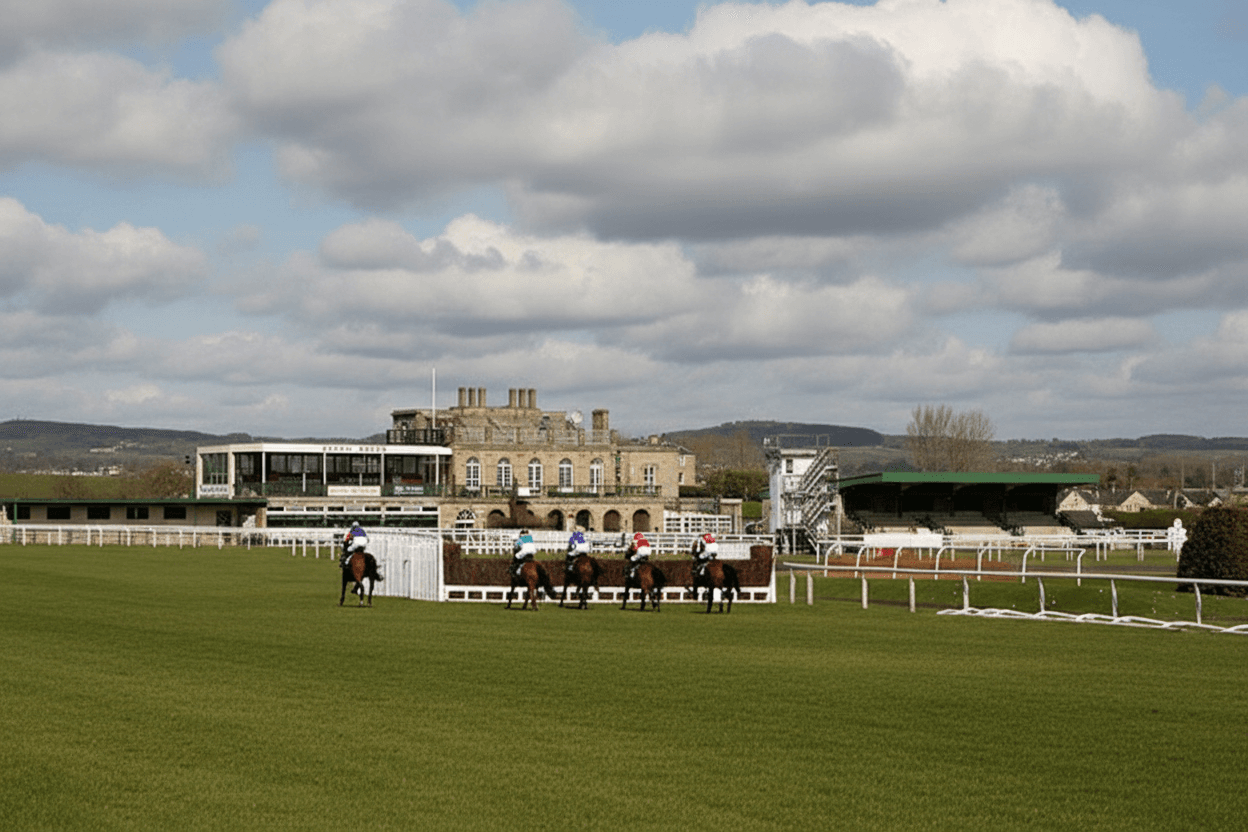
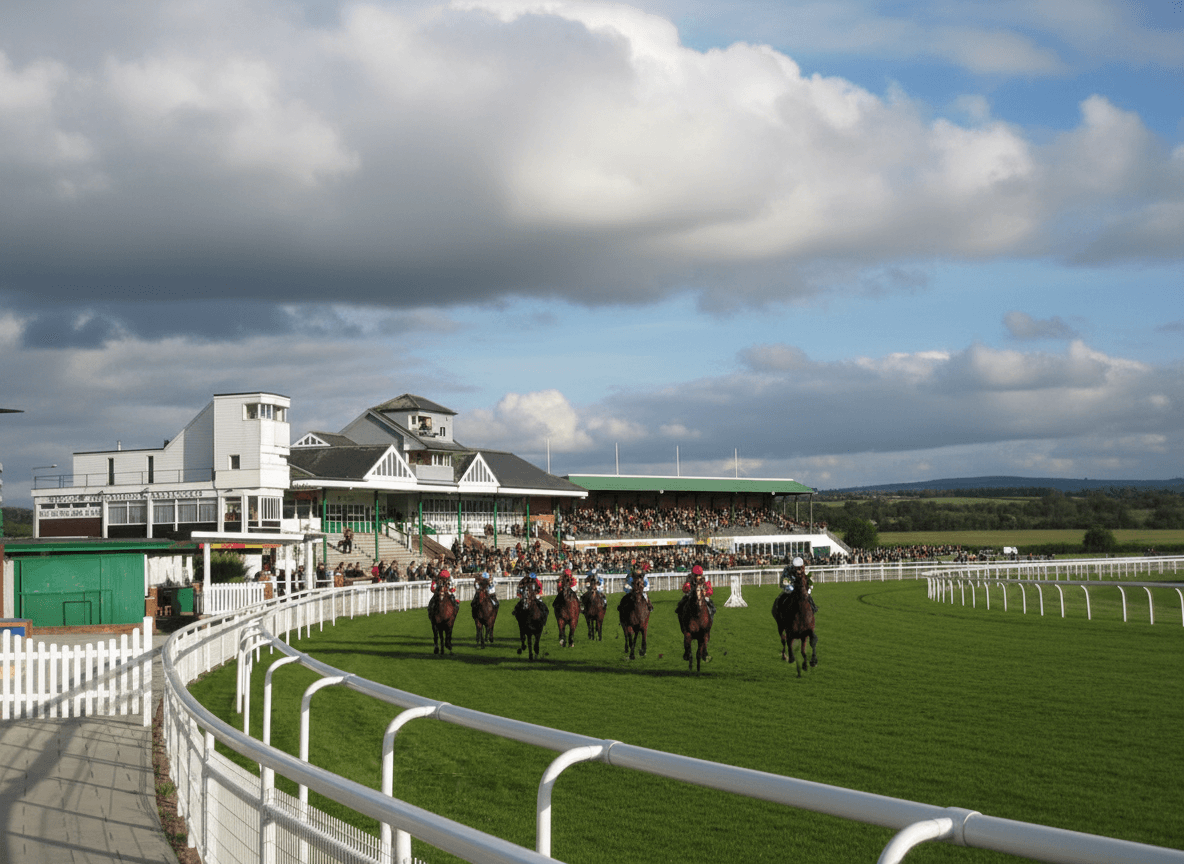
There is something quietly satisfying about a Monday afternoon at Catterick Bridge. The North Yorkshire track, with its pronounced undulations and tight left-handed turns, asks genuine questions of horses and riders alike, and the six races on today's Catterick Bridge racecard offer a pleasing spread of age groups, distances and competitive levels. The going is reported as good to firm, which suits the time of year and, crucially, suits the sort of sharp, athletic horses that tend to thrive around here. Connections with horses that have any ground-related fragility will be monitoring closely, but for most of this field, conditions look ideal for fast, fluent racing.
Catterick's idiosyncrasies are worth keeping front of mind. The five-furlong course is notably downhill in its early stages before levelling out, which can catch inexperienced juveniles off guard. The longer trips twist and turn enough to expose any horse that doesn't truly stay or travel well through a race. Course and distance form — denoted throughout this preview — is genuinely meaningful here in a way it isn't at every track, and I'd encourage punters to weight it accordingly.
The Feature Race: EBF Maiden Fillies' Stakes (14:30, 5f)
The afternoon opens with what is, by class and context, the standout race of the day — the British EBF Maiden Fillies' Stakes, a Class 4 contest over five furlongs for two-year-old fillies carrying a £10,000 prize. As a GBB Race, it carries additional significance for breeders, and the quality of the entries reflects that. With all eight runners unrated and unraced — or at least without an official mark — this is the purest form of educated speculation, and there is something genuinely exciting about watching young fillies find their feet on a sun-drenched June afternoon.
Minzelle, trained by K. R. Burke, commands attention at the head of the market. Burke has an exceptional record with early-season juveniles and his operation at Spigot Lodge is among the most professionally run in the north. Clifford Lee takes the ride, and the partnership has a strong understanding that should help settle a potentially green filly on her debut. Sable Noir for Kevin Ryan and Tom Eaves is another to take seriously — Ryan's two-year-olds are invariably well-prepared and the trainer rarely runs them before they're ready. Calef, trained by David O'Meara and ridden by Daniel Tudhope, rounds out the trio worth watching most closely. Tudhope's experience and intelligence in the saddle is a genuine asset when handling a debutante, and O'Meara's fillies have a habit of running creditably first time out even when they go on to improve considerably.
The good to firm ground should suit all three, and on a track where early pace and a clean break from the stalls matter enormously over five furlongs, the draw and the rider's ability to find a rhythm quickly will be decisive.
Key Runners Across the Card
Storm Call (15:00, 5f Confined Handicap)
The Jimmy Loxam Is 80 Today Confined Handicap — restricted to horses yet to win on the flat turf this season — is a fascinating puzzle. With Wen Moon a non-runner, seven becomes six, and the race shapes up neatly around Storm Call, a four-year-old trained by the Michael and David Easterby operation and ridden by Barry McHugh. Rated 70 and carrying course and distance form, Storm Call has the profile of a horse that knows its job here. Good to firm ground at Catterick over five furlongs should present no concerns, and the confined nature of the race — removing those who have already found their winning thread this season — brings the field to a manageable level. Polka for Julie Camacho is respected, but Storm Call's C&D experience gives a meaningful edge.
Tees Aggregates (15:00, 5f Confined Handicap)
Worth a separate mention is Tees Aggregates, trained locally by Adrian Nicholls and ridden by Jack Nicholls. The horse carries both course and distance form, and there is always something appealing about a locally-trained runner who clearly has a relationship with this particular track. Rated 68, the margin between Tees Aggregates and the top weights is narrow enough to make this a genuine each-way proposition.
Velvet Rhythm (16:00, 7f Fillies' Handicap)
The EBF Fillies' Handicap over seven furlongs is a lovely race, and Velvet Rhythm, a three-year-old trained by Charlie Johnston and ridden by Rowan Scott, arrives with both course and distance form to her name. Rated 68 and carrying the C&D flag, she's the type of filly who travels well through a race and should appreciate the good to firm surface — Johnston's horses are invariably well-presented on quick ground. Zak Wheatley rides the top-rated Alessia Fernanda for Declan Carroll, and at 74 she's hard to ignore on ratings alone, but Velvet Rhythm's proven affinity for the course and trip feels like the more durable form line on this ground.
Arrange (16:35, 1m 7f 189y Handicap)
The staying handicap — a rare longer-distance test on what is predominantly a speed track — brings a small but intriguing field of four. Arrange, an eight-year-old trained by Martin Todhunter and ridden by David Nolan, is a seasoned campaigner with both course and distance form. At 70, he's joint top-rated and brings the kind of experience that matters over a trip of nearly two miles on a twisting track. Good to firm ground might just stretch his stamina slightly, but Todhunter manages his older horses with care and wouldn't run him if conditions were a concern. Valley of Flowers, trained by Samantha and Jacqueline Coward, also carries C&D form and deserves respect.
Emerald Army (17:10, 7f Handicap)
The closing Class 6 handicap over seven furlongs is a wide-open affair with ten runners, but Emerald Army for Ruth Carr stands out. Rated 55 with both course and distance form, Carr's horses are among the most consistently well-prepared in northern racing, and the trainer's welfare-conscious approach — she's long been a voice for considered, patient horsemanship — tends to produce horses that run their race reliably. James Sullivan rides, and the combination of proven course form and a sympathetic yard gives Emerald Army a solid platform.
How the Going Shapes the Day
Good to firm in late June at Catterick is about as straightforward as ground conditions get — it rewards horses with a clean, economical action, penalises those who need give underfoot to produce their best, and generally makes for quick, decisive racing. On the five-furlong track especially, the pace will be fierce from the outset, and any horse that is slow to stride or needs time to warm into a race will find itself immediately on the back foot. For the juvenile fillies in the opener, that's a particular consideration — horses with a naturally fluent, forward-going action will have a tangible advantage over those still finding their balance.
Over the longer distances — the seven-furlong races and the staying handicap — good to firm can expose those who lack the class to sustain their effort through the undulations. Horses with C&D form have already shown they handle this specific combination of conditions and topography, which is why I've weighted that credential heavily throughout this preview.
Best Bets and Ones to Watch
- Best Bet: Velvet Rhythm (16:00) — Course and distance form, good to firm suits, Charlie Johnston in fine form with his three-year-old fillies.
- Each-Way: Storm Call (15:00) — C&D experience in a confined field, Barry McHugh a capable partner on a sharp track.
- Juvenile to Watch: Minzelle (14:30) — Burke's debutantes rarely disappoint, and Clifford Lee will give her every chance to show her ability.
- Staying Interest: Arrange (16:35) — Todhunter's veteran knows every inch of this course and is respected at the weights.
- Closer Watch: Emerald Army (17:10) — Ruth Carr's C&D performer to close the day in a competitive but winnable finale.
It promises to be a fine afternoon's racing in North Yorkshire. The ground is fair, the fields are competitive, and there are stories worth following across all six races. Whatever the results, Catterick on a summer Monday has a warmth to it that's hard to replicate — and that, at its best, is what this sport is all about.