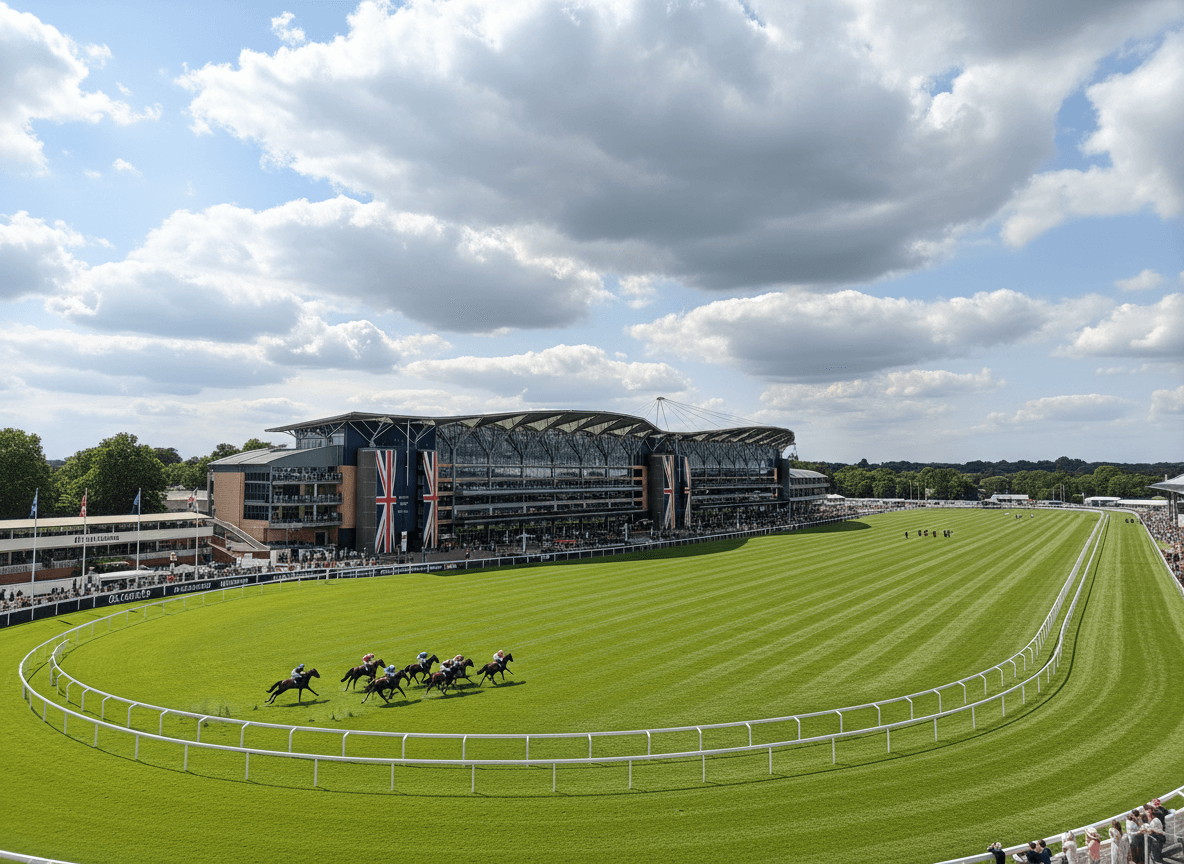

Course Conditions and Overview
Thursday's afternoon card at Chelmsford City presents a well-constructed seven-race programme that should provide plenty of competitive action across the all-weather surface. With going conditions yet to be announced, trainers will be keeping a watchful eye on the Polytrack's preparation, though the synthetic surface typically offers consistent conditions regardless of weather.
The card spans distances from the minimum trip of five furlongs through to an extended mile and two furlongs, offering opportunities for both speed merchants and stamina-laden performers. The prize money distribution reflects a solid afternoon's sport, with three Class 4 contests anchoring the programme and providing the most competitive action of the day.
Feature Race Analysis
The 14:22 Class 4 sprint over five furlongs stands out as the most valuable contest on the card, carrying £10,000 in prize money. This minimum trip at Chelmsford City has historically favoured horses with natural early pace, though the Polytrack's slightly more forgiving nature compared to turf can occasionally allow hold-up performers to strike late if the pace collapses.
The track's configuration means that early positioning becomes crucial in these sprint contests. The relatively tight turns can catch out horses that are slowly away, making stall position and early tactical speed paramount considerations. Horses with proven course form will hold significant advantages, particularly those that have demonstrated an ability to handle the kickback that can be prevalent on the all-weather surface.
The 14:52 maiden stakes over a mile represents another key betting medium, particularly as a Great British Bonus race. This contest often attracts well-bred newcomers alongside more experienced campaigners seeking their breakthrough victory. The mile trip at Chelmsford has shown a slight bias towards horses that can secure prominent early positions without necessarily needing to lead.
Distance and Tactical Considerations
The variety of distances on offer creates fascinating tactical scenarios throughout the afternoon. The 13:52 apprentice handicap over six furlongs opens proceedings and should provide valuable insight into the surface conditions, with the reduced-experience jockeys potentially offering clues about how the track is playing.
Moving through the card, the step up to seven furlongs for the 15:52 Class 4 handicap introduces different tactical elements. This distance at Chelmsford has historically suited horses with tactical speed who can position prominently turning for home without necessarily dominating early. The slight downhill run to the home turn can catch out horses that lack balance, making previous course experience particularly valuable.
The two contests over the extended mile and two furlongs trip - the fillies' handicap at 16:23 and the closing handicap at 16:53 - will likely develop into more traditional staying tests. The additional distance allows for more varied tactical approaches, though horses that can travel strongly through the middle stages typically hold advantages as the field negotiates the home turn.
Key Factors for Success
Course experience cannot be overstated in its importance at Chelmsford. The Polytrack surface, while consistent, requires adaptation from horses more accustomed to turf racing. Those with winning course form or multiple previous appearances hold distinct advantages over newcomers to the venue.
The all-weather surface's characteristics mean that horses with proven ability on similar surfaces elsewhere - particularly Kempton Park's Polytrack or Wolverhampton's Tapeta - often translate their form effectively. This becomes particularly relevant when assessing horses stepping down from higher-class turf contests or those returning from winter breaks.
Draw positions, while not as crucial as on some courses, still play a role, particularly in the shorter-distance contests. Low numbers can offer slight advantages in the sprint events, allowing jockeys to secure early positions without excessive use of their mounts. However, the relatively wide track means that high draws are far from insurmountable disadvantages.
The timing within the racing calendar - early April - suggests that many horses will be relatively fresh, either making seasonal debuts or having had limited recent outings. This factor often levels the playing field somewhat, as peak fitness may be at a premium compared to later in the season.
Betting Angles and Final Thoughts
With declarations yet to be made for today's Chelmsford City racecard, the focus must remain on identifying the key trends and angles that typically prove profitable at this venue. Course specialists, particularly those with winning form over the specific distances, should command serious respect regardless of current handicap marks.
The Class 4 contests offer the most competitive betting heats, where small edges in form analysis can prove decisive. Look for horses that have shown consistent all-weather form, particularly those that have demonstrated an ability to quicken when asked. The Polytrack's nature means that turn of foot remains crucial, even in staying events.
For the handicap contests, particular attention should be paid to horses receiving weight from the handicapper for the first time, especially those dropping down from higher grades. The all-weather surface can be less punishing than turf for horses slightly past their peak, making these dropping-class performers potentially overpriced in the market.
The maiden contest presents opportunities to assess promising types, with any newcomers from powerful yards deserving market respect. However, experience often proves valuable in maiden company at Chelmsford, making previous runners with solid placed form attractive propositions.
As the afternoon unfolds, the consistent nature of the all-weather surface should ensure that the best horses on the day find their way to the winner's enclosure, making for a thoroughly competitive card that rewards careful form study and tactical awareness.