When Mother Nature Calls Time
I remember my father telling me about the great freeze of 1963, when racing was virtually wiped out for weeks on end. 'The horses don't mind the cold, son,' he'd say, adjusting his woolly scarf as we trudged through the car park at our local track, 'but they do mind slipping about like Bambi on ice.' It's a lesson that came flooding back this Thursday evening as news filtered through that Chelmsford City's seven-race card had been abandoned.
Now, you might think that's a bit odd for an all-weather track – after all, isn't that the whole point of these synthetic surfaces? They're supposed to be the reliable cousin of turf racing, the steady Eddie that keeps the show on the road when traditional grass tracks throw in the towel. But even the most modern facilities have their limits, and when the BHA inspector gives his backing to an abandonment decision, you know conditions must be genuinely challenging.
The Card That Might Have Been
Looking at tonight's Chelmsford City racecard, we were set for a proper evening's entertainment. Seven races spanning the spectrum from nippy five-furlong handicaps to the stamina-testing mile-and-a-quarter contest that was due to kick things off at 10pm – yes, you read that right, 10pm! These evening meetings have become quite the thing, haven't they? Perfect for those of us who fancy a flutter after the working day is done.
The feature race was shaping up to be The Fairwood Brasserie Restricted Novice Stakes, a Class 4 affair over seven furlongs for the two-year-olds. At £10,000 in prize money, it would have been the evening's richest contest, and there's always something special about watching the youngsters strut their stuff under the floodlights. These restricted novice events often throw up future stars – horses who are just finding their feet but show that spark of class that separates the wheat from the chaff.
Racing's Eternal Weather Dance
The abandonment got me thinking about racing's complex relationship with the weather. Unlike football or rugby, where a bit of rain just adds to the drama, horse racing has always been at the mercy of the elements. Safety comes first, second, and third in this game – and rightly so.
I've been trackside when meetings have been called off at the last minute, and there's always a peculiar atmosphere. The disappointed punters trudging back to their cars, the stable lads leading horses back to the lorries, the bookmakers packing up their gear with philosophical shrugs. It's part of the sport's fabric, this uncertainty, this reminder that we're dealing with living, breathing athletes who deserve the safest possible conditions.
The fact that tonight's card included races supporting both Racing Welfare and the Injured Jockeys Fund makes the safety-first approach even more poignant. These are causes close to every racing person's heart, reminding us that behind all the excitement and betting slips are real people whose livelihoods depend on this wonderful, unpredictable sport.
The All-Weather Advantage
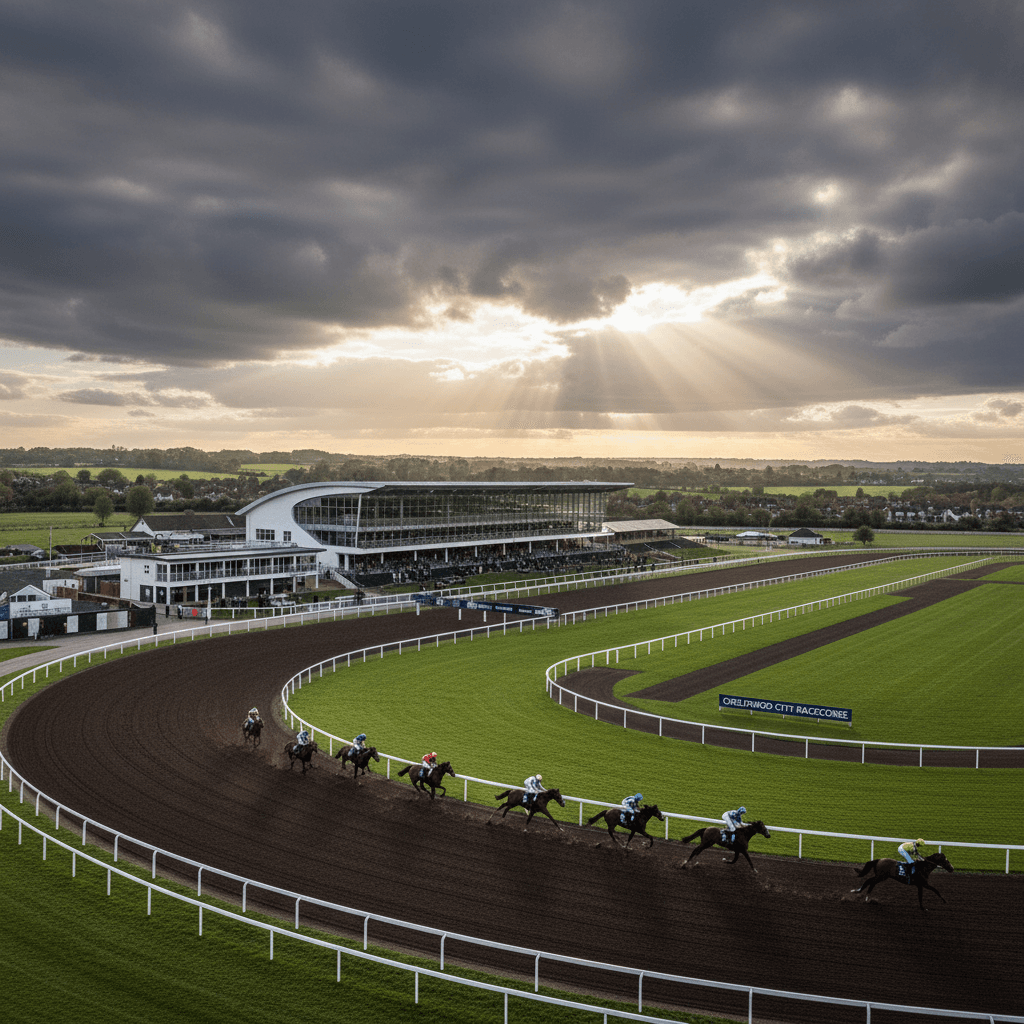
Don't let tonight's abandonment put you off all-weather racing, though. These synthetic tracks have been an absolute godsend to British racing, providing year-round opportunities for horses, jockeys, trainers, and punters alike. Chelmsford City, in particular, has established itself as one of the premier all-weather venues since its opening.
The beauty of tracks like Chelmsford is their consistency. When they are racing, you know exactly what you're getting – a fair, even surface that rewards merit rather than luck. No soft patches to catch out the unwary, no firm ground to favour the speedsters at the expense of the stayers. It's honest racing, and there's something deeply satisfying about that.
For us punters, all-weather racing offers its own particular challenges and rewards. Form tends to be more reliable, course specialists emerge more clearly, and the betting patterns often follow more predictable paths. It's a different discipline from turf racing, but no less fascinating for those willing to embrace its nuances.
Looking Ahead
So what now? Well, the beauty of modern racing is that there's always another meeting around the corner. The horses that were due to run tonight will find other opportunities, the jockeys will dust themselves off for tomorrow's action, and we punters will have to contain our enthusiasm for another day.
It's worth checking the today's racing page for alternative action if you were planning an evening's punting. There might be other meetings running, or perhaps it's time to have a look at tomorrow's cards and start planning ahead.
For those new to the game, nights like this offer a valuable lesson: flexibility is key in horse racing. The weather doesn't read the racing calendar, horses don't always cooperate with our betting plans, and sometimes the best-laid schemes of mice and men – and punters – go awry.
Final Thoughts
As I finish writing this, I can hear the rain lashing against my study window, and it strikes me that whoever made the decision to abandon tonight's racing probably made the right call. There'll be other evenings, other races, other chances to find that elusive winner.
Racing's relationship with the weather is just one of the things that makes this sport so gloriously unpredictable. Yes, it's frustrating when a meeting gets called off, especially when you've done your homework and fancied your chances. But it's also a reminder that horse racing remains, at its heart, an outdoor sport subject to forces beyond our control.
Until next time, keep your powder dry and your expectations flexible. The horses will be back soon enough, and when they are, we'll be ready for them.