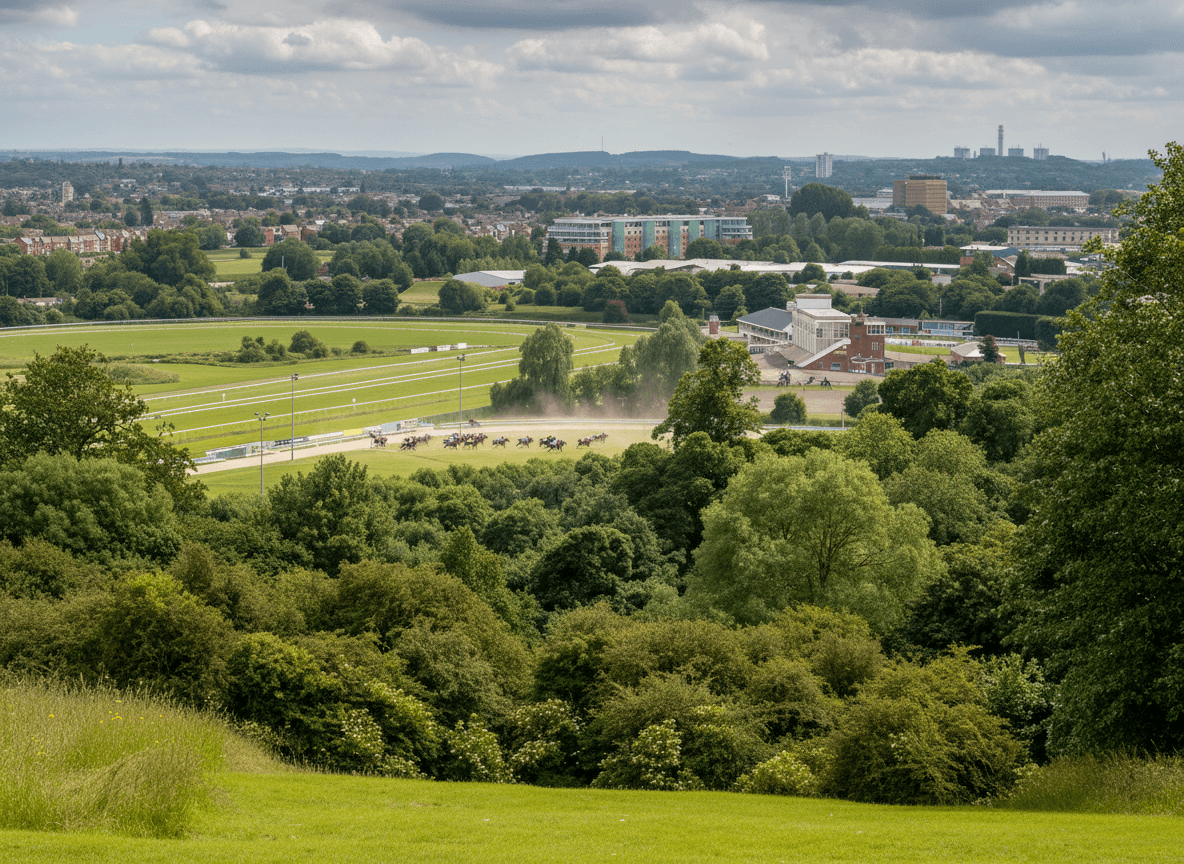

A Competitive Card Awaits at the Essex Venue
Friday afternoon brings a compelling seven-race programme to Chelmsford City, with the Essex venue staging an impressive £251,000 in total prize money across contests ranging from Class 6 handicaps to prestigious conditions events. While the going remains undeclared as we approach racing, the all-weather surface typically provides consistent conditions that allow horses to show their true form without the variables that can affect turf racing.
The afternoon's card presents a fascinating blend of competitive handicaps and quality conditions races, with particular emphasis on three and four-year-old development. The structure of today's programme reflects the modern approach to nurturing young talent while providing meaningful opportunities for seasoned campaigners, something that speaks to racing's commitment to sustainable horse welfare throughout their careers.
Feature Race: The CCR Conditions Stakes Takes Centre Stage
The £60,000 CCR Conditions Stakes at 16:30 stands as the afternoon's premier contest, a Class 2 event over six furlongs restricted to three-year-olds. This Great British Bonus race represents a significant opportunity for emerging sprinters to make their mark at a crucial stage of their development, offering not just substantial prize money but valuable black type that enhances future breeding prospects.
The six-furlong trip on Chelmsford's all-weather surface often produces thrilling finishes, with the track's configuration allowing for tactical racing while still rewarding genuine speed. For three-year-olds at this stage of the season, the conditions race format provides an ideal stepping stone between novice company and the highest level of competition, allowing trainers to assess their charges' progress without the additional burden of carrying penalties.
The Chelmsford Mile Series Reaches Its Climax
Running just 35 minutes earlier, the Chelmsford Mile Series Final Handicap Stakes carries a £50,000 prize fund and represents the culmination of a series that has provided consistent quality racing throughout its duration. This Class 2 handicap over the mile distance attracts horses aged four and upwards, creating a fascinating tactical puzzle for connections and punters alike.
The mile at Chelmsford has long been regarded as one of the fairest tests in racing, with the track's gentle undulations and sweeping bends allowing horses to settle into a rhythm while still providing opportunities for tactical manoeuvring. The Series Final format ensures that only horses who have demonstrated consistent form qualify, typically resulting in highly competitive renewals where small margins separate the field.
From a welfare perspective, it's encouraging to see how series formats like this encourage trainers to campaign their horses regularly without excessive pressure, as the cumulative qualification system rewards consistency over one-off performances that might tempt connections to run horses when not fully ready.
Supporting Cast Offers Depth and Quality
The Tattersalls £40,000 EBF Novice Stakes at 15:25 provides another highlight, offering three-year-olds their first taste of significant prize money in a Class 2 contest over seven furlongs. The European Breeders' Fund support for this race underlines the industry's commitment to encouraging domestic breeding, while the Great British Bonus qualification adds further financial incentive for connections of home-bred horses.
The afternoon's handicap programme demonstrates the breadth of opportunity available at different levels, from the Class 6 seven-furlong contest opening the competitive action at 14:50 through to the extended mile-and-six-furlong handicap at 17:05. This latter race, carrying Class 4 status and Great British Bonus Plus qualification, provides a valuable opportunity for stayers to compete for meaningful prize money, an increasingly important consideration as the sport seeks to maintain viable career paths for horses across all distance categories.
The concluding Class 5 handicap over a mile and two furlongs offers three-year-olds the chance to step up in trip, reflecting the seasonal progression that sees young horses gradually explore their optimum distances. This natural development process, when managed thoughtfully by trainers, exemplifies racing at its most sustainable and horse-friendly.
Tactical Considerations and Track Characteristics
Chelmsford's all-weather surface continues to provide consistent racing conditions that allow form to be assessed with greater confidence than might be possible on turf tracks subject to varying going conditions. The Polytrack surface, while occasionally criticised for producing different form patterns to turf, offers the significant welfare advantage of reducing injury rates while providing year-round racing opportunities.
Today's Chelmsford City racecard showcases distances from five furlongs to a mile and six furlongs, utilising the full range of the track's capabilities. The variety ensures that different types of horses can find suitable opportunities, from sharp sprinters to progressive stayers, reflecting the inclusive approach that modern racing strives to maintain.
The absence of declared runners at this early stage allows for speculation about the quality of fields that connections are assembling, but the prize money on offer and the strategic importance of these races in the racing calendar suggests that competitive fields are likely across the card.
Looking Ahead: Ones to Watch
While specific runners remain to be declared, today's programme structure suggests several key areas of focus for followers of the sport. The CCR Conditions Stakes will likely attract horses stepping up from successful novice campaigns, making it essential viewing for those tracking emerging talent in the sprint division.
The Mile Series Final should feature horses who have demonstrated consistency throughout the qualifying period, creating a fascinating clash between different tactical approaches and running styles. The supporting handicaps offer opportunities for horses at various stages of their careers, from promising three-year-olds exploring new distances to seasoned campaigners seeking to add to their prize money tallies.
From a broader perspective, today's card exemplifies the positive direction of modern racing, balancing commercial viability with horse welfare considerations while providing meaningful opportunities across the ability spectrum. The variety of distances and classes ensures that different types of horses can find appropriate targets, supporting the long-term sustainability that benefits all participants in our sport.