A Necessary Decision for Horse Welfare
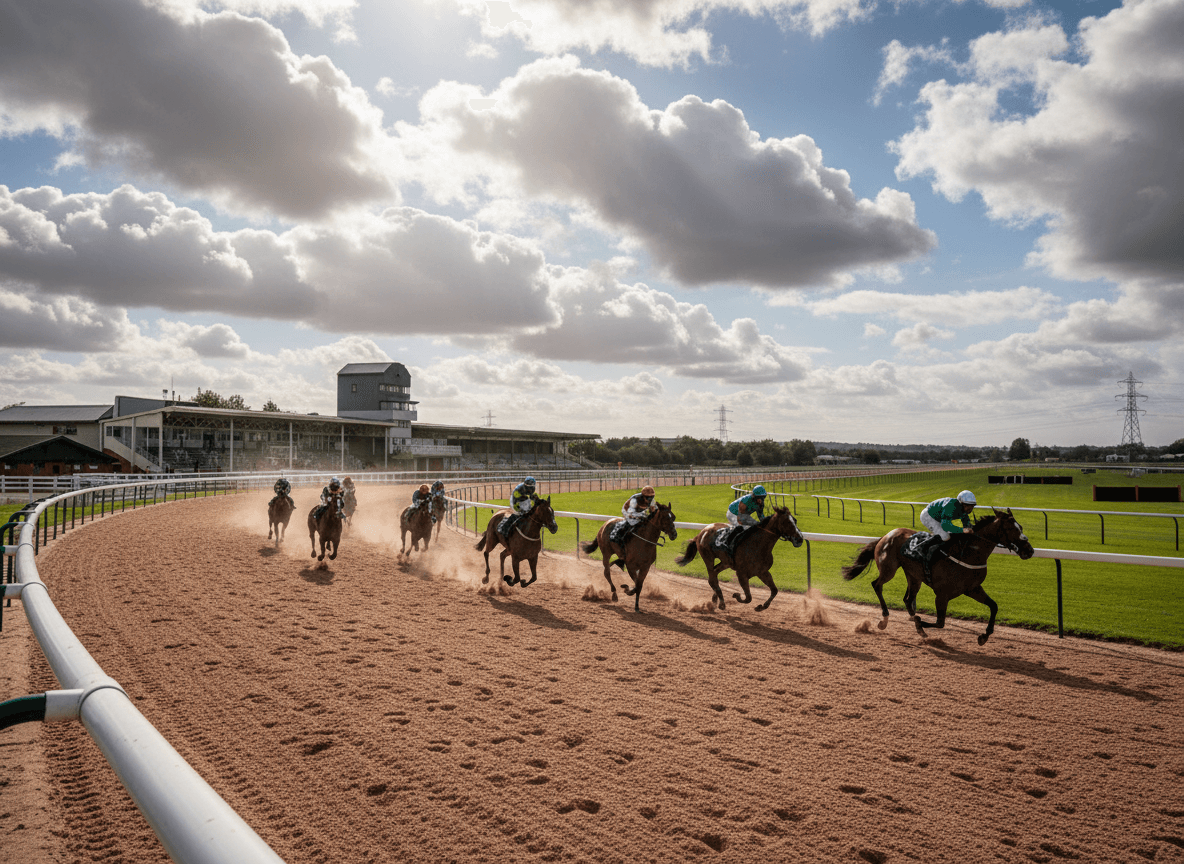
The abandonment of today's racing at Epsom Downs serves as a stark reminder that in modern horse racing, the welfare of our equine athletes must always take precedence over commercial considerations. With the going deemed unsuitable and no possibility of improvement through irrigation, the British Horseracing Authority's decision to cancel the Epsom Downs racecard demonstrates the sport's evolving commitment to prioritising safety above all else.
The seven-race programme, which included the prestigious Listed Betfred Blue Riband Trial and the historic Great Metropolitan Handicap, would have provided a compelling afternoon's sport under normal circumstances. However, the current ground conditions, described as unsuitable with no prospect of improvement, presented unacceptable risks to both horses and jockeys that no responsible racing authority could ignore.
Understanding Ground Conditions and Their Impact
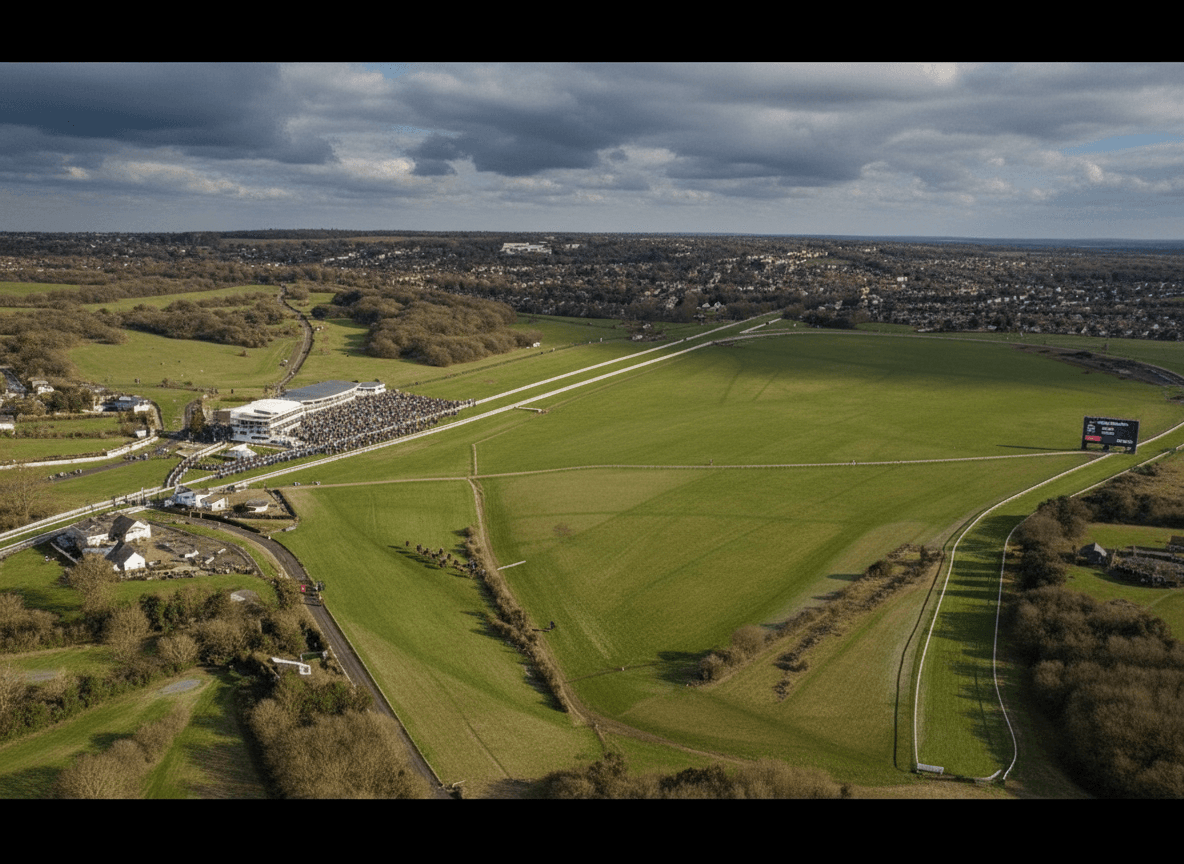
Ground conditions at racecourses are far more than mere technical details—they represent the fundamental safety parameters within which our sport operates. When tracks become too firm, as appears to be the case at Epsom today, the increased jarring effect on horses' legs can lead to serious injuries, particularly on a course as undulating and demanding as the famous Surrey Downs.
The lack of rainfall and inability to provide adequate irrigation has created a situation where the racing surface simply cannot provide the cushioning effect necessary for safe competition. Modern racing has moved far beyond the cavalier attitudes of previous generations, where horses were expected to compete regardless of conditions. Today's approach recognises that a single day's racing, however valuable, is never worth risking the long-term soundness of the horses we cherish.
The timing of this abandonment—announced with sufficient notice to prevent unnecessary travel for connections, jockeys, and racegoers—also reflects improved communication protocols that respect everyone's investment in the sport while maintaining unwavering safety standards.
The Races We've Lost Today
Among the casualties of today's abandonment, the Betfred Blue Riband Trial stands out as particularly significant. This Listed contest over one mile, two furlongs and seventeen yards traditionally serves as an important stepping stone for three-year-olds with Classic aspirations, offering valuable black type and prize money of £60,000. The race's position in the calendar makes it an ideal preparation for horses targeting the Derby itself on this very course in early June.
The Great Metropolitan Handicap, with its rich heritage dating back to the Victorian era, represents another significant loss. This staying handicap over one mile, four furlongs and six yards has long been a target for trainers seeking to test their charges over an extended distance on one of racing's most challenging tracks. The £25,000 prize fund would have attracted a competitive field of seasoned campaigners.
The supporting programme, featuring a mixture of handicaps and novice events, would have provided opportunities for horses at various stages of their careers to experience Epsom's unique challenges. The undulating nature of the Downs, with its famous camber and testing gradients, offers lessons that cannot be learned anywhere else—making today's postponement particularly frustrating for connections planning Derby campaigns.
A Broader Perspective on Racing's Evolution
This abandonment reflects racing's broader evolution towards a more scientifically-informed approach to equine welfare. The days when racing continued regardless of conditions are thankfully behind us, replaced by sophisticated monitoring systems and clear protocols that prioritise horse safety. The British Horseracing Authority's willingness to cancel fixtures at short notice when conditions deteriorate demonstrates institutional maturity and responsibility.
The decision also highlights the challenges facing racecourses in an era of increasingly unpredictable weather patterns. Investment in irrigation systems, drainage technology, and surface management has become crucial for maintaining safe racing surfaces year-round. Courses that fail to adapt to these realities will find themselves facing more frequent abandonments and the associated financial pressures.
For trainers and owners, such abandonments, while disappointing, ultimately serve their interests by protecting their valuable horses from unnecessary risk. The modern thoroughbred represents a significant financial investment, but more importantly, these animals are athletes deserving of our protection and respect. No prize, however prestigious, justifies compromising their welfare.
Looking Forward: Lessons and Implications
Today's abandonment at Epsom will undoubtedly prompt discussions about infrastructure investment and contingency planning at one of racing's most iconic venues. The course's unique topography and its crucial role in the racing calendar—particularly as home to the Derby and Oaks—make such disruptions particularly significant for the sport's broader ecosystem.
The rescheduling of today's races will present logistical challenges for connections who had targeted specific contests, particularly the Blue Riband Trial with its Derby implications. However, these inconveniences pale in comparison to the potential consequences of racing on unsuitable ground, which could include serious injuries that might end promising careers or, in the worst cases, prove fatal.
As racing continues to evolve in response to public scrutiny and changing expectations around animal welfare, decisions like today's abandonment help demonstrate the sport's commitment to responsible stewardship. They show that racing can adapt, learn, and prioritise what truly matters—the safety and wellbeing of the magnificent animals that make our sport possible.
While today brings disappointment for those who had planned to enjoy an afternoon at the Downs, it also reinforces confidence that modern racing operates according to principles that put horse welfare first, ensuring the sport's sustainability for future generations.