The Week in Numbers
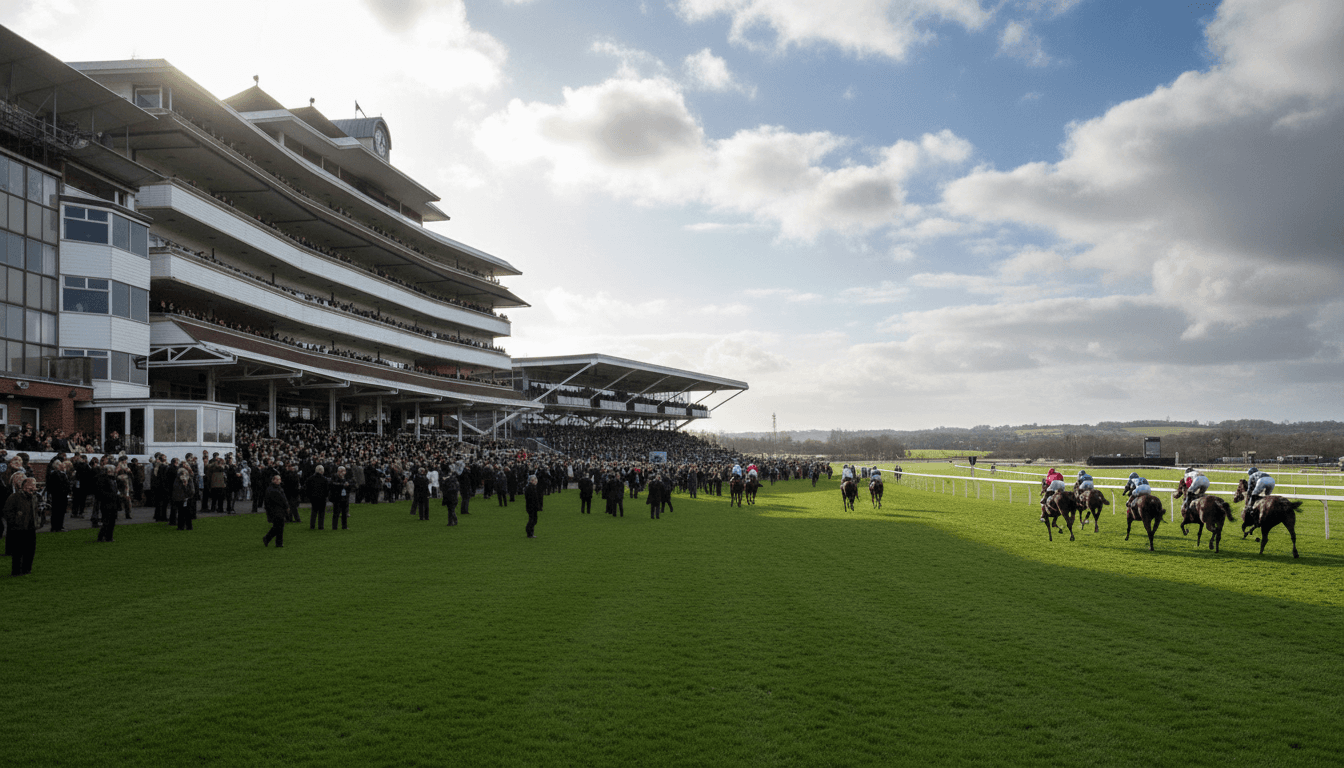
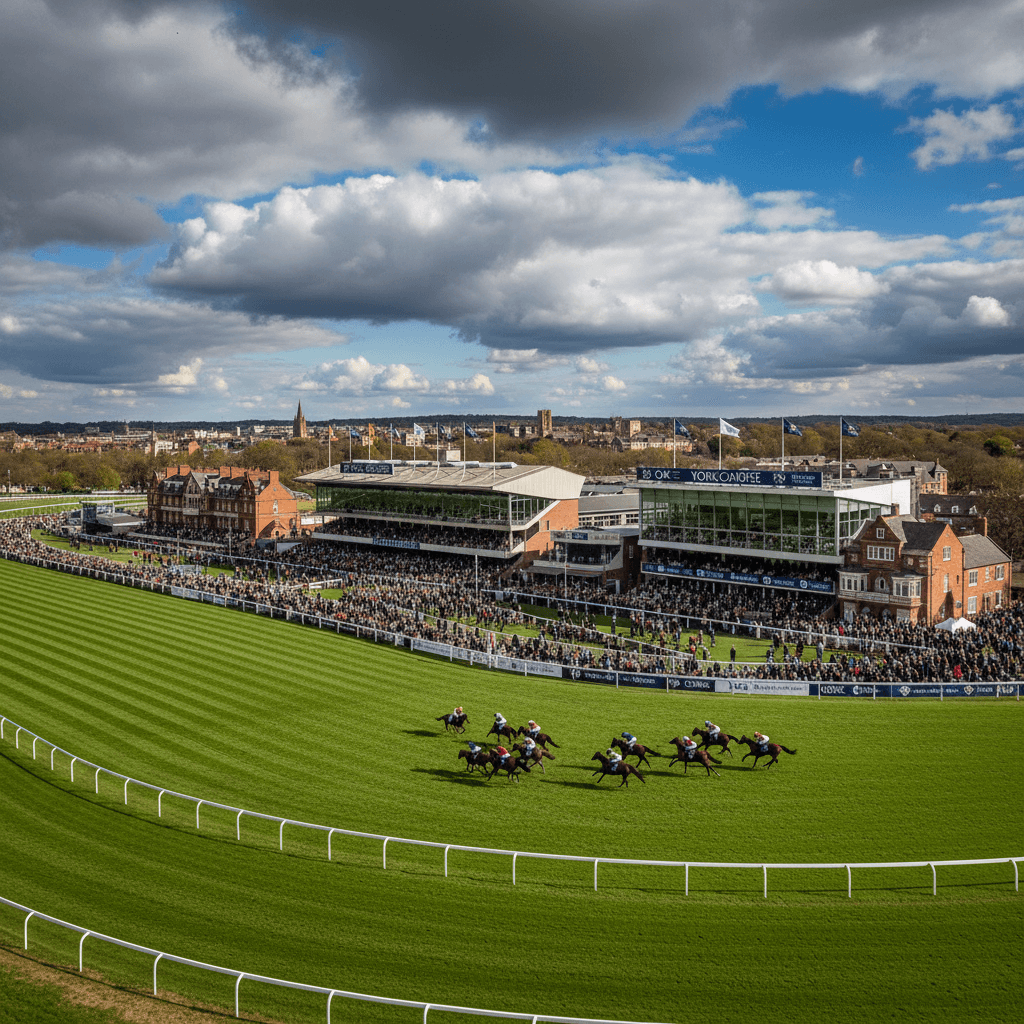
Thirty-two fixtures across a sprawling map of British racing, from Perth in the north to Folkestone in the south, produced 1,923 rides between Sunday the 26th of July and Sunday the 2nd of August. That is a significant volume for a single week — roughly 60 rides per fixture on average — and the sheer spread of venues tells its own story about the mid-summer fixture list: relentless, geographically demanding, and unforgiving for any stable or jockey without the staffing to match their ambition.
Folkestone, appearing in the card of almost every jockey and trainer profiled here, was clearly the week's axis. Its presence across so many columns suggests either a high-volume all-weather card or a sequence of meetings that drew the bulk of the southern training community. Meanwhile, Perth continued to attract the northern contingent, and York — as it always does in the summer — commanded its share of quality. The week was not short of storylines.
Top Jockeys: Mileage, Momentum and Meaning
Billy Loughnane — 41 Rides
Billy Loughnane leads the human riders with 41 rides across Perth, Southwell, York, Folkestone and Newbury — a range that speaks to genuine cross-country demand. That York and Newbury both feature in his week is significant; these are not just volume tracks but quality venues where the better-class handicapper and pattern horse appear. Loughnane has shown over the past two seasons that he is as comfortable in a competitive York handicap as he is grinding out winners on the all-weather at Southwell, and that versatility is what keeps his book full at this time of year.
Oisin Murphy — 42 Rides
The raw headline belongs to Oisin Murphy, whose 42 rides across Wincanton, Folkestone and Cheltenham represent the highest tally among named jockeys this week. That his three venues are all jumps or mixed tracks is an interesting detail — Murphy has always been a Flat specialist, so his presence at Wincanton and Cheltenham in late July suggests either crossover bookings or a specific set of rides that warranted the journey. Whatever the reason, 42 rides in a week is a punishing schedule, and form students should look carefully at where he was freshest.
Silvestre De Sousa — 34 Rides
Silvestre De Sousa clocked 34 rides across six venues — Perth, Southwell, Folkestone, Windsor, Taunton and York — which is a geographical range that would exhaust most. De Sousa has spent the better part of a decade being the rider trainers call when they want quiet competence rather than celebrity, and his presence at both Perth and York in the same week underlines that reputation. He remains one of the most underrated big-race jockeys in the country, and his Windsor and York bookings in particular deserve closer inspection.
David Egan — 27 Rides
David Egan confined his 27 rides to just two venues — Wincanton and Folkestone — which suggests a more targeted week than some of his peers. Concentration of rides at specific tracks can be a positive signal: it often means a jockey is booked by a small number of stables with large teams at those venues, implying confidence and familiarity. Egan is a rider whose style rewards tracks that favour patience and a late run, so Folkestone's configuration will have suited him well.
Tom Marquand — 26 Rides
Tom Marquand spread his 26 rides across Southwell, Folkestone and York. The York component is the one to focus on: Marquand has developed a strong association with William Haggas's string in recent seasons, and Haggas was one of the week's most active trainers with 36 runners. Where those two names overlap on a York card, the combination is worth noting — Marquand's clean, unhurried style suits the Knavesmire's long straight, and Haggas's horses are invariably fit and well-prepared when they make the journey north.
Top Trainers: Volume, Reach and Intent
James Owen — 37 Runners
James Owen heads the trainers' table with 37 runners across 13 venues — a genuinely remarkable spread that includes Towcester, Kelso, Ayr and Chester alongside the more predictable southern tracks. Owen has built a yard that operates with the efficiency of a production line, and his runners at Kempton Park and Newmarket in the same week suggest he is not simply filling fields but targeting specific races with specific horses. His record at the all-weather venues in particular makes his Southwell and Kempton runners worth a second look.
David O'Meara and Tim Easterby — 36 Runners Each
David O'Meara and Tim Easterby share second place on 36 runners apiece, and between them they cover almost every northern venue on the card. O'Meara's reach extends as far south as Folkestone and Plumpton, which is unusual for a Middleham handler and implies he had specific horses suited to those tracks. Easterby, by contrast, is more predictably spread across Pontefract, Musselburgh and Doncaster — the northern circuit he knows better than almost anyone. Both yards are at peak summer output, and their runners at the better tracks deserve respect.
William Haggas — 36 Runners
William Haggas also reaches 36 runners, but the quality of his venues sets him apart. Newmarket, York, Windsor and Cheltenham all feature, and his Pontefract runners — a track he has always used intelligently — are worth monitoring. Haggas does not run horses for the sake of it, and a 36-runner week in late July typically means he has a clear plan for each horse. His Newbury and York runners in particular should be treated with respect, especially where Tom Marquand is in the saddle.
Richard Hannon — 34 Runners
Richard Hannon's 34 runners span Southwell, Pontefract, Ripon, Epsom Downs, Newbury, Taunton and Kempton Park — a mix that reflects his yard's strength in numbers and his willingness to travel for the right race. Hannon's two-year-olds are invariably among the best-bred in training, and his Newbury runners at this time of year often carry serious Classic entries. The Ripon and Pontefract bookings suggest he is also placing older horses carefully in northern handicaps, where the competition can be softer than the southern equivalent.
Combinations to Follow
The data points to several jockey-trainer combinations worth tracking into the coming week. Haggas and Marquand at York or Newbury is the standout pairing — both are operating at high volume and the stylistic fit is excellent. O'Meara and Clifford Lee is another: Lee rode 24 times across Perth, Pontefract, Folkestone, Newmarket and Newbury, and his northern base aligns naturally with O'Meara's Middleham operation. Where they combine at Newmarket or Newbury, the booking carries extra weight. James Owen and Silvestre De Sousa at the all-weather venues is a third pairing worth noting — Owen's volume and De Sousa's precision on synthetic surfaces make for a productive alliance.
Ones to Follow
- Billy Loughnane — High volume across quality tracks; York and Newbury bookings suggest trainer confidence at the top level.
- David Egan — Concentrated at two venues, implying strong stable relationships; worth following blind at Folkestone.
- William Haggas runners at York — 36 runners, quality venues, and a jockey in Marquand who knows the yard's horses intimately.
- James Owen at Kempton Park — His all-weather record and volume of runners make him a reliable source of winners on the polytrack.
- James Doyle — All 25 of his rides came at Folkestone, suggesting a dominant booking arrangement at that venue; if the track suits his style, the strike rate could be significant.
The Betting Angle
If you are inclined to follow a jockey or trainer blindly through the week ahead, the data offers two quiet recommendations. First, William Haggas: 36 runners, quality venues, and a trainer whose runners rarely appear without purpose. His strike rate at Newmarket and York in the summer months is consistently above the market expectation, and backing his runners each-way at those two tracks over the coming days is a strategy with a reasonable historical basis.
Second, Billy Loughnane at York specifically. His 41-ride week included the Knavesmire, and jockeys who ride York regularly in the summer tend to build a feel for the track's unique demands — the long run to the first bend, the false flat in the straight — that translates into winners. He is not yet commanding the market premiums of the very top names, which means his mounts are often available at a slight overlay. That gap between ability and market perception is precisely where value lives.
A busy week, then, with no shortage of threads to pull. The volume of 1,923 rides across 32 fixtures is a reminder of just how relentless the summer Flat programme has become — and why the trainers and jockeys who manage their resources most carefully tend to come out ahead when the autumn prizes arrive.