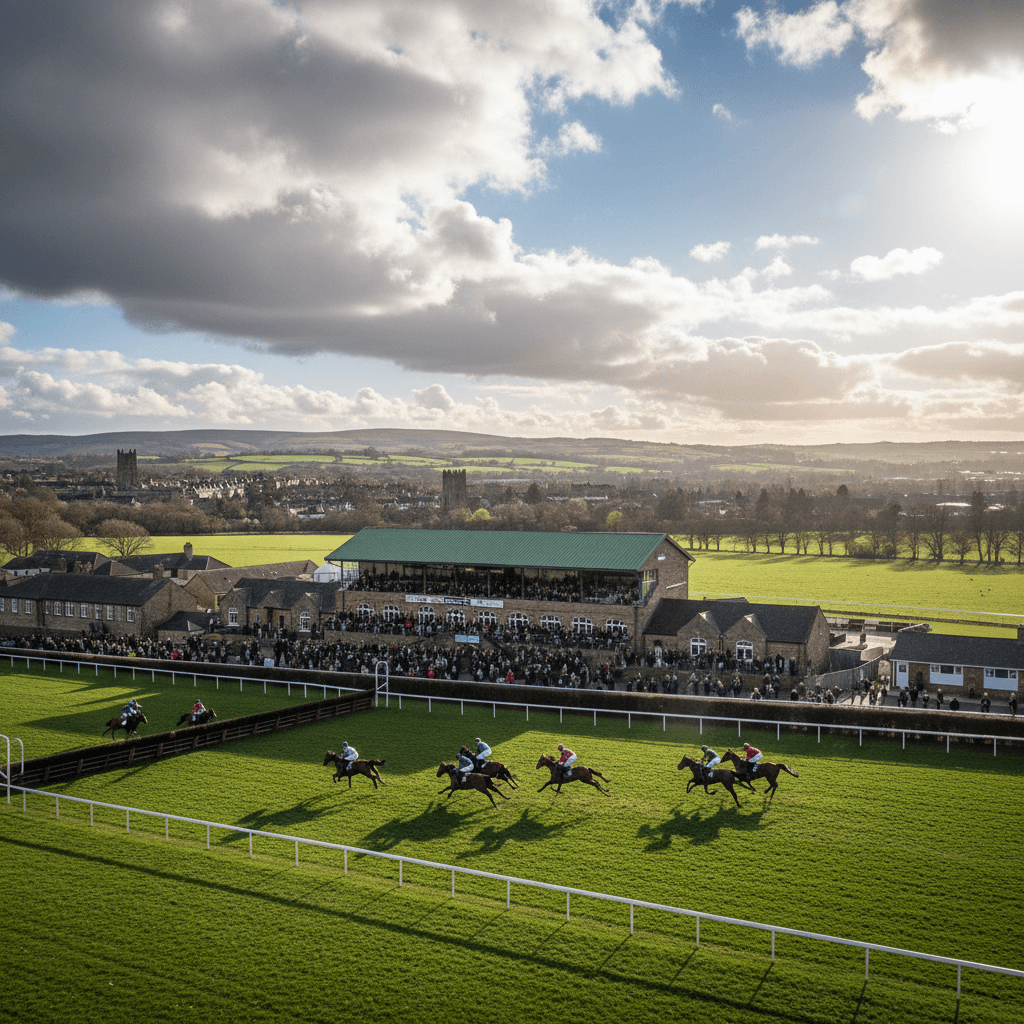
England's Highest Stage
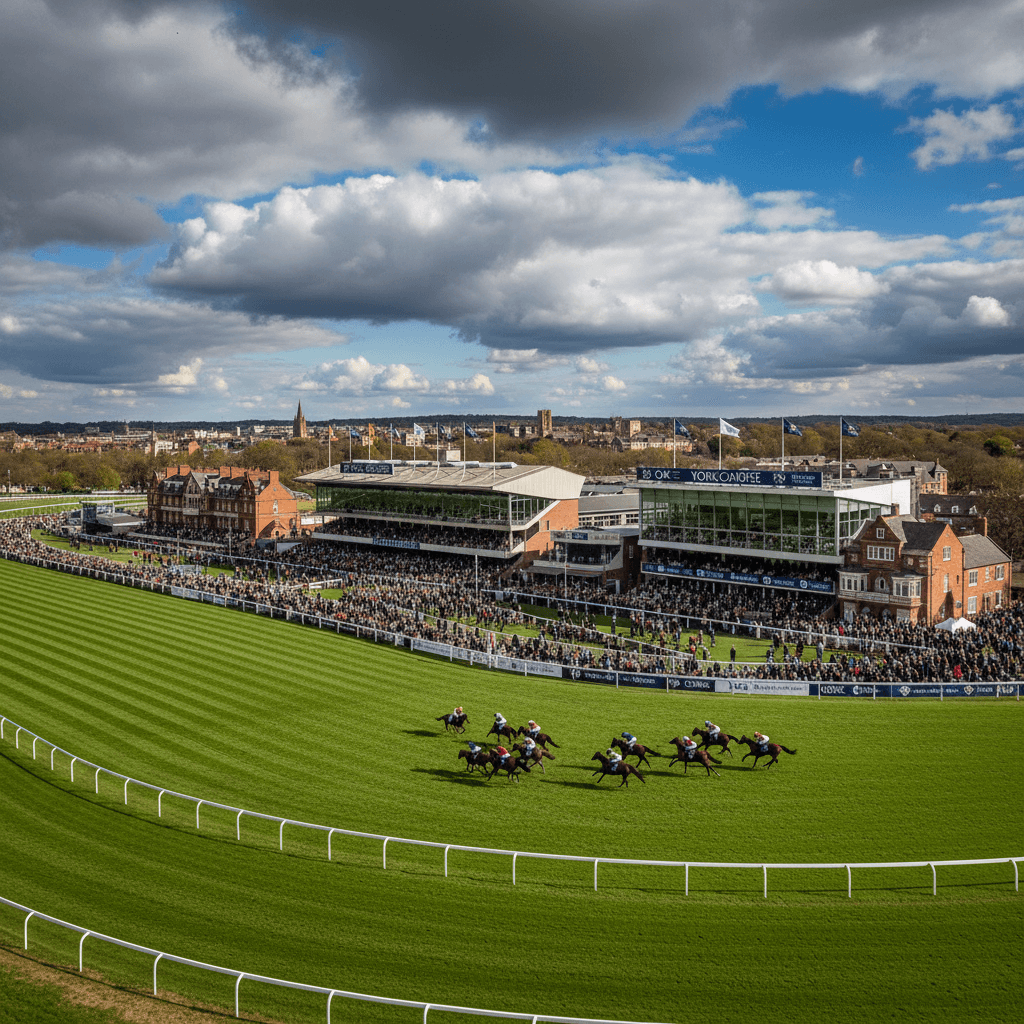
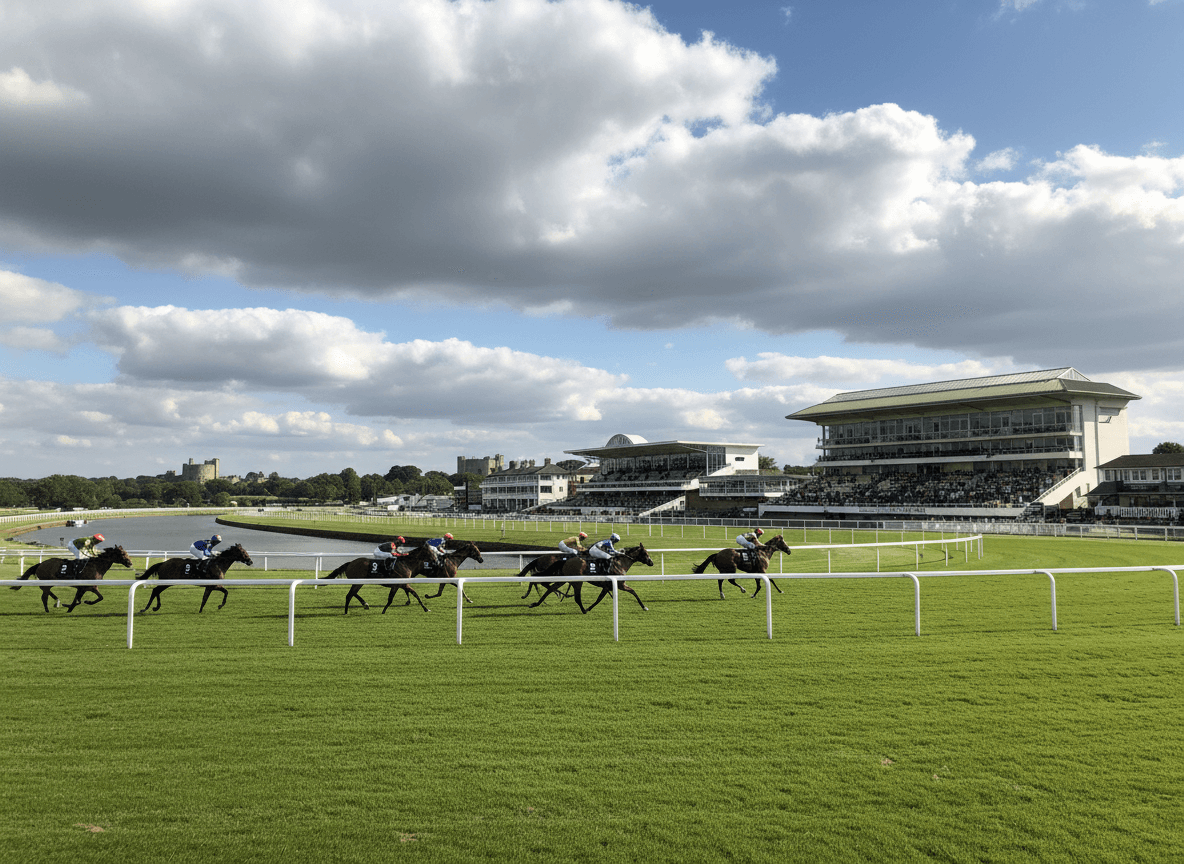
There are racecourses that impress you with their grandeur, and there are racecourses that get under your skin. Hexham belongs firmly in the second category. Perched high above the Tyne Valley in Northumberland, England's loftiest racecourse has been staging National Hunt racing since 1890, and in all that time it has never lost the quality that makes it singular: the sense that racing here is earned, not merely run. The wind comes off the hills without apology. The views stretch further than seems reasonable. And the horses that win here tend to do so because they are genuinely, uncomplicatedly tough.
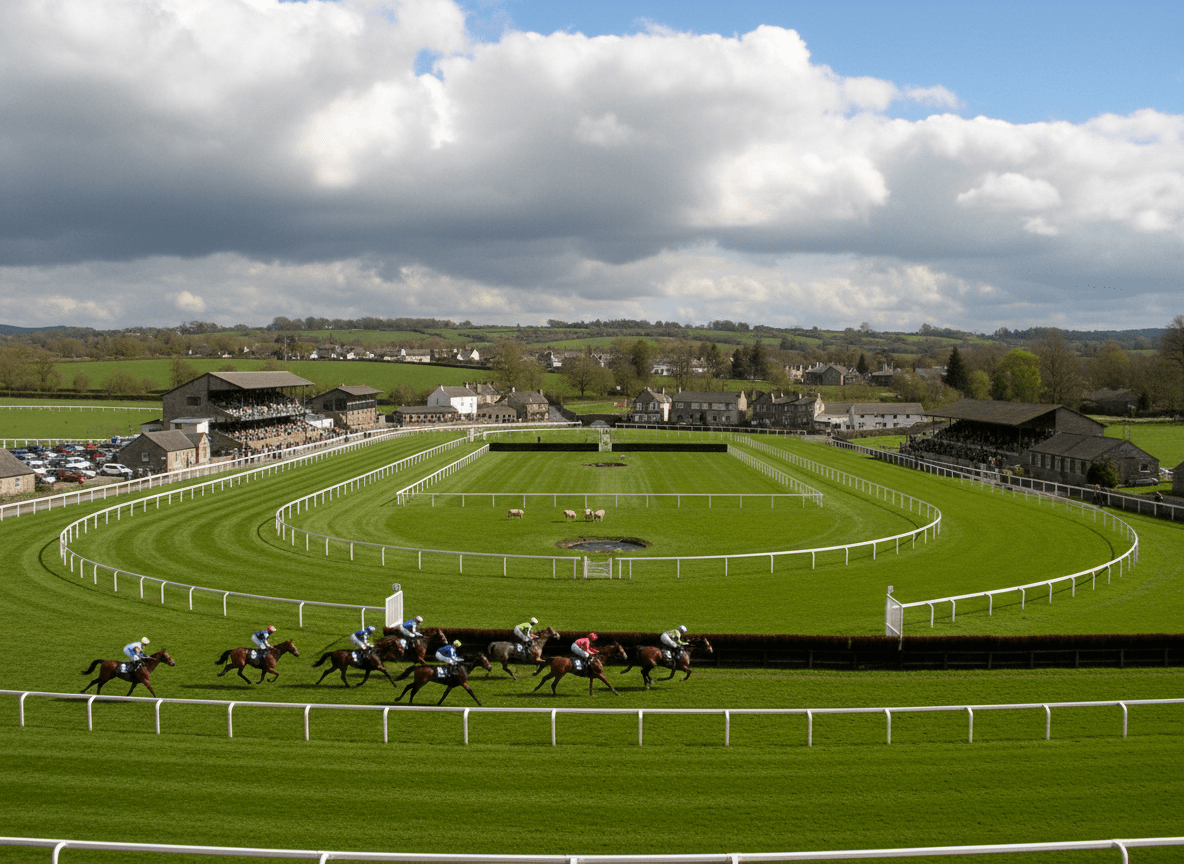
That elevation — and everything that comes with it — shapes Hexham's character completely. This is not a track that flatters. It does not offer wide, galloping straights or forgiving cambers. What it offers instead is a left-handed, undulating circuit of approximately a mile and a half, with stiff climbs, sharp bends, and a downhill run to the finish that catches out horses who are either jumping on instinct alone or carrying more condition than their trainer would care to admit. For those of us who love jump racing in its most elemental form, Hexham is close to perfect.
This Week's Fixtures: Evening Racing Under Autumn Skies
Hexham hosts three evening fixtures across the coming week, and there is something quietly appealing about that — jump racing as the days shorten and the Northumberland light turns golden at the edges. The cards are as follows:
- Monday, 5 October 2026 — 9 races, Going: Standard to Slow
- Wednesday, 7 October 2026 — 8 races, Going: Standard to Slow
- Friday, 9 October 2026 — 8 races, Going: Standard to Slow
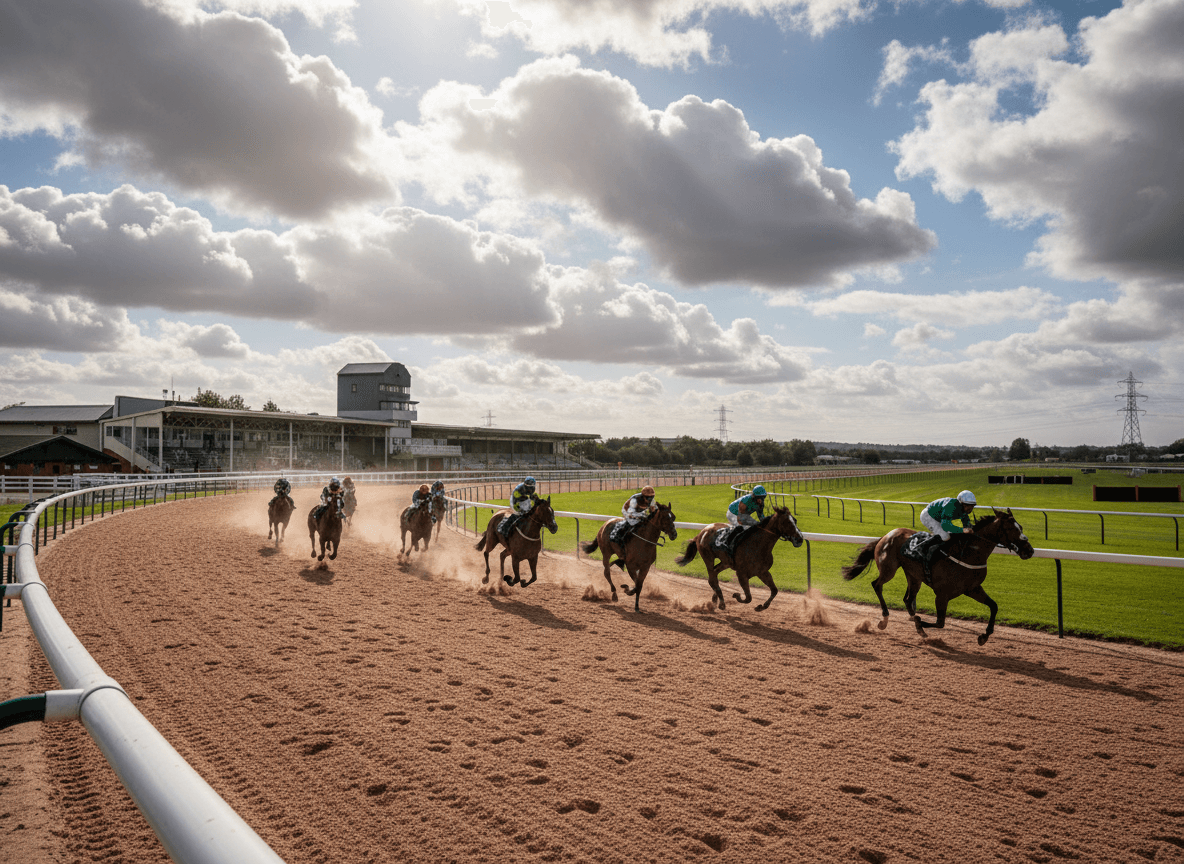
The going description of Standard to Slow across all three days is worth pausing on. For a National Hunt track of Hexham's character, this is a significant piece of information. The ground is not quick, and it will not ride quick. Horses will be asked to work for every yard, and the combination of testing underfoot conditions and Hexham's inherent topographical demands means that stamina — real, deep-seated stamina — will be at an absolute premium across the week. If you are approaching these cards looking for a horse to back, start by asking whether it truly stays the trip. At Hexham in this ground, the answer to that question matters more than almost anything else.
Reading the Track: What Hexham Demands
Understanding Hexham's layout is essential to understanding its results. The circuit is left-handed and roughly oval, but the term 'undulating' does not quite capture the severity of the terrain. Horses climb meaningfully on the far side of the course before descending into the home straight — and that descent, while it might look like a gift on paper, is anything but. A horse that has been jumping boldly throughout a race and burning energy on the climbs will find the downhill run a searching examination of its technique and its reserves. Jumping errors here tend to be punished more severely than at flatter, more forgiving tracks.
The bends at Hexham are sharp enough to reward handy, well-balanced horses and to expose those that race freely or carry their heads awkwardly. Horses that race prominently but within themselves — settled enough to be steered efficiently through the turns, yet with enough in reserve to respond when asked — tend to be the profile that the track rewards most consistently. Front-runners can get away with it if they have the jumping fluency to maintain momentum, but those who bowl along at a flat-out gallop from the off rarely last home in testing ground.
There is no meaningful draw bias to speak of in the National Hunt context, of course, but position in the early stages matters enormously at Hexham. Horses that find themselves buried in a large field and forced wide on the bends will use energy they simply cannot afford to spend. In the 9-race card on Monday in particular, watch for runners that can secure a clean position without burning excessive fuel to do so.
The Horse That Wins at Hexham
If you were to sketch the ideal Hexham performer, it would look something like this: a strong-staying jumper, ideally with form on undulating or testing tracks, ridden by a jockey who understands the importance of jumping economically and saving ground on the bends. Breeding towards stamina is a genuine advantage here — this is not a track where a brilliant burst of speed in the final furlong rescues a horse that has been outjumped or outpaced elsewhere. The race is generally won, or lost, long before the winning post comes into view.
Horses with previous course form at Hexham deserve particular respect. The track is unusual enough that familiarity counts for something — not merely in terms of confidence, but in terms of how a horse learns to balance itself on the descents and find its rhythm through the bends. Trainers based in the North — and there are several with excellent records at the track — tend to know Hexham's quirks intimately and will often target it deliberately with horses they believe suit the conditions.
In Standard to Slow ground this week, proven mud-lovers and horses with a tendency to stay on past the post rather than fade into it will be at a significant advantage. Look carefully at recent form in similar conditions, and be wary of horses whose best performances have come on faster ground or at flatter, more speed-favouring tracks.
Practical Tips for Punters and Racegoers
Whether you are heading up to the Northumberland hills in person or watching from home with a card open, a few practical thoughts are worth keeping in mind across the three fixtures this week.
- Respect the ground. Standard to Slow at Hexham is a genuine stamina test. Discount horses whose form profiles suggest they are at their best on faster surfaces.
- Watch the pace of each race carefully. In testing conditions on an undulating track, races run at a strong gallop from the front will often see the field string out significantly — creating opportunities for horses with proven stamina to pick up late.
- Note trainer patterns. Northern yards with a strong Hexham record are often targeting these fixtures deliberately. A trainer who sends a horse a long distance to Hexham usually has a reason.
- Be selective in large fields. The 9-race card on Monday offers plenty of opportunity but also plenty of noise. Focus your attention on races where the pace scenario is clearest and the field size most manageable.
- If attending in person, dress warmly and allow time to find your footing on the site — Hexham's elevated position means the weather can change quickly, and the panoramic views from the stands are worth arriving early to appreciate properly.
A Final Word
Hexham does not ask for your admiration. It has been here since 1890, doing what it does, high above the Tyne Valley, indifferent to fashion and immune to the homogenising forces that have smoothed the edges off so many of racing's venues. The horses that win here are honest ones. The racing is genuine. And on three autumn evenings this week, with the going testing and the hills doing what hills do, there will be stories worth following closely.
Check the full Hexham course page for form guides and analysis, and keep an eye on the Friday evening card in particular — with the week's racing concluding and conditions likely to have settled, it may prove the most informative of the three.