A Course Like No Other
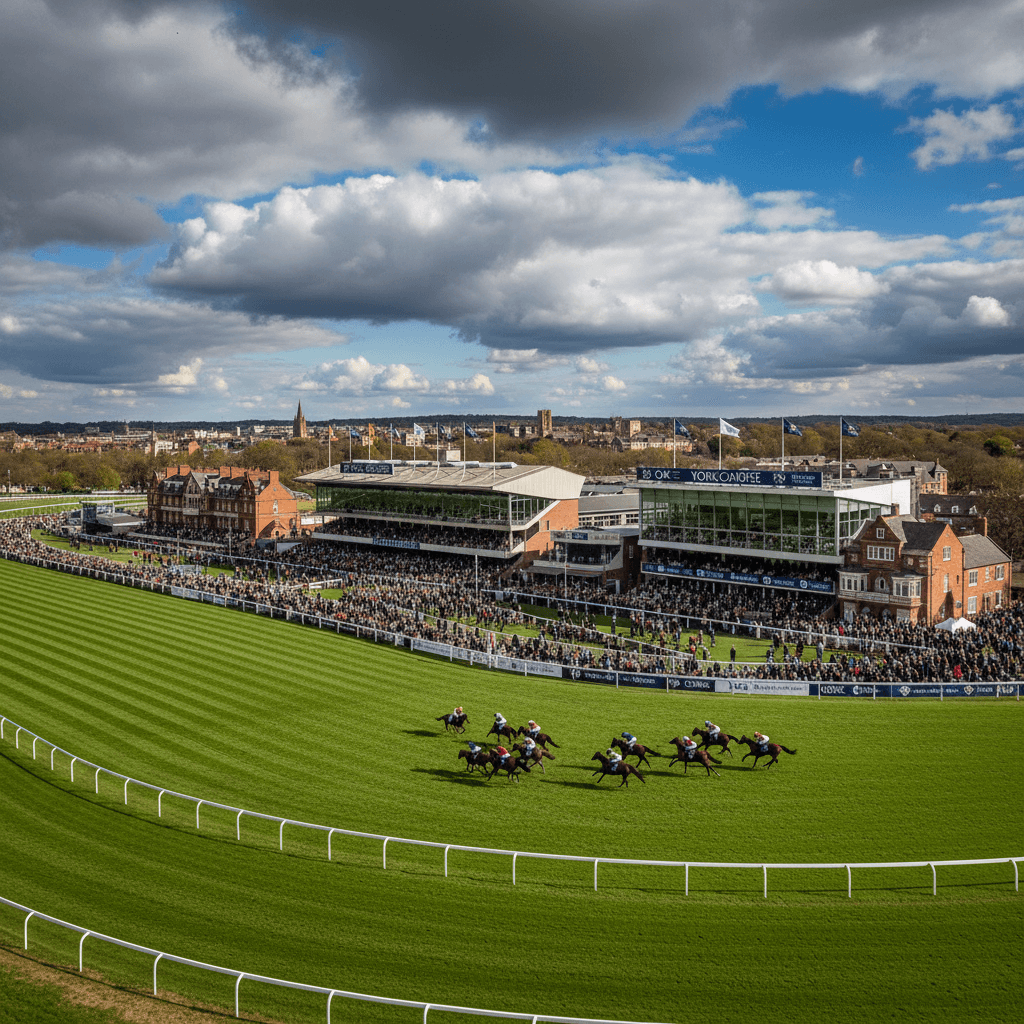
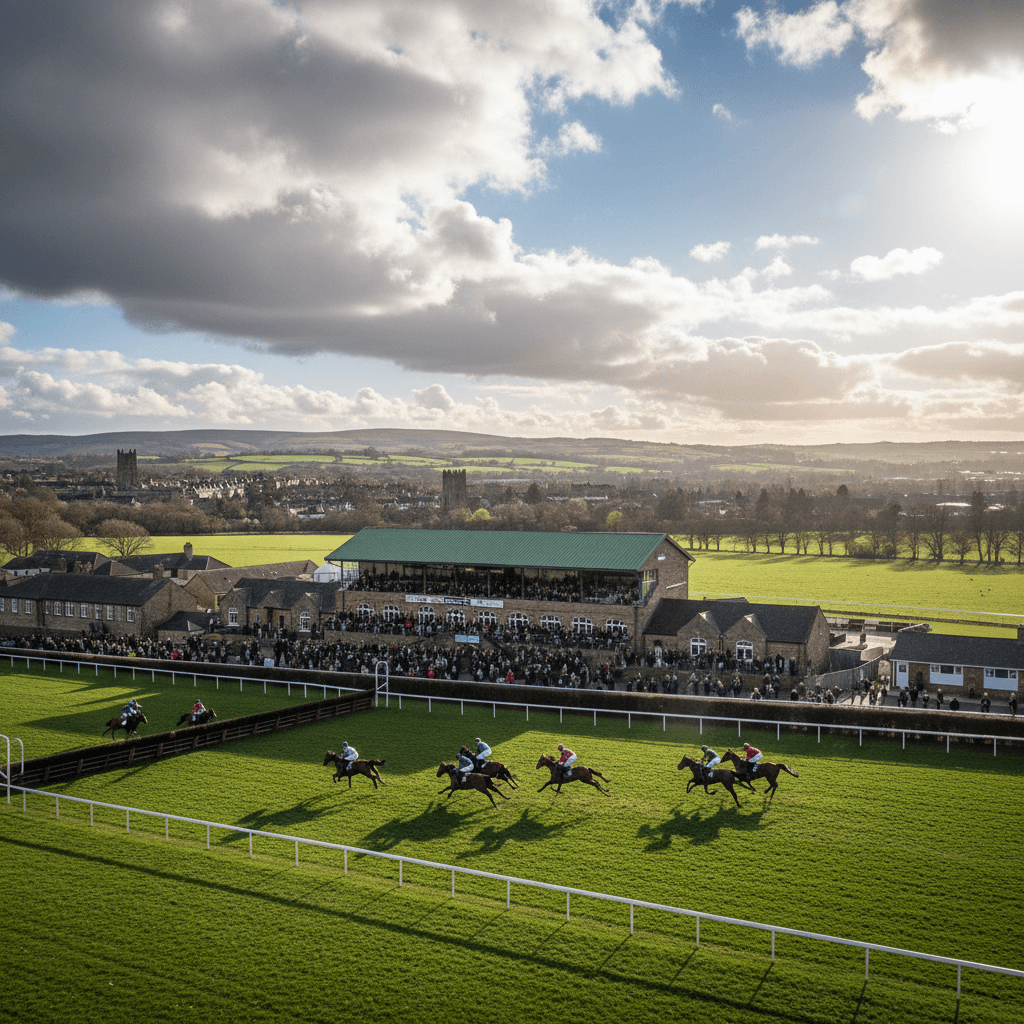
There are racecourses, and then there is Cartmel. Tucked into the folds of the Lake District's southern edge, surrounded by dry-stone walls, priory spires and the gentle hum of a village that has been welcoming racegoers since 1856, Cartmel occupies a category entirely its own in British racing. It is a place where the sport feels genuinely embedded in the landscape and the community — where horses disappear momentarily behind the crowds and the fairground stalls, only to reappear around the final bend to a roar that seems disproportionately large for a course of its intimate scale. That is part of the magic, of course. Cartmel does not need grandeur. It has something far rarer: soul.
Predominantly a summer venue, Cartmel's October fixtures carry a particular poignancy — the last gasp of the season here, the Lakeland light turning golden, the hills beyond the village softening into autumn haze. If you have never made the trip, this weekend is as good a reason as any. And if you have been before, you already know you don't need much persuading.
This Week's Fixtures: What's On
Cartmel stages a generous three-day National Hunt programme this week, with racing on Friday, 9 October, Saturday, 10 October and Sunday, 11 October 2026, all afternoon sessions. Across the three days, racegoers are treated to a total of 24 races — seven on Friday, seven on Saturday and a particularly generous ten-race card on Sunday.
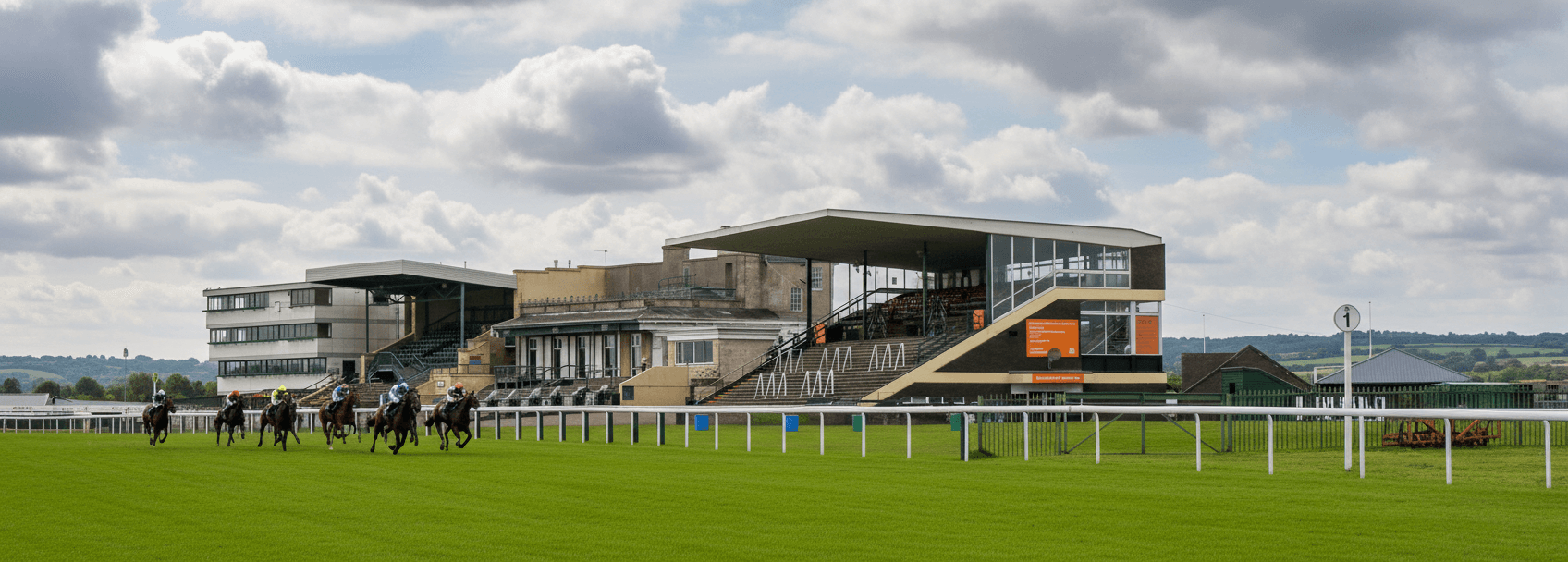
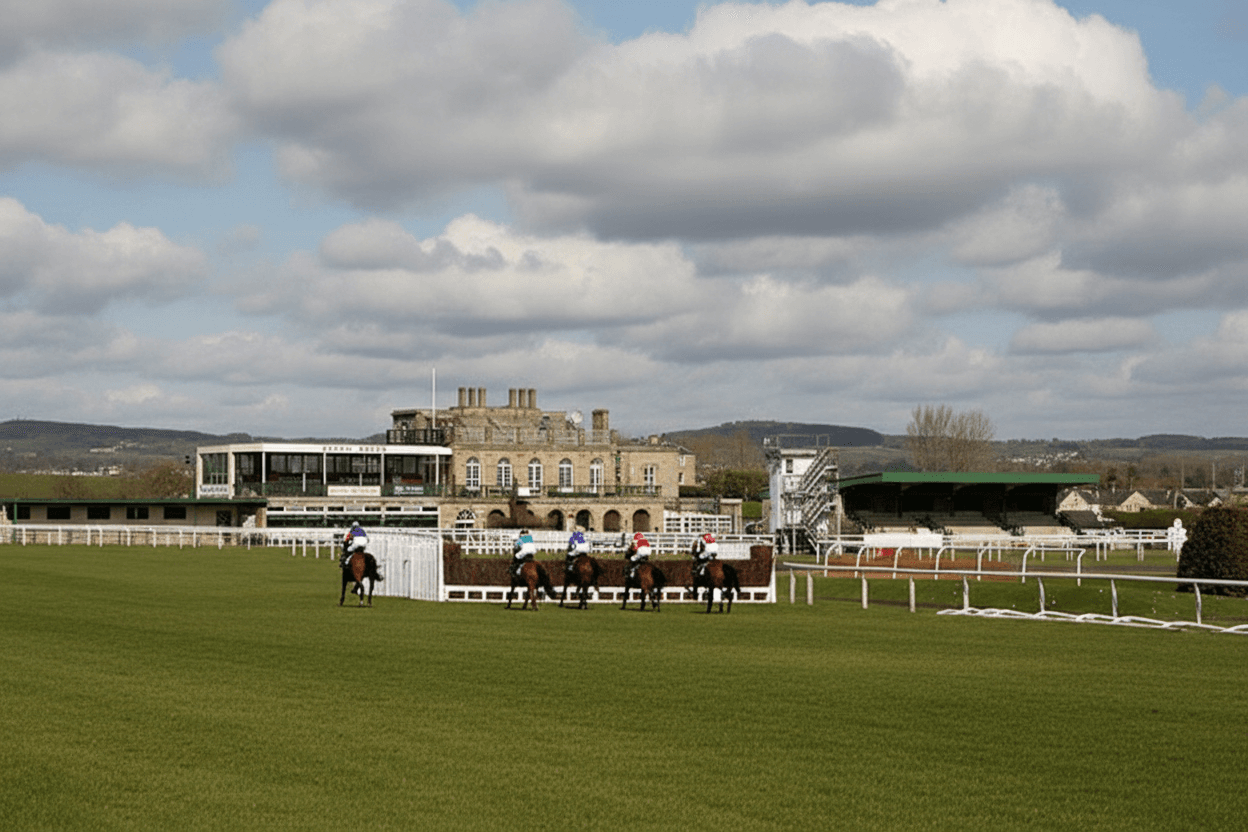
Crucially, all three days are all-hurdle cards run on the flat track, which shapes the nature of the racing considerably. There are no fences in play this weekend, which means the emphasis falls squarely on jumping fluency, stamina management and — given the track's characteristics — the ability to handle a tight, turning circuit at pace. The going is reported as Good to Soft, Good in places across all three days, which is about as fair and honest a surface as you could hope for at this time of year. Horses will be able to travel through the ground without undue effort, and the going should reward those who jump well and travel smoothly rather than those who rely on testing conditions to grind out a result.
Understanding the Cartmel Track
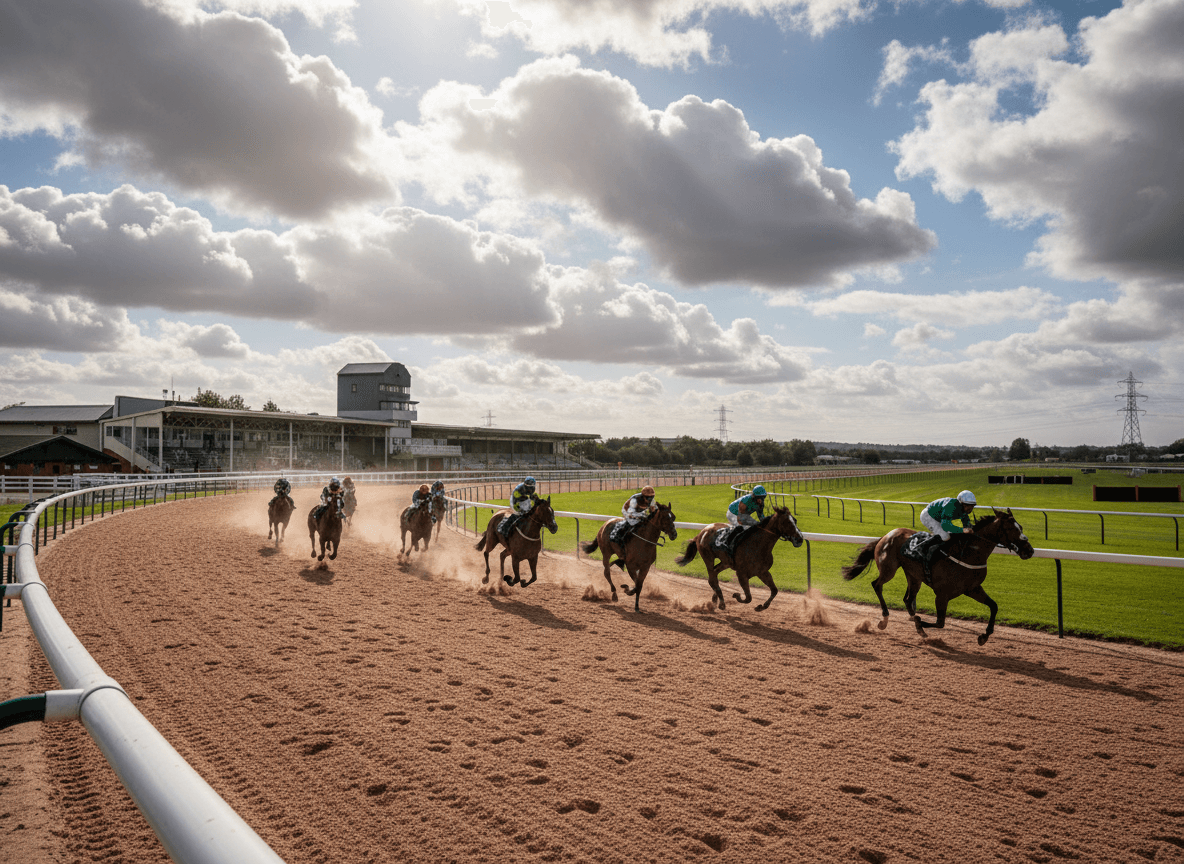
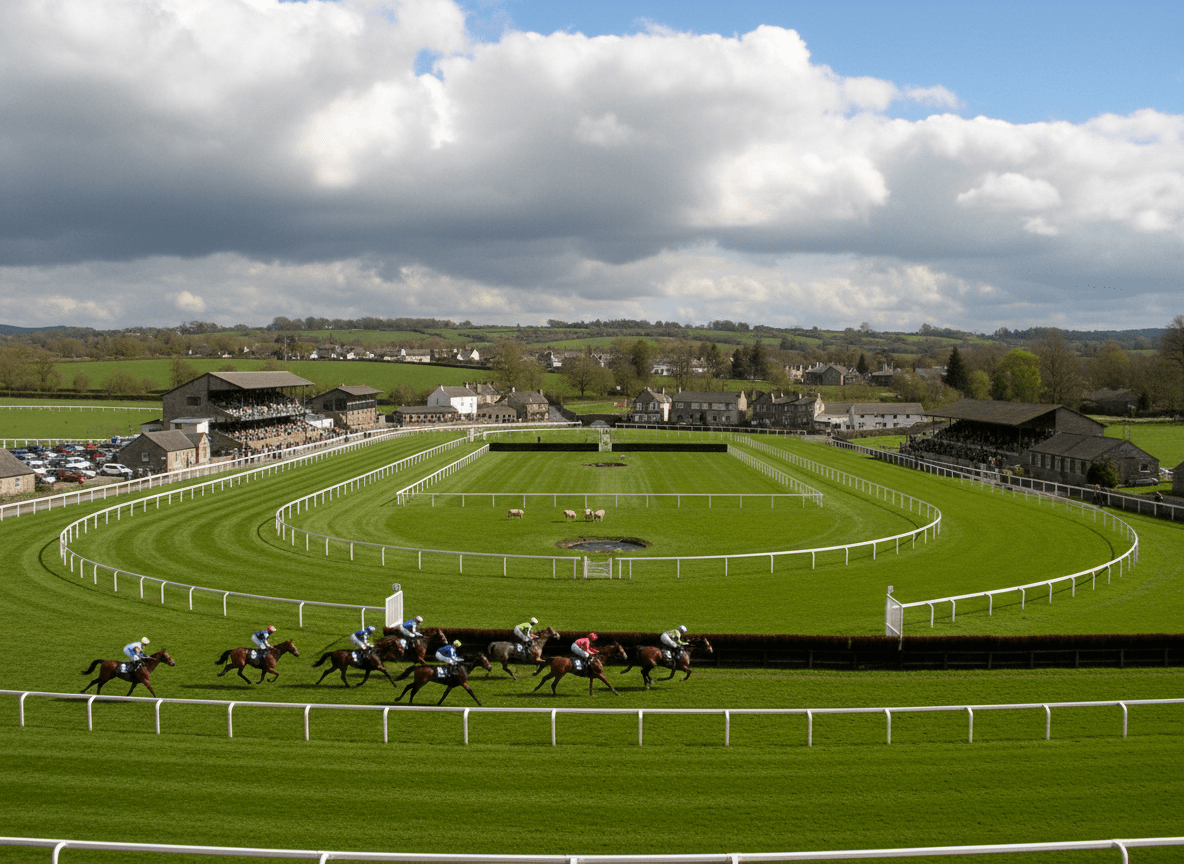
Cartmel's layout is deceptively simple on paper — a relatively flat, oval circuit — but it demands a very specific type of performer, and punters who underestimate its quirks tend to pay for it. The track is notoriously sharp, with tight bends that place a premium on agility and balance. Horses who need time and space to build momentum, or who are inclined to hang wide under pressure, will find Cartmel an uncomfortable experience. Conversely, a compact, nimble jumper who settles well in behind and can quicken through a gap is in their element here.
The very short run-in after the final hurdle is perhaps the most consequential feature of the course from a betting perspective. There is simply not enough room to make up significant ground once the last flight has been jumped — which means the race is almost always won and lost before the home turn. Horses who are in a prominent position rounding the final bend hold a substantial advantage. Front-runners and prominent racers consistently outperform those ridden with waiting tactics, and this pattern is amplified on an all-hurdle card where the pace dynamics are sharper than in a chase.
Draw and Pace Considerations
On the flat track configuration used for hurdle cards, prominent position is king. Stall draws matter less here than in flat racing, but watch carefully for horses whose form shows they travel kindly in the first half of a race and jump fluently at pace. A horse who makes the running or sits just off the leader around the tight bends is in the ideal position to pounce. Be cautious of anything whose trainer's comments suggest it needs to be held up for a late run — Cartmel's run-in will leave them with nowhere to go.
The Type of Horse That Thrives at Cartmel
Given everything the track demands, a clear profile emerges for the kind of horse likely to succeed this weekend. Look for:
- Compact, well-balanced jumpers who are comfortable on a turning track and don't require a long galloping circuit to show their best.
- Consistent front-runners or hold-up horses who travel prominently — ideally those whose jockey can slot them into the first three or four without burning too much fuel.
- Horses with proven form on Good to Soft ground — the going is honest and fair, so there is no benefit in hoping the ground will dry out or cut up further.
- Reliable, fluent hurdlers — on an all-hurdle card, a horse who fiddles or flattens their hurdles will lose momentum through the tight bends and struggle to recover.
- Course and distance winners — Cartmel form is famously reliable. Horses who have won here before understand the track instinctively, and their record should be weighted accordingly.
It is also worth noting that the quality of the opposition at Cartmel can vary considerably across a card. Trainers who know the track well — and there are several northern yards with excellent records here — tend to target their horses shrewdly, and a well-handicapped runner from a Cartmel-savvy stable is always worth a second look.
Practical Tips for Racegoers and Punters
Whether you're making the journey to Cumbria this weekend or following the action from home, a few practical considerations are worth keeping in mind.
- Arrive early if you're attending — Cartmel's intimate layout means the best viewing spots fill quickly, particularly for the rail near the final hurdle. The atmosphere is worth savouring, and arriving with time to walk the course perimeter before the first race gives you a genuine feel for the track's character.
- Watch the pre-race paddock closely — at a track where fitness and temperament matter so much, the paddock is your best intelligence-gathering tool. A horse who is calm, well-muscled and moving freely through the preliminaries is a better prospect than one who is sweating up or showing signs of anxiety before the tight bends have even begun.
- Respect course form — more so than at many tracks, previous Cartmel runs are highly predictive. A horse finishing second or third here last time out is not a beaten favourite to dismiss; they may simply have been outpaced on the run-in and will improve for the experience.
- Be selective on the Sunday ten-race card — a long card is wonderful for atmosphere but can be a punter's trap. Identify your two or three strongest fancies and resist the urge to have a bet in every race simply because the card is generous.
- Check for overnight going updates — while the forecast looks settled, October in the Lake District can surprise you. Any overnight rain could shift the ground toward the softer end of Good to Soft, which would favour horses with proven stamina.
A Final Word on What Makes This Weekend Worth Your Time
Racing at Cartmel in October is a quietly special thing. The summer crowds have thinned, the bunting has come down, and what remains is something purer — just the horses, the hills, and a community that genuinely loves its racecourse. The all-hurdle format across all three days makes for clean, fast, tactical racing, and the Good to Soft ground should produce competitive, honest contests throughout.
Whether your interest is in the form book, the welfare of horses running on a fair and well-maintained surface, or simply the pleasure of watching National Hunt racing in one of England's most beautiful settings, Cartmel this weekend has something to offer. Check the full racecard details for Friday, Saturday and Sunday on Paddock Punter, and do take a moment to explore our full Cartmel course guide for historical records, course statistics and trainer trends. It is, as ever, a privilege to have a racecourse like this one.