A Track Like No Other
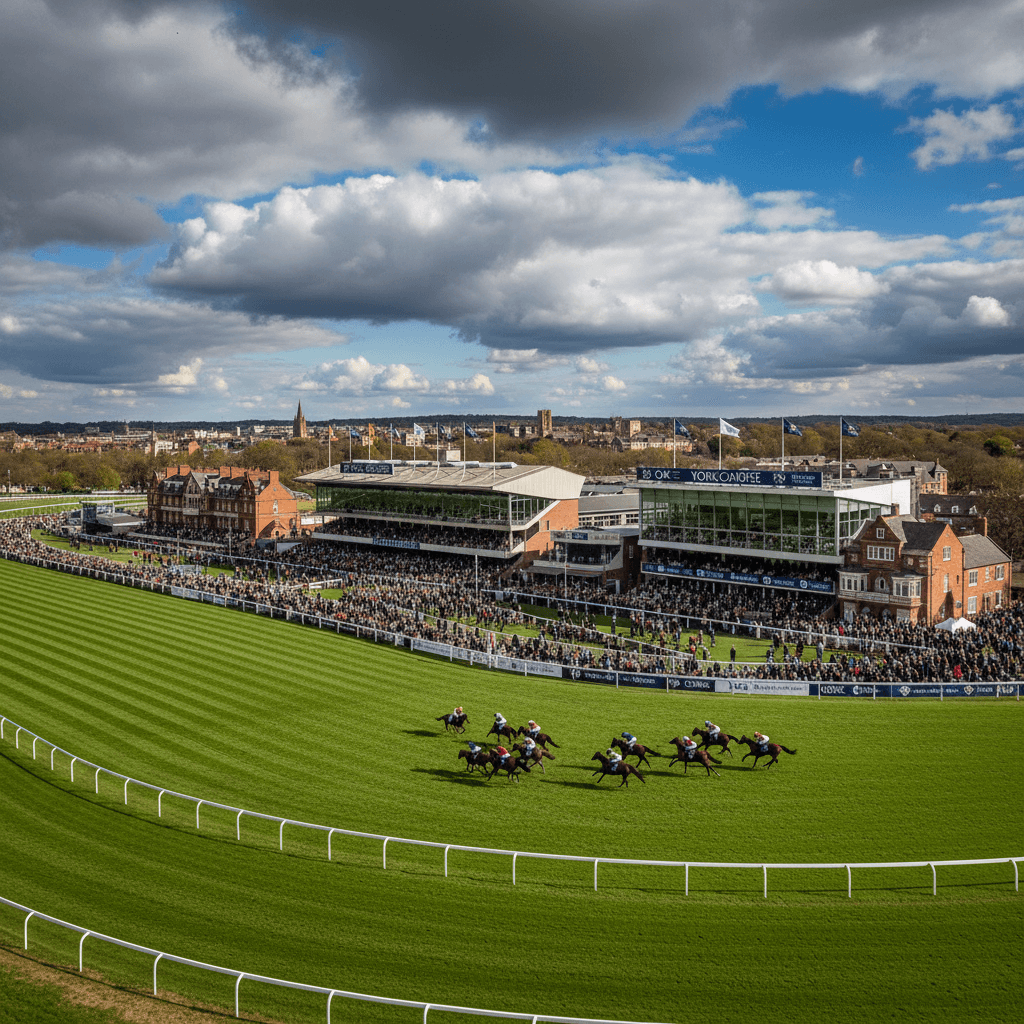
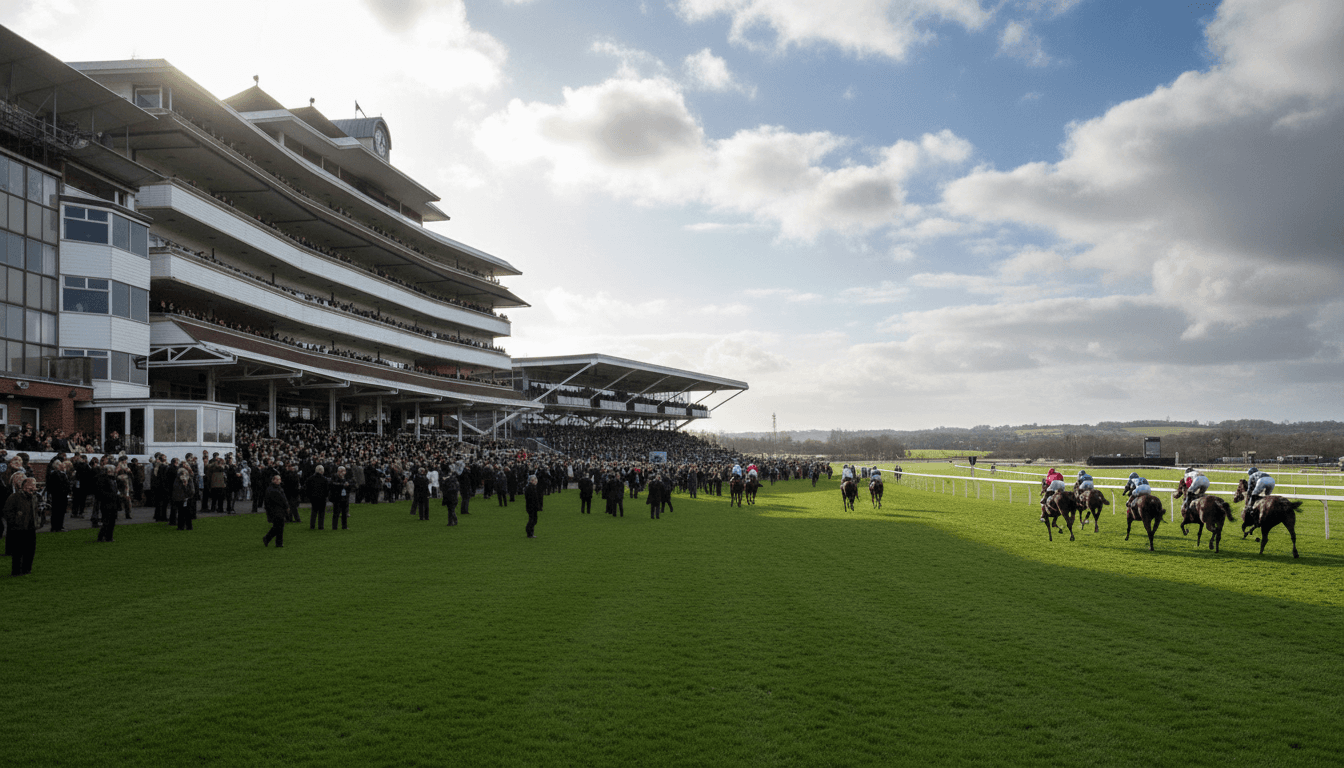
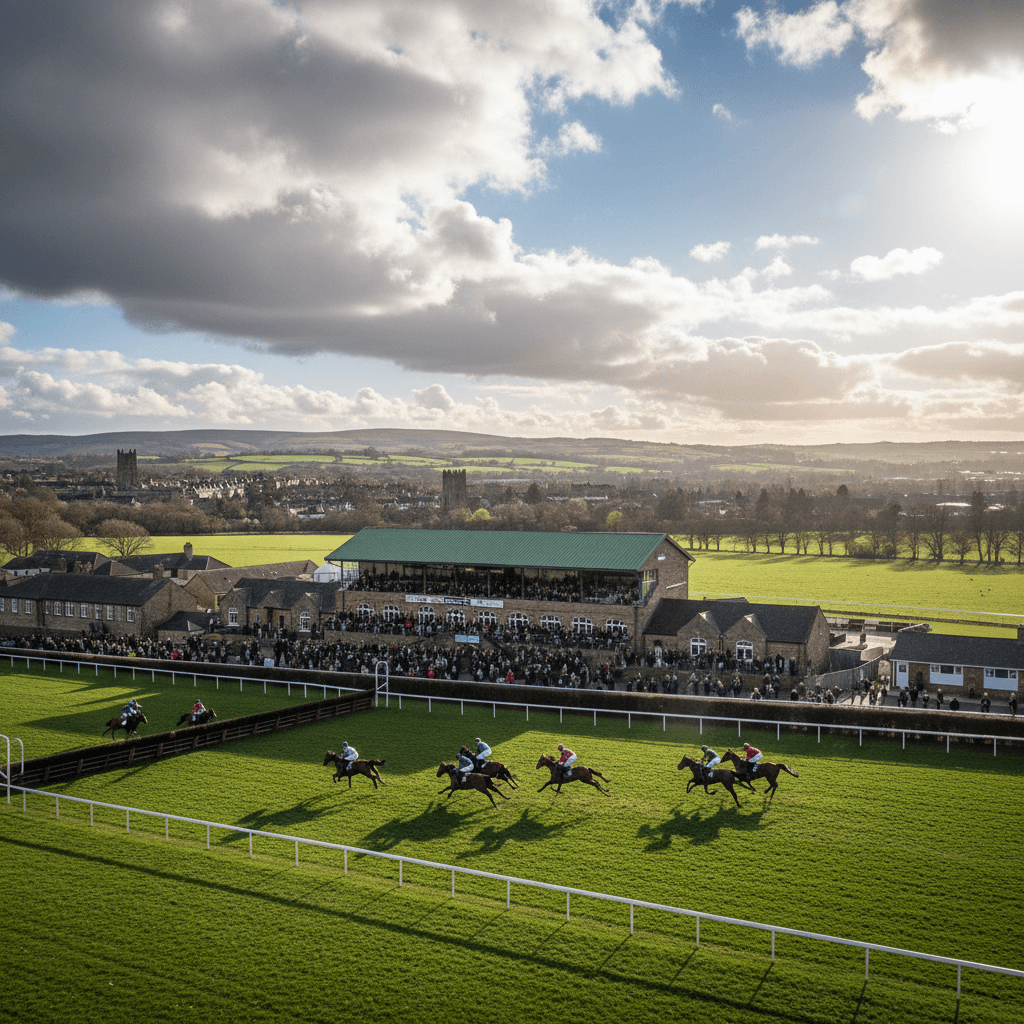
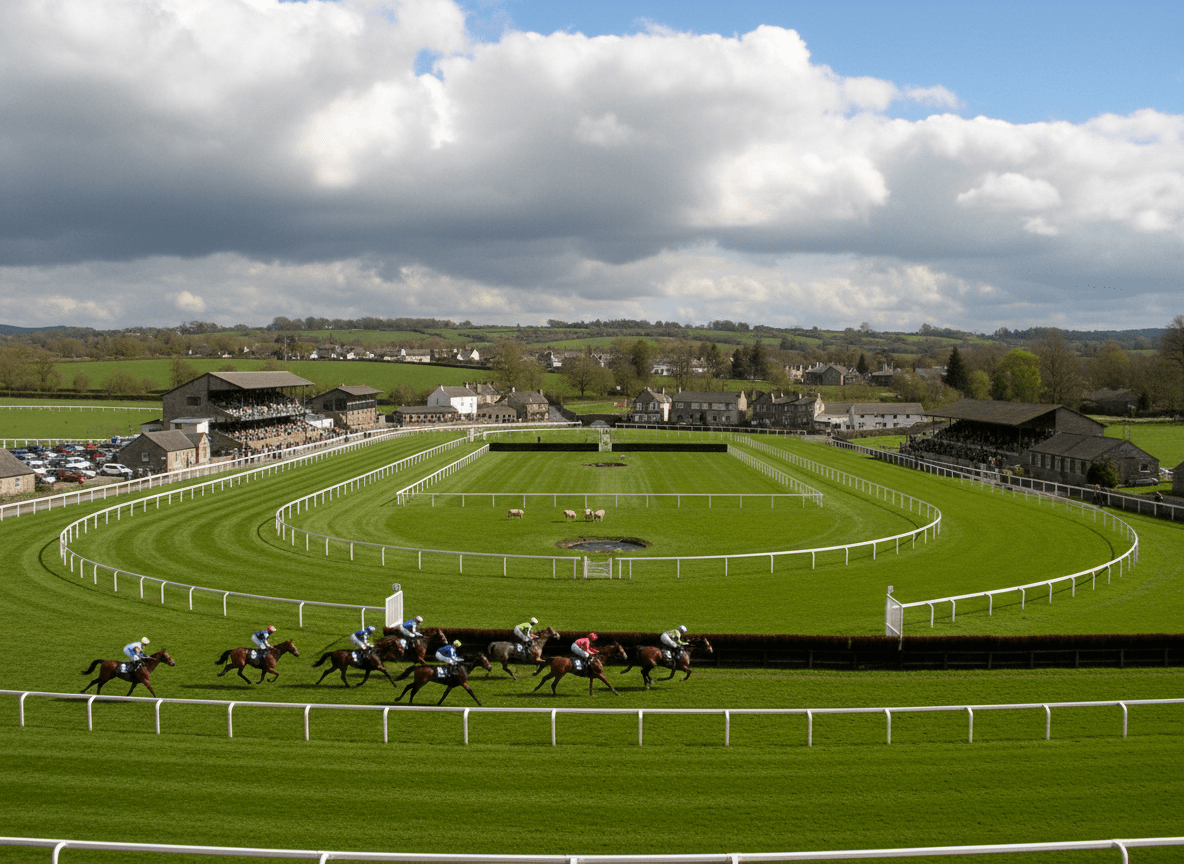
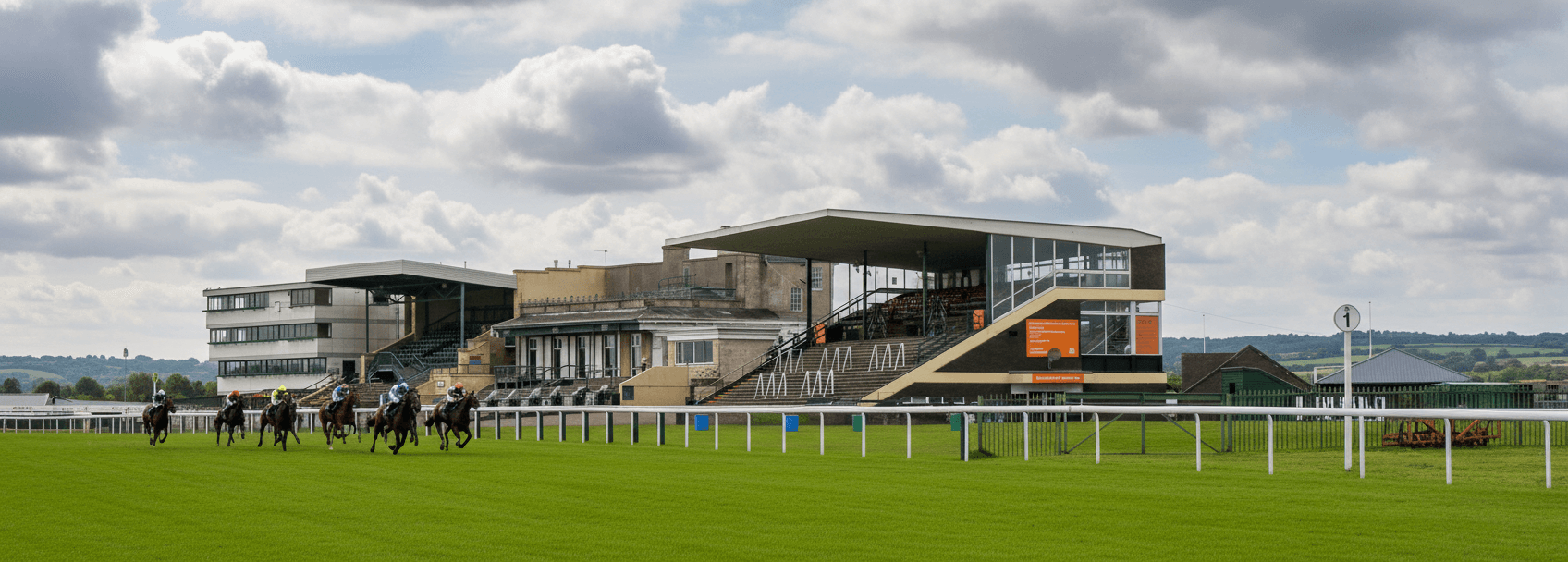
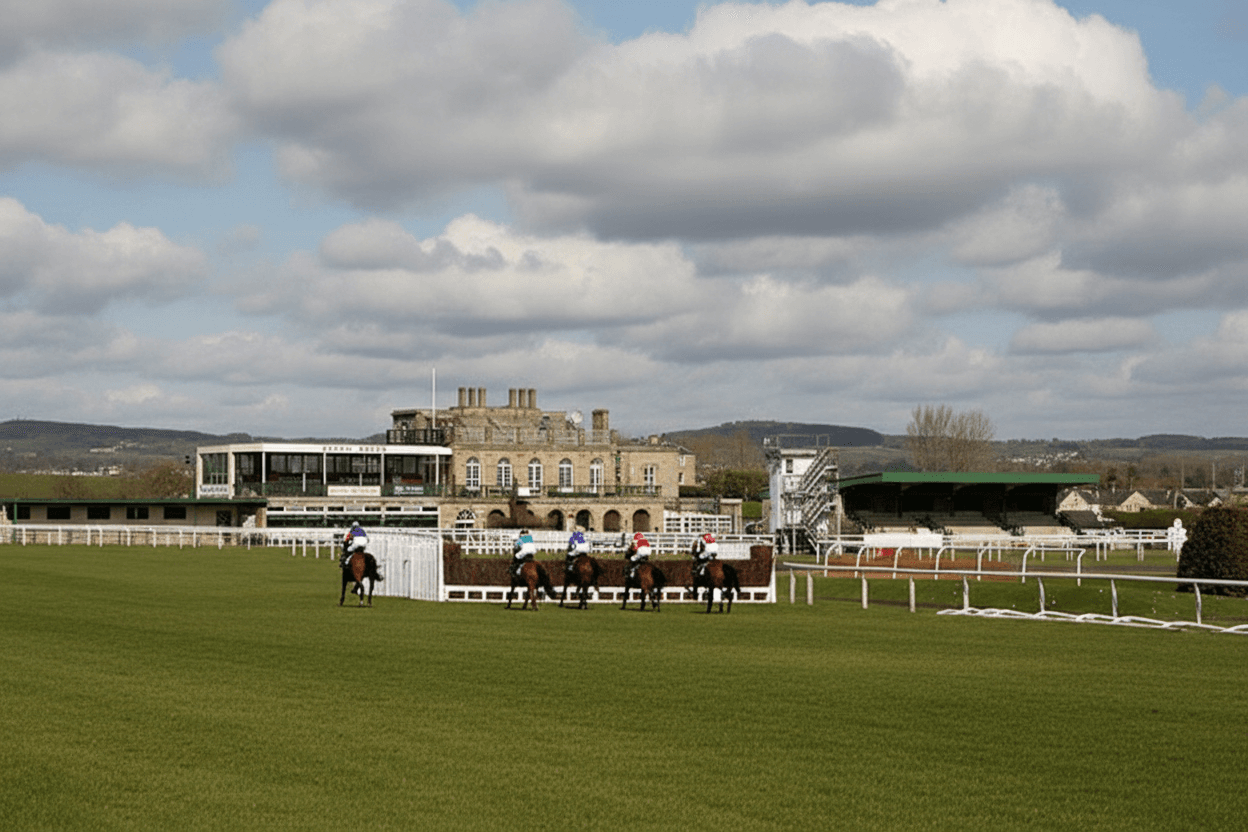
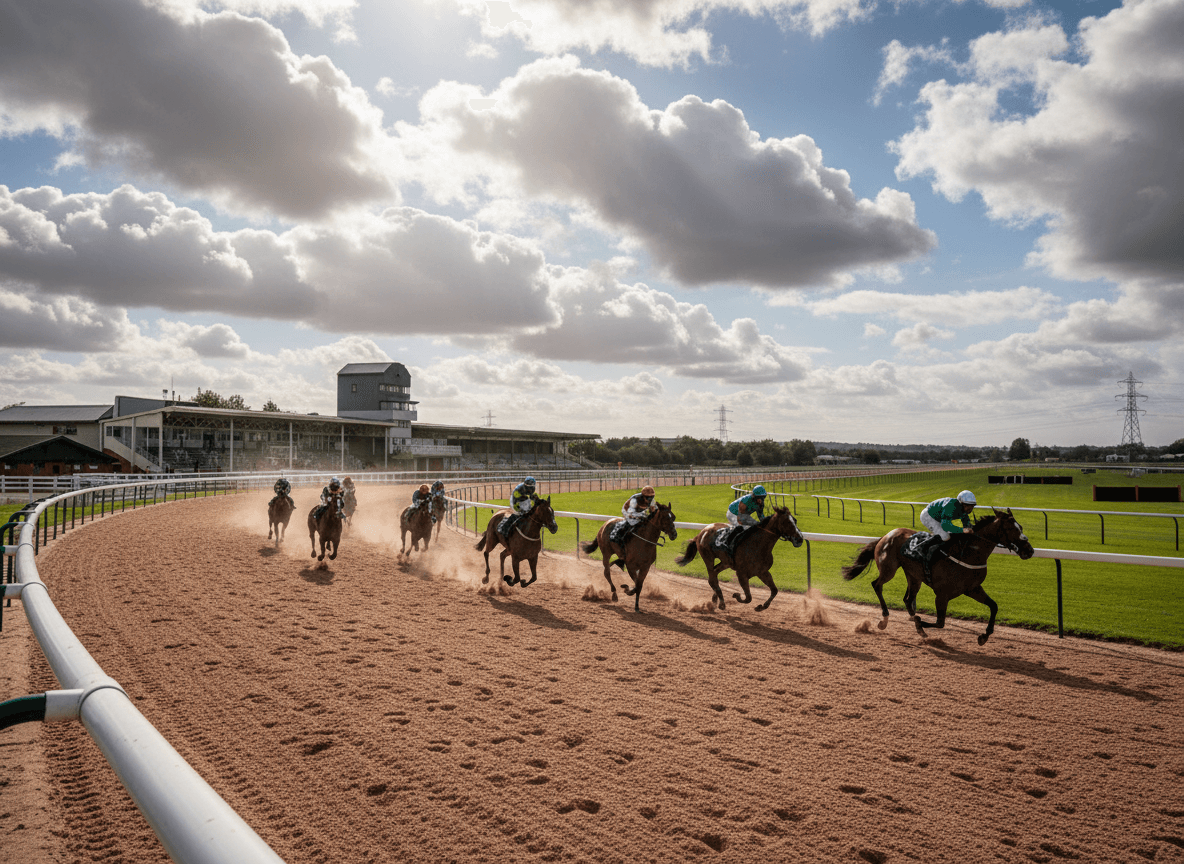
There is something quietly magnetic about Southwell that resists easy explanation. It isn't the grandeur of Ascot or the rolling hills of Goodwood that draw you in — it's something more honest than that. Nestled in the gentle Nottinghamshire countryside, Southwell has been part of British racing's fabric since 1897, and over more than a century it has developed a character entirely its own. The Fibresand surface — that distinctive, deep, amber-toned track that loops left-handed around a tight 1m2f oval — is unlike anything else you'll find on these islands, and it produces a kind of racing that rewards knowledge, patience, and a genuine curiosity about what makes a horse tick.
This is a course where the form book tells a different story. Where specialists emerge from obscurity to win with authority, and where a trainer who truly understands the surface can find an edge that no amount of raw talent alone can replicate. If Cheltenham is cathedral racing, Southwell is the parish church — unpretentious, deeply local, and beloved by those who take the time to understand it.
This Week's Fixtures: Three Evenings of Fibresand Flat Racing
Southwell offers a rich midweek programme this October, with three evening Flat fixtures spread across the week. Each card carries eight races, and each meeting takes place under the lights as autumn begins to tighten its grip on the East Midlands.
- Tuesday, 6 October 2026 — Eight-race evening Flat card. View the Tuesday racecard here.
- Thursday, 8 October 2026 — Eight-race evening Flat card. View the Thursday racecard here.
- Saturday, 10 October 2026 — Eight-race evening Flat card. View the Saturday racecard here.
The going is declared Standard across all three fixtures, which is exactly what you want to see at Southwell. Prior to each meeting, the track will be power-harrowed, cultivated to three inches, and reinstated with a Gallop-master finish — a meticulous preparation process that speaks to the course's commitment to providing a consistent, safe racing surface. Standard Fibresand at Southwell is the sweet spot: not too loose, not compacted, offering genuine purchase for horses who know how to handle it. It rewards athletic movers with a low, economical action, and it tends to be unforgiving of horses who bash into the ground with high knee action.
The evening format adds its own particular charm. As the October dusk settles over the Nottinghamshire plains and the floodlights cast their amber glow across the Fibresand, there's an intimacy to proceedings that the bigger daytime meetings rarely match. It's a setting that encourages focus — both from the horses and from those watching.
Reading the Track: Draw, Pace, and the Fibresand Factor
Understanding Southwell's quirks is half the battle, and there are several key factors that should inform your approach to any card here.
The Draw
On the straight five-furlong course, low draws tend to hold a meaningful advantage, particularly in large fields where horses drawn wide can find themselves doing too much work too early. Over longer distances on the round course, the draw becomes less critical as the field has time to settle, but it's still worth noting that horses drawn low can find a cleaner passage into the first bend without being shuffled back. In sprint handicaps especially, always check the stall numbers before committing your money.
Pace and Tactics
Southwell's tight turns and relatively short run-in — there is precious little room to make up ground in the closing stages — mean that prominent racers and front-runners enjoy a significant structural advantage. This is not a track that rewards the horse who is held up for a late challenge; by the time a closer gets into their stride, the race is often already decided. Watch the early sectionals carefully, and be cautious of horses whose best form has come on more galloping tracks where they've been produced late. The Fibresand rewards those who travel well within themselves near the pace, rather than those who rely on a turn of foot.
The Surface Itself
Fibresand is a genuinely specialist surface. It is deeper and more energy-sapping than Polytrack or Tapeta, and it demands a particular physical profile from a horse. Horses who have won here before should always be respected, even if their recent form elsewhere looks modest — the surface-specific fitness and confidence that comes from handling Fibresand well is a real and measurable commodity. Equally, a horse making their all-weather debut here faces a steeper learning curve than they might at Wolverhampton or Chelmsford.
What Type of Horse Thrives at Southwell?
Over years of watching racing at this track, certain profiles emerge with pleasing regularity. The Southwell specialist is typically a horse with a low, ground-covering stride — one who doesn't waste energy fighting the surface but flows through it. They tend to be front-runners or prominent racers, as we've discussed, and they often carry a relatively compact, powerful physique rather than the long-striding, scopey build that suits a galloping track like Newmarket.
Horses trained by yards with a strong all-weather record — those who understand how to condition a horse specifically for Fibresand, adjusting their work accordingly — consistently punch above their weight here. It is always worth noting which trainers saddle frequent winners at Southwell, because the knowledge gap between a Fibresand specialist trainer and a Flat yard that views it as an afterthought is wider than it might appear from the outside. From a welfare perspective, it's also worth noting that trainers who take the surface seriously tend to be those who manage their horses' workloads thoughtfully — Fibresand is forgiving on joints and tendons when used correctly, and yards who respect that tend to produce horses who arrive here in good order.
Practical Tips for Racegoers and Punters
Whether you're planning to attend in person or follow the action from home, a few practical considerations will help you get the most from Southwell's October evening meetings.
- Dress for October evenings: The East Midlands can be brisk once the sun goes down, and Southwell's open layout means the wind finds you easily. Layers are your friend, regardless of how mild the afternoon might feel.
- Arrive early to watch the horses on the track: The pre-race canter and warm-up on Fibresand tells you a great deal. Watch how a horse moves through the surface — those who look comfortable and relaxed are often better prepared than their odds suggest.
- Respect course form above all else: When building a case for a selection, a win or placed effort at Southwell should carry more weight than comparable form on turf or a different all-weather surface. The track is that specific.
- Be patient with the market: Southwell evening cards can see late market moves as stable money arrives from yards who know their horses are well-suited. Watching the market in the final fifteen minutes before a race can be genuinely instructive.
- Back front-runners at value: If you identify a confirmed front-runner at a double-figure price in a race where there's no obvious pace rival, the Southwell draw and layout makes that a more compelling proposition than it might be elsewhere.
A Final Word
Southwell will never be the most glamorous name on the racing calendar, and it has never pretended to be. But for those of us who love racing in its most honest, unvarnished form — where horses and trainers who have done their homework are rewarded, where the surface demands respect and punishes complacency, and where three autumn evenings under the floodlights can feel like a genuine privilege — there are few venues in Britain quite like it.
Three meetings, twenty-four races, and a Fibresand track prepared to perfection. That's a week worth paying attention to. Check the racecards for Tuesday, Thursday, and Saturday, do your homework on the draw and the course specialists, and let Southwell do what it does best.