A Course Like No Other
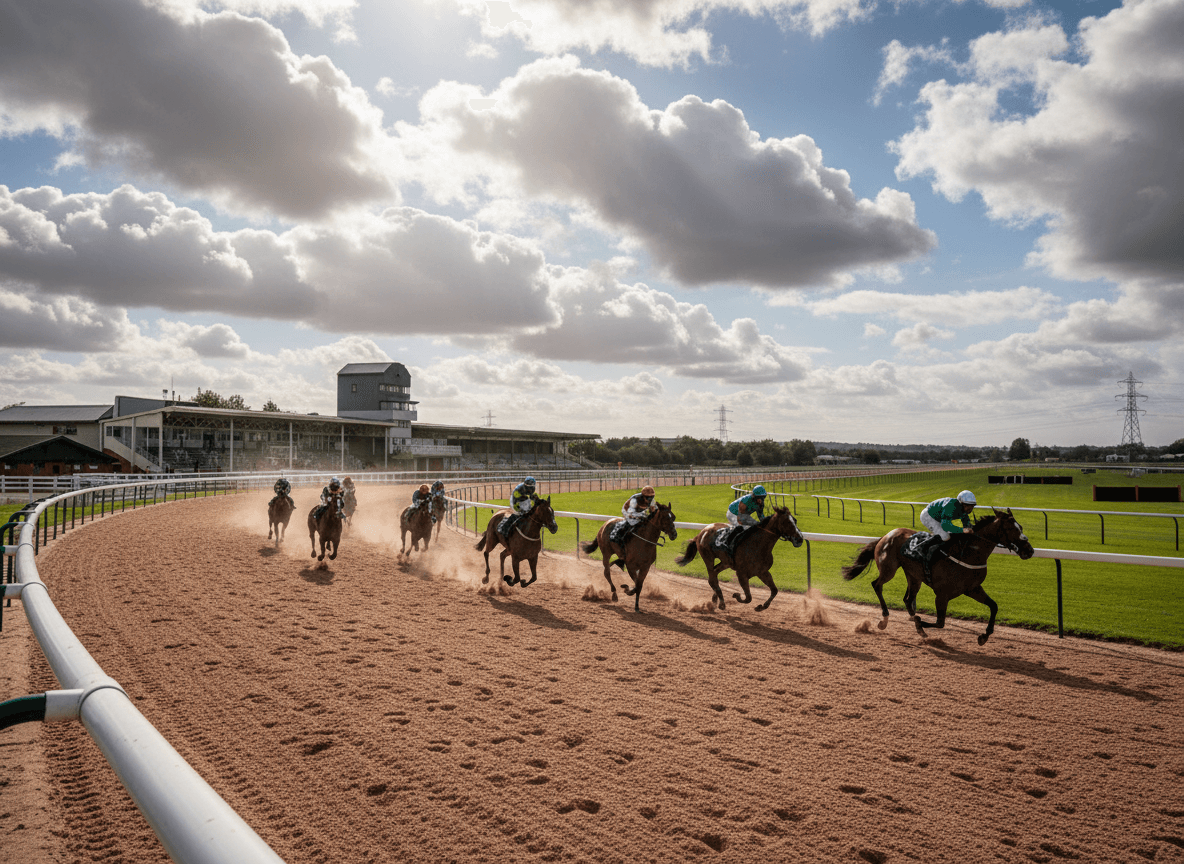
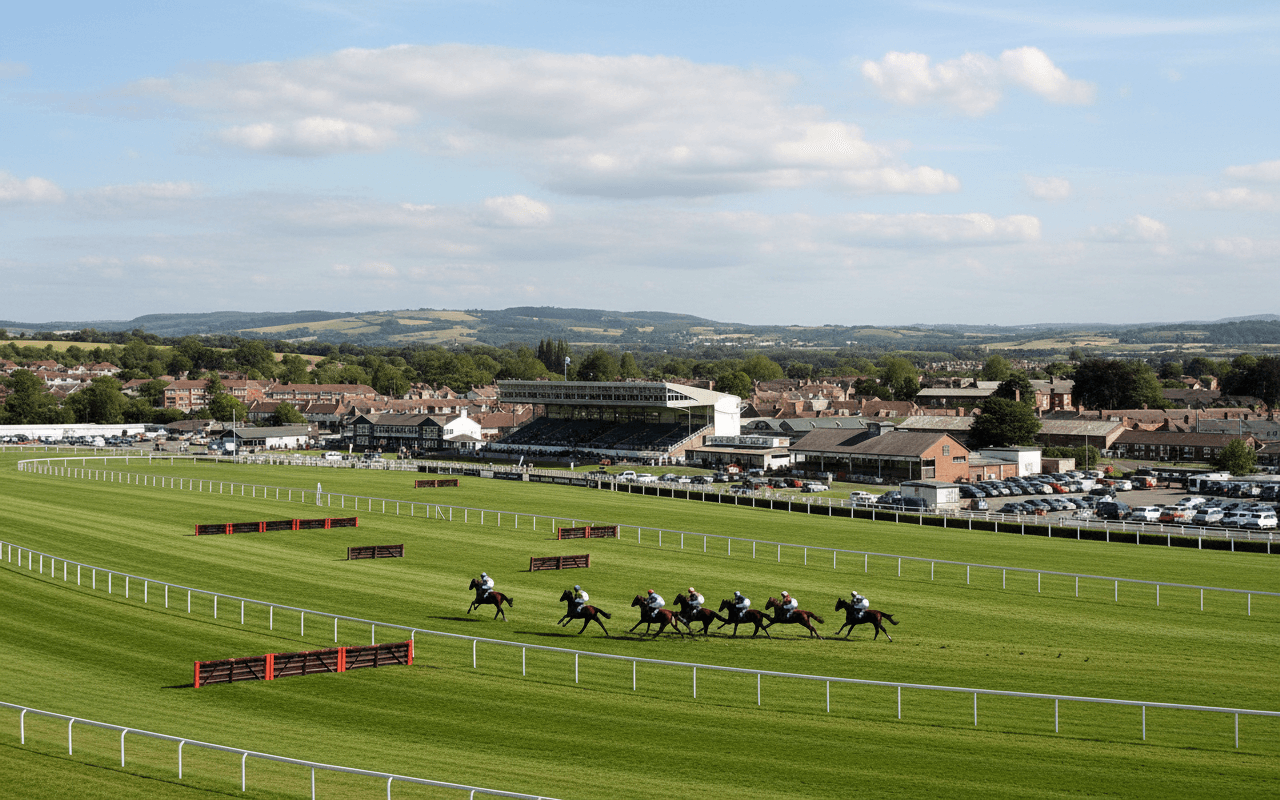
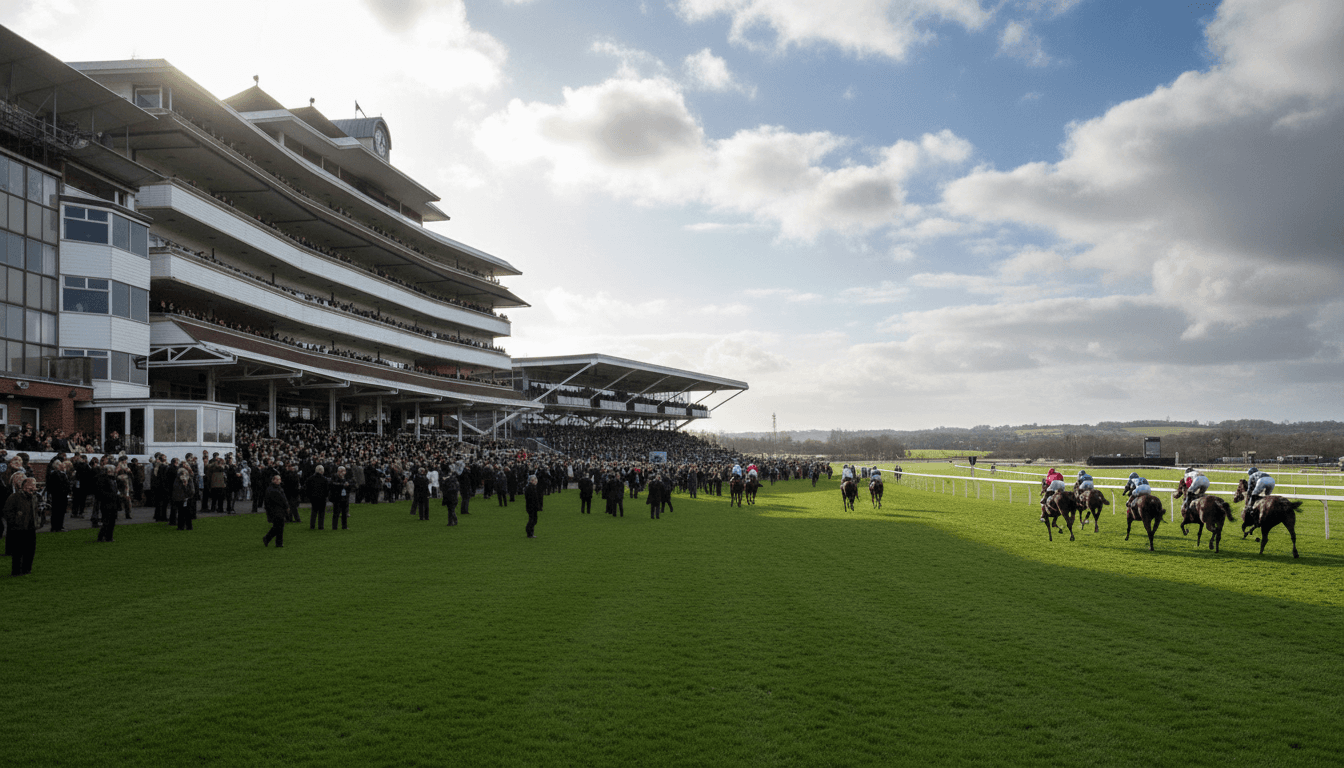
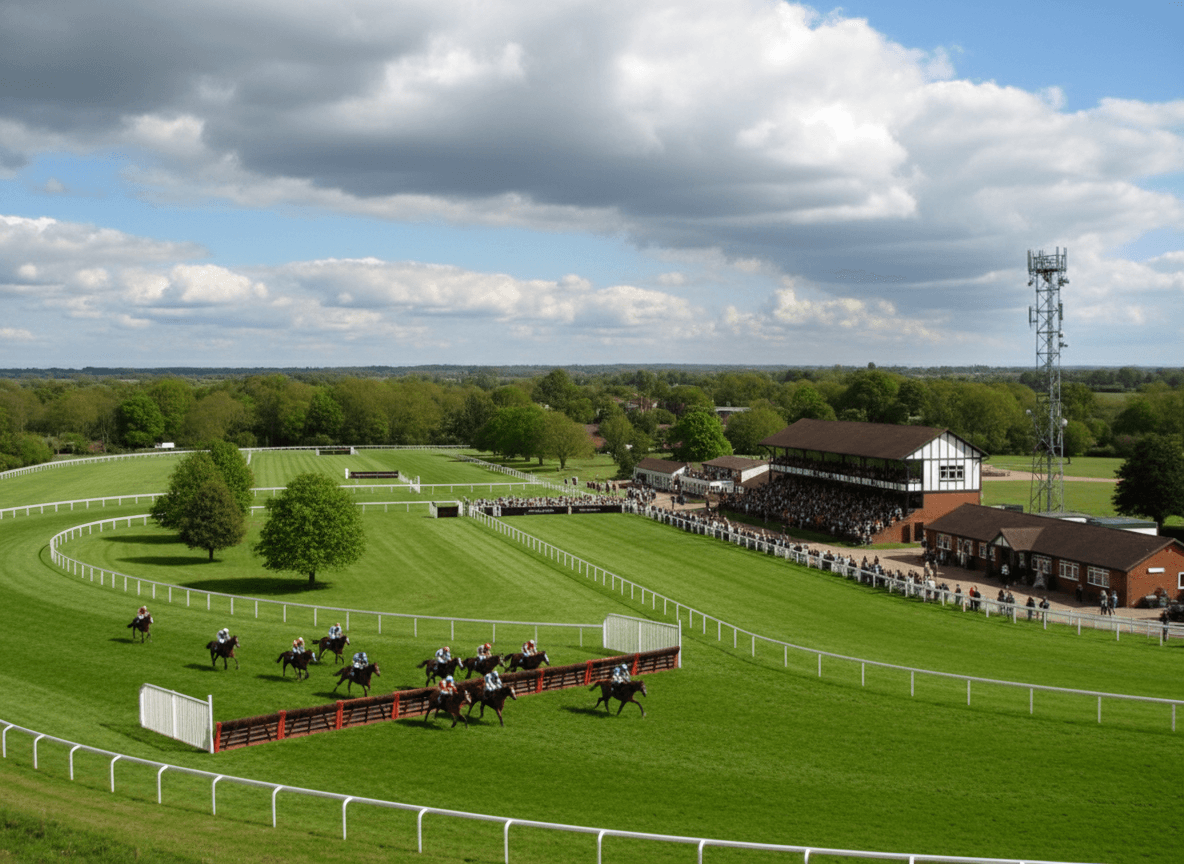
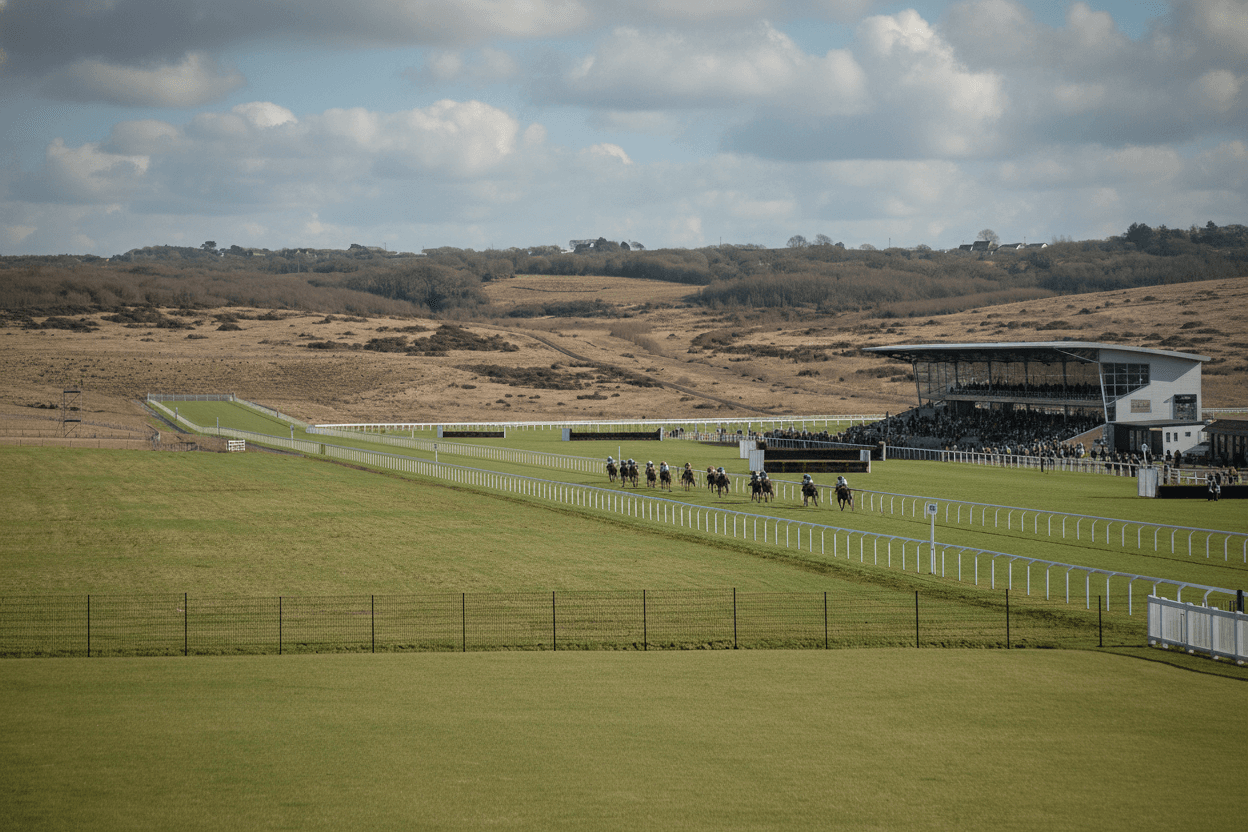
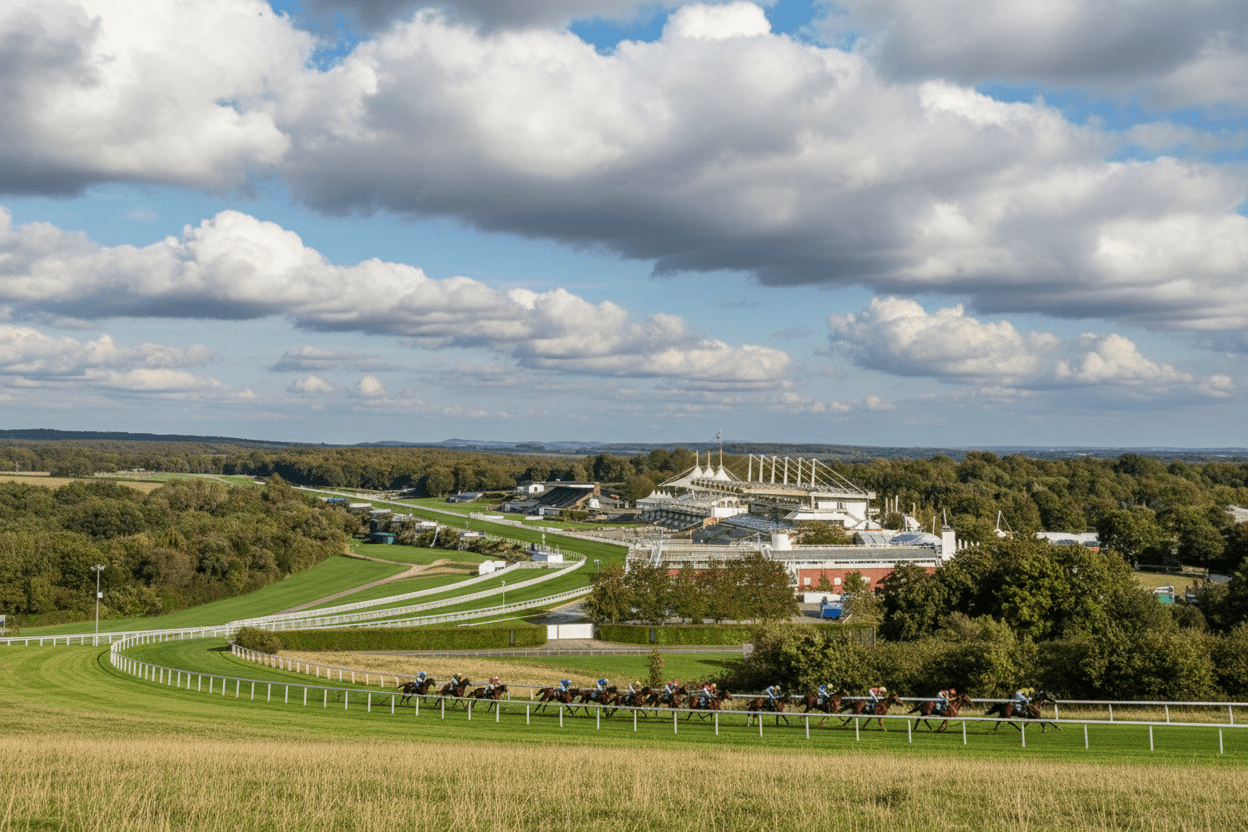
There are racecourses, and then there is Goodwood. Perched high on the South Downs above Chichester, the track has a quality that resists easy description — part sporting arena, part landscape painting, part living history. The 3rd Duke of Richmond first laid out racing here in 1802, and something of that original spirit of aristocratic adventure still clings to the place. On a clear day you can see the Solent glittering beyond the patchwork of the Sussex Weald; on a misty autumn afternoon, the course seems to exist in its own private weather system, the grandstand emerging from low cloud like something half-remembered from a dream.
It is, by any measure, a technically demanding track. The right-handed circuit undulates dramatically, with the famous downhill five-furlong sprint course demanding exceptional balance and nerve from horse and jockey alike. Longer trips require stamina as much as class. This is not a course that flatters moderate horses or forgives tactical errors. It rewards athleticism, adaptability, and — particularly at this time of year, on this kind of ground — genuine, honest toughness.
This Week's Fixtures: What to Expect
Goodwood stages two afternoon fixtures this week, on Friday, 25 September and Saturday, 26 September, each card comprising seven races. Both days carry a going description of Soft, Heavy in Places — and the detail in that description matters. Following a wet week across the south of England, the worst of the ground is concentrated at the six-furlong start, around the stable bend, and along the outermost portion of the back straight. These are precisely the sections of the track where horses need their footing most, and punters would do well to keep that geography in mind when assessing each race.
Late September racing at Goodwood carries its own particular atmosphere. The summer crowds have thinned; the Qatar Goodwood Festival feels like a warm memory. What remains is something more austere and, in its own way, more revealing. Horses running here now are typically at the end of their campaigns, their form-lines well established, their characters known. The ground will sort them out quickly, and the results often carry a pleasing clarity.
Reading the Track: Draw, Pace, and Ground Conditions
Understanding Goodwood's quirks is half the battle, and those quirks are amplified considerably when the ground is soft. Let's work through the key variables.
Draw Bias
In normal conditions, draw bias at Goodwood is largely distance-dependent rather than following a simple high-low pattern. Over the straight five furlongs, the course runs sharply downhill and the camber has historically favoured low-to-middle draws, particularly when the ground rides on the quicker side. However, on soft or heavy ground, the picture shifts. Stands-side ground tends to get cut up earlier in the afternoon as more horses churn through it, and as the day progresses, fresher ground toward the far rail can become the premium surface. For the first two or three races on each card, the stands side may still be viable; by the latter half of the afternoon, keep a close eye on which part of the track is seeing the most traffic — and which is being avoided.
Over longer trips on the round course, draw bias is less pronounced, but horses racing prominently and avoiding wide runs around the sweeping bends will always have an advantage. Soft ground exaggerates the cost of covering extra ground, so any horse likely to be shuffled back and forced wide in the back straight deserves a significant reduction in confidence.
Pace Scenarios
Soft ground at Goodwood tends to produce genuinely run races — the energy cost of the terrain and the going conspire to ensure that horses who go off too hard pay the price. This is good news for hold-up horses with a powerful late surge, provided they can find a clear passage in the straight. The Goodwood straight is not especially long, however, and horses who leave their challenge too late can find the line arriving before they have fully wound up. The sweet spot is a horse that travels smoothly in mid-division, makes smooth headway from two furlongs out, and has the class to quicken even on a tiring surface.
Ground-Specific Considerations
The localised heavy patches — particularly around the six-furlong start and the stable bend — deserve specific attention. Horses drawn to race through those sections early in their journey may expend considerably more energy than the bare going description suggests. Watch the early splits in the first couple of races, and note whether horses who have passed through the worst ground are visibly tiring in the closing stages. That information is gold for later races on the card.
What Type of Horse Thrives Here?
Goodwood on soft ground rewards a very particular profile. The ideal candidate is a horse that:
- Has proven soft-ground form — not merely a horse that has run on it, but one whose best performances have come in these conditions. Breeding is a useful guide: progeny of sires with a strong stamina influence in their pedigree — think Frankel, Galileo-line horses, or those with Northern Dancer depth — tend to handle the energy demands of testing ground better than pure speed-bred types.
- Is balanced and athletic through turns — Goodwood's bends are not forgiving, and a horse that stiffens through a corner or drifts under pressure will lose lengths it cannot afford to lose.
- Has a genuine staying pedigree for the longer trips — as distances extend beyond a mile, the combination of the undulating track and soft ground creates a stamina examination that can expose horses who have been flattered on better surfaces.
- Is handled by a trainer in form at the course — certain yards consistently outperform at Goodwood. The course's unique demands reward familiarity, and trainers who school horses specifically for its quirks have a measurable edge.
Practical Tips for Racegoers and Punters
Whether you are heading to the course or following from home, a few practical notes are worth keeping close.
For those attending: the going underfoot in the public areas will be soft after the recent rain, so appropriate footwear is strongly advised. The views from the top of the grandstand remain extraordinary regardless of season — but bring a layer, because the elevation means the wind has real bite in late September, even when the sun is out.
For punters: watch the opening race closely before committing significant stakes to the rest of the card. The first race will tell you a great deal about where the best ground lies, how much the heavy patches are affecting horses, and whether the pace is as honest as the conditions suggest it should be. Treat it as a paid-for piece of intelligence.
Be cautious of short-priced favourites whose form has been built primarily on good-to-firm ground. Soft and heavy going at Goodwood is not merely an inconvenience — it is a fundamentally different examination. Horses that have coasted through summer campaigns on fast ground may find the whole experience rather more taxing than their odds imply.
Finally, keep an eye on jockey bookings. Experienced Goodwood hands — riders who know where to place a horse, when to commit, and how to navigate the camber — have a genuine edge here. It is a small detail, but at this course more than most, it can be the difference.
Conclusion: A Late-Season Gem Worth Your Attention
Goodwood in late September is racing stripped of its summer pageantry and left with something more elemental. The ground is testing, the fields are seasoned, and the course itself — as always — will have the final say. Both Friday and Saturday's cards offer seven races apiece on going that will demand every ounce of a horse's quality and constitution. Study the draw, respect the ground conditions, and look for horses whose pedigree and recent form suggests they will relish rather than merely tolerate what Goodwood is asking of them this week.
Full racecards and race-by-race analysis are available for Friday, 25 September and Saturday, 26 September on our Goodwood course page. The Downs are calling — and as ever, they will not be easily fooled.