Perfect Conditions for Juvenile Development
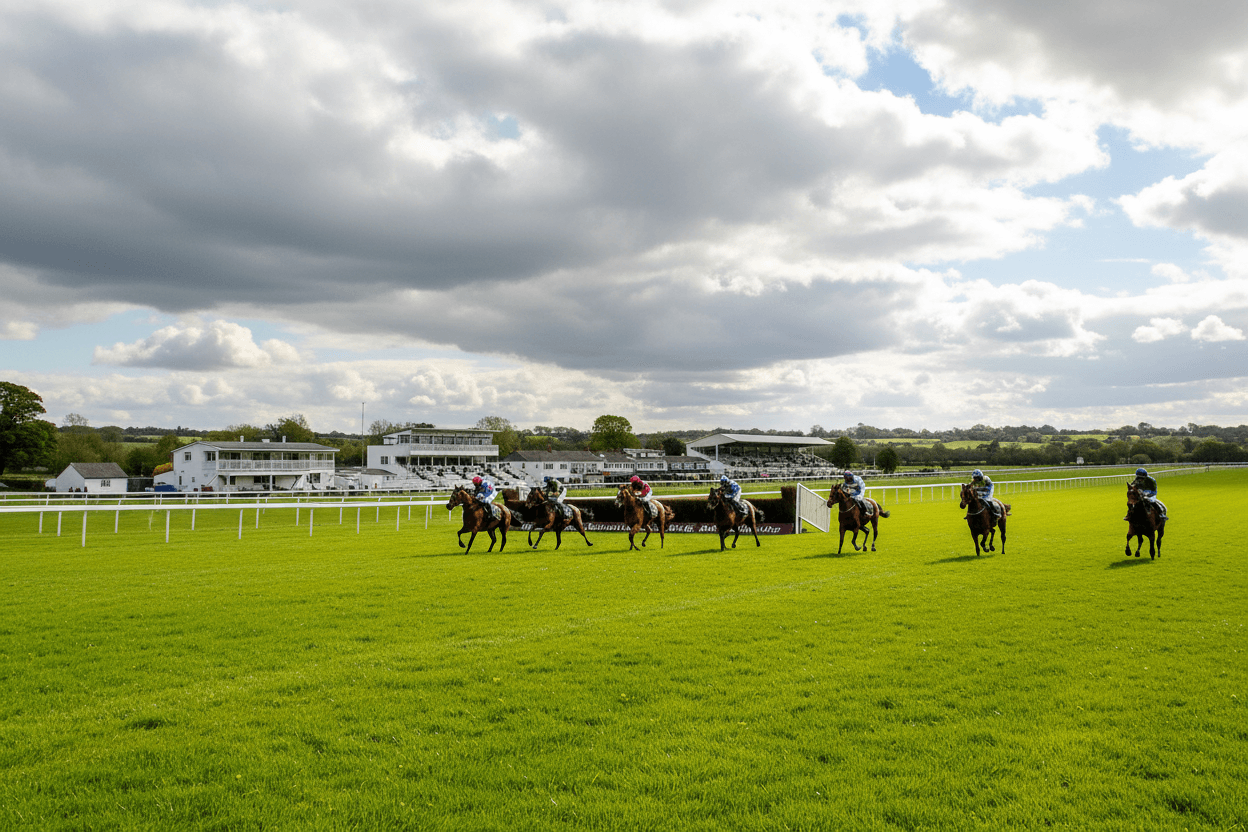
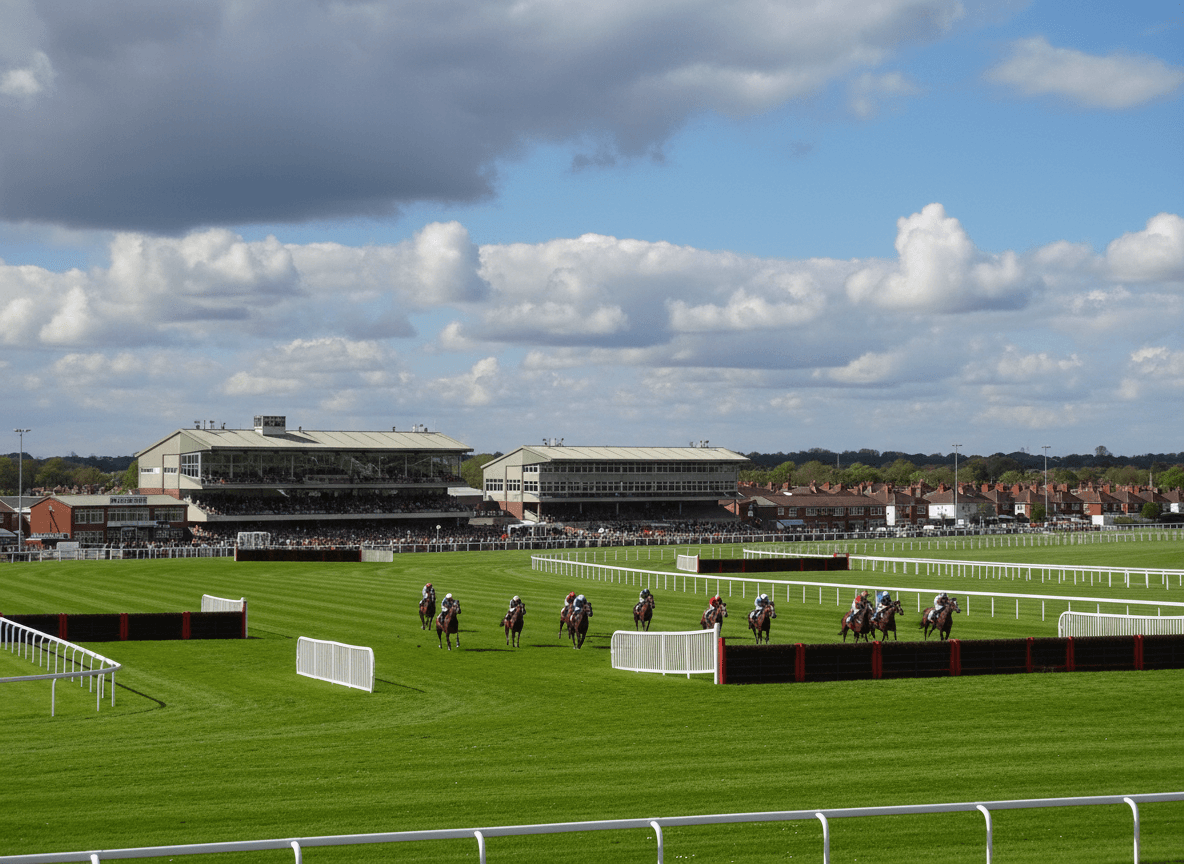
Friday's eight-race afternoon card at Newbury presents an ideal opportunity to assess the next generation of talent, with the going described as good to good to firm in places – conditions that should suit the developing frames of the numerous two-year-olds making their debuts. The Berkshire venue's reputation for nurturing young horses is well-deserved, and today's Newbury racecard reflects the sport's commitment to both competitive excellence and equine welfare, with races specifically dedicated to supporting aftercare initiatives.
What strikes me most about today's programme is the thoughtful balance between opportunity and responsibility. The going conditions are particularly encouraging – firm enough to allow these young athletes to show their natural speed, yet with sufficient give to protect their developing joints and tendons. This is precisely the kind of surface that allows trainers to assess their charges' potential without compromising their long-term soundness.
Feature Race: The Juddmonte EBF Restricted Novice Stakes
The afternoon's centrepiece is undoubtedly the £30,000 Juddmonte EBF Restricted Novice Stakes at 15:07, a Class 2 contest over six furlongs that has attracted a competitive field of fourteen two-year-olds. This race serves as an excellent example of how the sport has evolved to provide meaningful opportunities for horses from different breeding backgrounds, with its restriction to Bands C and D ensuring a level playing field that prioritises training and handling over pure commercial breeding value.
Among the field, O'Gorman for George Scott catches the eye, not just for his course and distance experience marker, but for the way Scott has developed a reputation for patient, welfare-focused training methods. The booking of Oisin Murphy suggests significant confidence in this youngster's ability, and Murphy's sympathetic riding style makes him an ideal partner for a developing two-year-old on what could be a career-defining afternoon.
The presence of trainers like Charlie Fellowes with Zohar and Eve Johnson Houghton with Temple Court adds further depth to this contest. Both have established themselves as trainers who prioritise the long-term welfare of their charges, often taking extra time to ensure their horses are mentally and physically ready for the rigours of competition.
Experienced Campaigners in the Boodles Handicap
The £18,000 Boodles Handicap Stakes over a mile and four furlongs provides a fascinating contrast to the juvenile action, bringing together eight seasoned campaigners who have proven their durability and class over time. The presence of course and distance winners throughout this field – Master Vintner, Pride of Donegal, Topteam, Asgard's Captain, and Arqoob all carry the 'D' marker – suggests we're in for a tactical affair where experience and racecourse knowledge could prove decisive.
Arqoob, the eight-year-old trained by Lucy Wadham, represents everything admirable about racing's approach to older horses. His continued competitive presence at this level, carrying both course and distance form markers, demonstrates how proper training and veterinary care can extend a horse's racing career while maintaining their enthusiasm for the sport. Wadham's patient approach with her older horses has become a model for sustainable training practices.
The booking of Harry Davies for this experienced campaigner makes perfect sense – Davies has developed into one of our most accomplished riders of staying handicappers, combining tactical awareness with a genuine sympathy for his mounts that allows them to give their best when it matters most.
Welfare Focus in the Afternoon's Later Races
Perhaps the most heartening aspect of today's card is the explicit focus on equine welfare in the later races, with both the 'Behind the Bridle Racehorse Aftercare Handicap Stakes' and 'The Horse Comes First Handicap Stakes' highlighting racing's growing commitment to supporting horses throughout and beyond their competitive careers. These races serve as important reminders that our sport's responsibility extends far beyond the finishing post.
In the aftercare-themed race, We're Goosers for Hugo Palmer looks particularly interesting. Palmer has long been an advocate for comprehensive aftercare programmes, and his yard's involvement in retraining initiatives provides an excellent example of how leading trainers can contribute to the sport's broader welfare objectives. The horse's course and distance form marker, combined with Oisin Murphy's booking, suggests this could be both a competitive performance and a meaningful contribution to an important cause.
The presence of trainers like William Haggas with Magic Box in this contest adds further credibility to the welfare message. Haggas has consistently demonstrated that commercial success and ethical training practices are not mutually exclusive, developing horses with patience and ensuring their post-racing futures are carefully considered.
Promising Debuts and Established Talent
The opening EBF Novice Stakes provides an excellent introduction to the afternoon's juvenile theme, with Charlie Appleby's Al Hudaiba likely to attract significant market support. Appleby's Godolphin operation has become synonymous with careful horse development, and their two-year-olds often arrive at the track thoroughly prepared for their debuts. The booking of Connor Planas suggests confidence in this newcomer's readiness.
Andrew Balding's Imperial Nation presents another intriguing debut runner, with David Probert taking the ride. Balding's approach to introducing juveniles has always impressed me – his horses typically arrive fit and ready, but never appear to have been overpressed in their preparation. This balance between readiness and welfare is crucial in developing horses who can enjoy long, successful careers.
The Debenhams Novice Stakes over a mile brings together ten three-year-olds, with Tales of Wisdom carrying an official rating of 95 for Charlie Appleby. This rating suggests a horse who has already demonstrated significant ability, and Appleby's decision to campaign him at this level indicates confidence in further improvement. The step up to a mile should suit a horse from this stable, given their expertise in developing middle-distance performers.
Key Selections and Welfare Considerations
Looking across today's card, several horses stand out not just for their competitive chances, but for what they represent in terms of responsible training and welfare-conscious racing. O'Gorman in the feature Juddmonte race combines course experience with a trainer and jockey combination known for their patient approach to horse development.
In the staying handicap, Arqoob represents the positive aspects of campaigning older horses when they retain their enthusiasm and competitive edge. His continued success under Lucy Wadham's care demonstrates how proper management can extend racing careers without compromising welfare standards.
For the welfare-themed contests, We're Goosers offers both competitive appeal and symbolic importance, representing a trainer who has consistently championed aftercare initiatives. These races serve as valuable platforms for highlighting the sport's commitment to equine welfare, ensuring that today's competitors will be tomorrow's success stories in their post-racing careers.
Today's Newbury card exemplifies everything positive about modern racing – competitive action delivered within a framework that prioritises horse welfare, celebrates the sport's commitment to aftercare, and provides opportunities for horses from diverse backgrounds to showcase their talents. The good to good to firm going should allow all runners to perform to their potential while minimising injury risk, setting the stage for an afternoon that celebrates both sporting excellence and ethical responsibility.