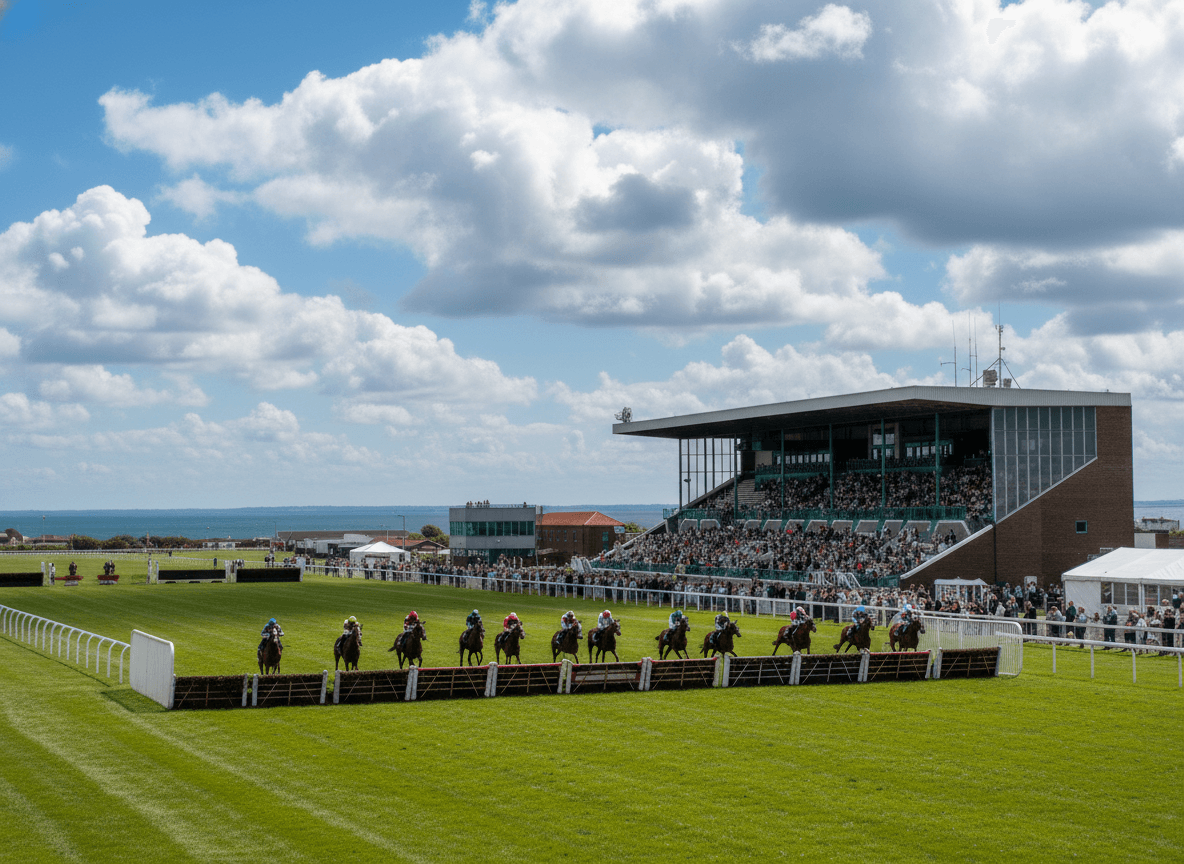
The Theatre Above the Channel
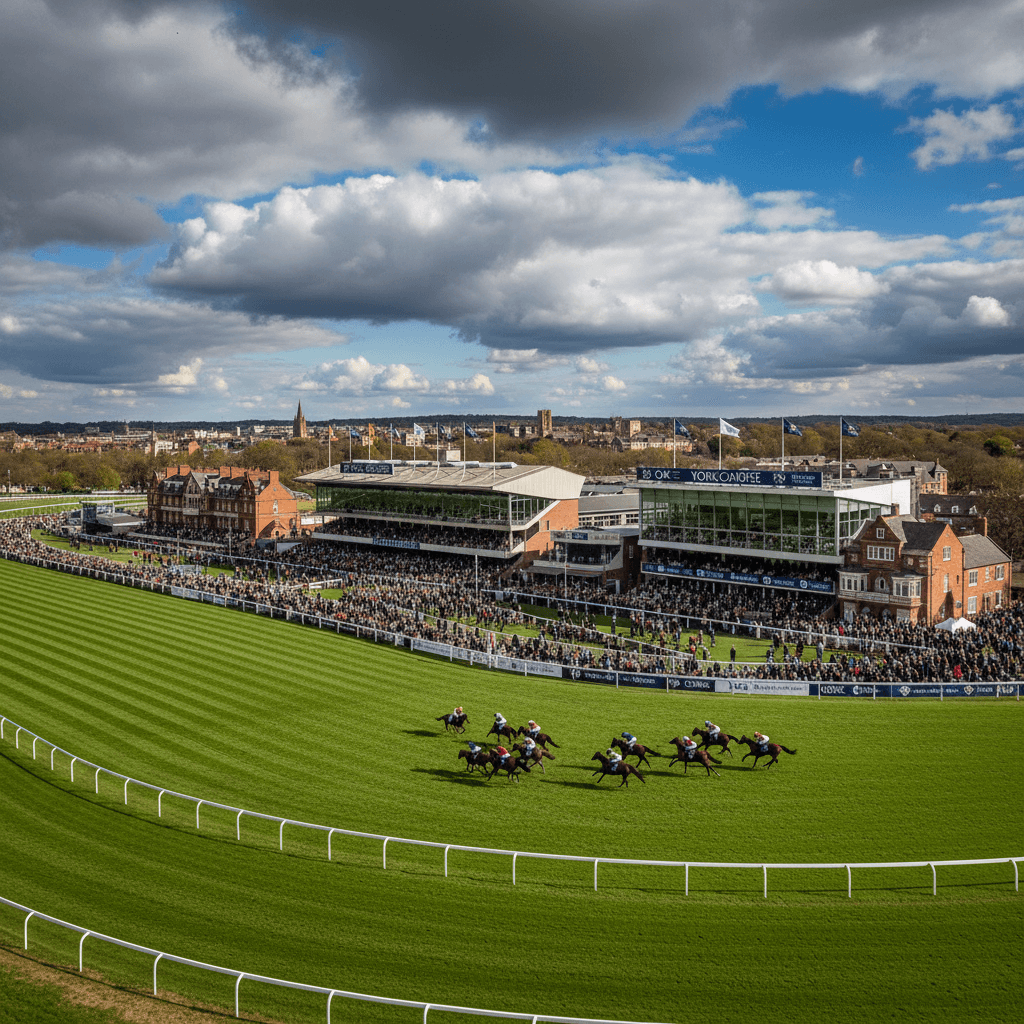
Few racecourses possess the theatrical grandeur of Brighton, where the chalk downs meet the English Channel in a sweep of undulating terrain that has tested horse and rider since 1783. While this venerable venue is perhaps best known for its summer flat racing spectacles, the transition to jump racing reveals different facets of its complex character. The same topographical challenges that make Brighton's flat contests so compelling become amplified over obstacles, where the interplay between stamina, jumping ability, and tactical nous reaches its most demanding expression.
This week's programme offers a fascinating study in contrasts. The distinctive U-shaped configuration, with its precipitous downhill sections flowing into that sweeping left-handed bend before the punishing climb to the line, creates scenarios where early positioning becomes paramount. Unlike the more forgiving contours of parkland tracks, Brighton's relentless gradients offer no respite for the poorly positioned or inadequately prepared.
This Week's Jump Racing Menu
Monday's afternoon card presents eight races on good going, a surface that should allow Brighton's natural characteristics to express themselves fully without the complications of testing ground. The timing—a traditional afternoon slot—suggests we'll see established patterns emerge more clearly, with the May sunshine likely to draw a healthy crowd to witness jump racing's more contemplative cousin to the summer's flat action.
Wednesday's evening fixture offers a more intimate affair with six races, again on good going. Evening racing at Brighton carries its own romance, with the setting sun casting long shadows across the downs and the lights of the city beginning to twinkle below. The compressed programme demands efficiency from connections and punters alike, with each race carrying additional significance in the shortened sequence.
The consistent good going across both fixtures is particularly noteworthy. Brighton's chalk subsoil provides excellent drainage, but when conditions are genuinely good, the track rides faster than many anticipate. This can catch out horses whose recent form has come on softer surfaces, while favouring those with proven ability to handle a sound surface at pace.
Decoding Brighton's Jump Racing Puzzle
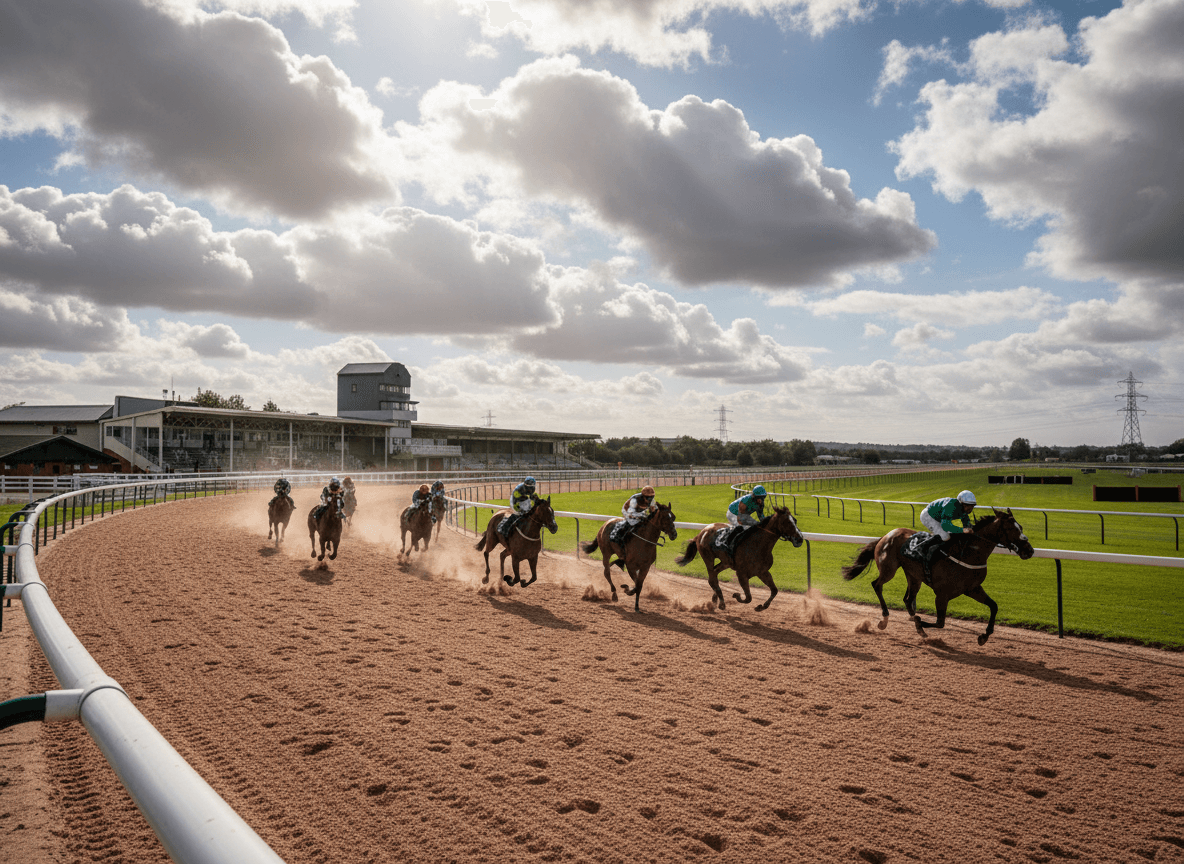
The transition from Brighton's summer flat racing to its jump incarnation requires a fundamental shift in analytical approach. Where flat races often resolve into pure speed battles up that famous finishing climb, jump racing here becomes an exercise in energy management across a uniquely demanding topography.
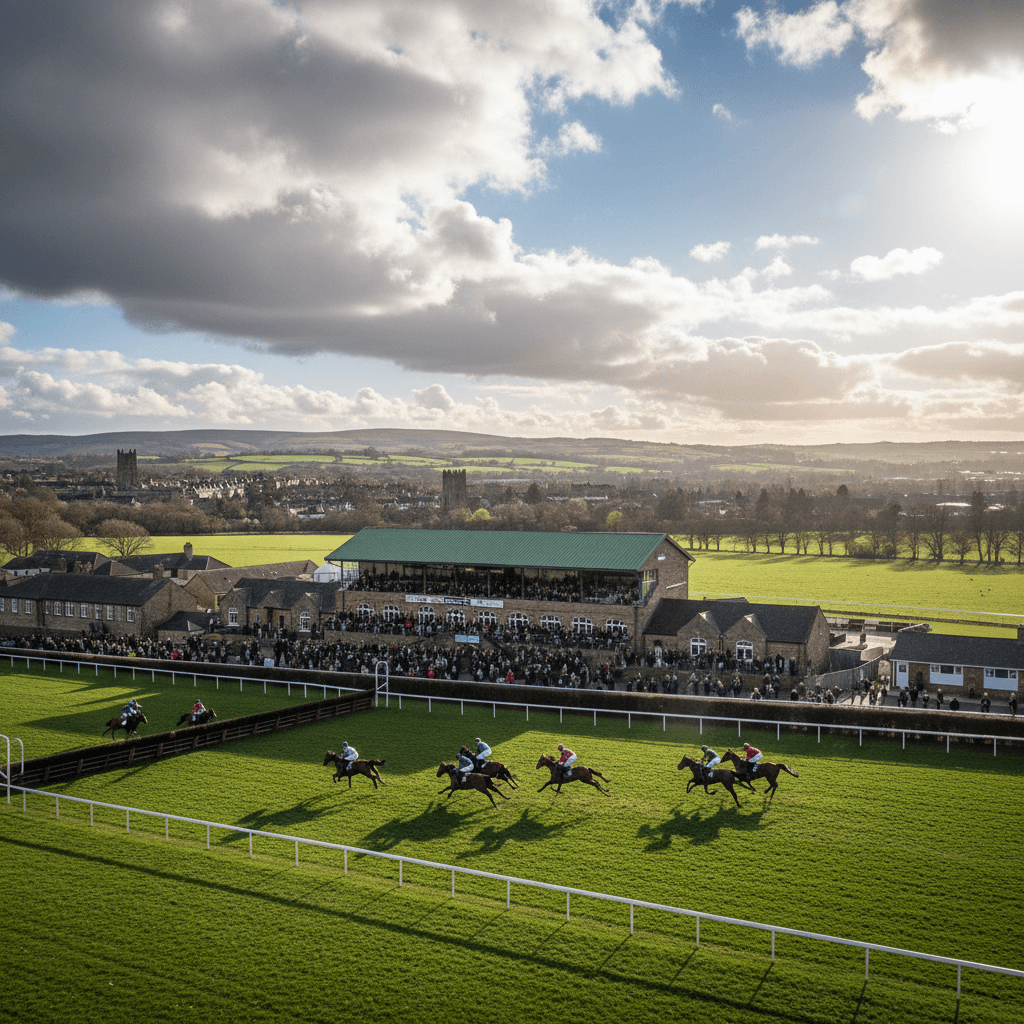
The downhill sections, so crucial to flat race positioning, take on different significance over obstacles. Horses that travel too keenly on the descent often pay a severe price when asked to negotiate the turn and climb while maintaining jumping accuracy. Conversely, those held up too far back can find the unique contours make ground difficult to recover, particularly if the pace has been genuine early.
Brighton's left-handed configuration favours horses comfortable on that rein, but more subtly, it rewards those with the tactical speed to improve position through the sweeping bend. This isn't about raw pace—it's about the ability to quicken when balanced, a quality that separates the course specialists from the merely capable.
The finishing climb, while less severe than some of jump racing's more notorious hills, becomes increasingly significant as races develop. Horses that have expended energy fighting for position or jumping inefficiently through the early stages often find this final test beyond them. The gradient isn't steep enough to stop a well-handicapped horse, but it's sufficient to expose those racing beyond their current ability.
The Brighton Jump Racing Profile
Successful Brighton jumpers tend to share certain characteristics that reflect the course's unique demands. Stamina, while always important in jump racing, takes on particular significance here. This isn't just about staying the trip—it's about retaining jumping accuracy and tactical speed while negotiating the course's energy-sapping contours.
Jumping ability, obviously crucial anywhere over obstacles, requires specific qualities at Brighton. The downhill sections can cause horses to get close to their fences, while the climb can find out those whose technique deteriorates under pressure. The most successful Brighton performers tend to be fluent, economical jumpers rather than spectacular but wasteful ones.
Experience counts heavily here. The course's idiosyncrasies aren't immediately obvious to newcomers, and horses making their Brighton debut often race less efficiently than their form suggests they should. Previous course winners command particular respect, as do horses with form at similarly demanding tracks like Fontwell or Plumpton.
From a breeding perspective, Brighton tends to favour horses with National Hunt sires known for producing genuine stayers rather than speed merchants. The stamina must be allied to soundness—this isn't a track that flatters horses with physical limitations.
Practical Wisdom for Brighton's Jump Racing
For those planning to attend, Brighton's elevated position means the weather can change quickly, and the sea breeze often makes it feel cooler than inland venues. The views are spectacular, but they come with the price of exposure to the elements.
From a betting perspective, the consistent good going this week should allow form to work out more reliably than when conditions are testing. However, Brighton's unique characteristics mean that horses stepping up significantly in class or distance face a sterner examination than the bare form might suggest.
Pay particular attention to horses whose recent form has come at similar undulating tracks. Conversely, be wary of those whose best efforts have been achieved on flat, galloping courses where tactical positioning is less critical.
The evening fixture on Wednesday may see slightly different betting patterns, with the compressed card potentially leading to more speculative support for outsiders as punters seek to recover earlier losses or capitalise on smaller fields.
The Enduring Appeal
Brighton's jump racing may lack the prestige of its summer flat programme, but it offers something equally valuable—a pure test of jumping ability allied to tactical acumen on one of racing's most characterful stages. The horses that master this venue's demands earn their victories through a combination of ability, preparation, and ring-craft that speaks to jump racing's essential qualities.
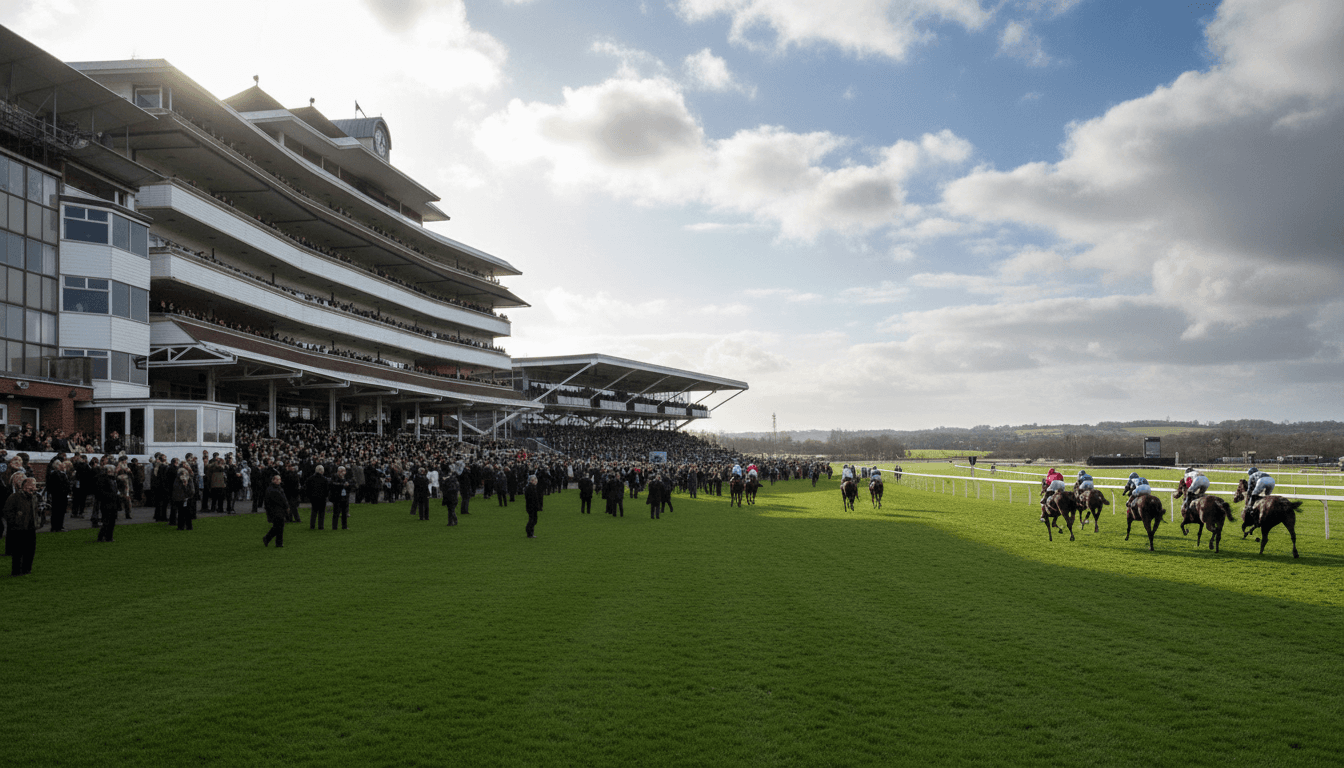
This week's twin fixtures provide an opportunity to witness this demanding craft in its most refined form, where the margin between success and failure is measured not just in lengths, but in the subtle interplay between horse, jockey, and the ancient contours of the Sussex downs.