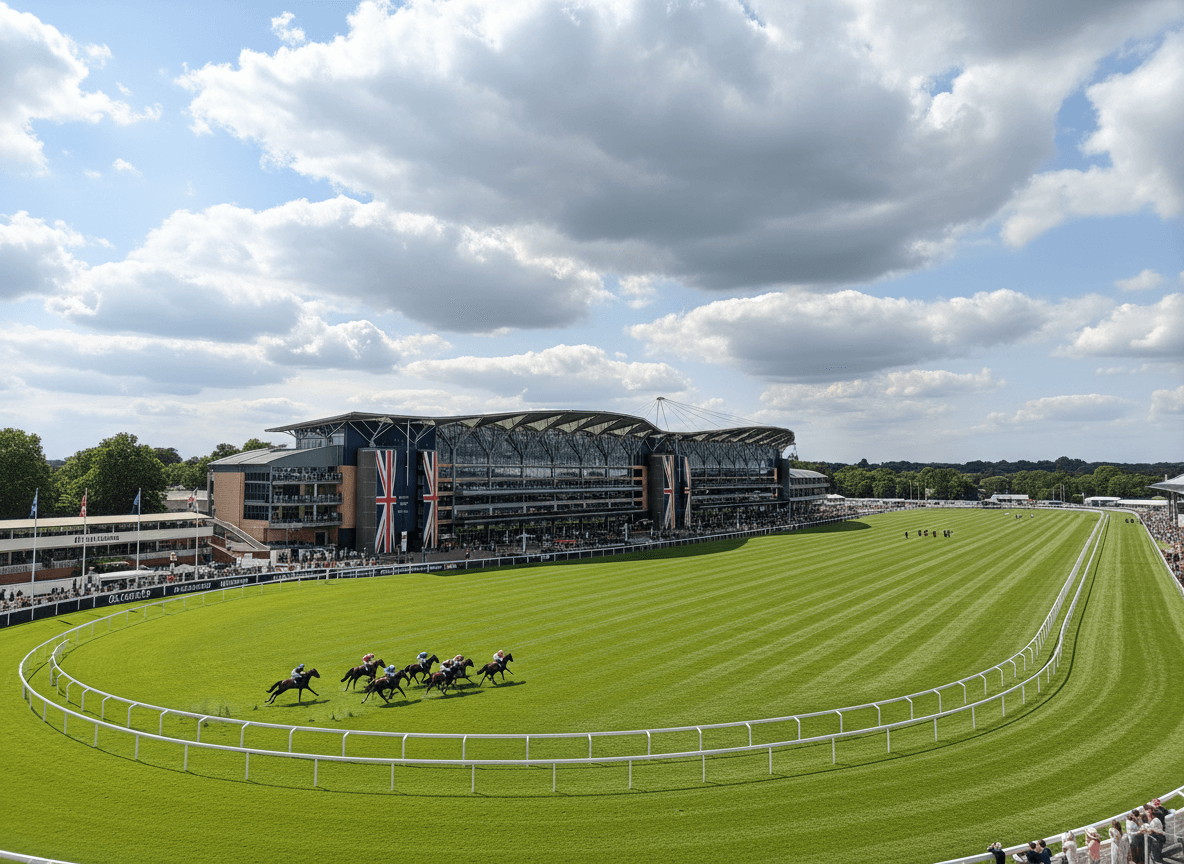
A Course That Demands Respect
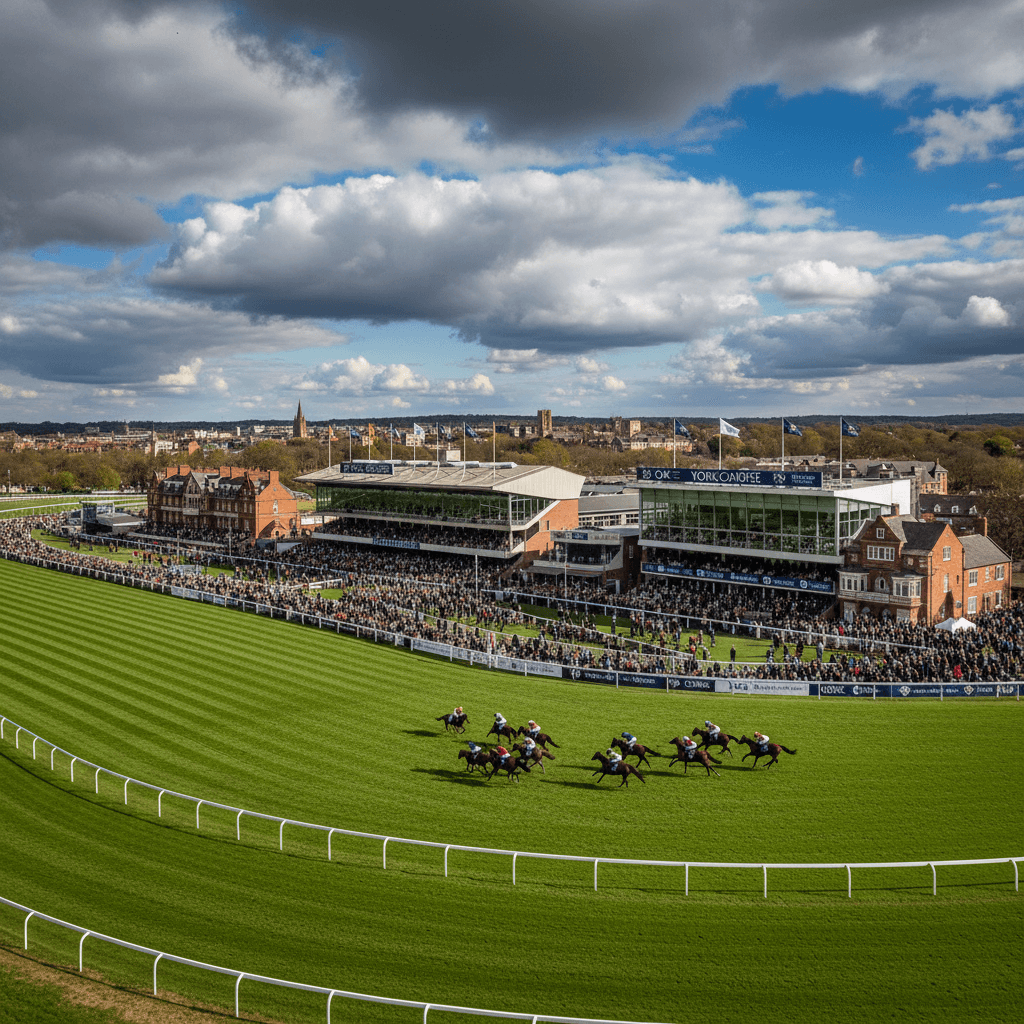
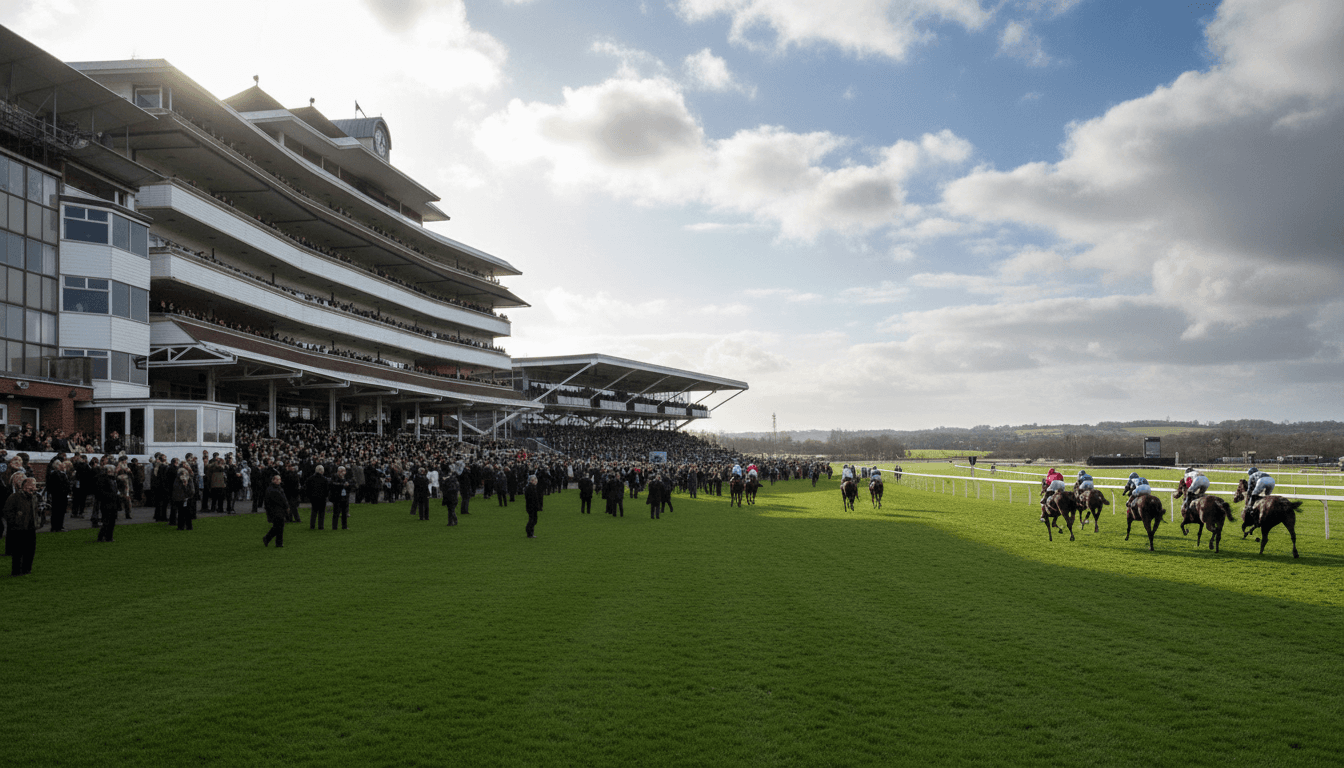
There are racecourses, and then there is Ascot. The distinction matters. Founded by Queen Anne in 1711 and set among the ancient oaks of Berkshire, Ascot carries a weight of history that few sporting venues anywhere in the world can match. It has hosted kings and commoners, champions and heartbreaks, and it has done so with an unhurried grandeur that feels entirely its own. Even on a midsummer Saturday without a top hat in sight, there is something in the air at Ascot — a quiet insistence that the racing here means something.
That feeling is not merely sentimental. It is earned. The track itself is unforgiving in the most instructive way: a right-handed triangular circuit that asks genuine questions of every horse that steps onto it. The long, uphill run-in — particularly pronounced on the straight mile — has undone many a short-priced favourite who looked the part everywhere else. Ascot does not flatter. It reveals.
This week, the course hosts two afternoons of Flat racing, and with the ground riding good to firm, conditions are set up for a fascinating few days. Let us look at what awaits.
This Week's Fixtures at a Glance
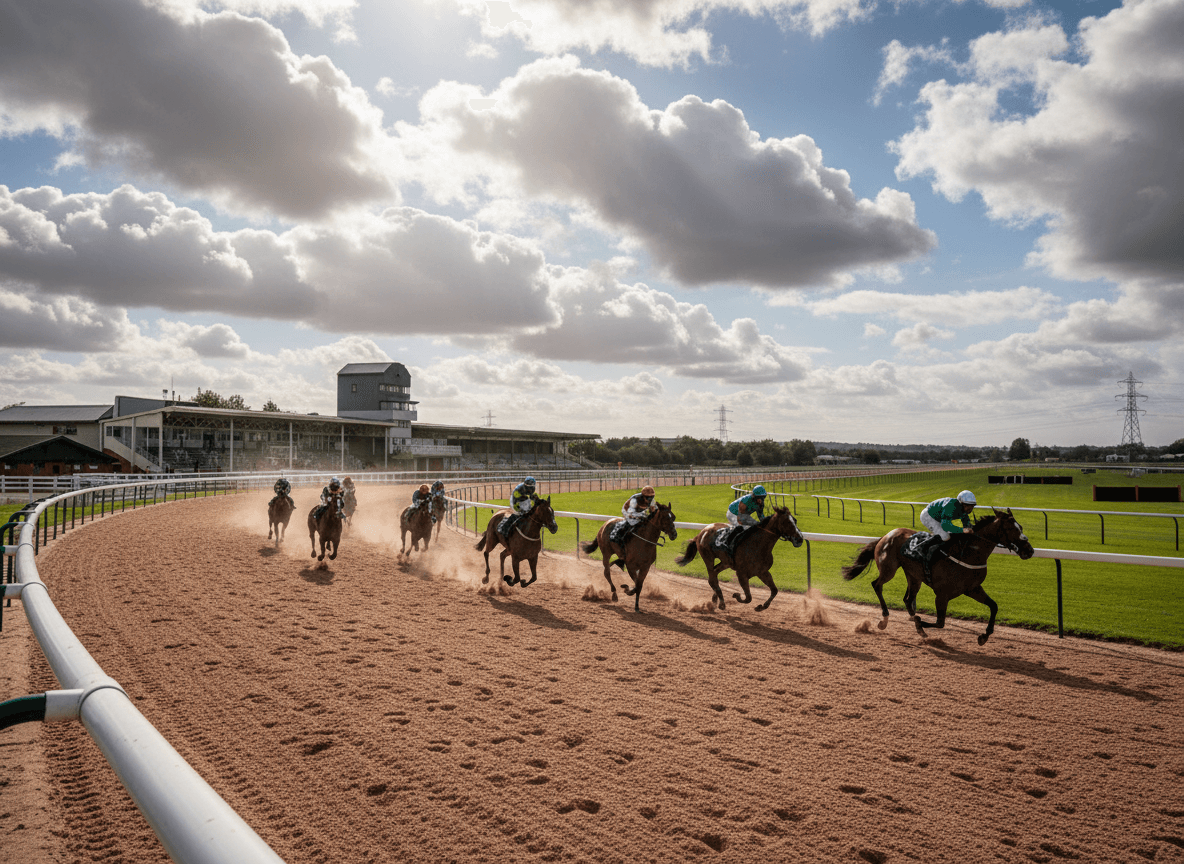
Racing takes place across both Friday and Saturday, with afternoon programmes on each day. The going is currently reported as Good to Firm on the straight course, with the going stick reading 8.0 — a number that tells its own story. The ground is quick, the surface firm underfoot, and the premium will be on horses who travel fluently and handle the pace that such conditions tend to generate.
- Friday, 24 July 2026: Six-race Flat card, afternoon. Full racecard at Ascot Friday, 24 July 2026.
- Saturday, 25 July 2026: Eight-race Flat card, afternoon — the bigger day. Full racecard at Ascot Saturday, 25 July 2026.
Saturday's eight-race programme is the headline attraction, and with the ground unlikely to change significantly between the two days barring unexpected rainfall, those who study Friday's racing carefully will find useful intelligence to carry into Saturday's card.
Reading the Track: Draw, Pace, and the Uphill Test
Understanding Ascot begins with understanding its geometry. The round course sweeps right-handed in a broad triangular loop, while the straight mile runs entirely separate — a long, exposed stretch that rises persistently to the finish line. It is on this straight course that the going stick reading becomes most consequential. On a goingstick of 8.0, the ground is genuinely quick, and horses who lack the physical constitution to handle firm conditions will find themselves found out before the furlong pole comes into view.
Draw Bias on the Straight Course
On the straight mile and the shorter five- and six-furlong sprints, draw bias at Ascot is a subject worth treating seriously. In large fields — particularly those of fifteen runners or more — low draws have historically held an advantage on the straight course, especially in sprint distances where early position is everything. The camber of the track tends to push horses towards the stands rail, and those drawn high in big fields can find themselves covering extra ground or racing in isolation.
That said, the picture is never entirely clean. In smaller fields, or when the ground is riding faster on a particular part of the track, the bias can shift or flatten out entirely. The key is to look at where the pace is likely to come from in each individual race, and whether the draw of a fancied runner places them in a position to exploit it.
The Round Course and the Run-In
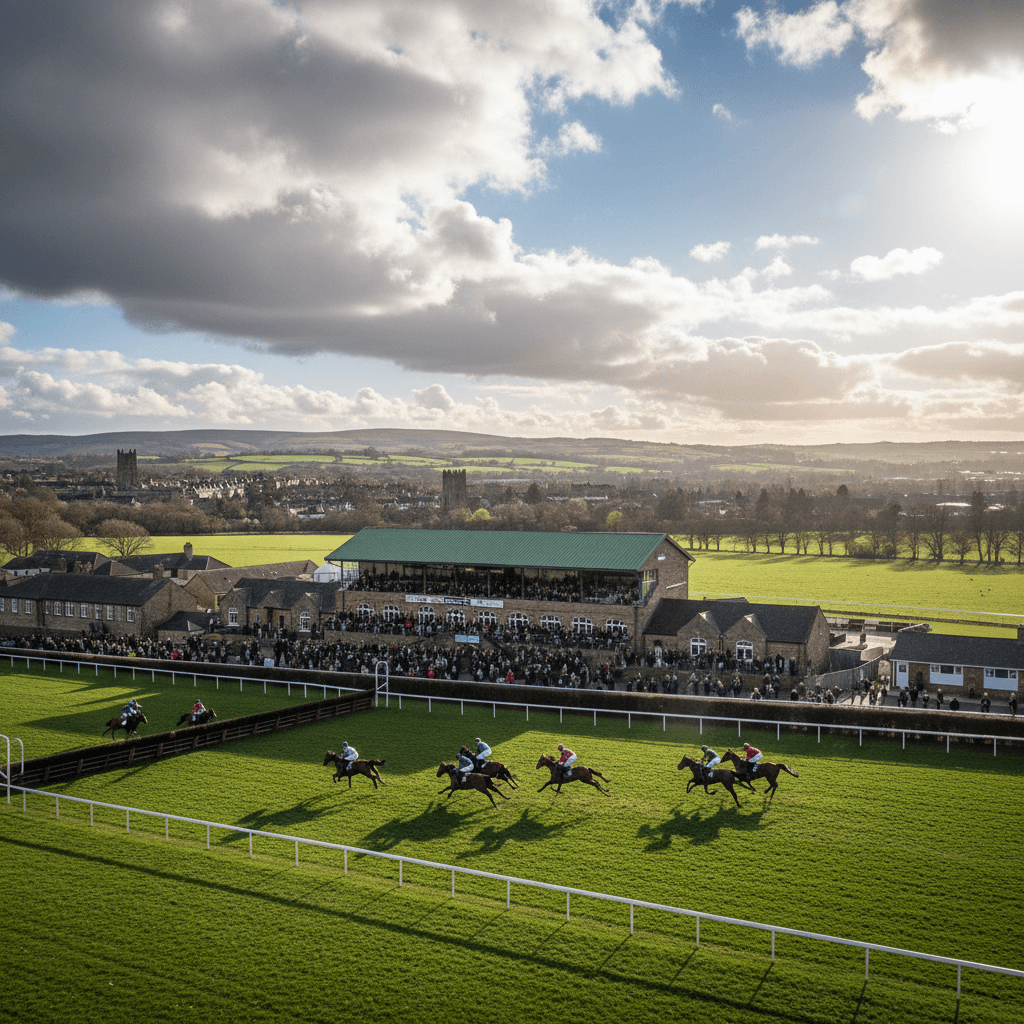
On the round course, the long run from the final turn into the straight rewards horses who travel well within themselves and have the stamina to sustain their effort up the hill. Horses who are prominent early on the round course but begin to idle once straightened up are a familiar Ascot story. The track finds them out. Conversely, those who settle, travel sweetly through the middle portions of a race, and pick up smoothly off the bend tend to be rewarded. The uphill finish is not brutal, but it is persistent — and it separates the genuine stayers from those merely pretending.
The Type of Horse That Thrives at Ascot
Ascot, particularly in fast-ground conditions, is a track for athletes. The horses who perform consistently well here share a handful of characteristics worth noting before you open a racecard.
- Proven stamina for the trip: The uphill finish adds an effective extra furlong to most distances. A horse rated as a miler who has never been tried beyond that trip deserves scrutiny when stepping into a race at Ascot.
- Good action on quick ground: Some horses simply do not handle firm going — their action is not suited to the jar, and their performance drops measurably. Check the breeding and the form history. Horses with a lot of soft-ground form in their record warrant caution on a goingstick of 8.0.
- Tactical versatility: Given the pace scenarios that fast ground tends to create, horses who can be ridden with flexibility — held up or pressed forward depending on the shape of the race — tend to be more reliable at Ascot than those who need things to fall perfectly.
- Course form: This one sounds obvious, but it is worth emphasising. Horses who have run well at Ascot before have demonstrated they handle the track's particular demands. Previous course winners, or horses with placed form here, deserve a line of credit that their overall form figures alone may not convey.
Practical Tips for Racegoers and Punters
Whether you are heading to the track or watching from home, a few practical thoughts before the week begins.
For those attending: Ascot in July is a pleasure, but the summer fixture can draw healthy crowds, particularly on Saturday. Arrive early enough to walk the course apron and get a feel for the ground yourself — the going stick is a guide, not a gospel, and watching the first race or two will tell you a great deal about where the track is riding fastest and whether the bias is playing out as expected.
For punters: on fast ground at Ascot, pace analysis is your most valuable tool. Identify which horses are likely to set the tempo in each race, and consider whether that tempo suits your selection. On quick ground, races can be run at a searingly honest pace that stretches fields and exposes horses who are flattered by their ratings. Equally, if a race lacks a genuine front-runner, the resulting tactical crawl can produce a sprint finish that plays into the hands of a horse with a sharp turn of foot — regardless of their draw or stamina profile.
Finally, keep an eye on the market moves in the hour before each race. Ascot attracts serious stables with serious intentions, and late money here tends to be informed money.
In Conclusion
Two days of Flat racing on good to firm ground at one of the world's great racecourses. There is, in truth, little more one could ask of a July week. Ascot rewards those who take the time to understand it — its slopes, its biases, its quiet insistence on quality — and this week's cards offer a fine opportunity to do exactly that.
Study the draws, respect the ground, and follow the horses who have shown they belong here. The track will do the rest. Full details of both days' racing are available on the Ascot course page, with racecards live for Friday and Saturday.