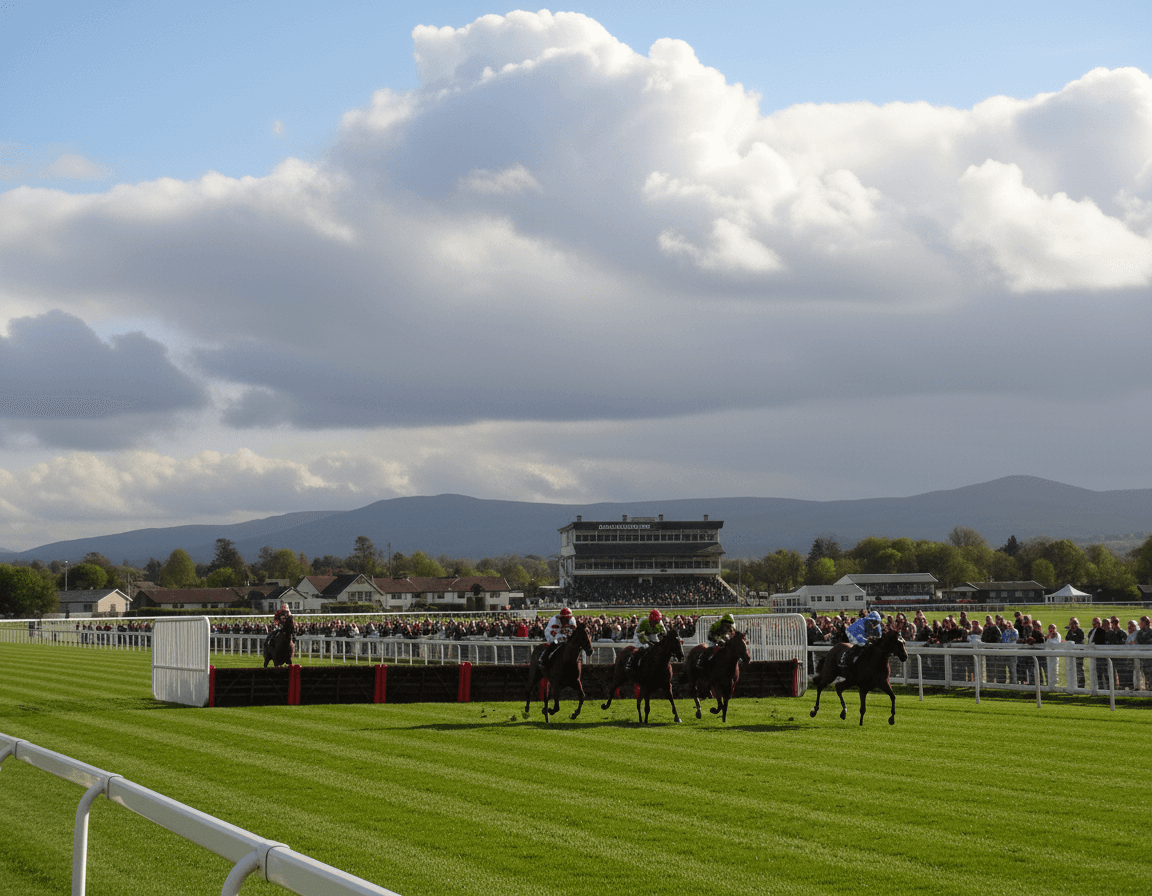
The Beauty and the Beast of Northern Racing
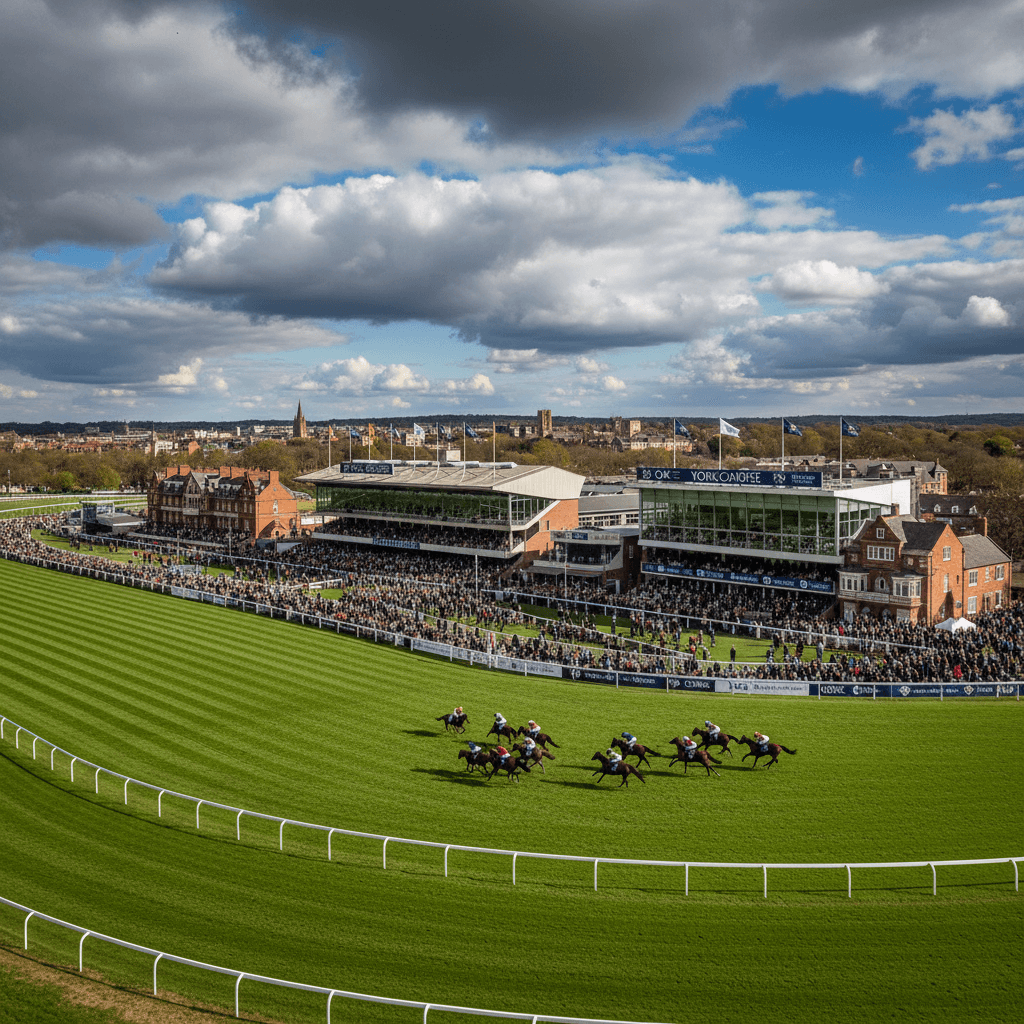
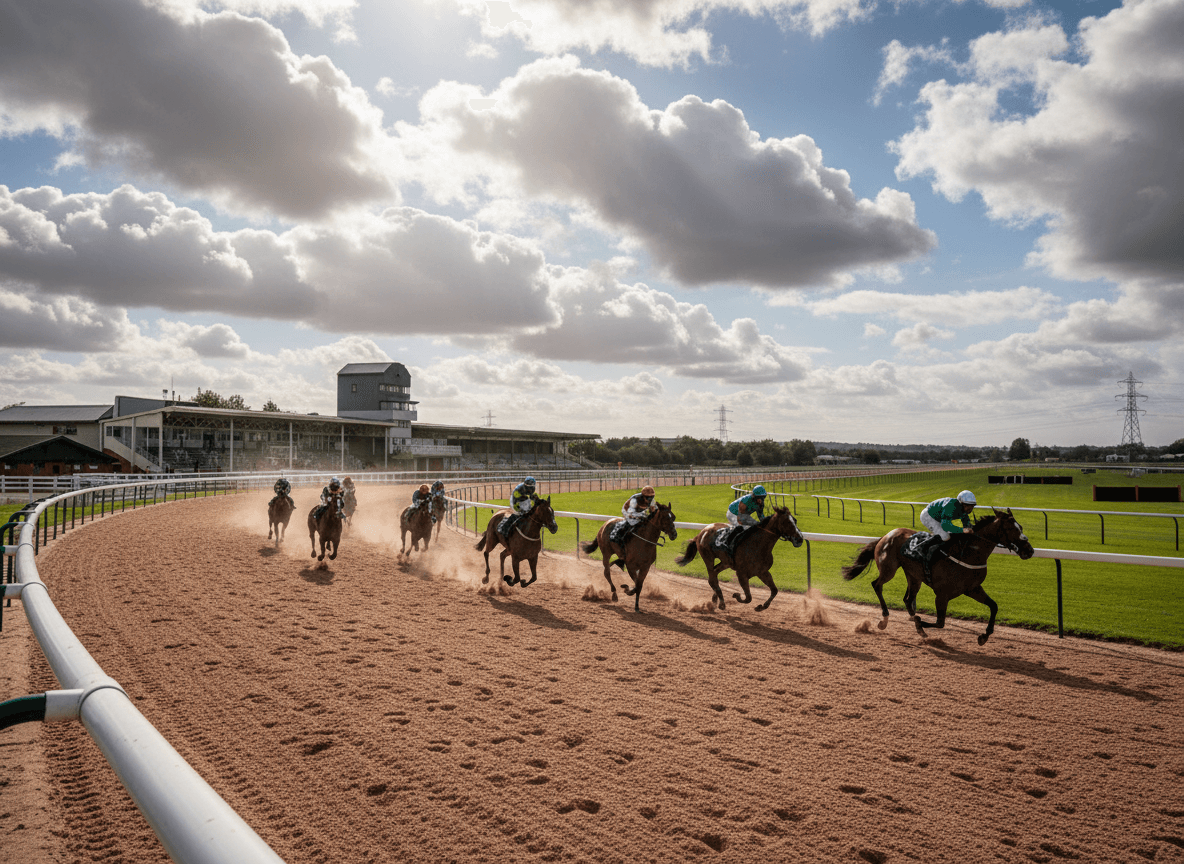
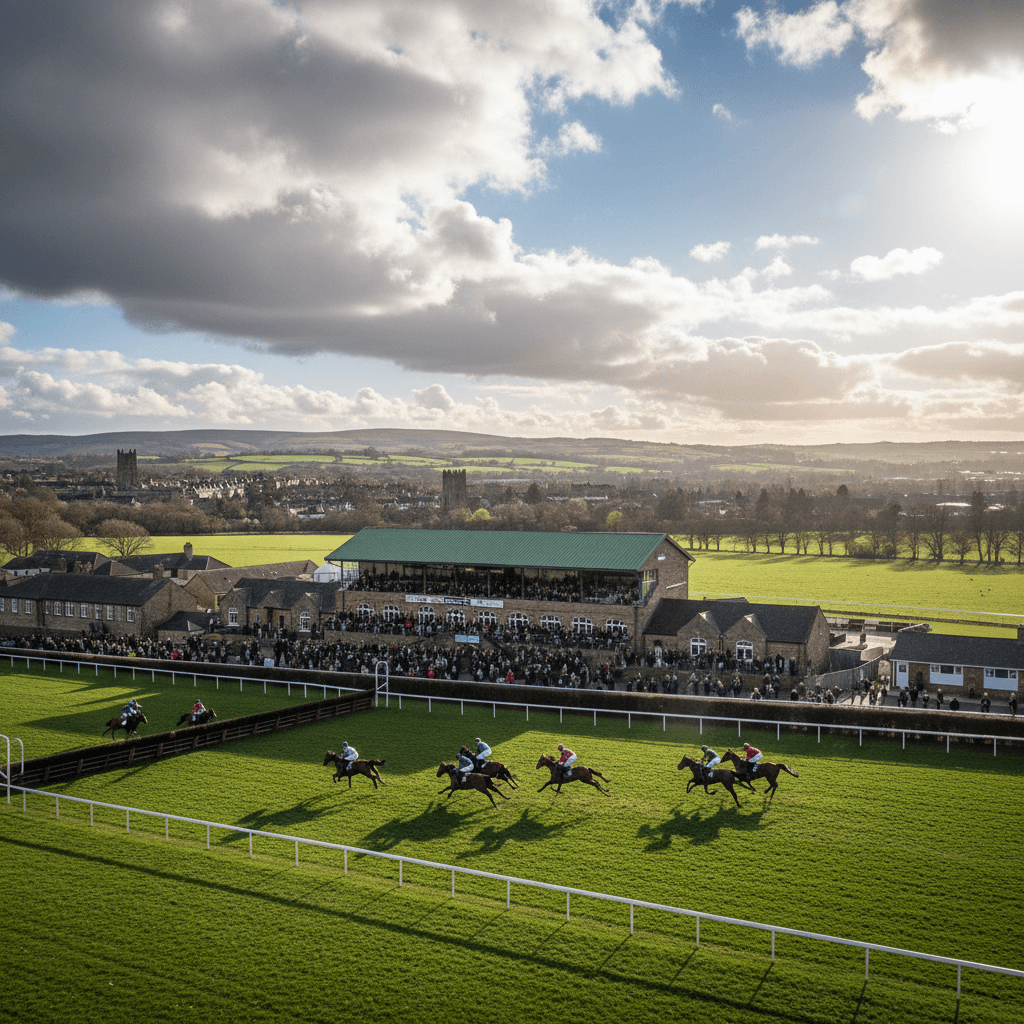
There's something almost mythical about Carlisle that gets the blood pumping every time I make that journey up the M6. Maybe it's the way the Cumbrian fells roll away into the distance, or perhaps it's knowing you're about to witness some of the most honest, gut-busting finishes in jump racing. This isn't your manicured southern track where horses can get away with a bit of swagger and no substance. No sir, Carlisle sorts the wheat from the chaff faster than a Cumberland farmer at harvest time.
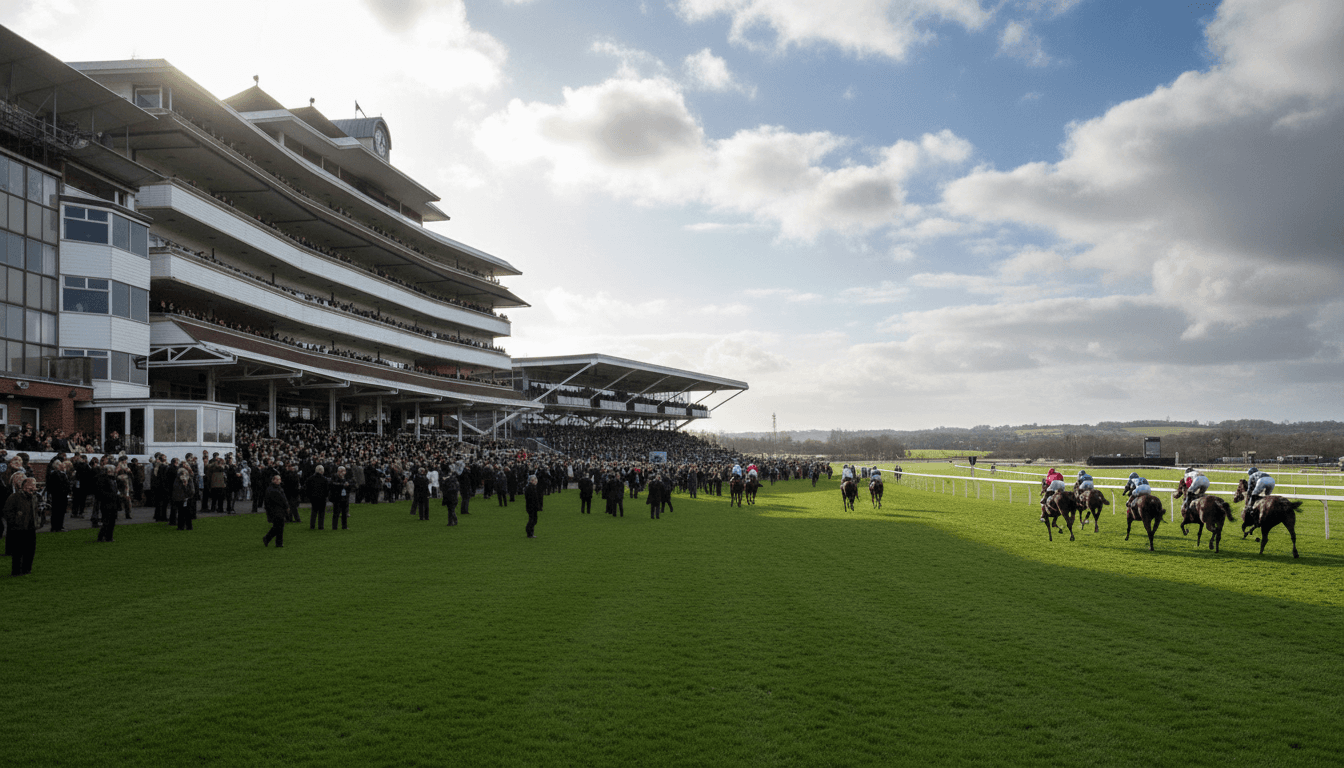
That famous uphill finish has been humbling flashy types since 1904, and it shows no mercy to pretenders. I've seen more supposed certainties come unstuck on this climb than I care to remember – and my betting slips bear the scars to prove it. But that's exactly what makes this place so bloody compelling.
Four Days of Proper Jump Racing
This week serves up a feast for jump racing purists with four consecutive afternoon cards, starting Tuesday, 10 March and running through to Friday, 13 March. Seven races each day, all on good to soft ground that's showing signs of improvement as we head towards the weekend.
The going description tells its own story – starting good to soft on Tuesday and Wednesday, then showing good in places by Thursday and Friday. That's music to the ears of anyone who appreciates proper jumping conditions. Not too deep to blunt the speed, not too firm to worry the connections. It's that Goldilocks zone where class can shine through, but stamina remains king.
Each afternoon card kicks off around 1:30pm, giving you plenty of time for a proper lunch and a good look at the horses in the paddock. Trust me, you want to see how they're moving before backing them to tackle this beast of a track.
Reading Carlisle's Unique Challenges
If Cheltenham is chess, then Carlisle is arm wrestling. That pear-shaped, right-handed circuit might look innocent enough on paper, but it's got more twists than a political manifesto. The undulating nature means horses are constantly having to adjust their stride, find their balance, and dig deep when others are starting to cry enough.
The key moment comes at the home turn – a sweeping right-hander that sets up that lung-bursting climb to the line. I've watched countless races where the leader at the turn gets swallowed up by something with a better change of gear and stronger finishing kick. It's not enough to get there first; you've got to have something left when the track starts pointing skyward.
Front-runners need to be the genuine article here. Those that like to make all need stamina in spades and the heart of a lion. But equally, hold-up horses get plenty of opportunities to weave their magic, especially if the early pace is strong. The track's configuration creates natural gaps and gives patient jockeys options – if their mount has the engine to take advantage.
The Carlisle Horse: Built Different
You can usually spot a Carlisle winner before they've even set foot on the track. They've got that workmanlike look about them – nothing flashy, just honest muscle and a businesslike attitude. Think more shire horse than thoroughbred supermodel, though obviously with the speed to match.
Stamina is non-negotiable here. I don't care if a horse has been winning over shorter trips elsewhere – if they can't see out the journey up that hill, they're going home empty-handed. Look for horses with proven staying power, especially those that have shown they can quicken off a strong pace. The ability to find another gear when the tank's nearly empty is what separates winners from also-rans.
Previous course form is worth its weight in gold. Horses that have won here before understand what's required. They know when to conserve energy, when to position themselves, and crucially, when to press the accelerator for that final climb. Course specialists aren't just a nice-to-have at Carlisle – they're often your best bet.
Age and experience count for plenty too. This isn't a track for green youngsters still learning their trade. Give me a battle-hardened eight or nine-year-old who's seen it all before over a promising novice any day of the week.
Practical Wisdom for Carlisle Punters
If you're making the trip up to Cumbria, wrap up warm – even in March, that wind off the fells can cut through you like a knife. The viewing is excellent from most vantage points, but get yourself positioned near the home turn if you can. That's where races are won and lost, and you'll get a proper feel for which horses are travelling well.
For the armchair punters, pay close attention to the market moves. Carlisle attracts plenty of northern trainers who know the track inside out, and when they're confident, the money usually follows. Don't ignore horses trained locally either – there's nothing like knowing every blade of grass to give you an edge.
Weather can play a bigger factor here than at many tracks. Keep an eye on forecasts, especially for rain. While good to soft is ideal, if the heavens open and it turns heavy, that favours the real mudlarks and can turn form on its head.
Four Days of Honest Sport
This week's quartet of cards promises everything that makes Carlisle special – honest horses, testing conditions, and that finish that never fails to quicken the pulse. Whether you're there in person breathing in that crisp Cumbrian air, or following the action from afar, you're guaranteed proper jump racing at its most authentic.
It's not about the glitz or the glamour – it's about horses and jockeys giving everything they've got when it matters most. In a sport that sometimes gets caught up in its own importance, Carlisle keeps things refreshingly real. Four days, 28 races, and countless opportunities to witness the kind of courage and determination that makes jump racing the greatest show on earth.
Just don't blame me when that 'certainty' gets collared on the line. That hill has been keeping us humble for over a century, and it's not stopping anytime soon.