The Enduring Appeal of Sunbury's Synthetic Stage
There's something uniquely compelling about Kempton Park that transcends its status as merely another all-weather venue. Perhaps it's the way the floodlights catch the spray from the Polytrack on a crisp evening, or the knowledge that this same stretch of Surrey turf has witnessed nearly 150 years of racing history. While purists may pine for the unpredictability of natural surfaces, Kempton's synthetic strip offers its own subtle complexities—a canvas where small advantages become magnified and tactical nuance often trumps raw ability.
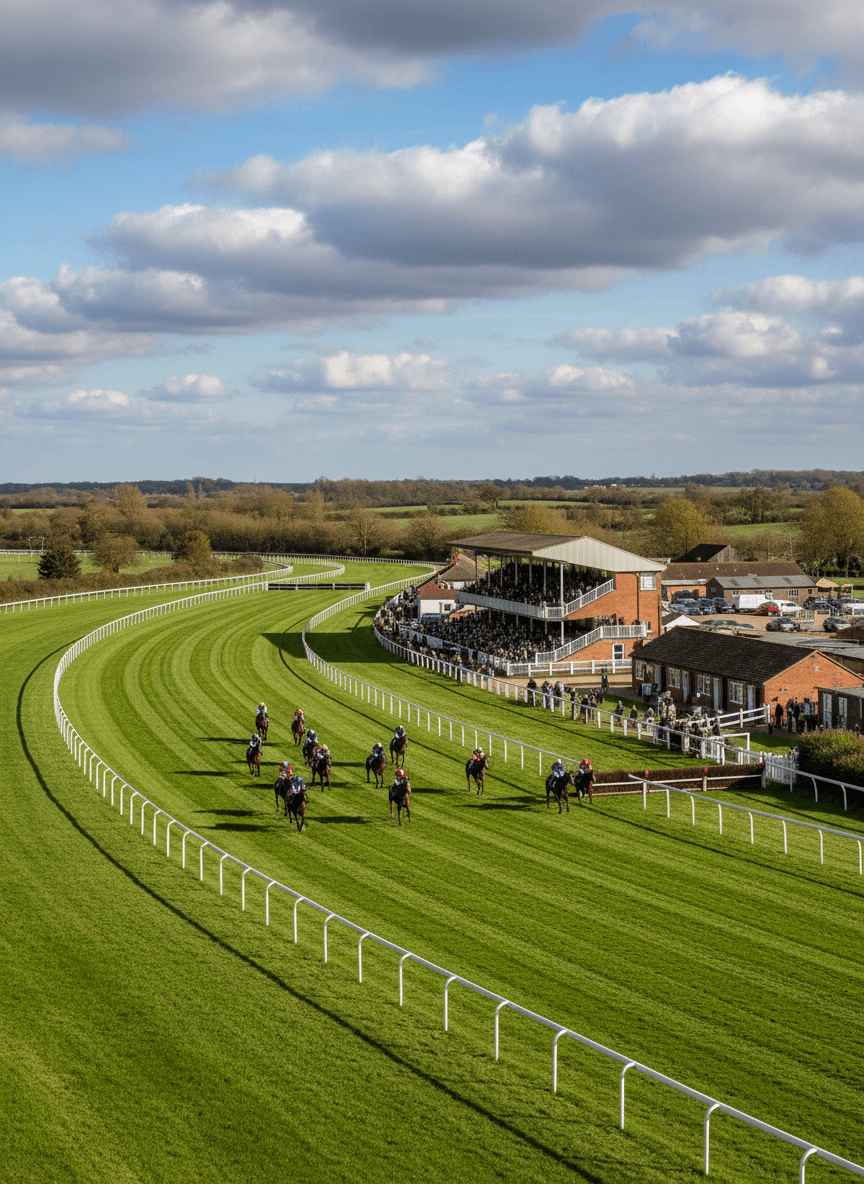
The track's heritage runs deeper than its modern Polytrack surface might suggest. From its Victorian origins through to its current incarnation as the spiritual home of British all-weather racing, Kempton has evolved while maintaining its essential character. The right-handed oval, with its deceptive undulations and testing home straight, continues to pose questions that separate the shrewd from the speculative.
This Week's Programme: A Study in Contrasts
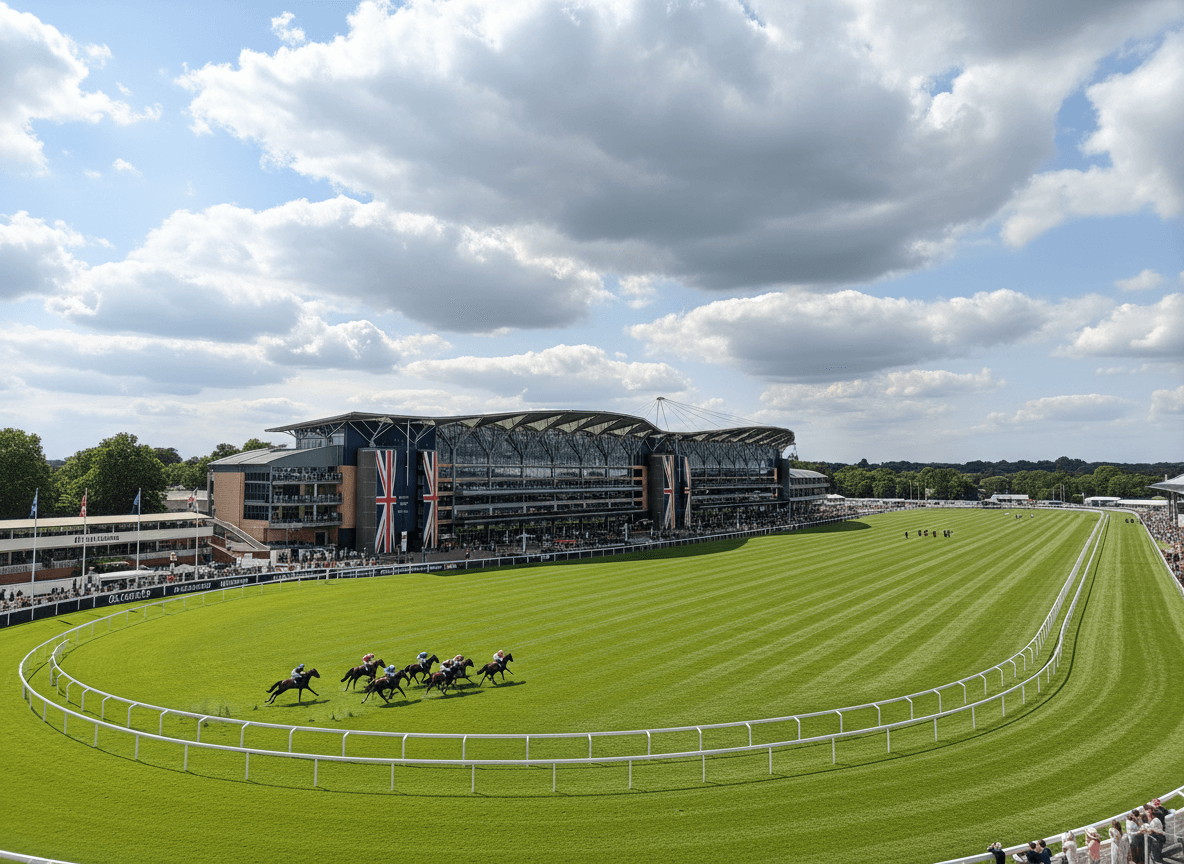
Three distinct cards await this week, each offering its own interpretive challenges. Monday's afternoon fixture kicks off proceedings with a seven-race programme under natural light—conditions that often favour those with proven Polytrack form over newcomers still adjusting to the surface's unique demands.
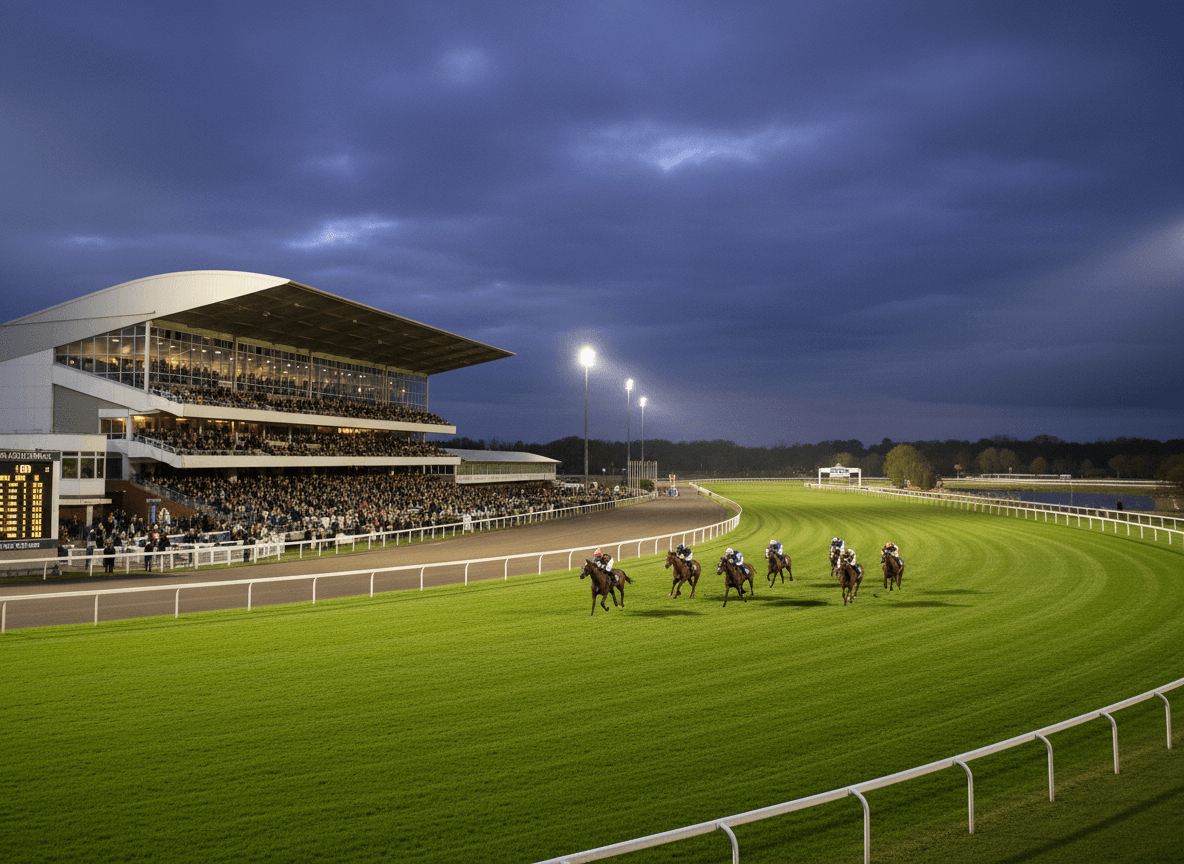
Tuesday's evening meeting presents the week's most intriguing tactical proposition. Racing under floodlights transforms the entire dynamic, with horses often displaying markedly different temperaments when the sun disappears. The artificial lighting can unsettle inexperienced runners, while seasoned all-weather campaigners frequently produce their best efforts in these theatrical conditions.
Thursday's afternoon return completes the week's action, offering a final opportunity to capitalise on any patterns that emerge from the earlier meetings. The standard going across all three fixtures ensures consistency, removing one variable from an already complex equation.
Decoding Kempton's Tactical Landscape
The Polytrack's consistent standard going masks a surface that rewards specific tactical approaches. Unlike turf racing, where going changes can dramatically alter track bias, Kempton's synthetic strip maintains its essential characteristics regardless of weather. This consistency allows for more reliable pattern analysis, though it demands a deeper understanding of the track's inherent preferences.
The right-handed configuration favours horses comfortable on that lead, while the gradual climb from the home turn to the winning post—barely perceptible to the naked eye—can prove decisive in tight finishes. Those final 200 yards have witnessed countless photo-finishes where stamina, rather than pure speed, has proved the determining factor.
Pace analysis becomes particularly crucial here. The track's galloping nature encourages strong early fractions, but the slight uphill finish rewards those with something in reserve. Front-runners need genuine stamina to maintain their advantage, while hold-up horses require both tactical speed and the racing room that doesn't always materialise in competitive handicaps.
The Draw Conundrum
Kempton's draw bias operates on subtle frequencies that casual observers often miss. Over the straight five furlongs, higher numbers carry a slight statistical advantage, though this edge diminishes significantly in fields of eight or fewer. The key lies not in the draw position itself, but in how jockeys utilise their starting berth within the race's developing pace scenario.
In round-course events, the draw's influence varies considerably with distance. Sprint contests often see low numbers prosper, provided they can secure an early position without excessive effort. As distances extend beyond seven furlongs, the draw's significance diminishes, though it never disappears entirely. The ability to secure a prominent position approaching the home turn remains paramount, regardless of starting stall.
The Kempton Horse: Identifying the Specialists
Certain equine characteristics consistently correlate with Polytrack success. Horses with proven all-weather form naturally command respect, but the surface rewards specific physical and mental attributes that don't always translate from turf performance. Strong, athletic types with efficient actions tend to handle the kickback better than their more delicate counterparts.
Temperament proves equally crucial. The enclosed nature of evening meetings, combined with the unique acoustics created by the grandstand and floodlights, can unsettle nervous types. Conversely, genuine, straightforward horses often produce career-best efforts on the Polytrack, finding the consistent surface and clear tactical scenarios to their liking.
Previous course form carries significant weight, though it shouldn't be viewed in isolation. Horses returning after brief absences often show marked improvement for their reappearance, particularly if their previous visit resulted in a creditable effort. The surface's forgiving nature means that minor physical issues, which might compromise performance on firmer turf, become less significant factors.
Trainer Patterns and Seasonal Cycles
Certain handlers have developed almost mystical reputations for their Polytrack prowess, though their success often stems from systematic preparation rather than supernatural insight. These specialists understand that all-weather racing operates within different parameters—where consistency trumps brilliance and tactical awareness often outweighs raw talent.
Spring meetings like this week's programme frequently showcase horses being prepared for summer turf campaigns. The Polytrack serves as an ideal testing ground, offering competitive racing without the firm ground that many trainers prefer to avoid during preparation phases. This dynamic can create opportunities for astute observers, as horses showing marked improvement may be approaching peak condition ahead of more ambitious summer targets.
Practical Considerations for the Week Ahead
For those planning to attend, Kempton's facilities offer comfortable viewing regardless of weather conditions. The modern grandstand provides excellent sightlines across the entire circuit, while the paddock's compact layout allows detailed pre-race inspection without excessive walking.
Evening meetings carry their own charm, though they demand different preparation. The floodlit atmosphere creates a unique ambience, but temperatures can drop significantly after sunset. The track's catering facilities remain open throughout evening fixtures, offering refuge from any late-season chill.
From a betting perspective, this week's programme rewards patience and careful market observation. All-weather racing often produces more predictable results than turf contests, though this reliability can compress odds and reduce value. The key lies in identifying horses whose recent form figures mask improving fitness or tactical advantages that may not be immediately apparent to casual observers.
Market movements frequently prove instructive at Kempton, where stable confidence often manifests in late support. However, the track's fair nature means that backed horses generally need genuine merit to justify their price contractions. Blind faith in market moves rarely prospers, but when combined with solid form analysis, betting patterns can provide valuable confirmation.
Looking Ahead: Kempton's Continuing Evolution
As British racing continues to embrace all-weather competition, Kempton's role becomes increasingly significant. This week's three meetings represent the sport at its most accessible—competitive racing staged in comfortable conditions, offering both entertainment and genuine sporting merit. The Polytrack may lack turf's romantic appeal, but it provides a level playing field where skill and preparation consistently triumph over chance and circumstance.
Whether you're planning attendance, studying the form, or simply appreciating the sport's diversity, this week's Kempton programme offers compelling reasons for engagement. In an era where racing faces numerous challenges, venues like this Surrey track provide stability and consistency—qualities that, while perhaps unglamorous, prove increasingly valuable in our uncertain times.