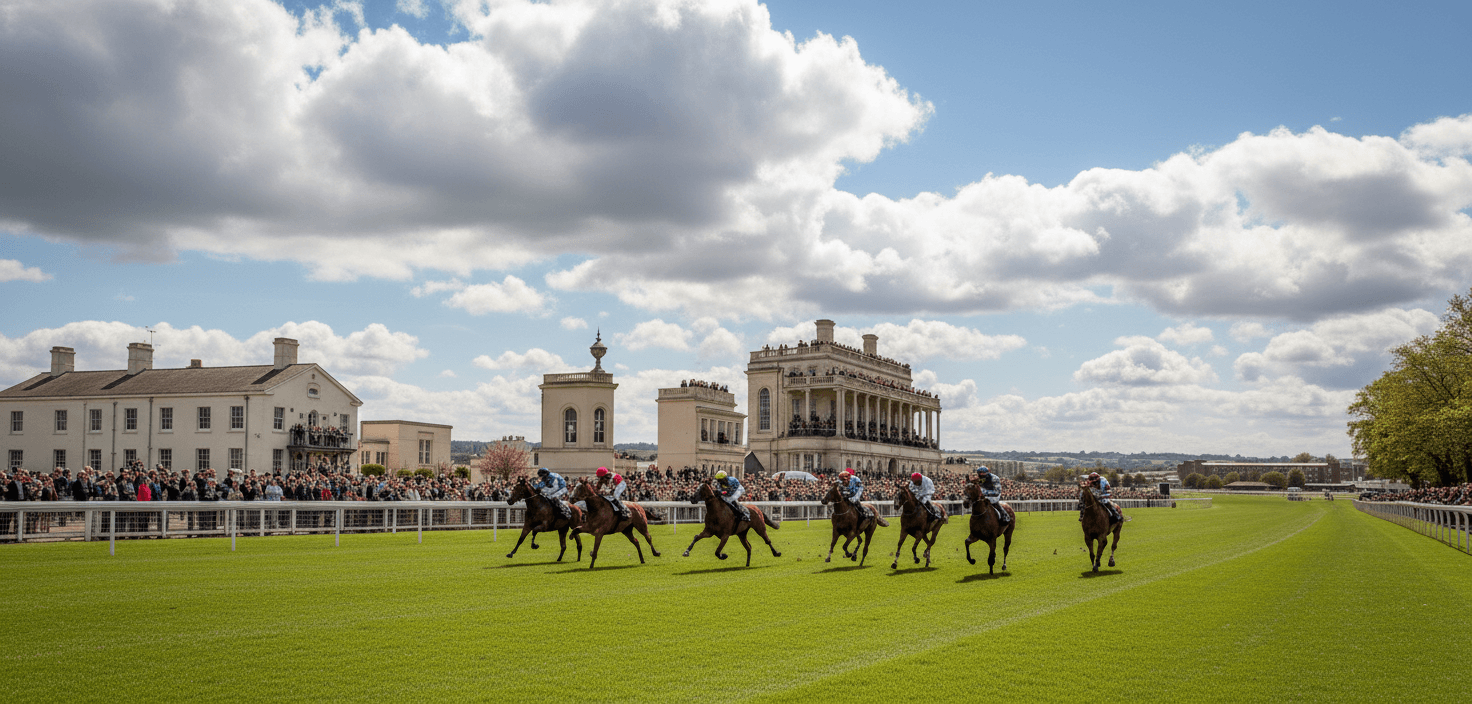
The Enduring Appeal of Town Moor
There is something profoundly reassuring about Doncaster in spring. As the Flat season gathers momentum, this most venerable of venues offers a reminder that racing's truest virtues – stamina, courage, and tactical acumen – remain unchanged despite the sport's relentless evolution. The Town Moor has witnessed nearly four centuries of equine endeavour, and this week's twin fixtures promise to add worthy chapters to that rich narrative.
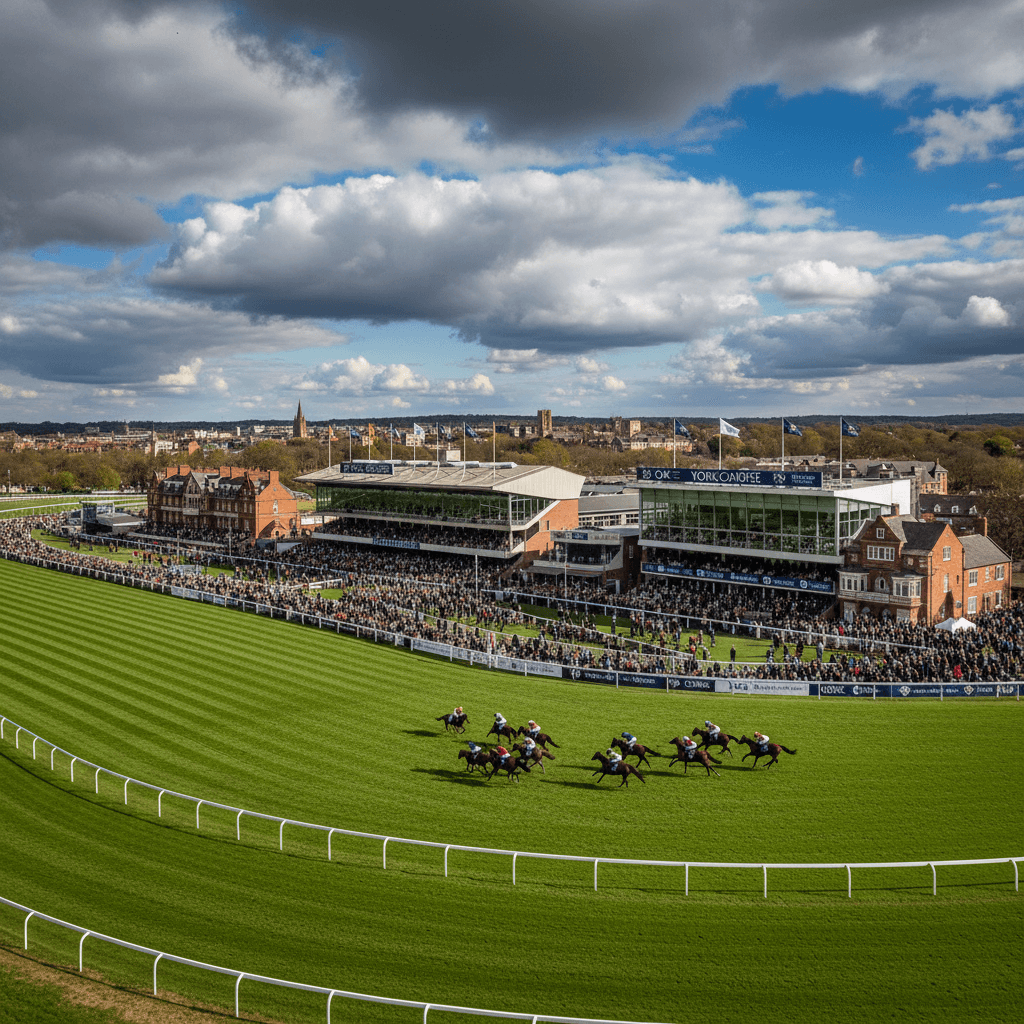
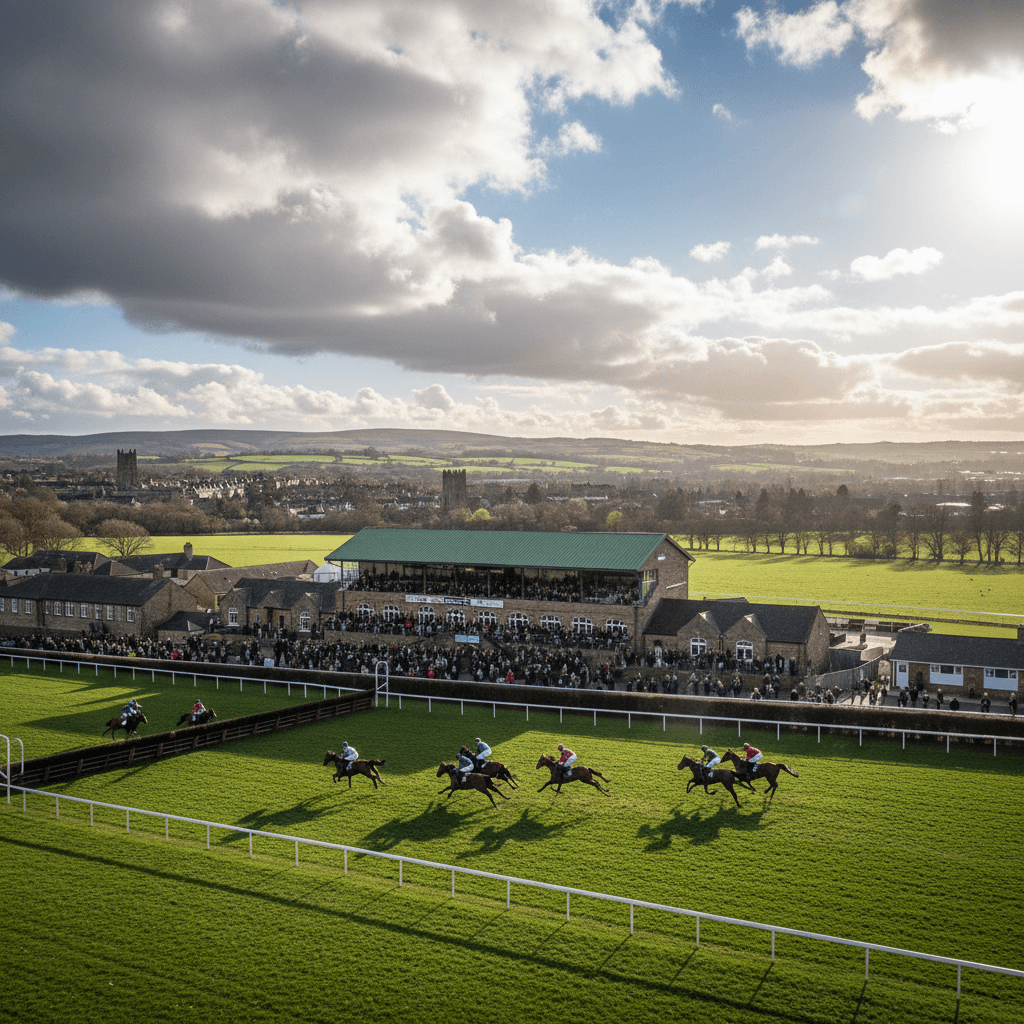
Standing on Doncaster's sweeping galloping ground, one cannot escape the weight of history. This is where the St Leger has been contested since 1776, where champions have emerged from the crucible of that punishing straight, and where the subtle art of staying power continues to be refined. The track's generous proportions and fair contours have always rewarded honesty over artifice, making it a favourite among trainers seeking a genuine test for their charges.
This Week's Programme
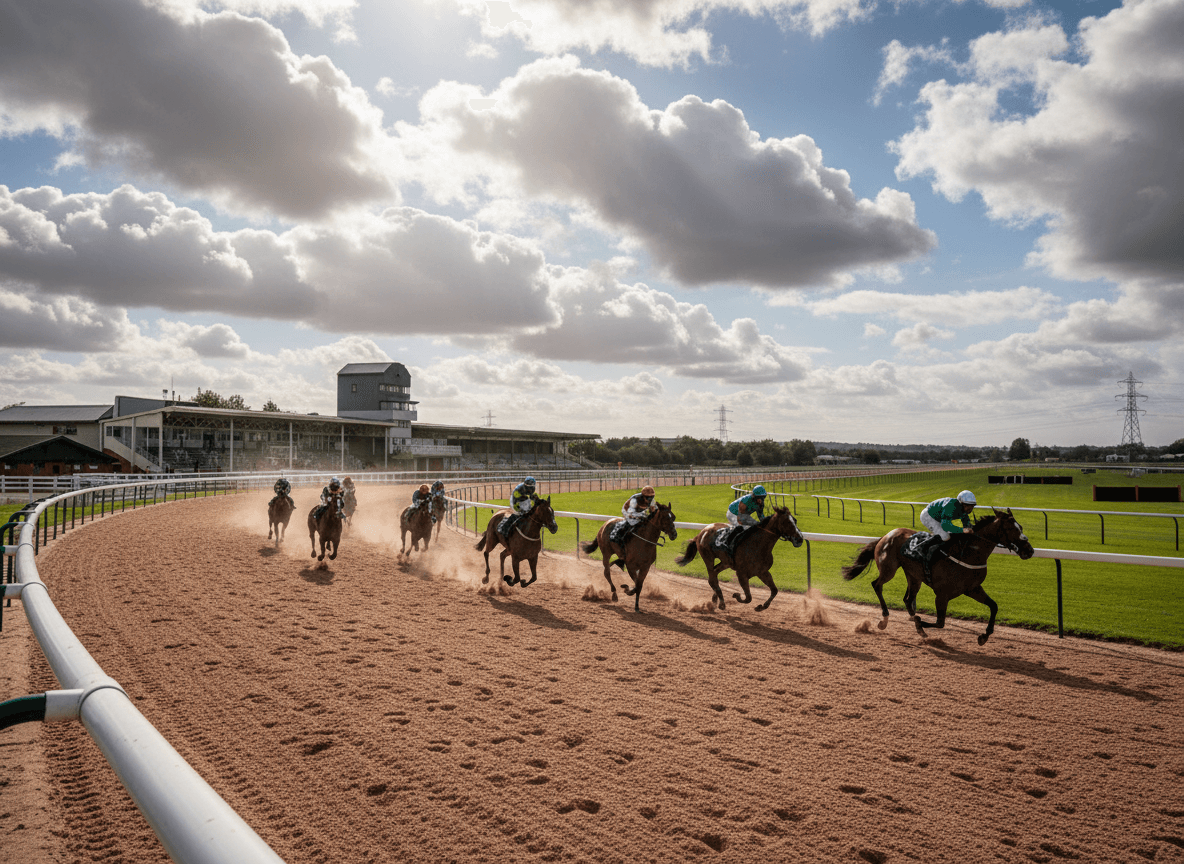
Sunday's seven-race card opens proceedings on what promises to be ideal ground conditions. The going description of Good, Good to Firm in places suggests the surface will provide the perfect balance between give and pace, allowing horses to express themselves fully without undue jar. Wednesday's corresponding fixture should benefit from similar conditions, barring any significant meteorological intervention.
Both afternoon meetings carry the hallmarks of quality spring Flat racing – competitive handicaps that will sort the improvers from the exposed, conditions races where potential stars can announce their credentials, and those fascinating maiden contests where reputations are forged and stable confidence either vindicated or shattered. The spacing between fixtures allows for careful observation of how the track plays, particularly valuable given Doncaster's occasional tendency toward tactical variation.
Reading the Doncaster Puzzle
Doncaster's left-handed configuration and generous dimensions create a unique set of tactical considerations. The extended home straight – that magnificent 350-yard test of resolve – means that early position, while useful, rarely proves decisive. Horses with a turn of foot can recover from seemingly hopeless positions, while those who travel strongly but lack a finishing kick often find themselves passed in the final furlong despite holding every advantage.
The draw bias here operates on a more subtle level than at tighter tracks. In sprint contests, particularly over five and six furlongs, a low draw provides a marginal advantage by offering the shortest route to the rail. However, this benefit diminishes significantly as distances extend, and over a mile or more, the draw becomes largely academic. What matters more is a horse's ability to settle and quicken, rather than any positional advantage conferred by the stalls.
Pace scenarios at Doncaster reward careful study. The track's galloping nature means that moderate early fractions often develop into searching tests, particularly when the field is strung out approaching the home turn. Front-runners need genuine stamina to sustain their effort up that demanding straight, while hold-up horses require jockeys with the tactical nous to position them for a clear run when it matters.
The Doncaster Type
Success at Doncaster demands a particular combination of attributes. Physical robustness ranks highly – this is no place for the fragile or faint-hearted. The track's undulations, while gentle, require horses to maintain their action over varied terrain, while the long straight provides ample opportunity for weaknesses to be exposed.
Stamina, even in sprint contests, proves more valuable than raw speed. A horse capable of sustaining its effort over the final two furlongs will often prevail over one blessed with superior acceleration but limited staying power. This principle applies across all distances and explains why Doncaster form often translates well to other galloping tracks like Newmarket's Rowley Mile or York's Knavesmire.
Mental fortitude matters enormously. The track's open aspect and the lengthy straight can intimidate inexperienced horses, while the fair nature of the contest means that hard luck stories are rare. What you see is generally what you get, making Doncaster an excellent venue for assessing a horse's true merit.
Practical Considerations
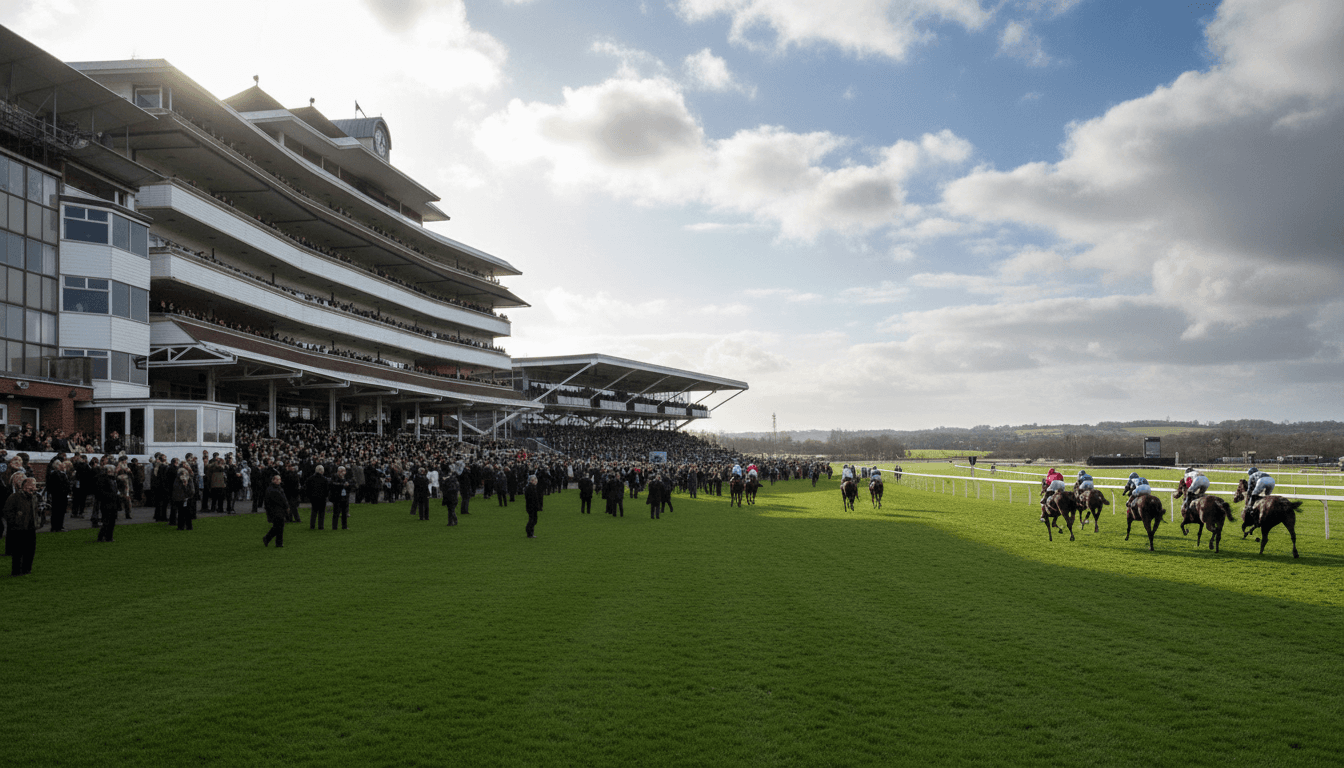
For those planning to attend this week's fixtures, the afternoon scheduling allows for a leisurely approach to what remains one of racing's most welcoming venues. The facilities strike an admirable balance between modern comfort and traditional charm, while the viewing areas provide excellent sightlines across the entire circuit.
From a punting perspective, Doncaster rewards patience and careful observation. Early races often provide valuable clues about how the track is playing, particularly regarding the effectiveness of different tactical approaches. Pay close attention to how horses finish their races – those who stay on strongly up the straight, even when beaten, often prove profitable propositions next time out.
The consistent ground conditions forecast for both meetings suggest that form figures should translate reliably, making this an excellent week for systematic form study. Course specialists deserve particular respect, as do horses returning from winter breaks who have previously shown their appreciation for Doncaster's unique demands.
A Week to Savour
As spring racing enters its most compelling phase, Doncaster's twin fixtures offer the perfect opportunity to witness the sport at its most honest and revealing. Here, on the ancient Town Moor, pretenders are exposed and genuine talent celebrated. The track's fair and testing nature ensures that merit will be rewarded, making both meetings essential viewing for anyone seeking to understand the subtle art of Flat racing at its finest.
Whether attending in person or following from afar, these cards promise to deliver the kind of authentic racing experience that makes Doncaster such an enduring favourite among the cognoscenti. In an era of increasing commercialisation, the Town Moor remains refreshingly true to racing's fundamental values – a quality that will be on full display this week.