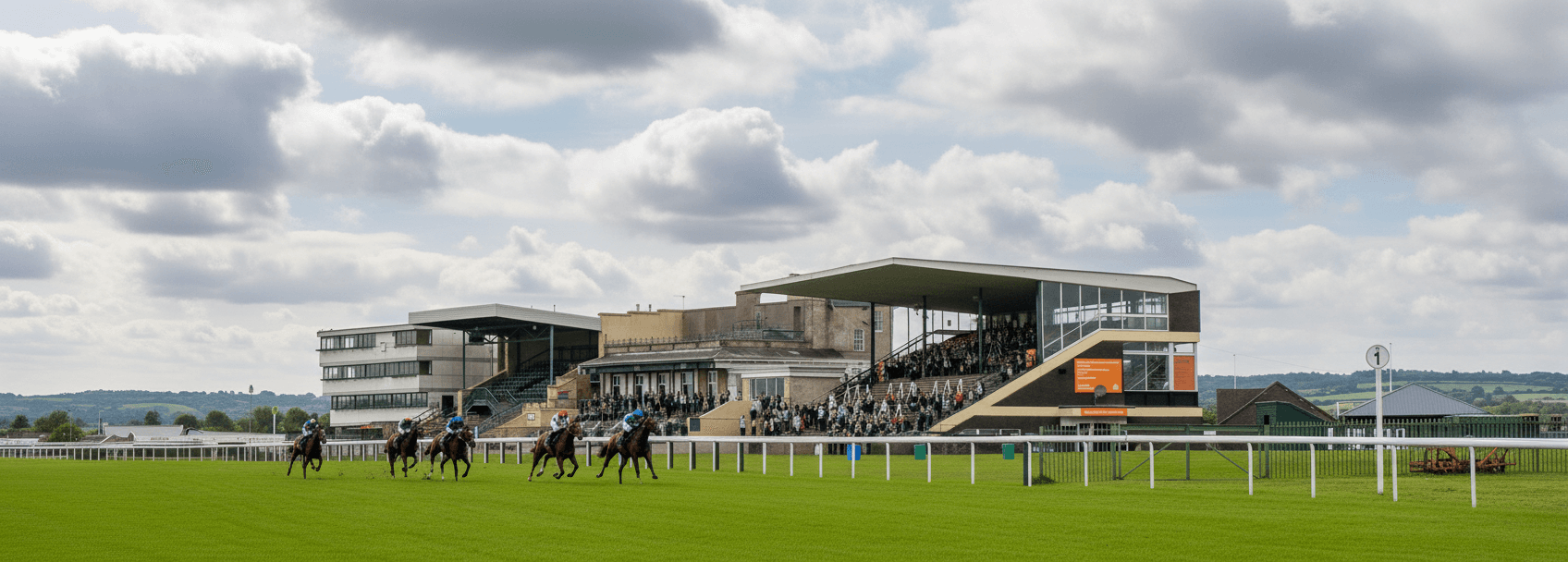
Somerset's Theatrical Stage
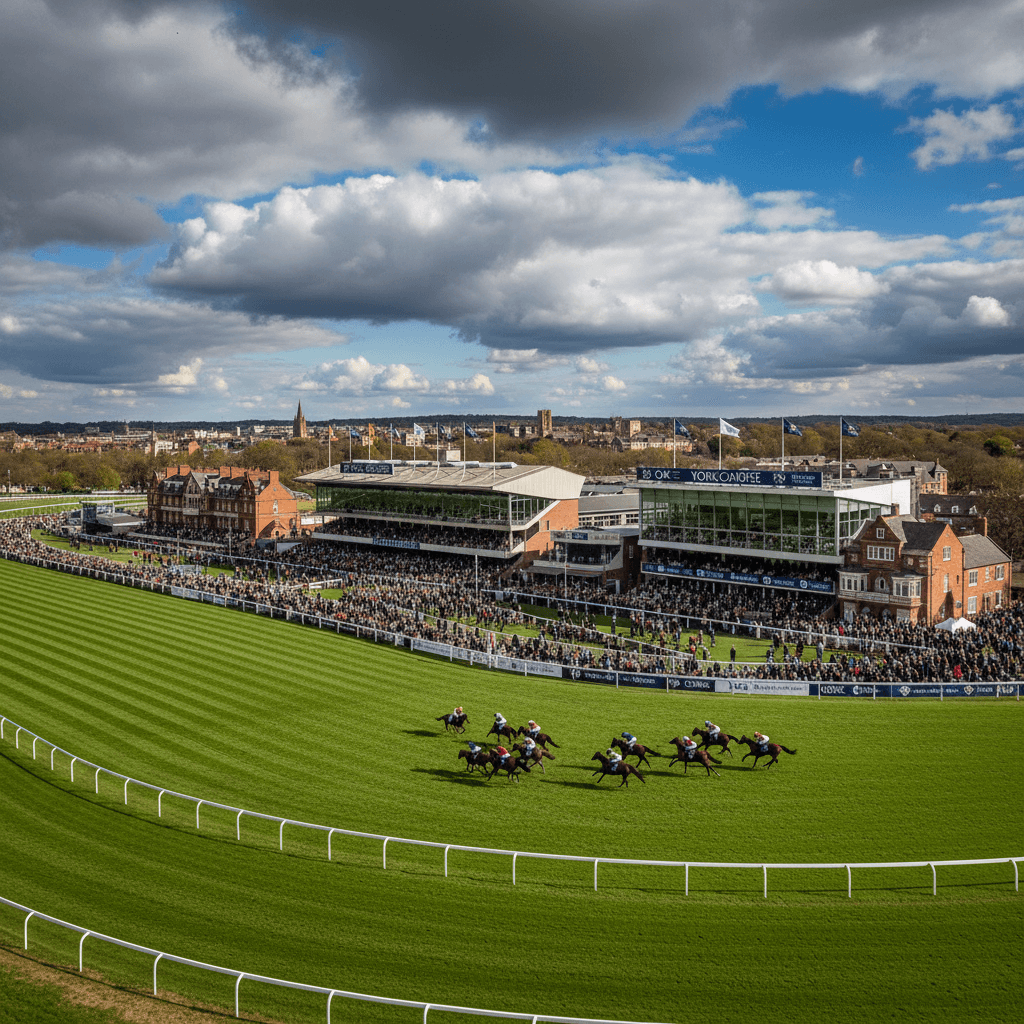
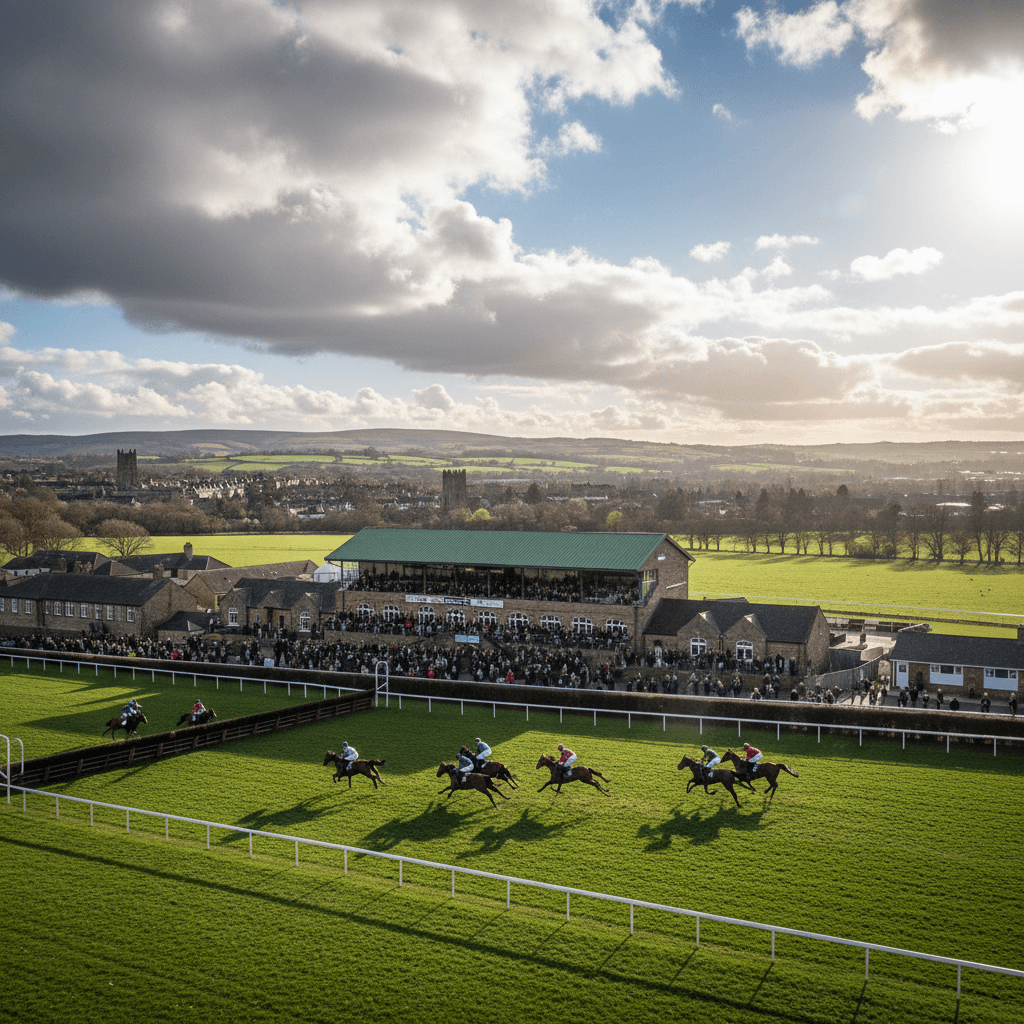
There are few racing venues that capture the imagination quite like Bath. Perched 700 feet above the Georgian splendour of Somerset's most elegant city, this hilltop amphitheatre has been staging equine drama since 1772. The panoramic views across the rolling countryside would be reason enough to visit, but it's the racing itself that truly sets Bath apart from the summer circuit.
The track's elevation brings more than just scenic beauty. Weather patterns shift quickly at this altitude, and the exposed nature of the course means conditions can change dramatically within hours. The wind, in particular, plays a significant role—not just in going conditions, but in how races unfold. A strong headwind up that final climb can turn a sprint finish into a stamina test, while a following breeze down the back straight can see early leaders maintain their advantage longer than the bare form might suggest.
A Week of Disruption
This week presents an unusual scenario for Bath devotees. Both Tuesday's afternoon card and Wednesday's evening fixture have fallen victim to localised track damage, with the BHA Inspector supporting the decision to abandon both meetings more than 72 hours in advance. Such decisive action speaks to the severity of the issues facing the course.
The irony is palpable—Tuesday's fixture has been transferred to Yarmouth, while Wednesday's card moves to Bath itself, suggesting a complex logistical dance to accommodate the racing programme. For those who had marked these dates in their diaries, particularly Wednesday's evening meeting which would have showcased Bath at its atmospheric best under the Somerset sky, the disappointment runs deep.
These abandonments offer a moment to reflect on what makes Bath racing so distinctive when it does take place. The course's unique characteristics demand specific tactical approaches, and understanding these nuances separates the astute punter from the casual observer.
Reading the Gradient
Bath's undulating topography creates one of flat racing's most distinctive challenges. The course falls away sharply from the stands before beginning its relentless climb to the winning post. This gradient profile fundamentally alters how races are run, particularly over the longer distances.
The five-furlong contests here are genuinely unique in British racing. Starting near the top of the hill, runners hurtle downhill at breakneck speed before hitting that uphill finish. Early pace becomes crucial—not because it sets up the race in the traditional sense, but because momentum gained on the descent can carry horses through the final climb. Front-runners often hold on longer than expected, while hold-up horses need genuine acceleration to make up ground against the gradient.
Over middle distances, the tactical puzzle becomes even more complex. The downhill section encourages strong early gallops, but horses that race too keenly can find themselves empty when the real test begins. The climb from the five-furlong marker to the line is where races are truly won and lost, demanding both physical stamina and mental fortitude.
The Draw Dynamics
Bath's draw biases are subtle but significant, varying considerably with distance and going conditions. On the straight five furlongs, high numbers traditionally hold a slight edge, particularly when the ground is on the softer side. The camber of the track naturally takes horses towards the far rail, and those drawn high can often find the best ground.
Around the turn, however, the picture becomes more nuanced. Low draws can steal a march by hugging the rail through the bend, but this advantage must be weighed against the potential for getting trapped behind weakening leaders on the climb. Middle draws often provide the best of both worlds—tactical options without being committed to either extreme.
The Bath Specialist
Certain types of horse thrive on this Somerset hilltop, and identifying these characteristics can prove profitable when the course returns to action. Stamina, rather than pure speed, tends to be the decisive factor. Horses with proven form over undulating tracks—Goodwood's rolling terrain or Brighton's switchback course—often translate their skills effectively to Bath.
Previous course winners deserve enormous respect here. The unique demands of the track create a specific skill set that, once mastered, tends to be retained. Horses that have won at Bath before, even in moderate company, should never be dismissed lightly when returning.
Breeding patterns also offer clues. Progeny of stamina-laden sires, particularly those with proven form over testing ground, often outperform their ratings. The final climb sorts out the genuine stayers from the merely speedy, and pedigree research can highlight horses likely to find that extra gear when it matters most.
Trainer Trends
Local knowledge counts for considerably more at Bath than at many courses. Trainers based in the West Country, who can school their horses over similar terrain, often enjoy significant advantages. Those who regularly target Bath's evening meetings tend to develop an eye for the specific type of horse that handles the track's demands.
The course's evening fixtures also suit trainers who prefer to campaign their horses away from the spotlight of the major tracks. Bath's atmosphere is convivial rather than corporate, and many smaller yards have built their reputations on consistent success at this distinctive venue.
When Racing Returns
The current disruption serves as a reminder of Bath's importance to the summer racing calendar. When the course does return to action, the pent-up demand from both connections and racegoers should ensure bumper fields and competitive betting markets.
For those planning future visits, Bath's evening meetings remain among British racing's most atmospheric occasions. The combination of challenging racing, stunning views, and genuine warmth from the Somerset crowds creates an experience that transcends mere sport. The climb to the winning post may test the horses' stamina, but it's the memory of Bath's unique charm that truly endures.
As we await the course's return, this enforced pause only heightens appreciation for what makes Bath special. In an era of standardised racing experiences, Somerset's hilltop jewel remains gloriously, distinctively itself.