The Cathedral's Summer Metamorphosis
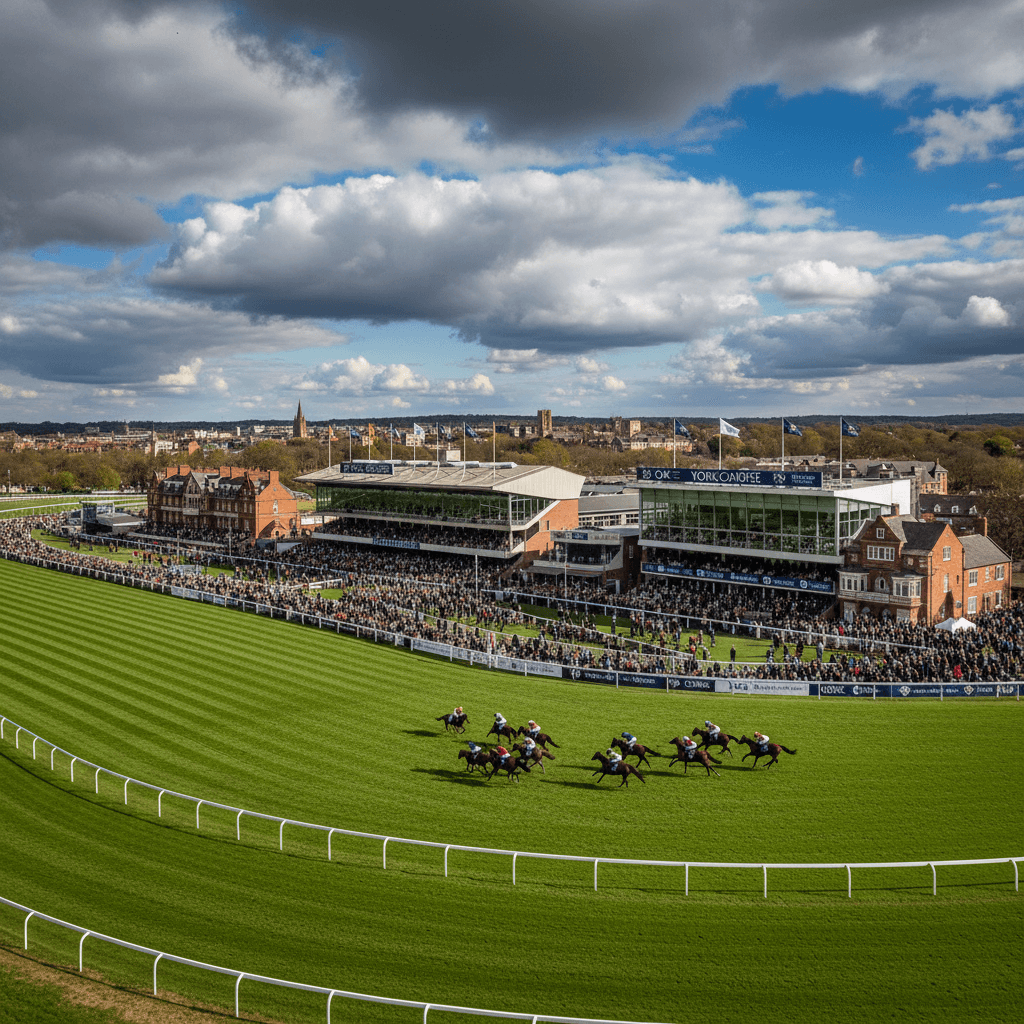
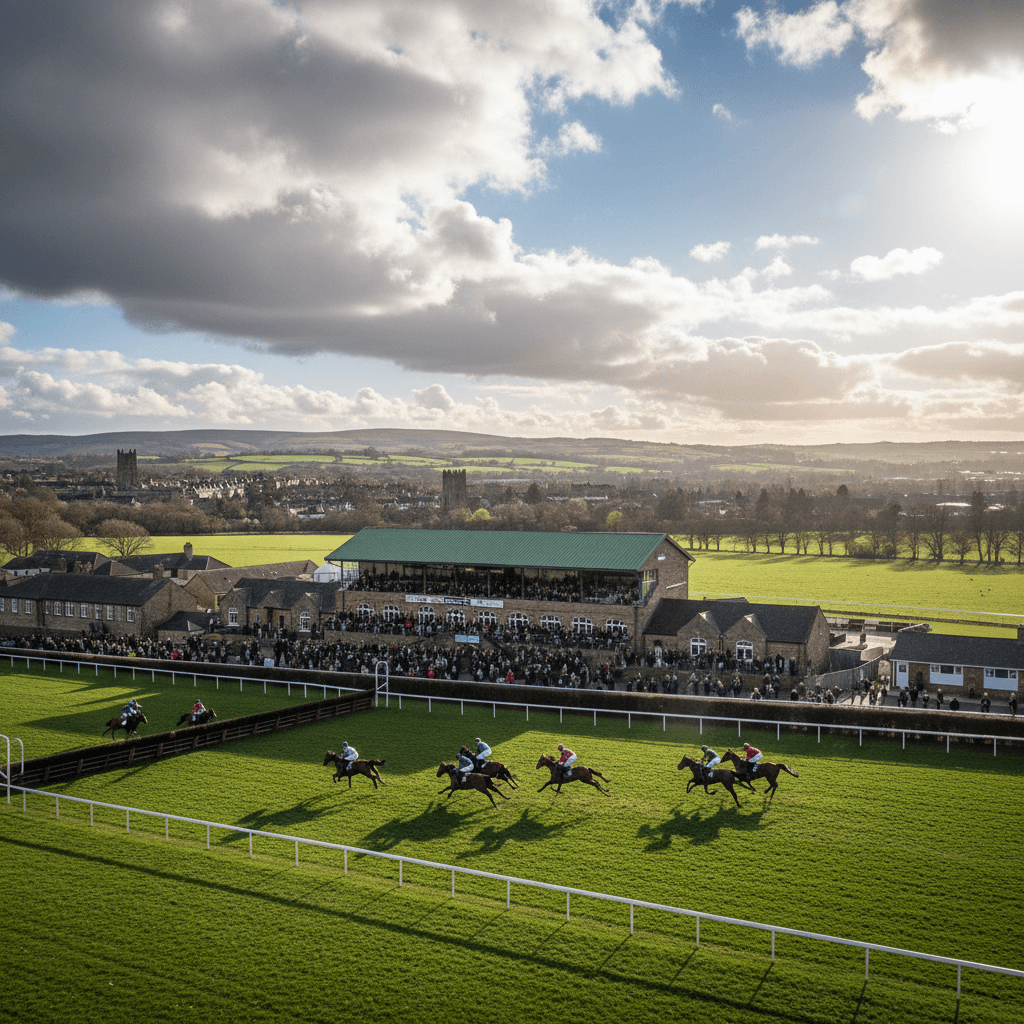
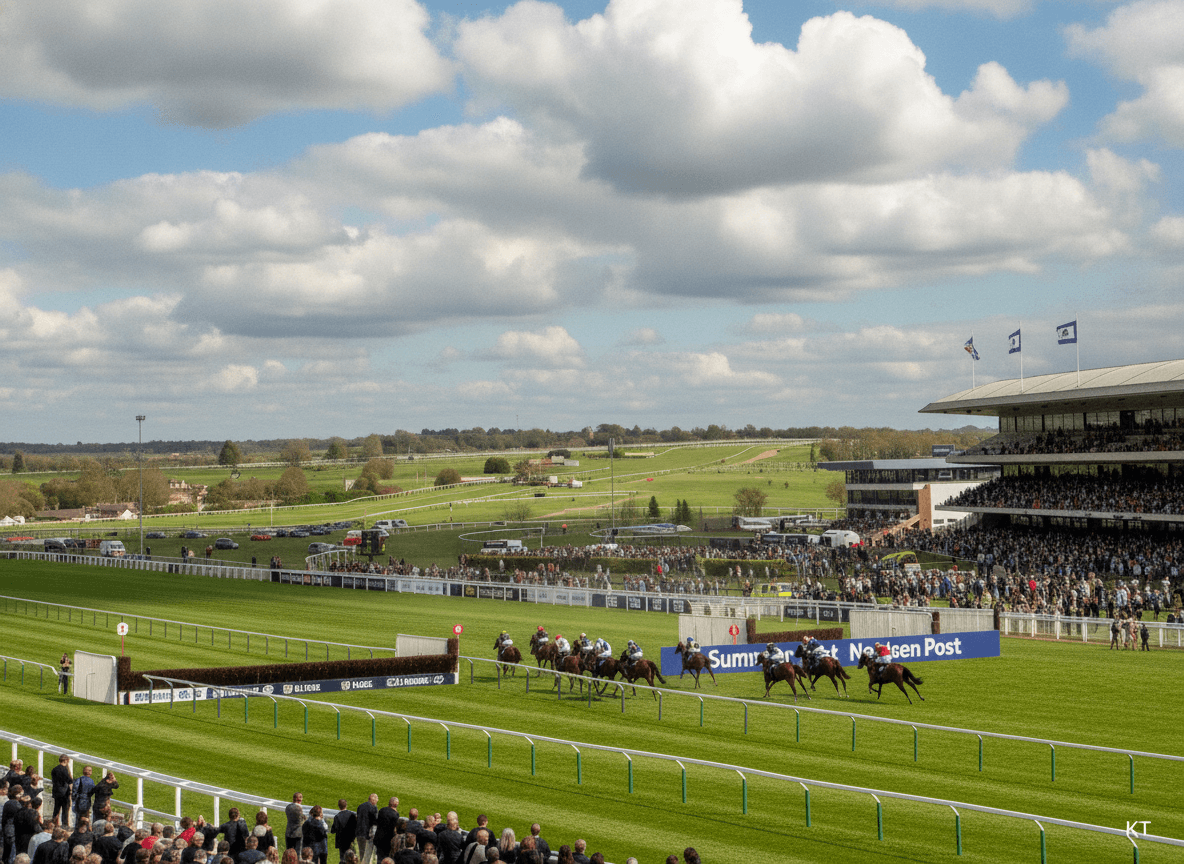
There exists a peculiar magic in witnessing Cheltenham stripped of its obstacles, the famous birch hurdles and towering chase fences relegated to storage while the Prestbury Park amphitheatre prepares for an altogether different kind of theatre. The undulating contours that challenge the finest chasers in March become the stage for a more subtle drama when the Flat season arrives, transforming jump racing's most sacred ground into something unexpectedly compelling.
This weekend's fixtures — Friday, 12 June and Saturday, 13 June — offer seven races each across two afternoon cards, presenting punters with a fascinating study in how topography shapes racing fortunes. The going remains to be declared, but recent weather patterns suggest we might encounter that most revealing of surfaces: good to firm ground that strips away excuses and rewards only the genuinely talented.
Reading the Terrain
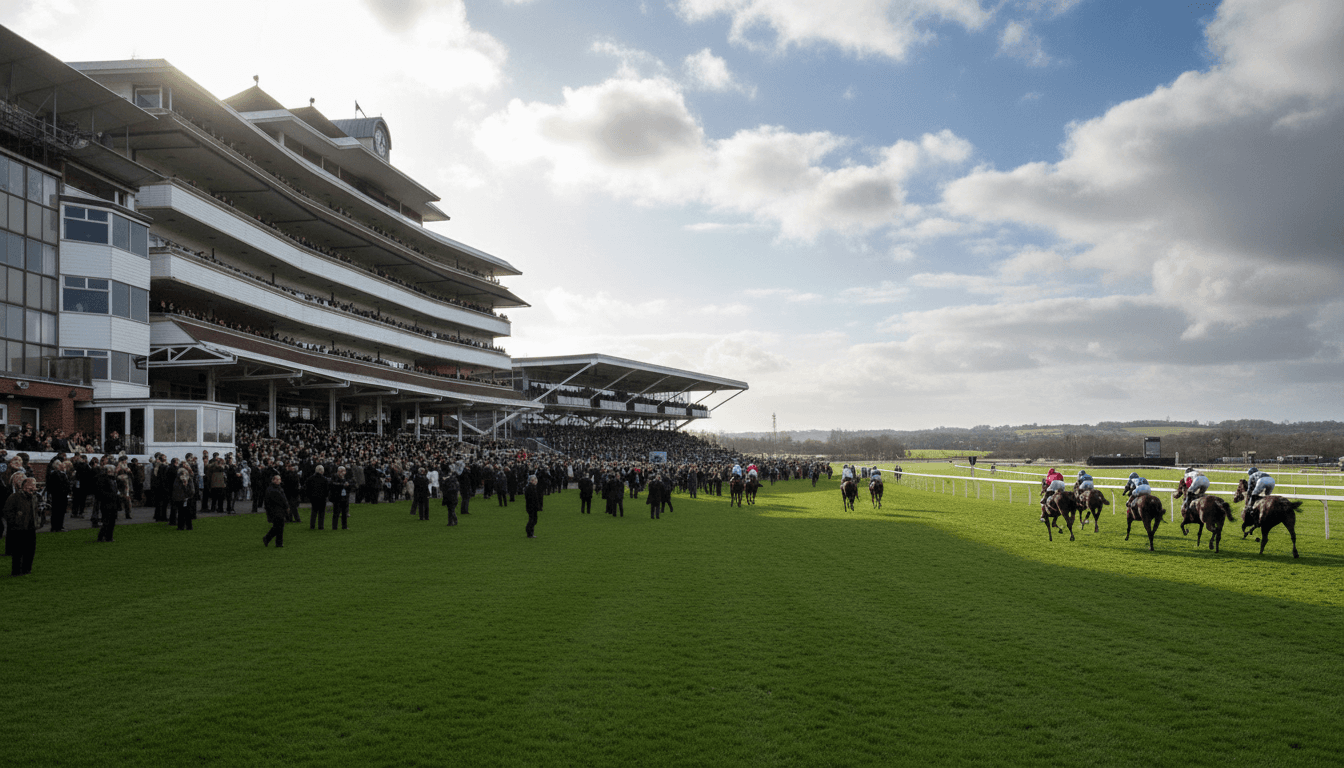
The uninitiated might assume that Cheltenham's Flat configuration simply follows the jumping circuit minus the obstacles, but the reality proves more nuanced. The course retains its left-handed configuration and that famous uphill finish — a relentless climb from the final turn that has broken the hearts of countless Festival hopefuls over the decades. On the Flat, this gradient becomes even more pronounced in its effect, separating the stayers from the speedsters with surgical precision.
The track's undulating nature creates pockets of dead ground that can flatter or expose a horse's stamina reserves. The descent after passing the stands for the first time offers respite, but it's a false economy for those who fail to conserve energy. Smart jockeys understand that Cheltenham's Flat races are won and lost in the final two furlongs, where the gradient steepens and lungs burn.
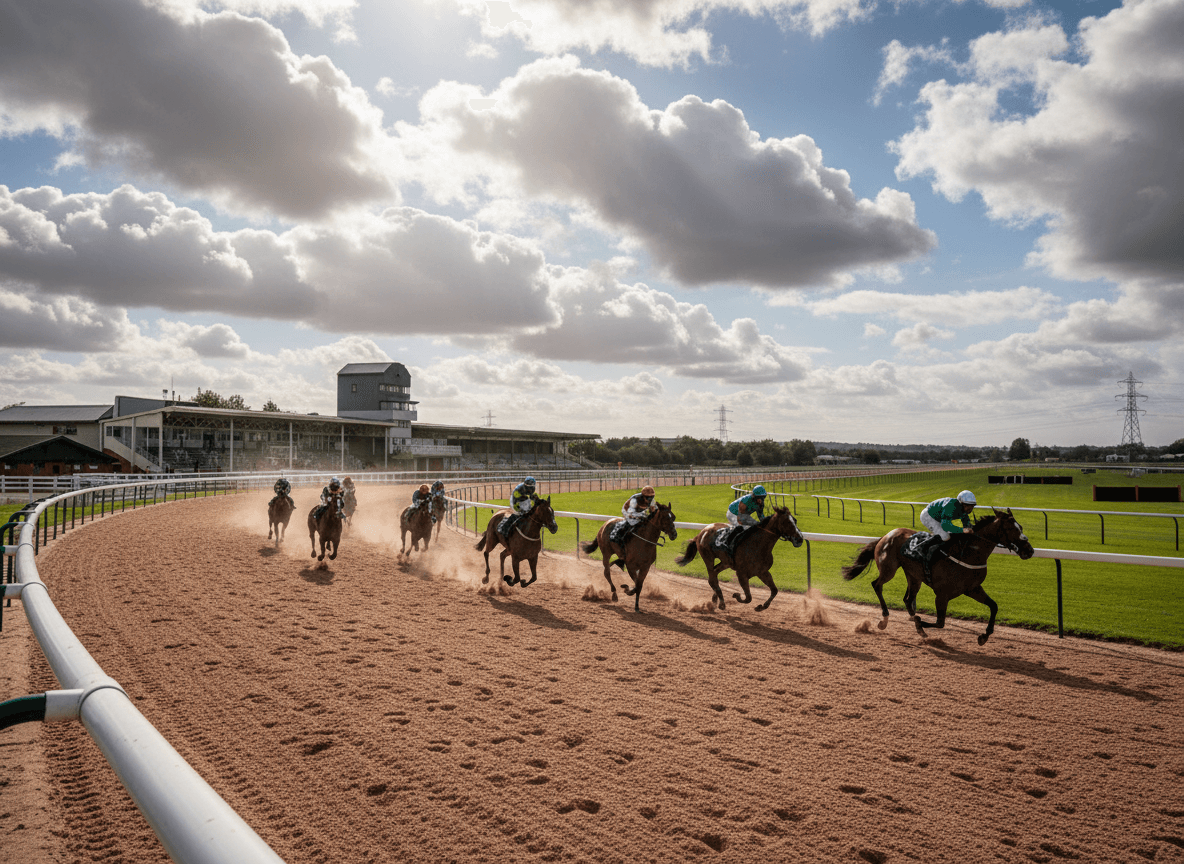
Draw bias here tends to be minimal over the longer distances, though low numbers can enjoy a marginal advantage in sprint contests when the field bunches towards the inside rail. More significant is the pace scenario — front-runners who can dictate terms often find themselves in command approaching that testing climb, provided they possess the stamina to sustain their effort when the gradient bites.
The Cheltenham Flat Horse
Successful Flat performers at Prestbury Park share certain characteristics that become apparent to the careful observer. Stamina, naturally, sits at the premium — but not the grinding, one-paced variety that might succeed at a flatter venue. Instead, Cheltenham rewards horses with that rare combination of sustained speed and the tactical speed to quicken when the gradient would normally slow the pace.
Pedigree students will note that horses by stamina influences — particularly those with middle-distance European bloodlines — often outperform their odds here. The track seems to suit horses who can travel strongly in their races without expending unnecessary energy in the early stages. Those who race keenly or fail to settle rarely prosper when faced with Cheltenham's demanding finale.
Previous course form carries unusual weight here, more so than at many Flat venues. Horses who have shown an aptitude for the unique demands of this track often repeat the trick, while newcomers can find themselves caught out by the severity of that final climb. The data suggests that horses making their Cheltenham debut should ideally have demonstrated stamina at other testing venues — Epsom, York, or the summer circuits at Goodwood and Ascot.
Jockeyship and Tactical Considerations
The art of race-riding at Cheltenham demands a particular sensitivity to pace and positioning. Jockeys who excel here understand that the track's topography creates natural breakpoints in races — moments where the tempo shifts and positions become fluid. The descent past the stands offers opportunities for improvement, but riders must resist the temptation to move too early.
The most successful pilots tend to be those who can judge the exact moment when the field begins to feel the climb's effects. Strike too soon and the gradient will find you out; leave it too late and you'll lack the real estate to make up lost ground. It's a delicate calibration that separates the course specialists from the merely competent.
Practical Wisdom for the Weekend
For those venturing to Prestbury Park this weekend, several considerations merit attention. The afternoon timing of both cards should provide optimal ground conditions, assuming the weather holds. Morning rain can transform the going dramatically, and Cheltenham's drainage, while improved in recent years, can still create pockets of softer ground that favour different types of performer.
From a punting perspective, value often emerges in backing horses who have shown their effectiveness at similar stamina-testing venues, even if their recent form appears modest. The track has a habit of finding out the pretenders while rewarding honest stayers who might have been overlooked by the market. Conversely, course newcomers with purely speed-based profiles should be approached with caution, regardless of their recent exploits on flatter tracks.
The betting ring at Cheltenham retains its Festival atmosphere even during these quieter summer meetings, and early prices can often be found for those willing to commit before the final declarations. The local knowledge of Gloucestershire trainers shouldn't be underestimated — several yards in the area have developed a particular expertise in placing horses to advantage at their local track.
The Enduring Appeal
Perhaps what makes Cheltenham's Flat racing so compelling is precisely this sense of the unexpected — watching speed horses discover stamina they didn't know they possessed, or seeing a modest handicapper transformed by the unique demands of this most testing circuit. The track strips away pretence with the same ruthless efficiency whether horses are jumping or running on the level.
As the weekend approaches, there's anticipation in knowing that we'll witness racing at its most honest. Cheltenham's summer incarnation may lack the roar of Festival crowds, but it offers something equally valuable: the pure examination of equine ability against one of racing's most demanding backdrops. In a sport increasingly dominated by speed and commercial considerations, these meetings remind us that stamina, courage, and tactical acumen remain the fundamental currencies of success.