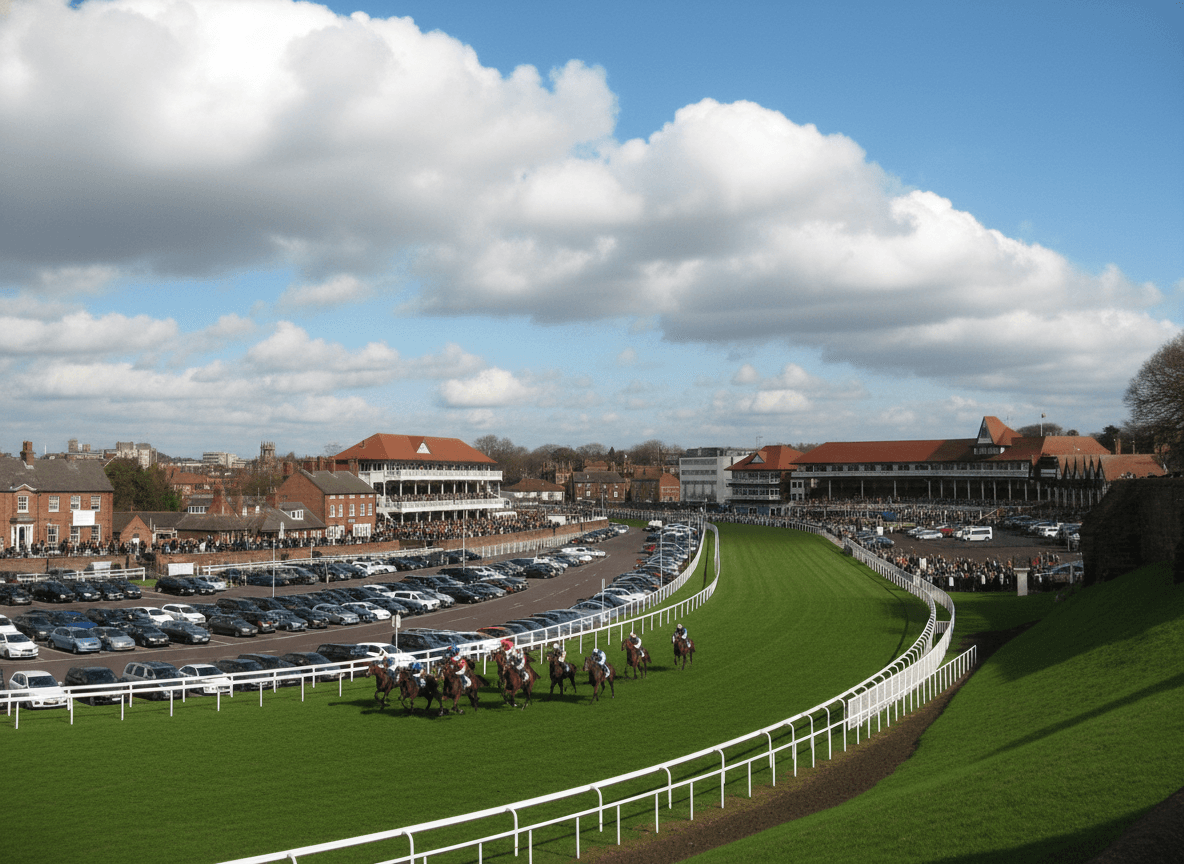
The Enduring Charm of the Roodee
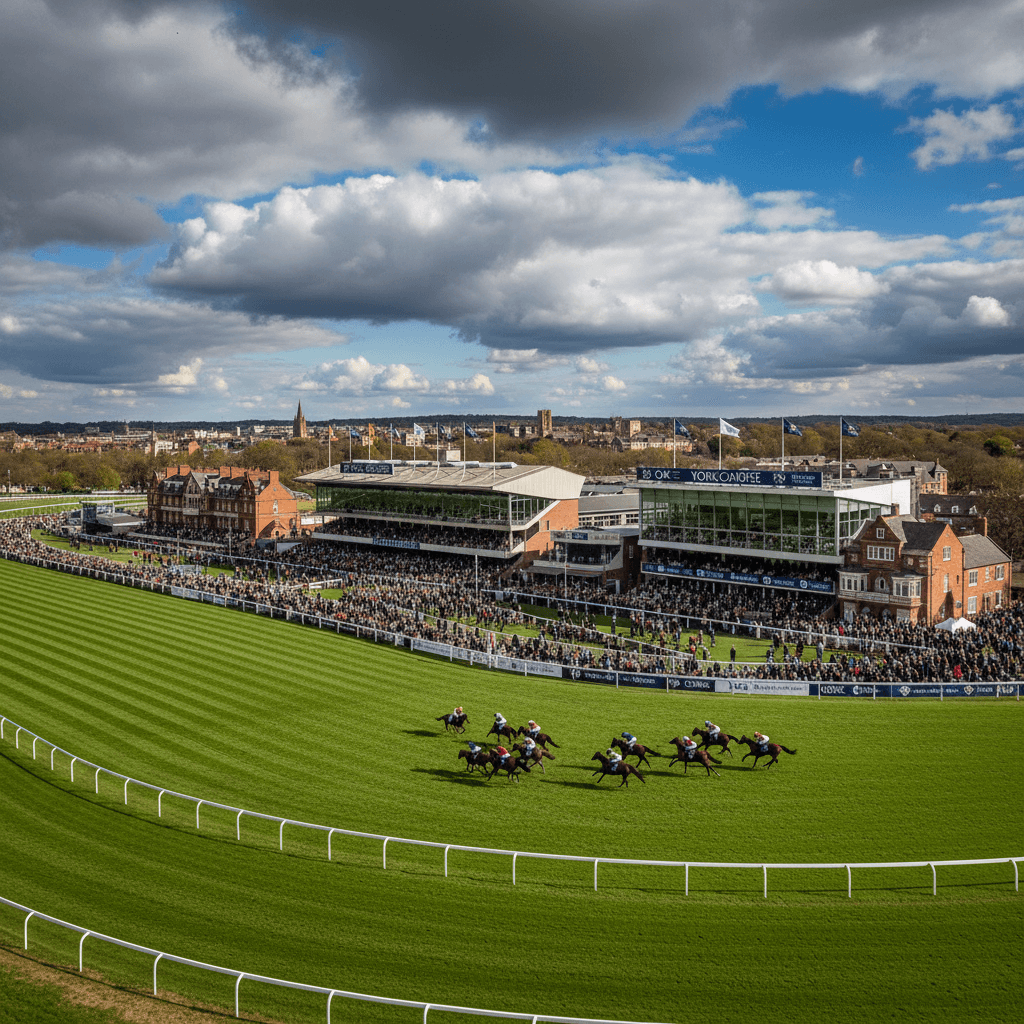
There exists no racecourse quite like Chester, where nearly five centuries of racing history unfolds within the ancient Roman walls of this Cheshire city. The Roodee stands as a testament to racing's enduring appeal, its compact oval having witnessed everything from medieval pageantry to modern tactical masterpieces. This weekend's twin-bill of evening and afternoon cards reminds us why this unique venue continues to captivate both the casual observer and the serious student of form.
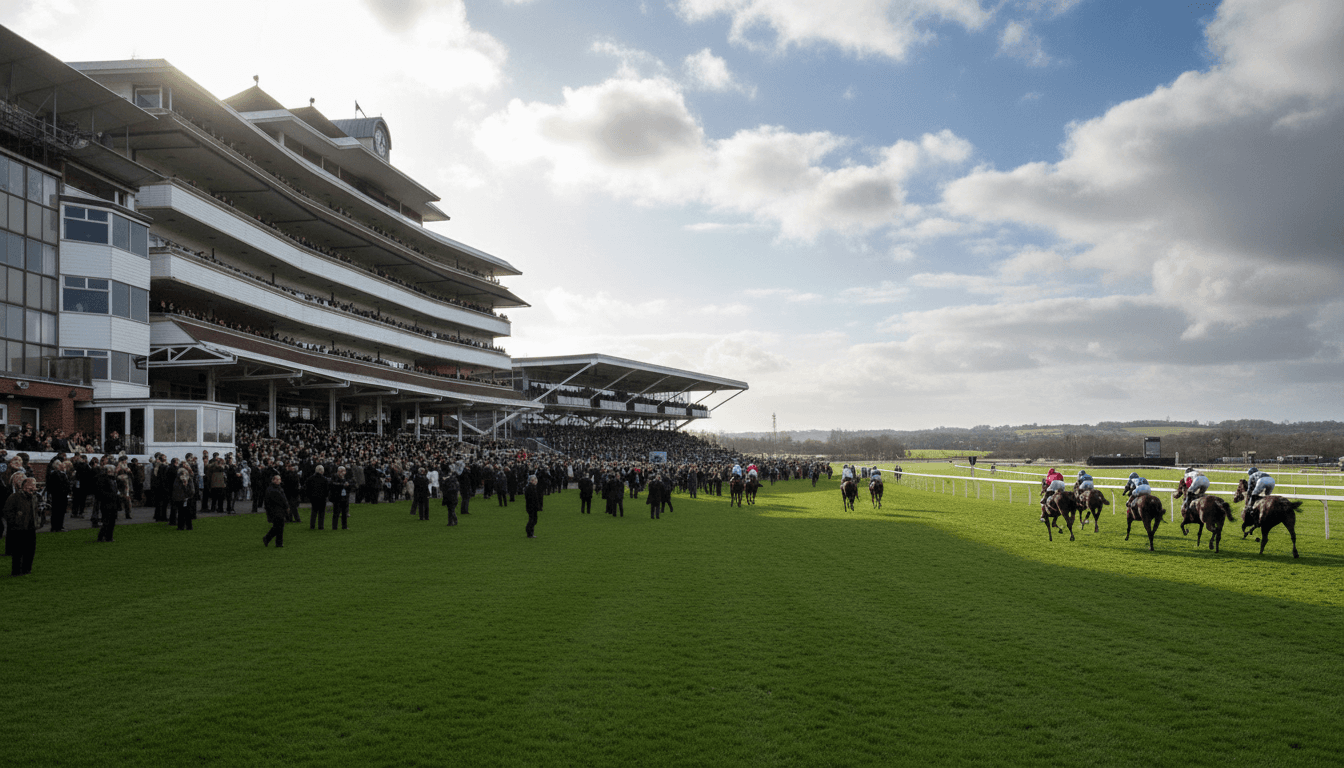
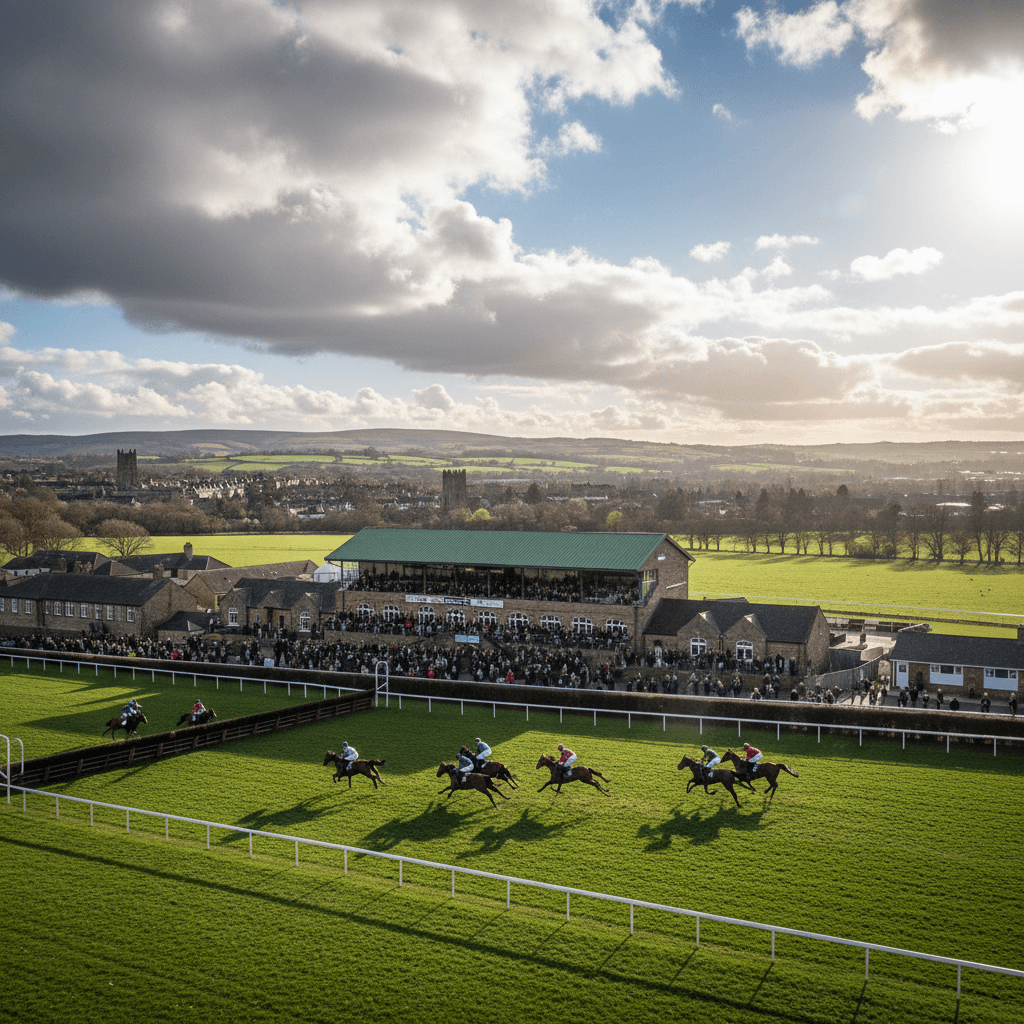
The atmosphere here transcends mere sport. Where else can one witness a cavalry charge of thoroughbreds while cathedral spires provide the backdrop? The urban setting creates an intimacy rarely found elsewhere, with the crowd pressed close to the action, their collective intake of breath audible as the field swings into the home straight. It is racing distilled to its essence—speed, tactics, and the eternal dance between horse and jockey navigating one of Britain's most demanding circuits.
Weekend Preview: Summer Racing in Full Flow
This weekend's programme offers an intriguing contrast in presentation. Friday evening's seven-race card promises the unique ambience of Chester under lights, where shadows lengthen across the ancient turf and the city's illuminated walls frame each contest. The going, described as Good to Firm with Good patches, suggests ideal conditions for those blessed with early pace.
Saturday's afternoon fixture continues the theme, with similar ground conditions likely to favour those drawn low and ridden with tactical nous. Seven races provide ample opportunity to observe the subtle variations in how different types respond to Chester's singular demands. The consistency of the going across both days eliminates one variable, allowing the track's inherent characteristics to shine through with particular clarity.
Decoding Chester's Tactical Labyrinth
Chester's reputation as a specialist track stems from geometry as much as tradition. At barely more than a mile in circumference, the circuit places a premium on positioning that would make a chess grandmaster pause for thought. The turns arrive with startling frequency, each one a potential pivot point where races can be won or lost in a stride.
The draw bias here operates with mathematical precision. Low numbers—particularly stalls one through four—provide a crucial advantage that compounds with each furlong. The reason lies in Chester's unforgiving nature: once a horse loses position on the inner rail, the tight bends make recovery extraordinarily difficult. It's not merely about being on the rail; it's about maintaining that position through a series of sharp turns that would challenge a Formula One driver.
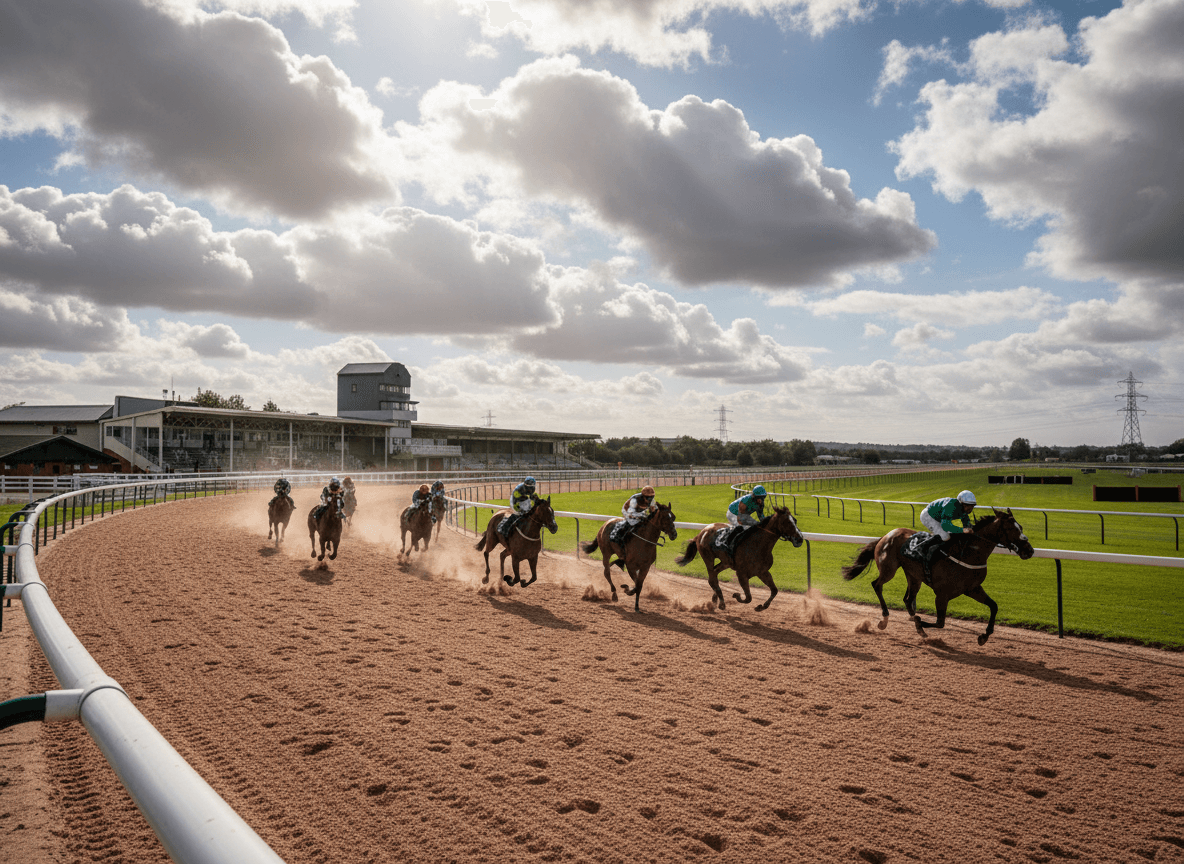
Pace dynamics assume particular importance. Front-runners drawn low can dictate terms with authority, while hold-up horses face the dual challenge of finding racing room and making up ground on a track that offers precious few opportunities for late flourishes. The short home straight—a mere furlong and a half—provides little time for redemption if positioning goes awry earlier in the contest.
The Art of Reading Chester Form
Previous Chester form carries unusual weight here, more so than at most tracks. Horses that have shown an aptitude for the Roodee's demands often return to the scene of former triumphs with confidence intact. Look particularly for those that have shown the ability to travel sweetly in the early stages while maintaining the acceleration to capitalise when the moment arrives.
Conversely, horses making their Chester debut require careful evaluation. Impressive form elsewhere may count for little if the newcomer lacks the tactical speed to secure an early position or the balance to maintain momentum through the turns. The track's character can humble even the most talented performer unprepared for its unique demands.
The Chester Type: Speed, Balance, and Intelligence
Successful Chester performers share certain characteristics that transcend mere ability. Early pace ranks paramount—not necessarily blinding speed, but the capacity to be quickly into stride and positioned advantageously before the first bend arrives. This quality often proves more valuable than a devastating turn of foot that may never get the chance to be deployed.
Balance represents another crucial attribute. The constant turning places unusual demands on a horse's proprioception and muscular coordination. Those bred for stamina over longer, galloping tracks may find Chester's requirements alien to their natural inclinations. Conversely, horses with a touch of sprint breeding often relish the opportunity to use their natural quickness.
Mental attributes matter enormously. Chester can be a claustrophobic experience, with horses tightly bunched throughout much of the contest. Those prone to hanging, pulling, or becoming unbalanced in close quarters will find their limitations exposed. The most successful Chester performers display an almost feline ability to weave through traffic while maintaining their momentum and composure.
Jockeyship at a Premium
Perhaps nowhere else does the quality of the rider assume such significance. Chester rewards those jockeys who understand that the race often unfolds in the first two furlongs, when positions are established and tactical die cast. The ability to steal a length or two at the start, to anticipate the movement of others, and to maintain the optimal racing line through each turn separates the accomplished Chester pilot from the merely competent.
Practical Wisdom for the Weekend Warrior
For those venturing to the Roodee this weekend, certain principles should guide both attendance and investment. Arrive early to secure optimal viewing positions—the compact nature of the track means every vantage point offers drama, but some provide superior perspective on the crucial early positioning.
When studying the form, weight recent Chester performances heavily, regardless of the class of contest. A horse that ran respectably here last month may hold more appeal than one coming off a victory at a conventional track. Pay particular attention to how horses were positioned early in their previous Chester runs—those that raced prominently often return with enhanced confidence.
From a betting perspective, resist the temptation to oppose short-priced favourites solely on the grounds of value. If a horse possesses the right combination of draw, form, and tactical speed, Chester's characteristics may actually enhance rather than diminish their chances. Conversely, be wary of backing outsiders simply because they possess class—without the tactical tools to compete at Chester, class alone rarely suffices.
A Weekend to Savour
This weekend's Chester programme offers racing enthusiasts the opportunity to witness tactical warfare at its finest. Each contest will serve as a reminder of why this ancient venue continues to challenge and enchant in equal measure. Whether you're drawn by the historical resonance, the unique atmosphere, or simply the pure sporting theatre, the Roodee promises to deliver its distinctive brand of excitement.
In an era when much of racing can feel predictable, Chester remains gloriously, stubbornly different. It asks questions of horse, jockey, and punter alike, rewarding those who understand its language while humbling those who underestimate its complexity. This weekend, as the shadows fall across the Roodee and another chapter in its remarkable story unfolds, we're reminded why some places transcend mere venues to become institutions.