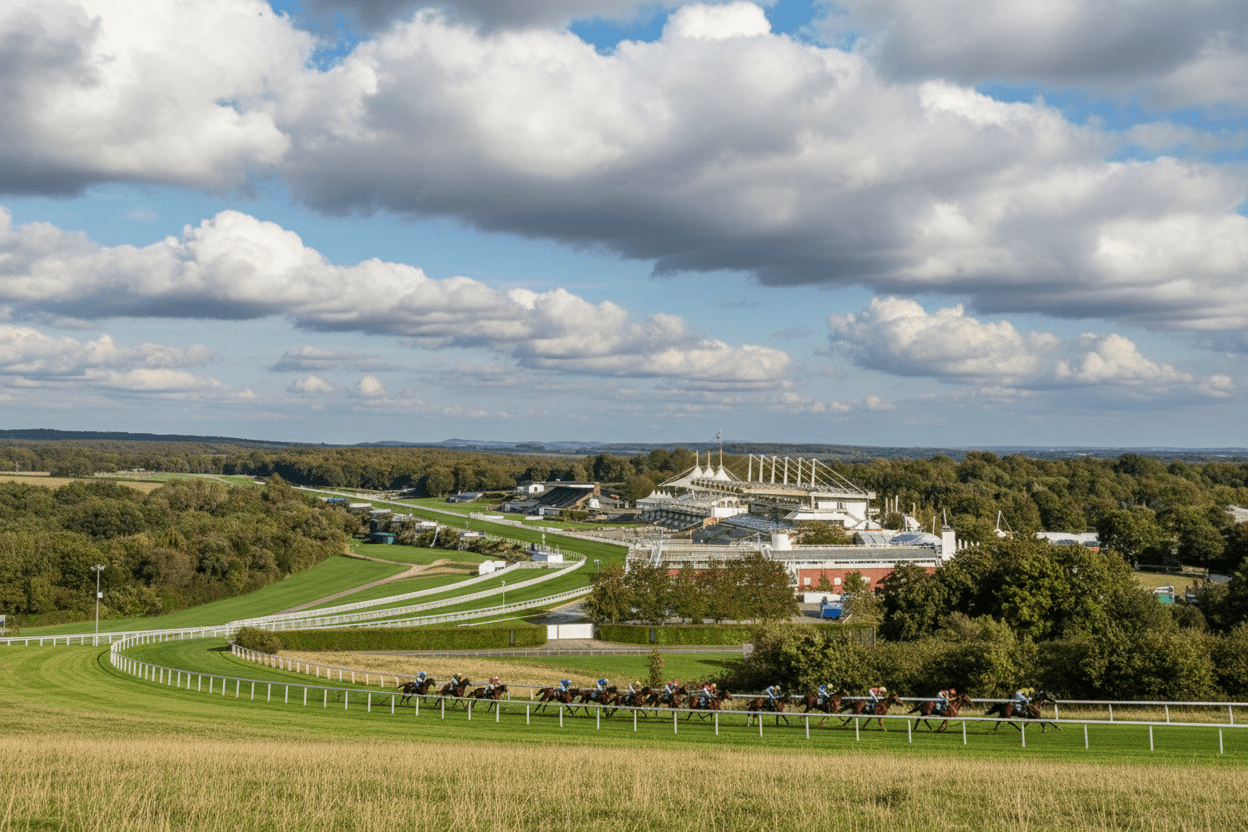
A Course That Deserves More Than a Footnote
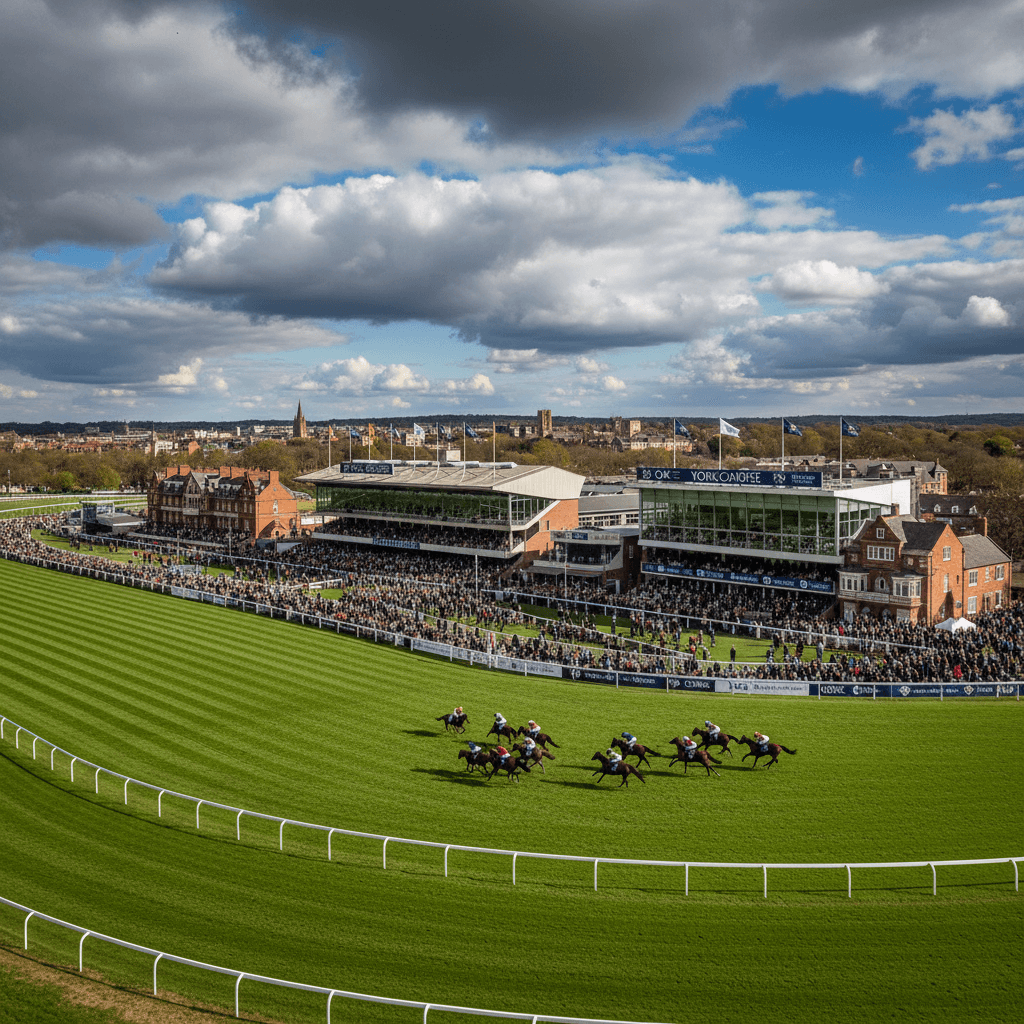
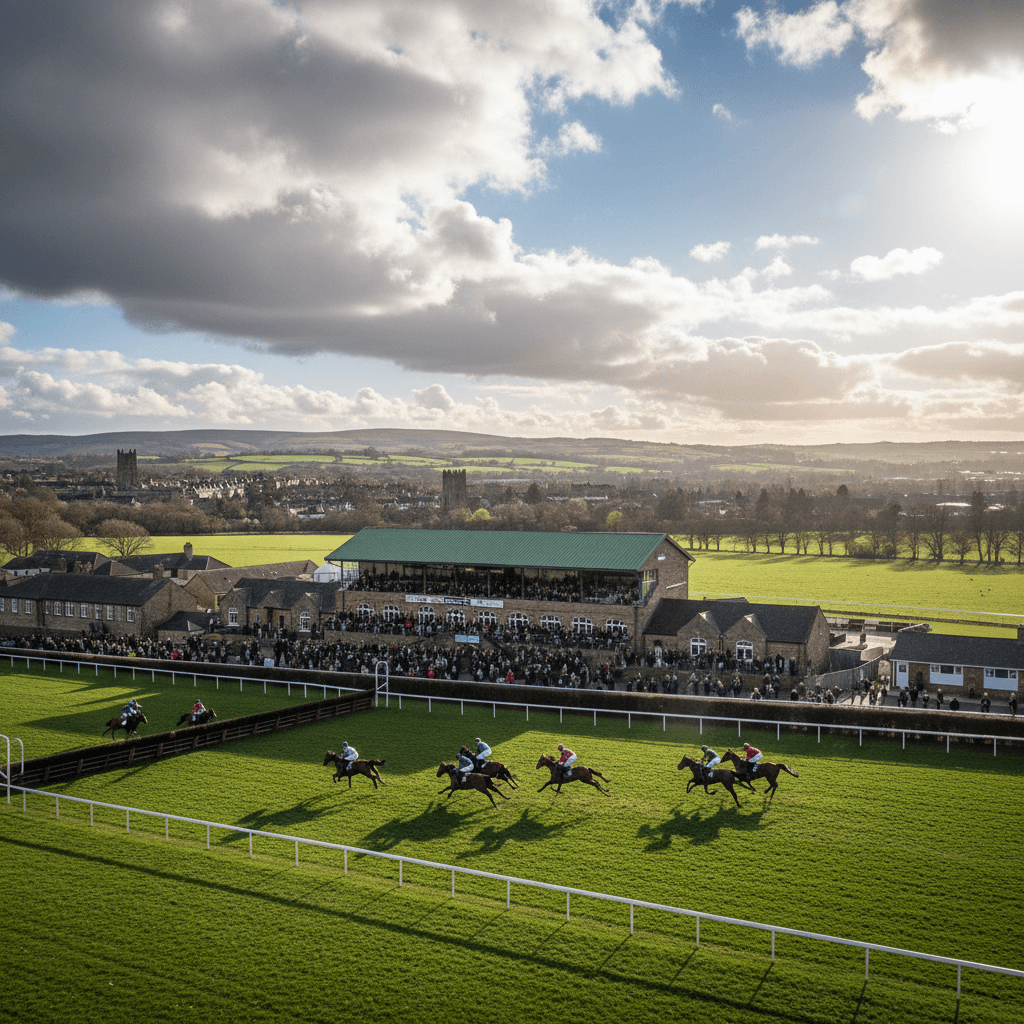
There are racecourses, and then there is Goodwood. Perched high on the South Downs above Chichester, with the English Channel glinting on the horizon on a clear day and the downland air carrying the particular stillness that only open chalk country seems to produce, this is a place that does something to you the first time you see it. The 3rd Duke of Richmond began it all back in 1802, laying out a track on his estate that would eventually become one of the most distinctive and demanding circuits in British racing. More than two centuries later, the essential character of the place remains gloriously, stubbornly intact.
Goodwood does not flatter mediocrity. The undulating right-handed track, with its changes of gradient, its cambers, and that extraordinary five-furlong downhill sprint course, asks genuine questions of every horse that runs here. A flat-track galloper who does his best work on a level, conventional circuit can find Goodwood a bewildering experience. But a horse with balance, athleticism, and a touch of class? Here, they can look like something quite special.
This week was supposed to give us two fixtures to look forward to — a Friday afternoon card and a Saturday evening meeting. The South Downs had other ideas.
This Week's Fixtures: The Abandonment Notice
It is, unfortunately, a week to file under 'ones that got away.' Both of Goodwood's scheduled July fixtures have been called off, with the BHA Inspector's support confirming the decisions well within the 72-hour window.
- Friday, 17 July 2026 — Afternoon card, 7 races: Goodwood Friday racecard — Abandoned
- Saturday, 18 July 2026 — Evening card, 6 races: Goodwood Saturday racecard — Abandoned
Abandonment decisions made with BHA Inspector support and confirmed beyond the 72-hour threshold carry a particular finality. There is no late reprieve here, no anxious morning inspection with fingers crossed. The cards are off, the runners will be redirected elsewhere, and the Sussex Downs will wait.
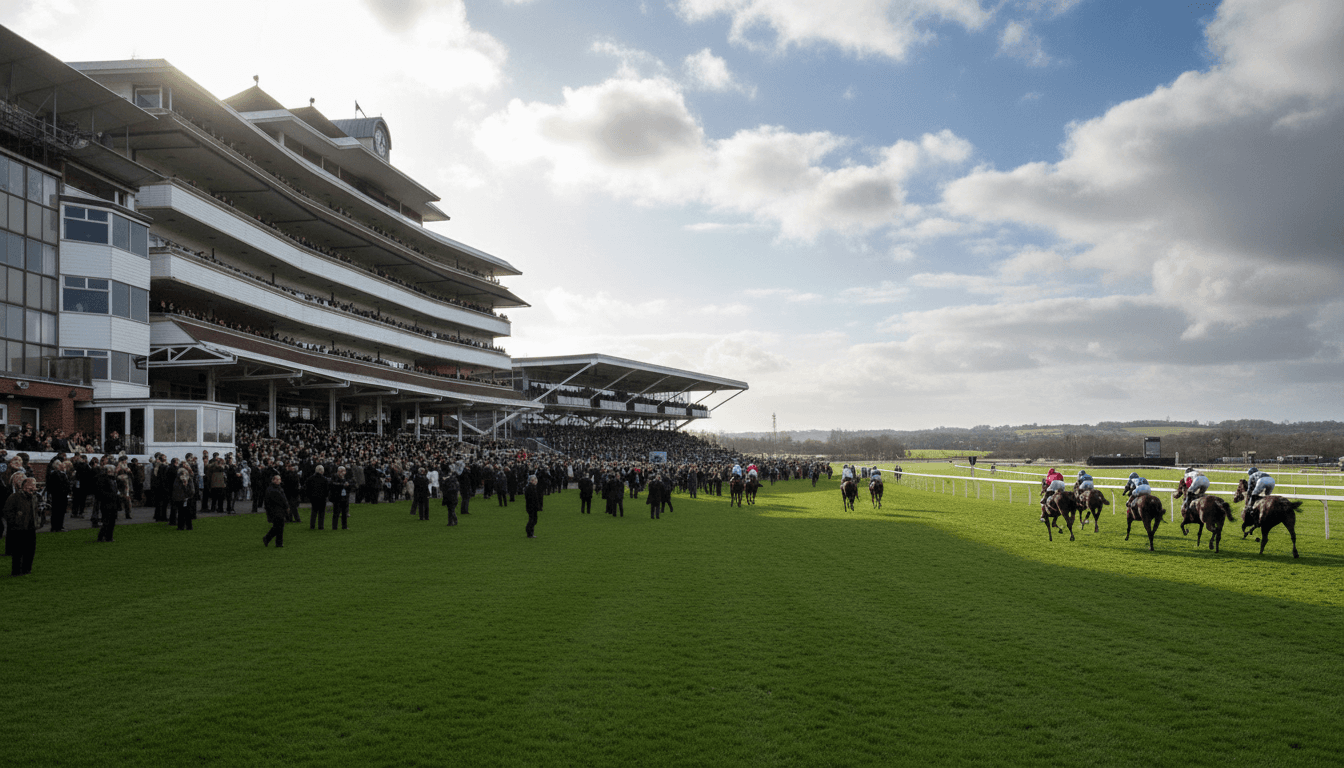
It is always a disappointment when Goodwood loses racing, not least because the course's summer fixtures tend to attract genuinely competitive fields. The evening format in particular — that Saturday card under the long July light — has an atmosphere all of its own, the shadows lengthening across the Downs as the later races go to post. When it works, there are few better places to spend a summer evening in British sport.
What Makes Goodwood So Demanding — and So Rewarding
With no racing to dissect this week, it is worth spending a moment on the characteristics that make Goodwood such a fascinating study for the serious punter. Understanding the track is, in many ways, half the battle.
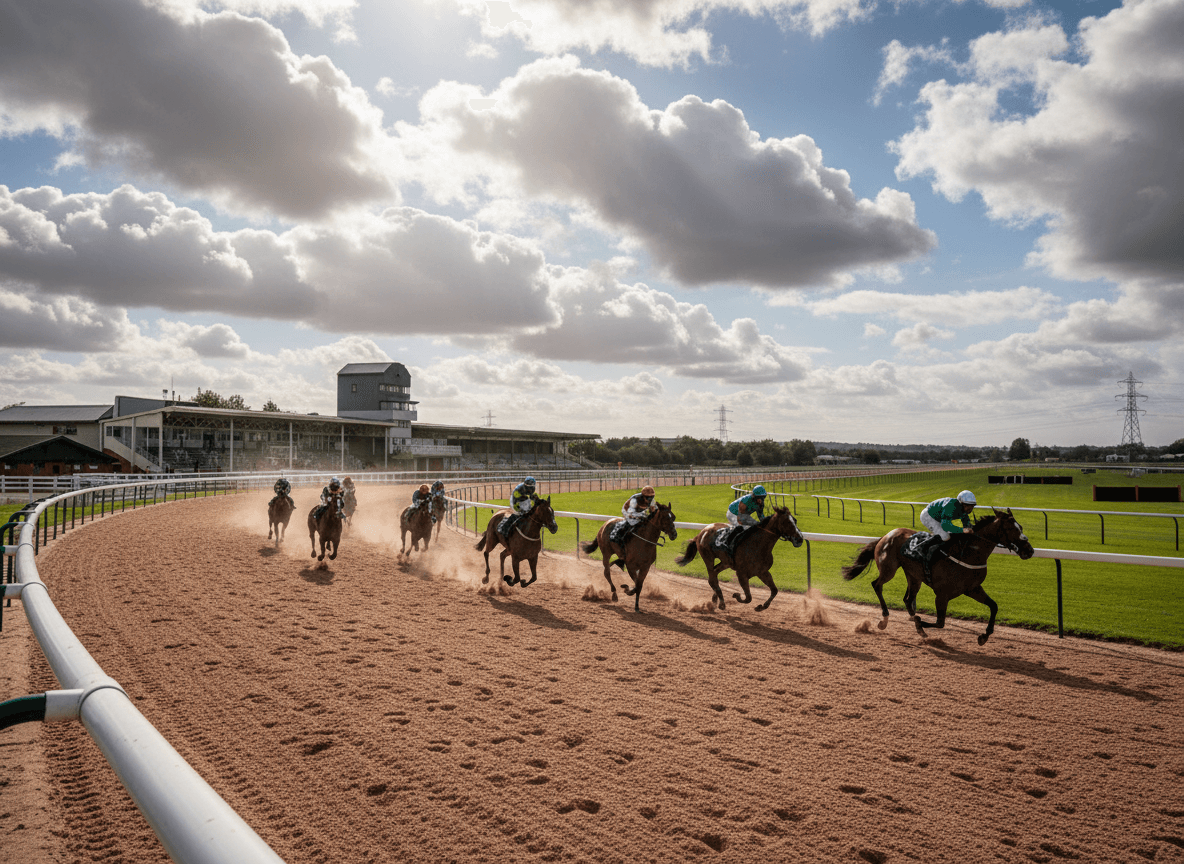
The most immediately striking feature is the five-furlong sprint course, which runs almost entirely downhill. Horses must handle a significant drop in elevation while maintaining straightness and balance at speed — a combination that eliminates a surprising number of sprinters who struggle with the camber or simply cannot coordinate themselves on the descent. Horses that have won here over five furlongs tend to be compact, well-balanced types rather than the long-striding galloper who needs flat ground to find his rhythm.
For races run over seven furlongs and a mile, the draw becomes a meaningful factor. On good to firm ground — the typical summer surface here — runners drawn low have historically held an advantage in larger fields, particularly over seven furlongs where the early bend can compress the field and force wide-drawn horses to use energy they cannot afford to spend. In smaller fields, the effect is less pronounced, but it is never entirely absent.
Pace scenarios at Goodwood reward horses who can travel comfortably through a race rather than those who need to be delivered from the back. The undulations mean that a horse who is laboured in his movement, or who needs a perfectly flat surface to show his best, will find the track unforgiving. Conversely, a horse with a good, economical action — the kind that covers the ground without fuss — tends to handle the contours well and often improves on his form elsewhere.
The Bloodlines Worth Noting
Certain sire lines recur in Goodwood's winners' enclosure with enough regularity to be worth tracking. Progeny of stallions who were themselves nimble, well-balanced performers — rather than pure powerhouses — tend to thrive. Look for horses by sires with a strong record on undulating or right-handed tracks, and pay particular attention to any runner whose dam's side carries stamina for the longer distances; the track's demands mean that a horse who stays well within his trip is always preferable to one running at the very limit of his range.
Practical Tips for When Racing Returns
The abandonment this week means attention will now turn to Goodwood's next fixture. When it comes, keep the following in mind:
- Check the going carefully. Goodwood's downland turf drains well but can firm up quickly in dry weather. The difference between good and good to firm here is meaningful — the track becomes faster and more unforgiving on top, which tends to favour horses with clean, efficient actions over big, heavy-striding types.
- Respect the draw in sprint and mile races. In fields of ten or more, low draws over five and seven furlongs deserve a premium. Do not blindly oppose a well-drawn favourite on the grounds of price alone.
- Watch the market for course specialists. Goodwood has a habit of producing horses who simply love the place and return to win repeatedly. A horse with a strong course record here is worth more than his form at other tracks might suggest.
- For those attending in person, arrive early. The car parks fill quickly on summer fixtures, and the walk to the course from the lower enclosures is longer than it looks on the map. The views from the top of the stands are worth every step, but you will want time to settle before the first race goes to post.
- Evening fixtures carry their own pace dynamic — horses can be fresher later in the season, and the cooler air as the evening draws in sometimes produces unexpectedly strong finishes. Do not write off a horse simply because he has been running in afternoon cards.
Looking Ahead
The loss of two fixtures in a single week is a reminder of how precarious the British summer racing calendar can be, even at a venue as cherished as Goodwood. The course's management and the BHA's inspection process exist precisely to protect the welfare of horses and the integrity of the sport, and a decision made with that clarity of purpose is always the right one, however frustrating it feels from the outside.
Goodwood will return. It always does. And when it does — whether under the blazing July sun of the Qatar Goodwood Festival, or on a quieter midweek card when the crowds are thinner and the racing sharper — it will ask the same questions of horses and punters alike that it has been asking since the Duke of Richmond first laid out his track on the Sussex Downs more than two centuries ago.
Keep an eye on the Goodwood course page for updates on rescheduled fixtures and the latest going reports. The Downs are patient. So, with any luck, are we.