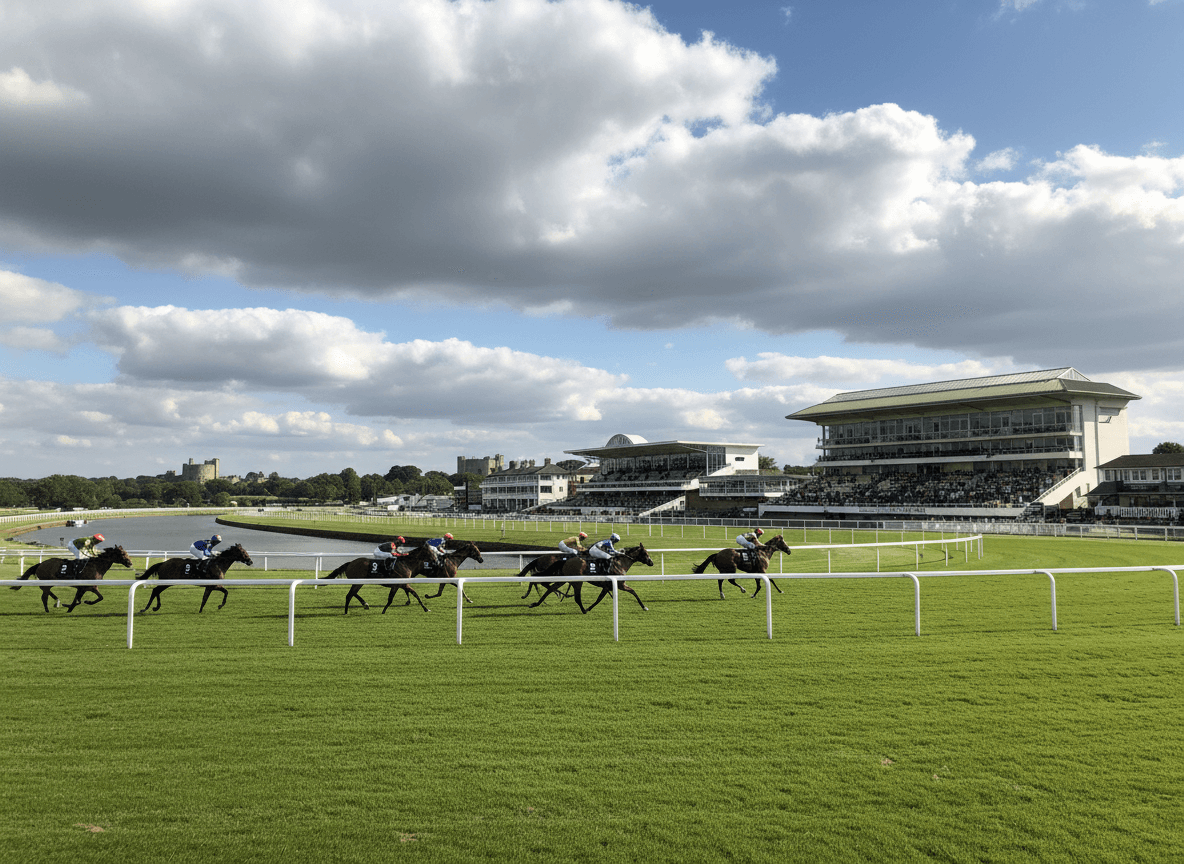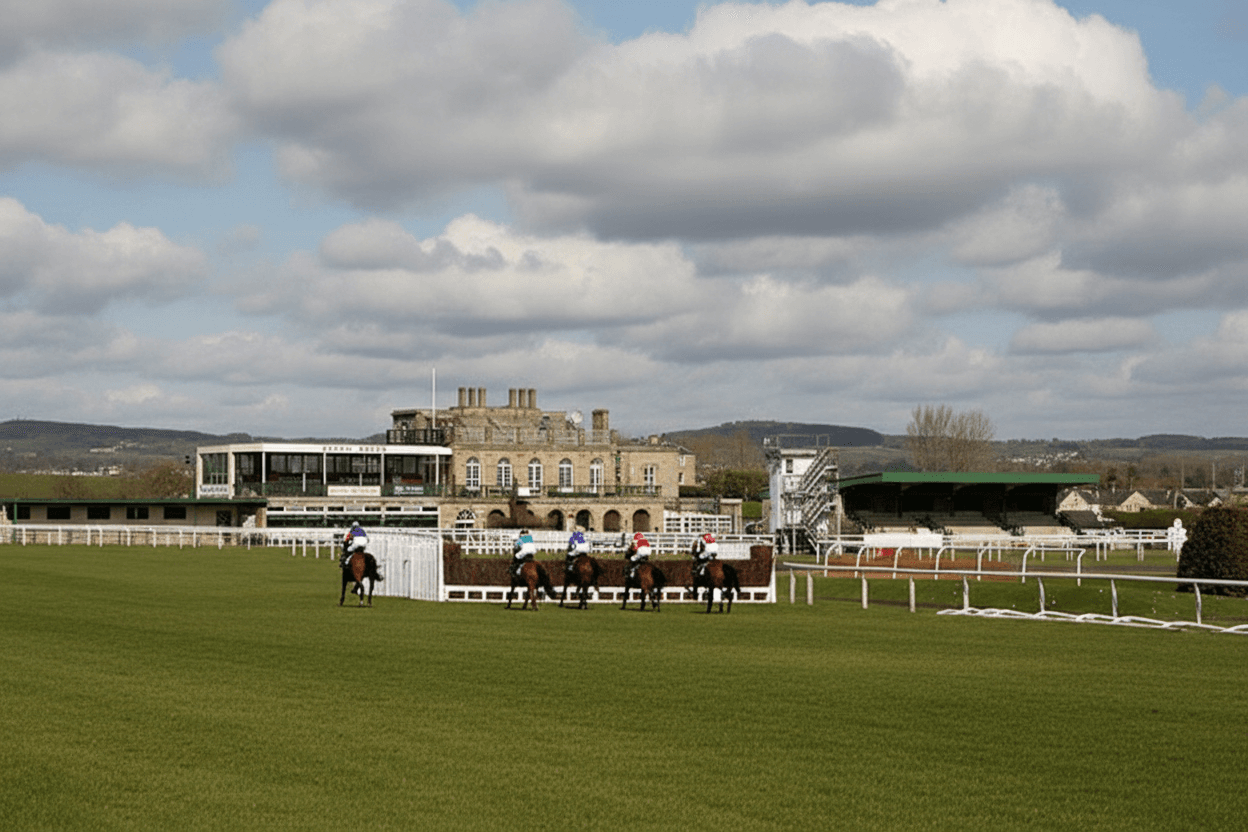
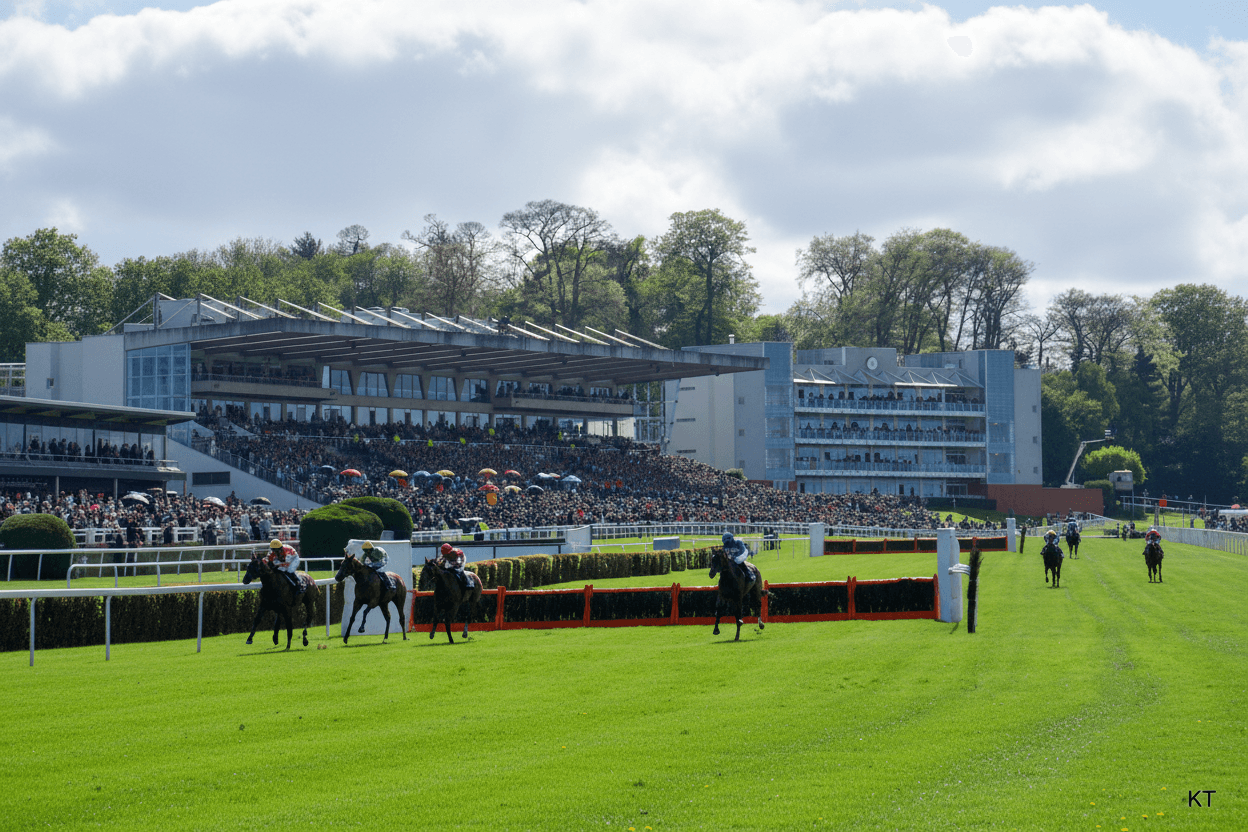
A Course That Gets Under Your Skin
There are racecourses you visit and racecourses you fall in love with, and Sandown Park has always belonged firmly in the second category. Nestled in the leafy Surrey commuter belt just outside Esher, it sits close enough to London to feel accessible yet carries an atmosphere entirely its own — unhurried, intimate, and steeped in a particular kind of racing reverence that only 150 years of history can bestow. Since its opening in 1875, Sandown has asked serious questions of horses and riders alike, and the answers have shaped some of the most memorable moments this sport has ever produced.
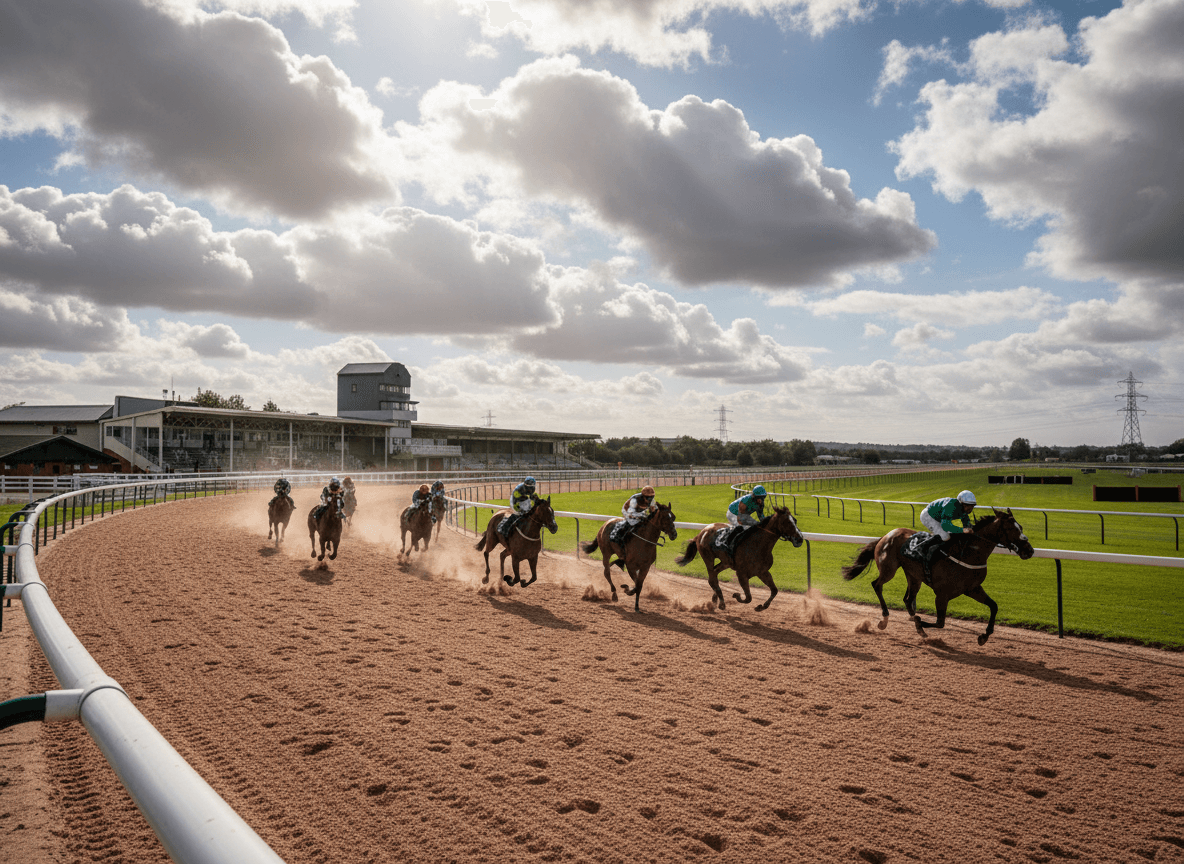
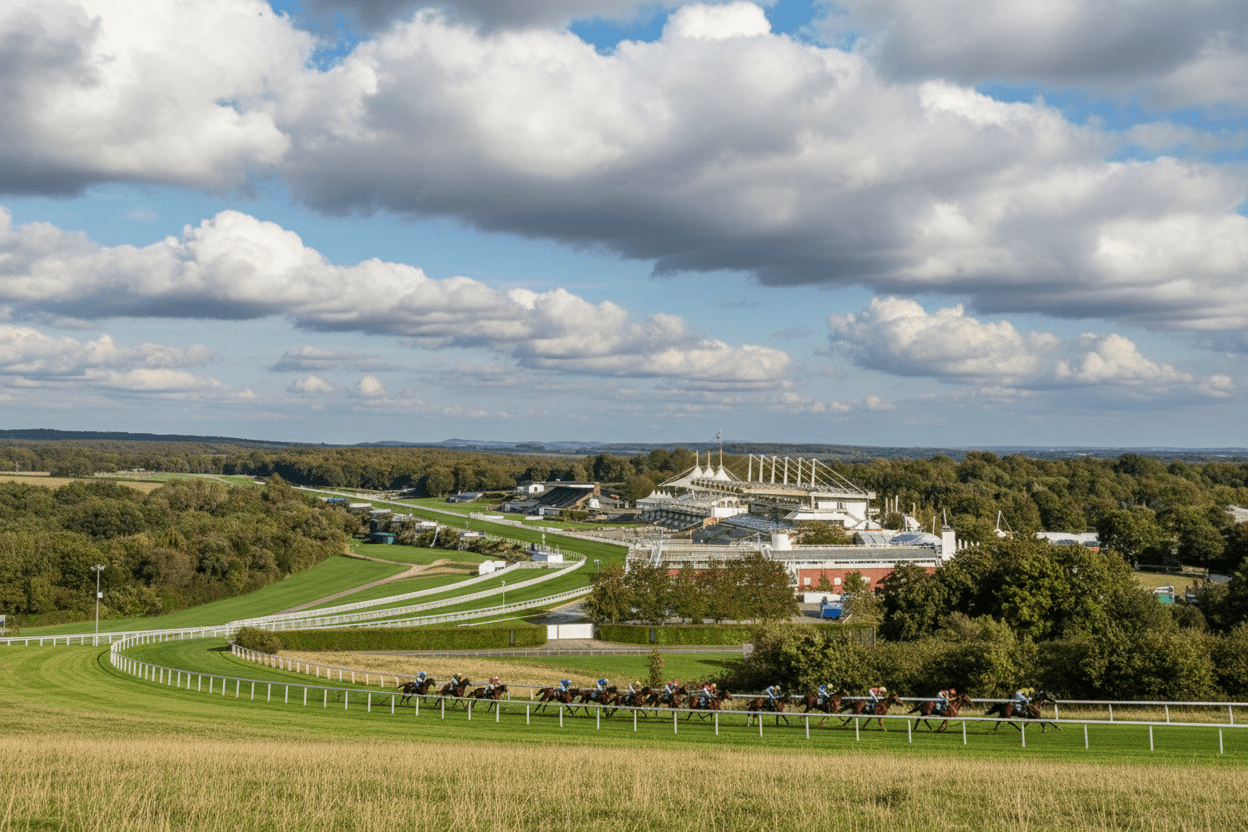
What strikes you first, if you're visiting for the time, is how the course seems to breathe. The undulations are not merely topographical quirks but genuine tests of character — for the horse, the trainer, and the punter trying to make sense of it all. The long, grinding climb from the far turn up to the winning post along the so-called railway side is the course's defining feature, a stretch that exposes any weakness in a horse's stamina or constitution with a kind of quiet, impartial ruthlessness. Horses that win at Sandown tend to deserve it, and that, in an era when racing's integrity is rightly scrutinised, feels like something worth celebrating.
This Week's Fixtures: Jump Racing in the July Sun
It might seem counterintuitive to be talking about jump racing as summer reaches its warmest weeks, but Sandown's dual-purpose calendar has always embraced that pleasing contradiction, and this July is no different. We have two Sunday afternoon fixtures to look forward to, both over jumps, and both carrying their own distinct character.
Sunday, 12 July 2026
The first fixture arrives on Sunday, 12 July 2026, with a seven-race card running through the afternoon. The going is declared as Good to Firm, which at this time of year, following what has been a dry stretch across the south of England, is entirely expected. For jump racing, Good to Firm is a going description that demands a degree of care — both from connections deciding whether to run and from racegoers thinking about what they're watching. Horses need to be genuinely comfortable on a faster surface, and trainers who know their animals well will be making those calls with welfare firmly in mind. The good news is that Sandown's turf management team has long maintained a reputation for producing consistent, well-prepared ground, and the course's natural drainage means conditions rarely become genuinely testing on the joints even when the surface reads quick.
Sunday, 19 July 2026
A week later, the Sunday, 19 July 2026 card follows the same format — seven races, jump racing, afternoon session — though the going at time of writing remains To Be Confirmed. Keep an eye on the forecast and check the official declarations carefully as the week progresses. If the weather breaks, conditions could shift meaningfully, and at a track where the going plays such a pivotal role in race outcomes, that information is never trivial.
Reading the Track: What Sandown Demands of Its Runners
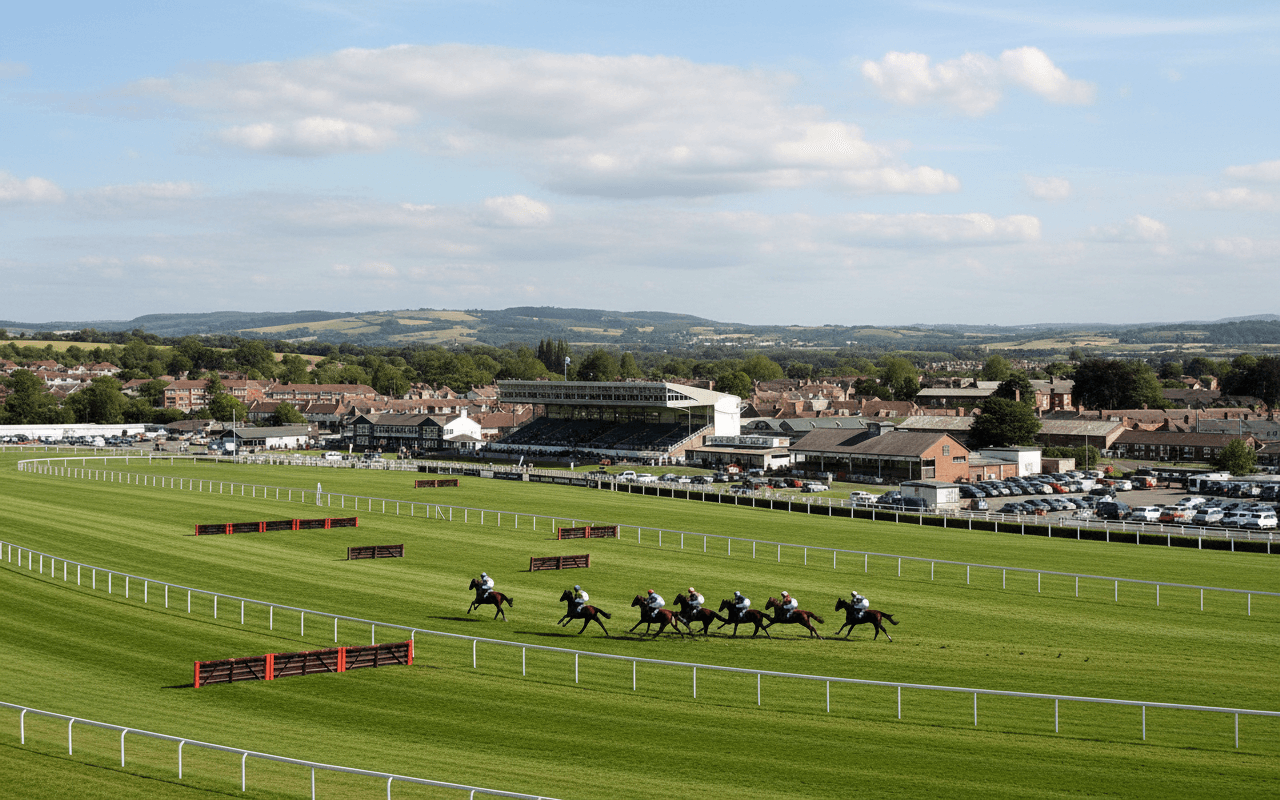
Understanding Sandown is one of the more rewarding exercises in British racing, because the course has a logic to it once you learn to read its language. The right-handed circuit of approximately one mile five furlongs is deceptively demanding, and the undulations that characterise the back straight and the run for home mean that horses are rarely able to coast at any point in a race.
Over jumps in particular, the railway-side climb is where races are truly won and lost. Horses that travel well through the early and middle stages but lack the engine to sustain their effort up that final rise will be found out every time — and this is not a course that flatters a false gallop. Pace-setters who go off too hard frequently come back to their rivals in the closing stages, which means that hold-up horses with a strong, sustained finish are often at a premium here. Equally, a horse that jumps cleanly and fluently will always have an advantage, because the fences at Sandown are fair but unforgiving of sloppiness, and losing momentum at a critical fence on the run to home can be the difference between winning and finishing third.
Draw bias is less of a factor over jumps than on the Flat, but field size and pace dynamics matter enormously. In smaller fields, the premium on jumping and travelling well is even more pronounced, as there is rarely enough cover for a horse that needs to be delivered late from an unpromising position.
The Type of Horse That Thrives at Sandown
If you're building a profile of the ideal Sandown jumper, you're looking for a horse with genuine, proven stamina — not just a horse that stays, but one that relishes a test. Horses bred for toughness, with deep chests and the kind of athletic scope that allows them to handle undulating ground without losing their rhythm, tend to excel here. Trainers who produce horses in peak physical condition and who prioritise fitness over shortcuts will always have an edge at this track.
From a welfare perspective, it is also worth noting that Sandown's management has consistently invested in course safety measures, from fence construction to ground preparation, and the track's layout — while demanding — gives horses room to find their footing and recover their balance after jumps. It is a course that challenges horses honestly rather than catching them out unfairly, and that distinction matters.
- Stayers with a proven record on undulating ground should be near the top of your shortlist
- Fluent jumpers who don't waste energy at their fences will be rewarded by the rhythm the course demands
- Hold-up horses with a strong, sustained finish suit the railway-side climb perfectly
- Horses trained by handlers with a strong Sandown record — course-and-distance form is always worth cross-referencing here
Practical Tips for Racegoers and Punters
Whether you're heading to Esher for the afternoon or following the action from home, a few practical thoughts are worth keeping in mind as these fixtures approach.
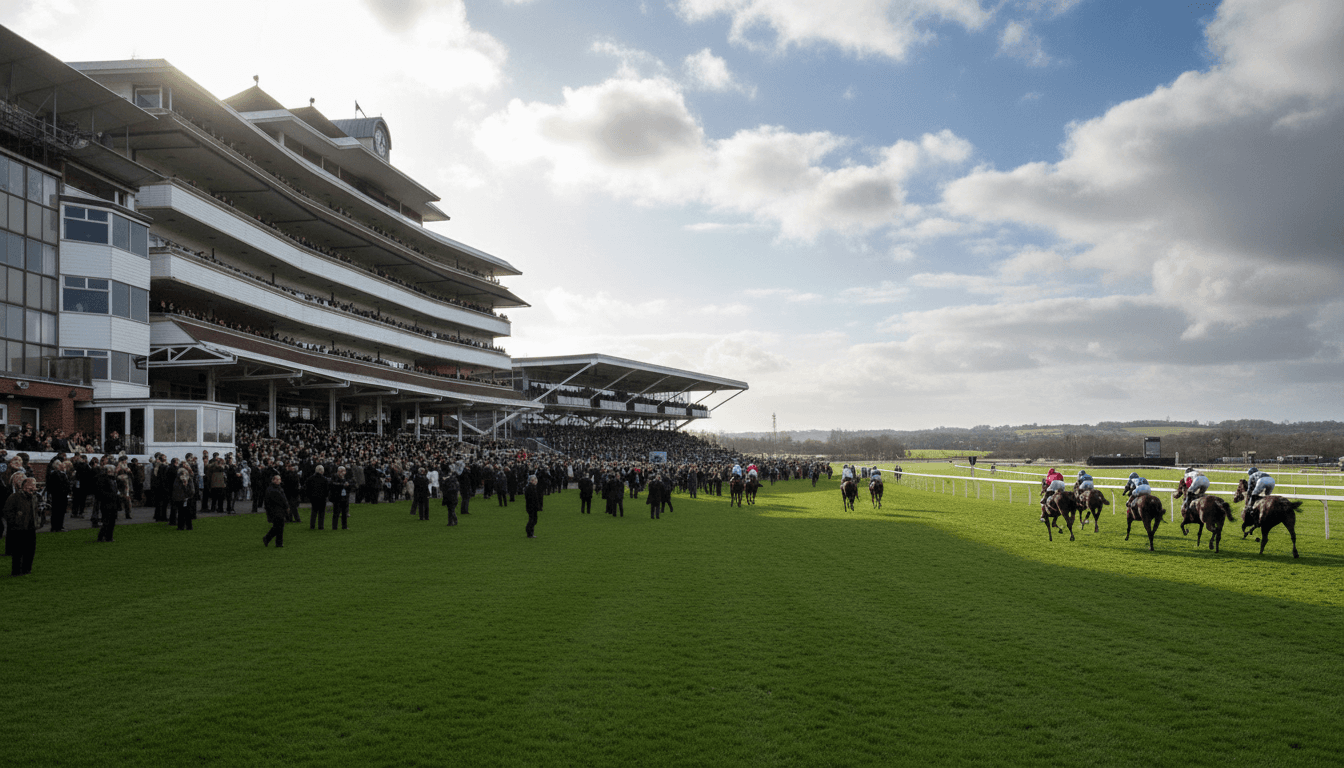
For those attending in person, Sandown's viewing facilities are genuinely excellent — the grandstand offers clear sightlines across the far side of the track, and the paddock area allows you to assess horses up close before racing. Take that opportunity seriously. On a Good to Firm surface, watching how horses move in the paddock and how they warm up on the way to post can tell you a great deal about their comfort on the ground. Any sign of reluctance or stiffness in a horse's action is worth noting.
For punters, the key discipline at Sandown is patience. The temptation to back the obvious favourite in every race is understandable, but this is a course where the physically superior horse does not always prevail — the test is too specific for that. Look for horses whose recent form includes strong finishes on comparable ground, and pay close attention to jockey bookings. Experienced Sandown pilots who understand the track's rhythms and know when to commit their horse to the climb are worth their weight in race-reading intelligence.
Finally, keep an eye on the going updates in the days before each fixture, particularly for the 19 July card where conditions remain unconfirmed. Ground changes at Sandown can be significant, and adjusting your approach accordingly is simply good practice.
A Venue Worth Cherishing
There is something quietly profound about jump racing at Sandown in the summer — the long light, the green of the Surrey hills beyond the track, the particular hush before the tape rises. It is not the most glamorous fixture in the calendar, and it doesn't need to be. What these July Sundays offer is racing in its most honest form: horses tested fairly, on a course that has been asking the same searching questions since the Victorian era, in front of crowds who understand what they're watching.
Visit the Sandown Park course page for full details, form guides, and everything you need to make the most of both fixtures. Racing at its best is always worth the journey, and Sandown Park, as it has been for a century and a half, remains very much worth the journey indeed.