A Jewel Worth Revisiting
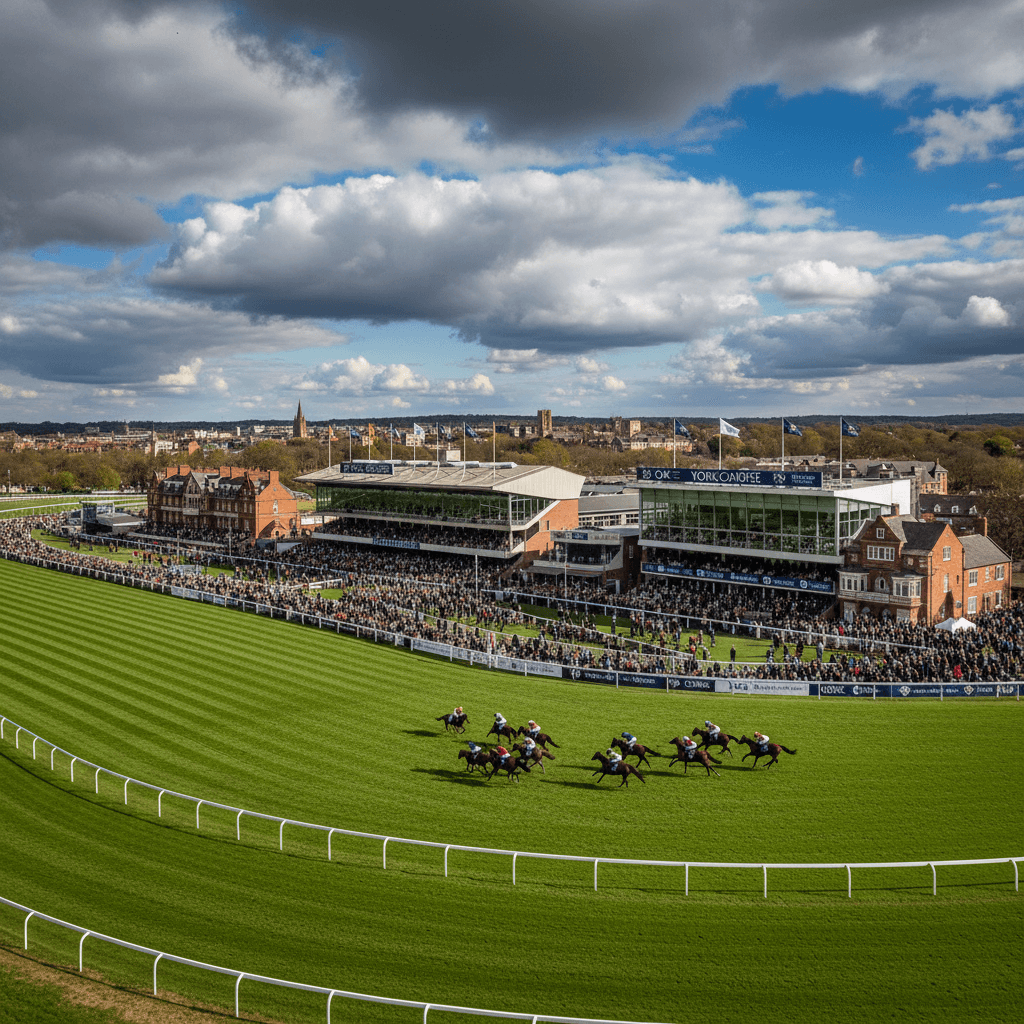
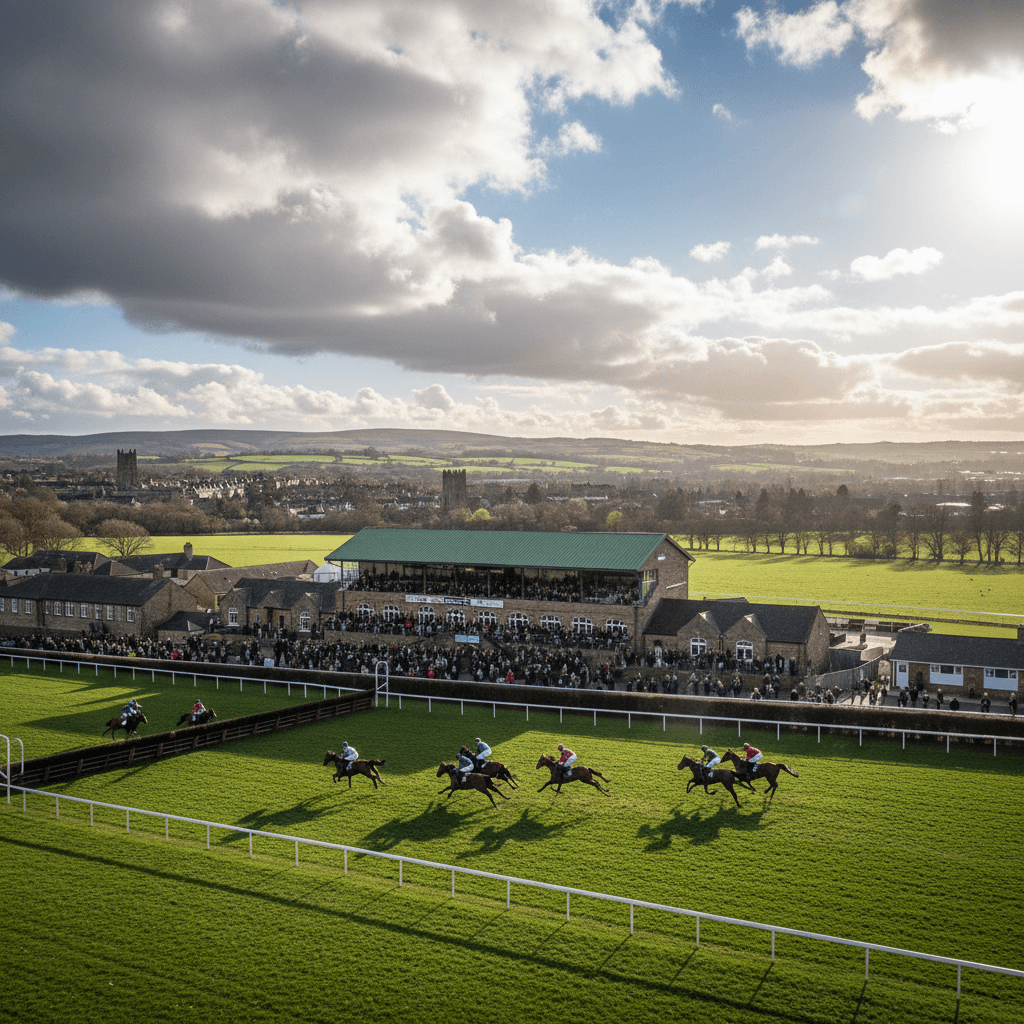
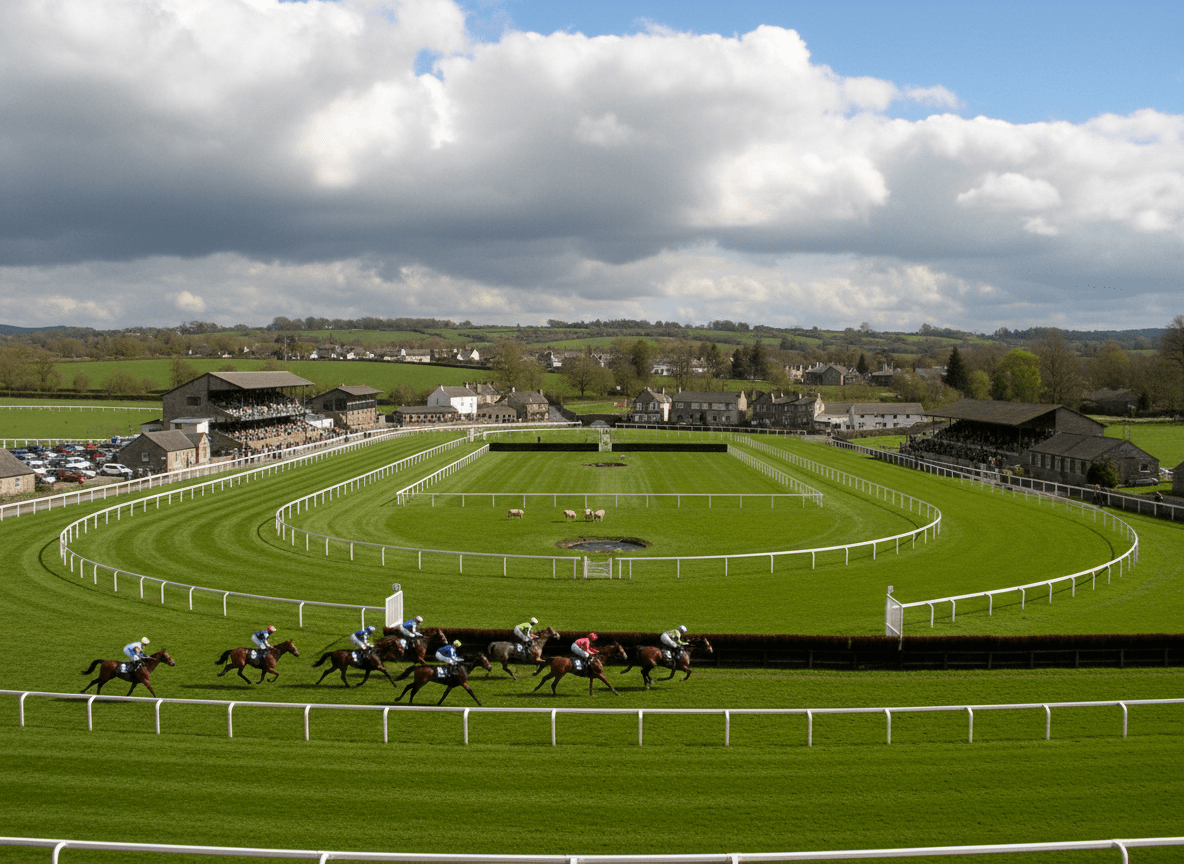
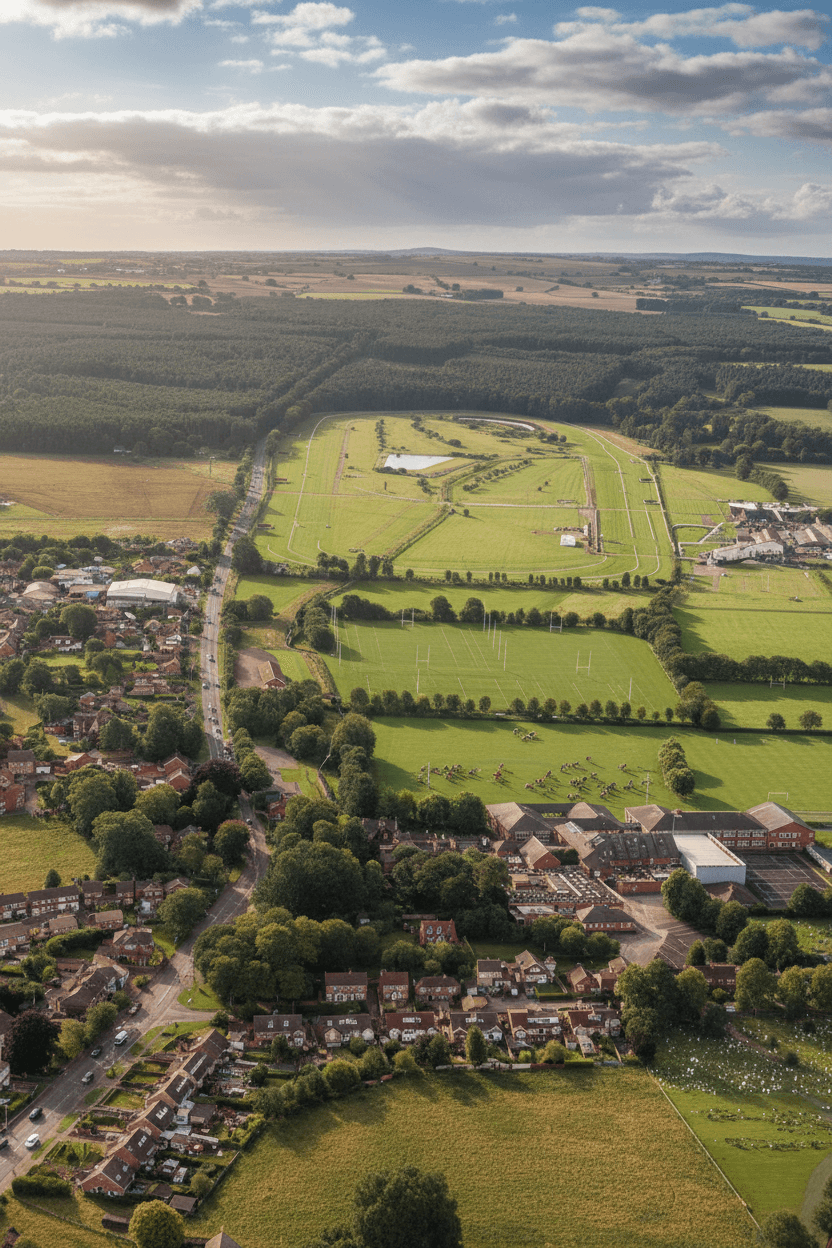
There are racecourses you visit out of obligation, and there are those you return to because something about them quietly gets under your skin. Market Rasen belongs firmly in the second category. Nestled in the rolling Lincolnshire countryside, this compact, characterful track has been welcoming racegoers since 1924, and more than a century on, it retains the kind of unpretentious warmth that the sport's grandest venues sometimes struggle to manufacture. It is a place where families spread out on the grass banks, where first-timers feel genuinely welcome, and where the racing — honest, competitive, and often surprisingly deep — rewards those who take the time to understand it.
Most people associate Market Rasen with its celebrated summer jumps programme, a genuine rarity in British racing and the source of its proudest moments, including the Grade 3 Summer Plate and the Summer Hurdle. But this week, it is the flat that takes centre stage, and there is every reason to pay close attention. The course's right-handed, undulating circuit translates interestingly to flat racing, presenting a slightly different set of puzzles to those more accustomed to the jumping game here, and the summer crowds bring an energy all of their own.
This Week's Fixtures: What to Expect
Market Rasen hosts two afternoon fixtures in quick succession this week — Friday, 17 July carries six races, and Saturday, 18 July steps up to seven. Both meetings take place on Good to Firm ground, which, given the track's undulating nature and the time of year, is exactly what you would hope for. Good to Firm on a summer afternoon in Lincolnshire tends to ride true and consistent — fast enough to reward horses with a turn of foot, but rarely the kind of jarring firmness that raises welfare concerns or forces trainers to make late withdrawals.
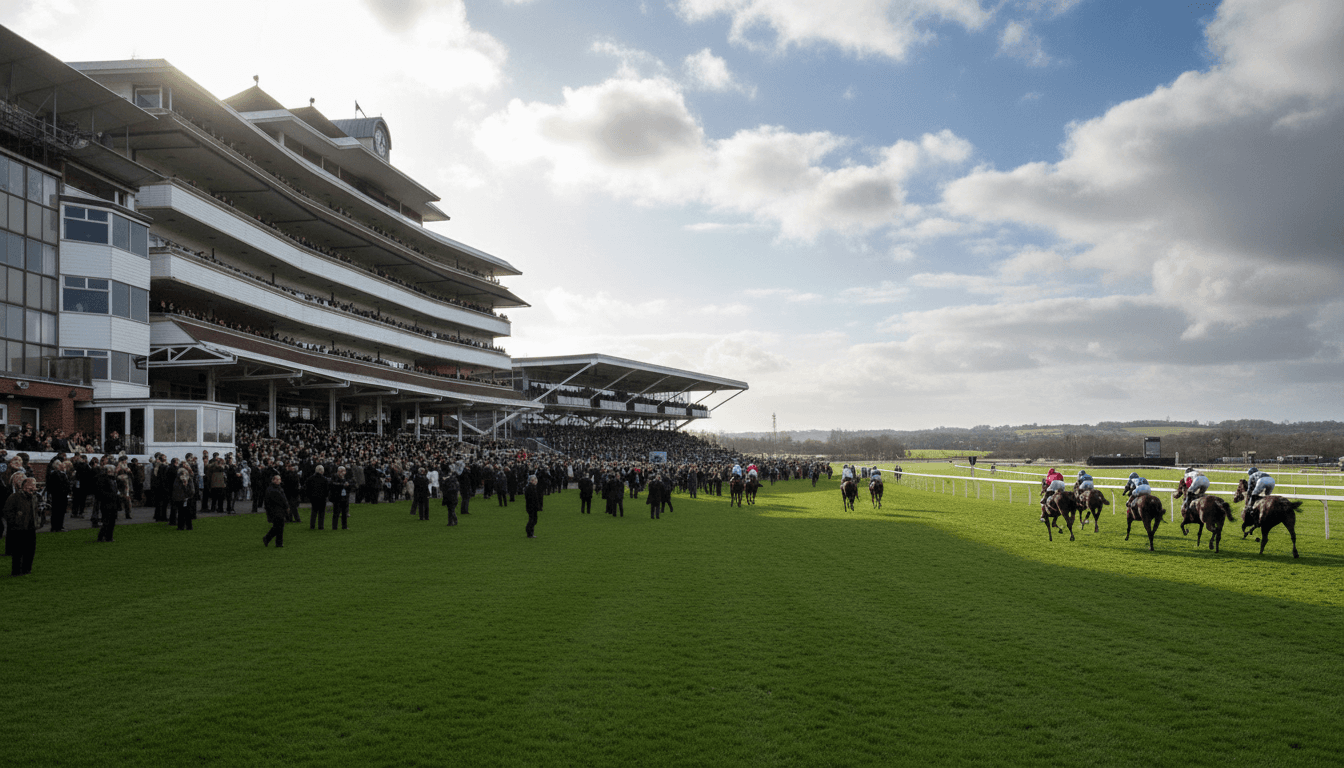
Afternoon racing at Market Rasen has a relaxed, sociable quality to it. The sight lines are excellent throughout, the enclosures compact enough that you are never far from the action, and the atmosphere on a warm July Saturday in particular can be genuinely festive. If you are attending, arrive early enough to walk the course perimeter and get a feel for the undulations — it genuinely helps when you are watching the races unfold and trying to understand why certain horses are travelling better than others.
Understanding the Track: What the Form Book Won't Always Tell You
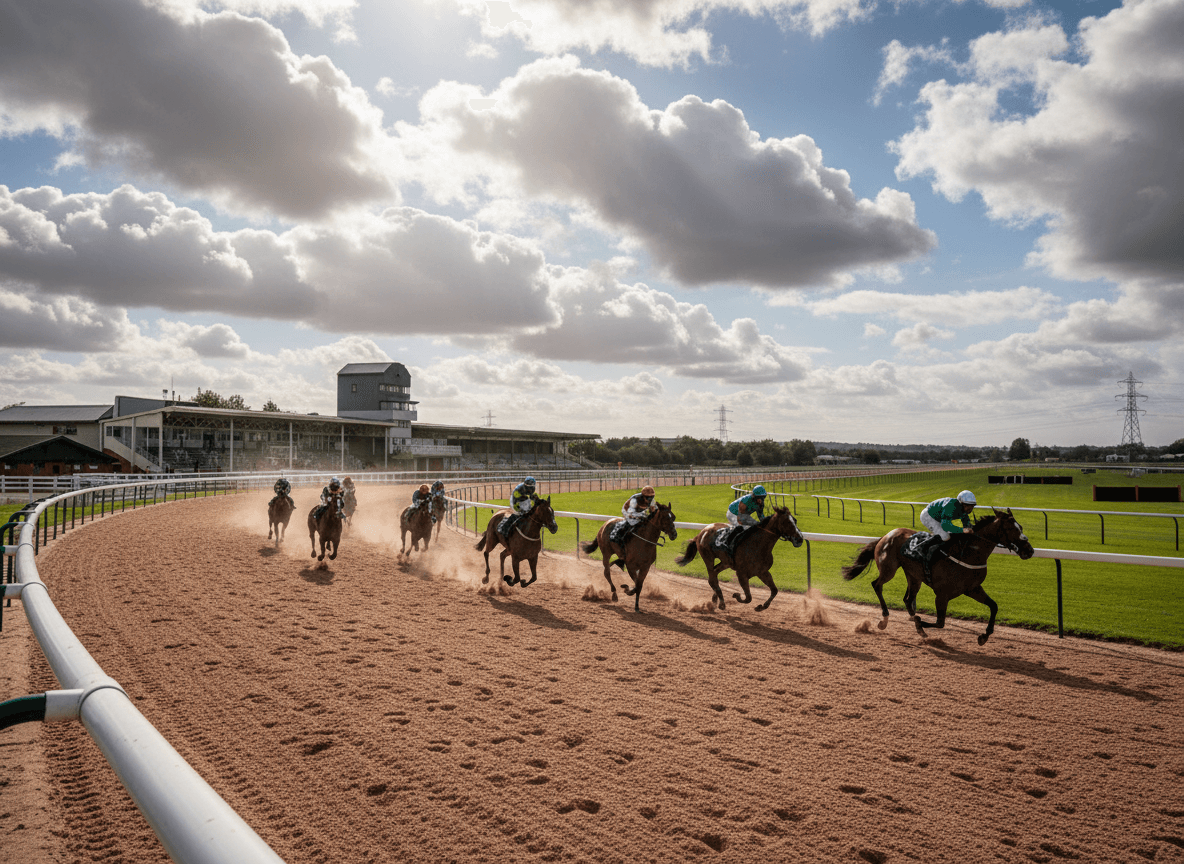
Market Rasen's circuit is just over a mile and two furlongs in circumference, right-handed, and meaningfully undulating — characteristics that matter considerably more here than at a flat, galloping track like Newmarket or Haydock. The bends are fairly tight, which means that horses need to be balanced and responsive rather than simply powerful. A big, free-going sort who sprawls around a bend can lose several lengths without their jockey fully appreciating why, while a neat, agile horse who corners efficiently can make up ground that the bare times would never reveal.
On Good to Firm ground, pace tends to be honest and the race often develops in a relatively straightforward way — but do not underestimate the effect of the undulations on horses who may not have encountered this kind of terrain before. Horses with previous course form deserve a significant uplift in your assessment, not simply because they have been here before, but because they have already learned to balance through the dips and rises that catch the uninitiated out.
Draw and Pace Considerations
On the flat at Market Rasen, draw bias is worth monitoring carefully, particularly over the shorter distances where the early stages of a race are compressed and positional advantage matters most. In sprint distances, a low draw on Good to Firm ground can be advantageous as horses look to find the rail and minimise the ground covered around the bends. Over middle distances, the bias becomes less pronounced, and horses with a smooth, economical action tend to come into their own as the undulations begin to take their toll on less efficient movers.
Pace dynamics here reward horses who can settle and travel — those ridden prominently on a flat, galloping track sometimes find that the constant changes of gradient interrupt their rhythm in a way that benefits a well-rated hold-up horse with a genuine late gear.
The Type of Horse to Follow
If you are building a shortlist for either fixture this week, certain profiles consistently reward attention at Market Rasen on the flat. Look for:
- Course winners and course-placed horses — experience of the undulations is genuinely transferable, and the form book here tends to be reliable and self-referential.
- Compact, well-balanced types — horses who move efficiently rather than those who rely purely on size and power. The tight bends expose any tendency to hang or sprawl.
- Horses proven on Good to Firm ground — not simply those who have run on it, but those whose form figures noticeably improve when the ground quickens up. Some horses simply come alive on a summer surface.
- Trainers with strong local strike rates — certain yards target Market Rasen consistently and understand what the track demands. It is always worth checking which stables have been firing here in recent weeks before committing to a selection.
- Hold-up horses in competitive handicaps — the undulating nature of the track means that pace is rarely truly even, and a horse with a genuine late run can find the closing stages of a race here more rewarding than the bare sectionals might suggest.
Practical Tips for Racegoers and Punters
Whether you are heading through the gates on Friday or Saturday — or watching from home with a betting slip in hand — a few practical considerations are worth keeping in mind. For those attending, the course's compact layout means that the paddock inspection is particularly valuable; horses who look relaxed and well within themselves in the pre-parade ring often translate that composure into a clean, efficient round of racing. The excellent viewing from the main enclosures means you can track your selection from the moment the stalls open to the line without losing sight of them, which is a genuine pleasure that not every track can offer.
For punters working from home, check the going reports on the morning of each fixture — Good to Firm can shade either way depending on overnight temperatures and any early watering, and a ground shift of even half a stick can meaningfully alter the complexion of a race. Pay close attention to the declarations and any market moves in the hour before racing; Market Rasen attracts a knowledgeable local following and the markets here tend to be reasonably efficient, but genuine stable confidence occasionally shows itself in the place market before the win market fully reacts.
A Course Worth Your Full Attention
There is something quietly admirable about a racecourse that has spent a century doing things its own way and emerged from it more beloved rather than less. Market Rasen has never tried to be Cheltenham or Ascot, and that is precisely why it endures. It is a track that rewards curiosity — the punter who takes the time to understand its quirks, the racegoer who arrives early and stays late, the trainer who keeps coming back because they know their horses run well here.
This week's flat fixtures may not carry the prestige of the Summer Plate, but they offer two afternoons of genuine, competitive racing on a surface that should bring out the best in horses built for the conditions. Browse the full Friday racecard and the Saturday racecard over on the Market Rasen course page, do your homework on the draw and the pace scenarios, and enjoy what promises to be a thoroughly pleasant pair of summer afternoons in Lincolnshire.