A Track That Gets Under Your Skin
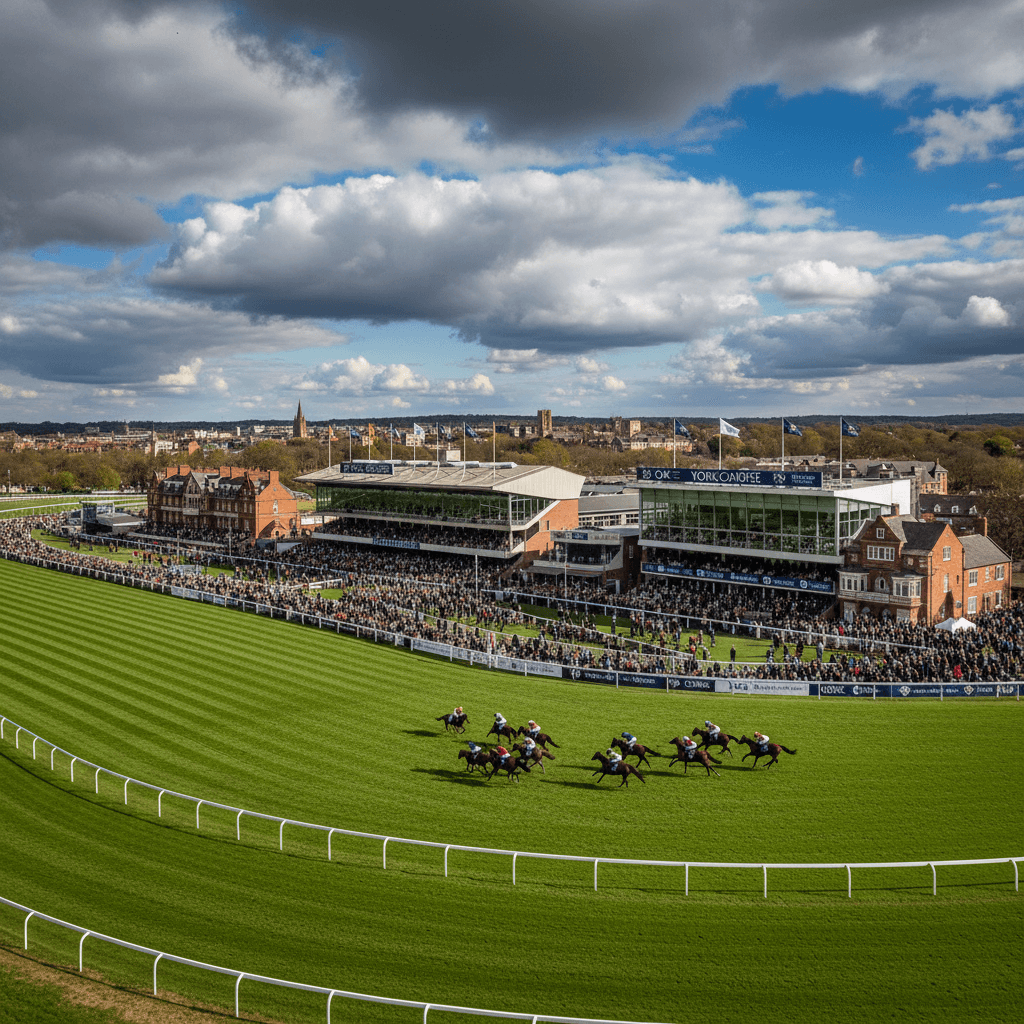
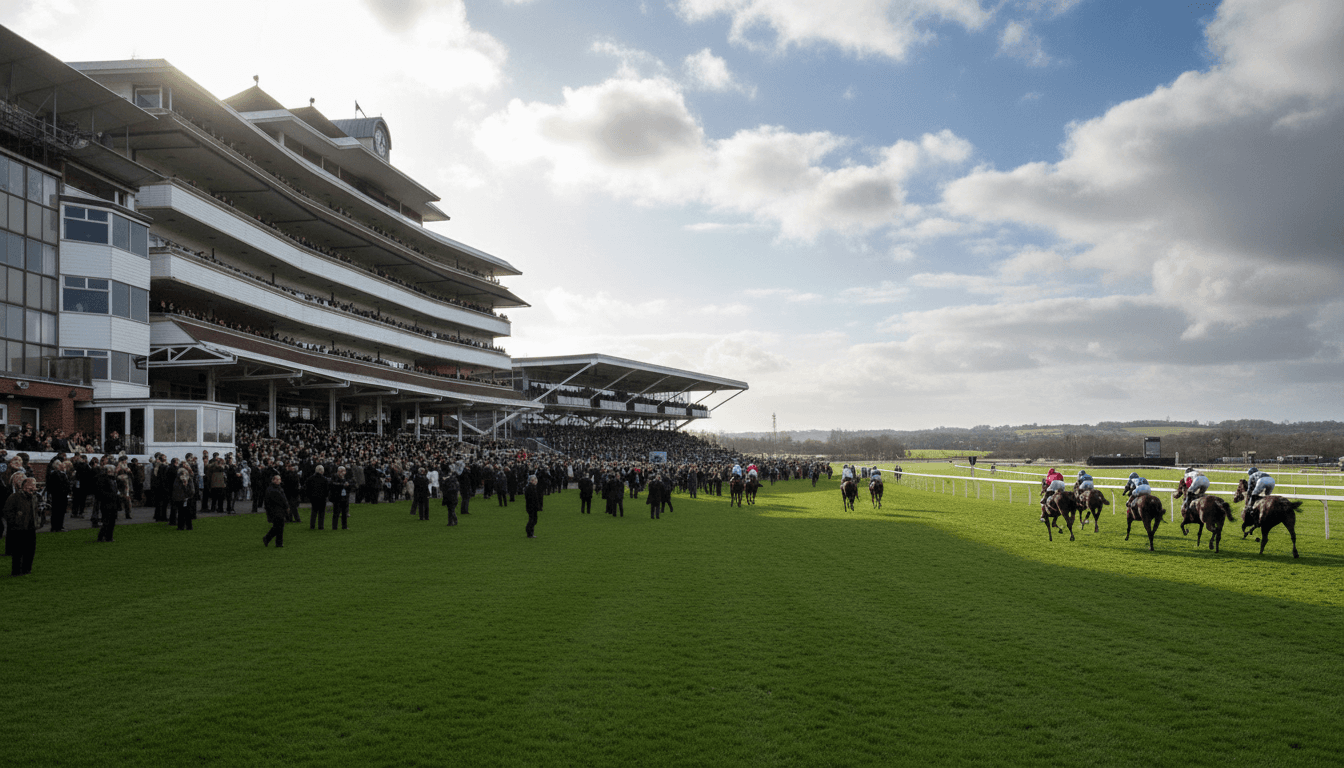
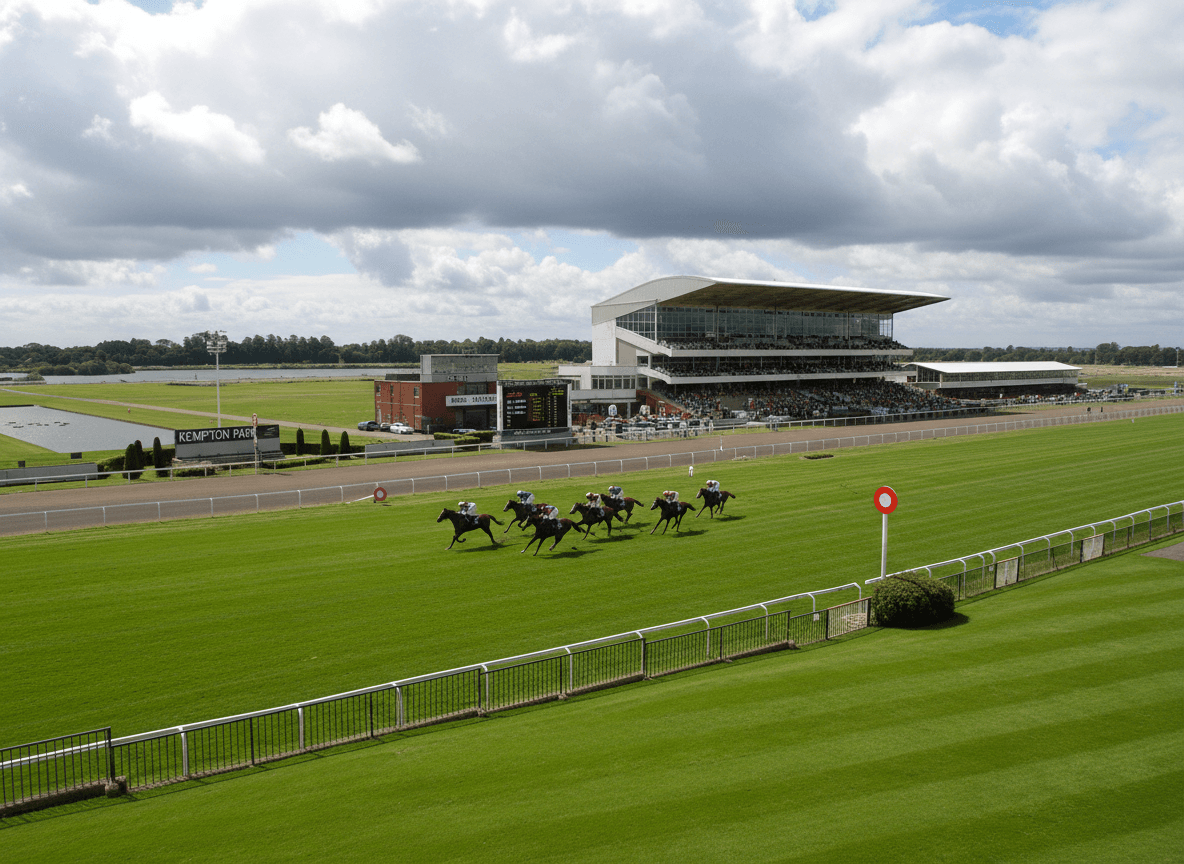
There are racecourses you visit and racecourses you return to, and Kempton Park has always belonged firmly in the second category. Nestled in Sunbury-on-Thames, just far enough from London to feel like an escape and just close enough to fill its stands with genuine racing enthusiasts, Kempton has a way of making the sport feel both accessible and quietly special. It has been doing so since 1878, which means it has weathered fashions, recessions, and the wholesale transformation of British racing more times than most of us care to count — and it has emerged from each era not merely intact, but somehow more itself.
In summer, the floodlit evening meetings carry their own particular magic. The light softens over the Surrey countryside, the Polytrack gleams under the gantries, and there is something wonderfully democratic about a mid-week evening card — the kind of fixture that draws seasoned professionals and curious newcomers in roughly equal measure. This week, Kempton offers us two such evenings, and both are worth your time and attention.
This Week's Fixtures at a Glance
The week opens on Monday, 13 July 2026, with an eight-race flat card run under evening conditions on a Standard Polytrack surface. Eight races is a generous programme by any measure, and a Standard going description on the all-weather tells you the surface is performing consistently — neither too quick nor too holding — which tends to produce honest, representative form. This is the kind of card where patterns emerge clearly, and where horses running to their marks rather than above or below them. You can find the full Kempton Park Monday, 13 July 2026 racecard on our site.
Wednesday, 15 July 2026 brings a slightly shorter six-race programme, but the going description shifts to Good to Firm — and this is where things become genuinely interesting, because Kempton's turf course in summer can be a different proposition entirely from its all-weather counterpart. Good to Firm ground here rewards horses with a quick, economical action; those who labour through testing ground will find the pace unforgiving, while those with a clean, ground-covering stride will relish the conditions. The full Kempton Park Wednesday, 15 July 2026 racecard is well worth studying in advance.
Understanding the Kempton Track
To bet or simply to watch intelligently at Kempton, it helps to understand what the course is actually asking of its horses. The track is a right-handed oval of approximately one mile and five furlongs, and its character changes subtly depending on whether you are watching on the Polytrack or the turf.
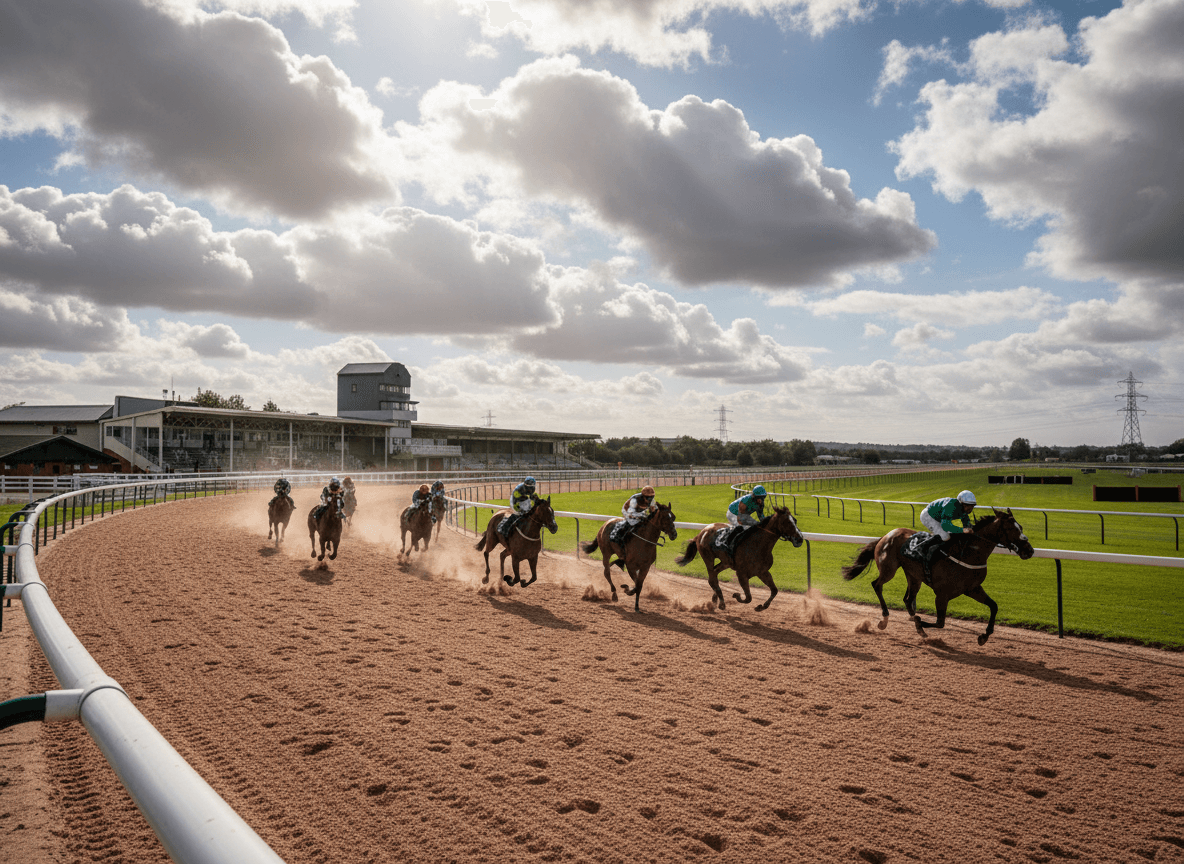
The Polytrack (All-Weather)
Kempton's Polytrack is one of the most established all-weather surfaces in Britain, and it has generated a vast archive of form that patient analysts can mine with real reward. The surface tends to favour prominent racers — horses who travel comfortably in the first three or four — particularly over the shorter distances where the bends come quickly and position becomes everything. Front-runners have a strong record here, especially in sprints and over seven furlongs, where the pace is often set early and rarely relented.
Draw bias on the Polytrack is worth understanding, though it is never absolute. Over sprint trips, a low draw can be advantageous as it allows a horse to secure a rail position without burning energy sideways. Over longer distances, the draw becomes less decisive, but horses drawn wide over a mile or beyond will often need a settled, patient ride to compensate. Always check where the pace is likely to come from before drawing firm conclusions from stall positions alone.
The Turf Course
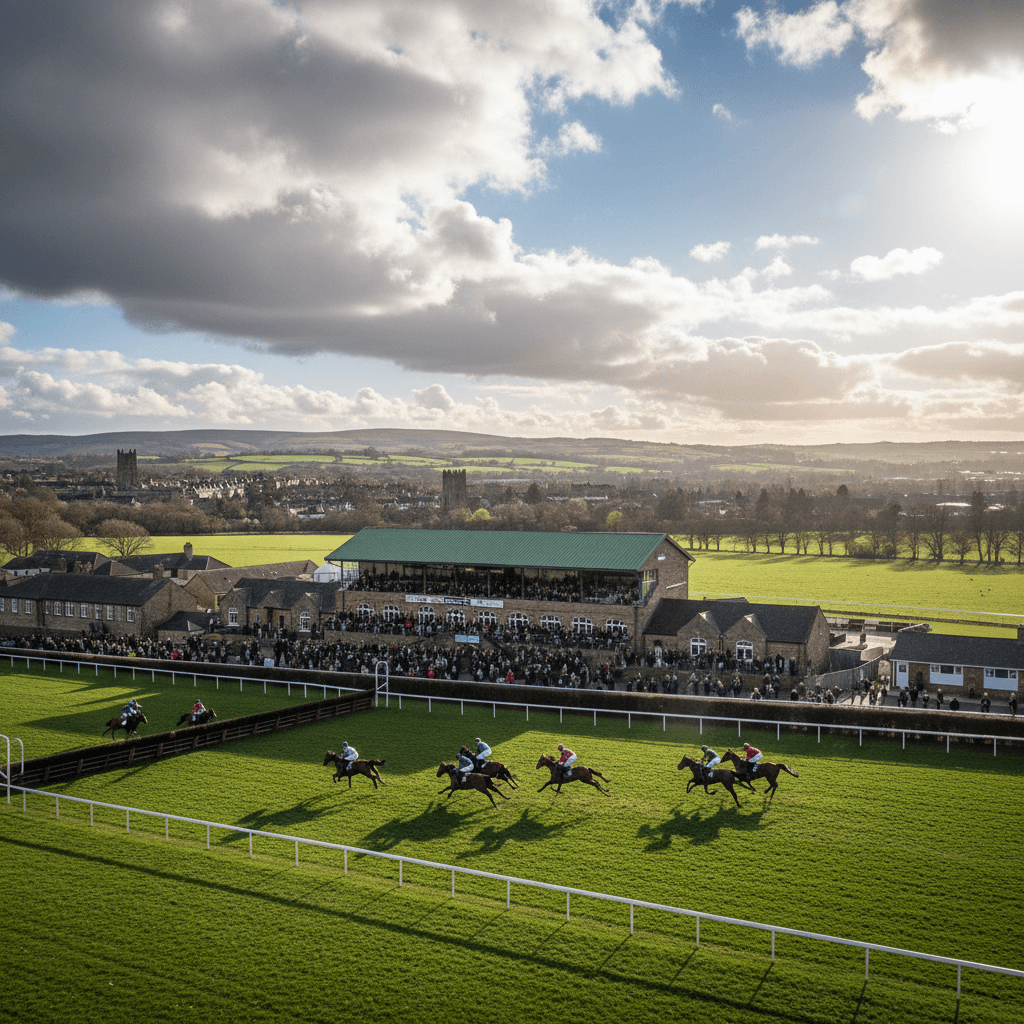
On turf, and particularly on the Good to Firm ground we can expect on Wednesday, Kempton rewards a different profile of horse. The galloping nature of the track, with its long home straight and relatively gentle undulations, suits horses who stay on relentlessly rather than those who produce a sharp, sudden burst. Horses with a high cruising speed — those who can travel smoothly through a race without being asked a question until the final two furlongs — tend to outperform their market position here. Horses who need to be produced late, from well off the pace, can find Kempton's relatively straightforward layout less forgiving than a more undulating track might be.
What Type of Horse Thrives at Kempton?
If you are building a profile of the Kempton specialist, a few characteristics recur with pleasing regularity. On the all-weather, look for:
- Consistent, reliable types who run to their rating without drama — Kempton's honest surface tends to expose horses who need things to go wrong for their rivals
- Front-runners and prominent racers, particularly over five to seven furlongs on the Polytrack
- Horses trained locally who have had the opportunity to school on the surface — familiarity with the Polytrack is a genuine, if underappreciated, advantage
- Well-handicapped horses returning from a break, since the surface is forgiving enough to allow a horse to find its rhythm without punishing ring-rustiness too severely
On the turf, and particularly in summer conditions, the profile shifts toward horses with a high cruising speed and a clean, ground-efficient action. Three-year-olds stepping up in trip can be particularly interesting at Kempton in July, when the combination of quick ground and a galloping track often brings out improvement in horses whose stamina is beginning to assert itself.
Practical Tips for Racegoers and Punters
Whether you are heading to Sunbury-on-Thames in person or following proceedings from home, a few practical observations may prove useful this week.
For those attending in person, evening fixtures at Kempton have a relaxed, convivial atmosphere that is genuinely distinct from the intensity of a major afternoon meeting. Arrive in time to watch the pre-race parade and the canter to post — Kempton's paddock and pre-parade ring are well-positioned for observation, and watching how horses move before a race on the Polytrack can be genuinely informative. A horse moving freely and fluently in the preliminaries, particularly one who has raced here before, is often worth noting.
For those approaching the card with a betting interest, the most important single piece of advice for Kempton all-weather racing is to respect in-running pace data. Kempton's Polytrack races are well-covered by sectional timing services, and a horse who has been running strong sectionals without reward — perhaps finishing well but from too far back — is often a prime candidate for a positive result when the pace setup suits it better. Equally, be cautious of horses whose wins on the surface have come entirely from the front, since a single strong front-runner in the field can fundamentally change their chance.
On Wednesday's turf card, watch the going reports carefully as the week progresses. Good to Firm in mid-July can firm up further with warm weather, and a horse whose form notes suggest they are best on a sound surface may well improve on what their recent runs suggest.
A Venue Worth Celebrating
It would be easy, in an era of shiny new facilities and ever-expanding fixture lists, to take somewhere like Kempton for granted. It lacks the social cachet of Ascot, the heritage grandeur of Goodwood, and the rolling drama of Cheltenham — but what it offers instead is something arguably more valuable: consistency, accessibility, and an honest, well-maintained racing surface that has been producing reliable form for nearly a century and a half.
The evening fixtures this week will not make national headlines, and they are not designed to. They are designed to provide good racing, fairly run, on a surface that rewards genuine ability — and in that, Kempton Park remains quietly, stubbornly excellent. Visit the Kempton Park course page for full details, form guides, and everything else you need to make the most of what promises to be a rewarding week in Surrey.