There's Nowhere Quite Like the Knavesmire
My grandfather used to say that if you only ever went to one racecourse in your life, it should be York. He was a Yorkshireman, mind you, so you might take that with a pinch of salt — but having spent the better part of thirty years watching racing at tracks all over the country, I've come to think the old fella had a point.
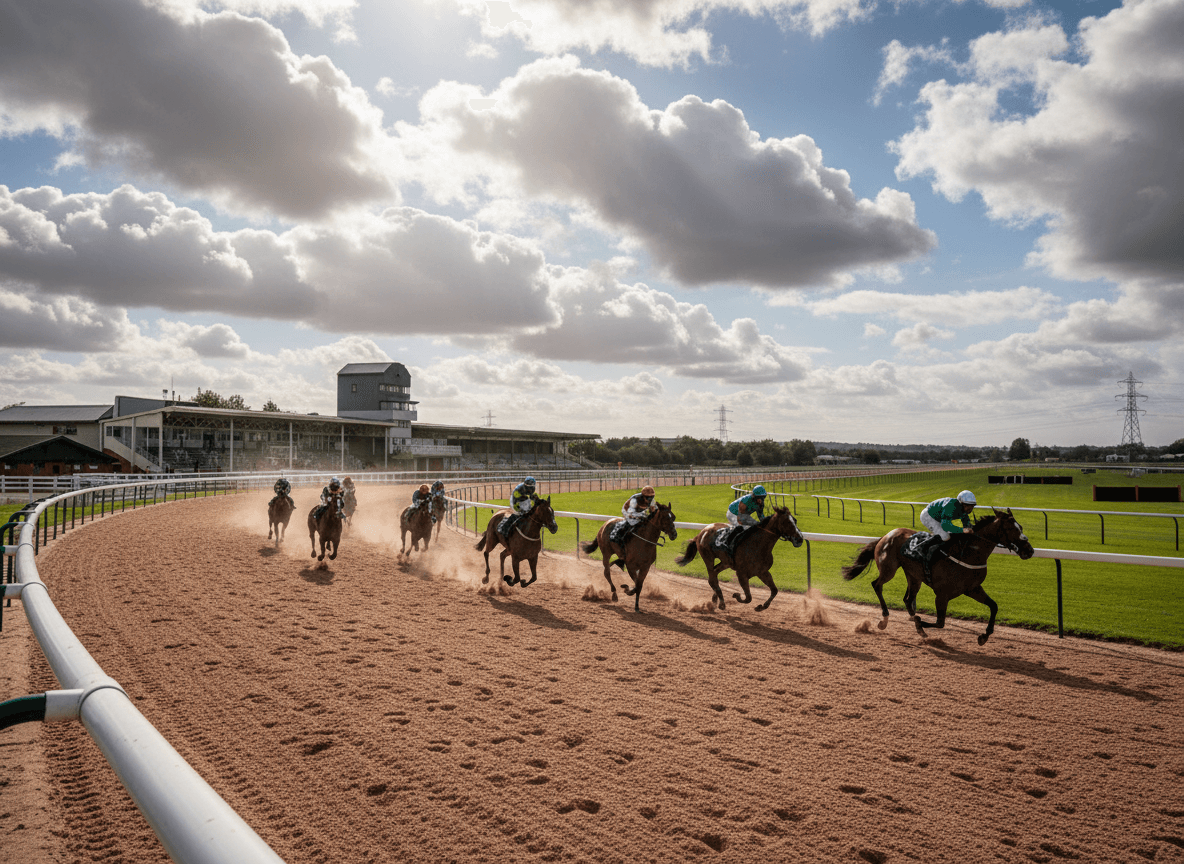
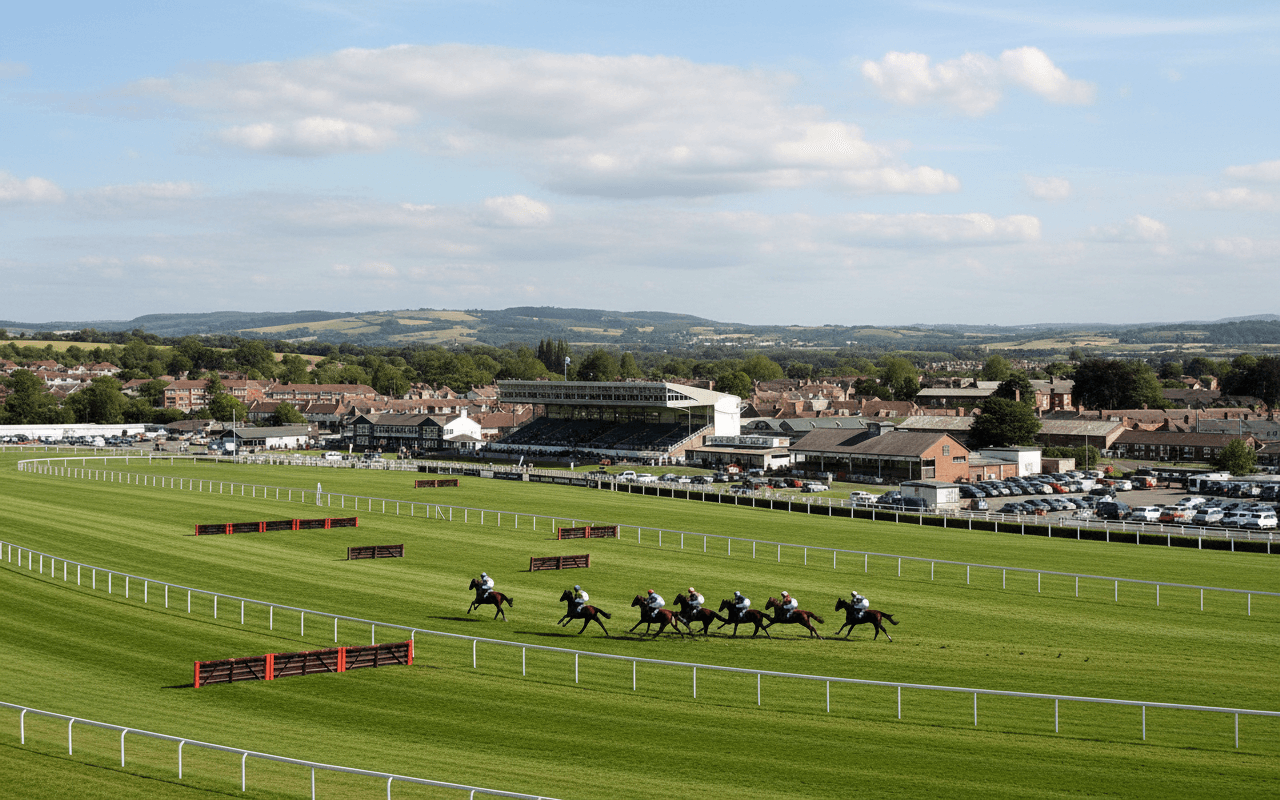
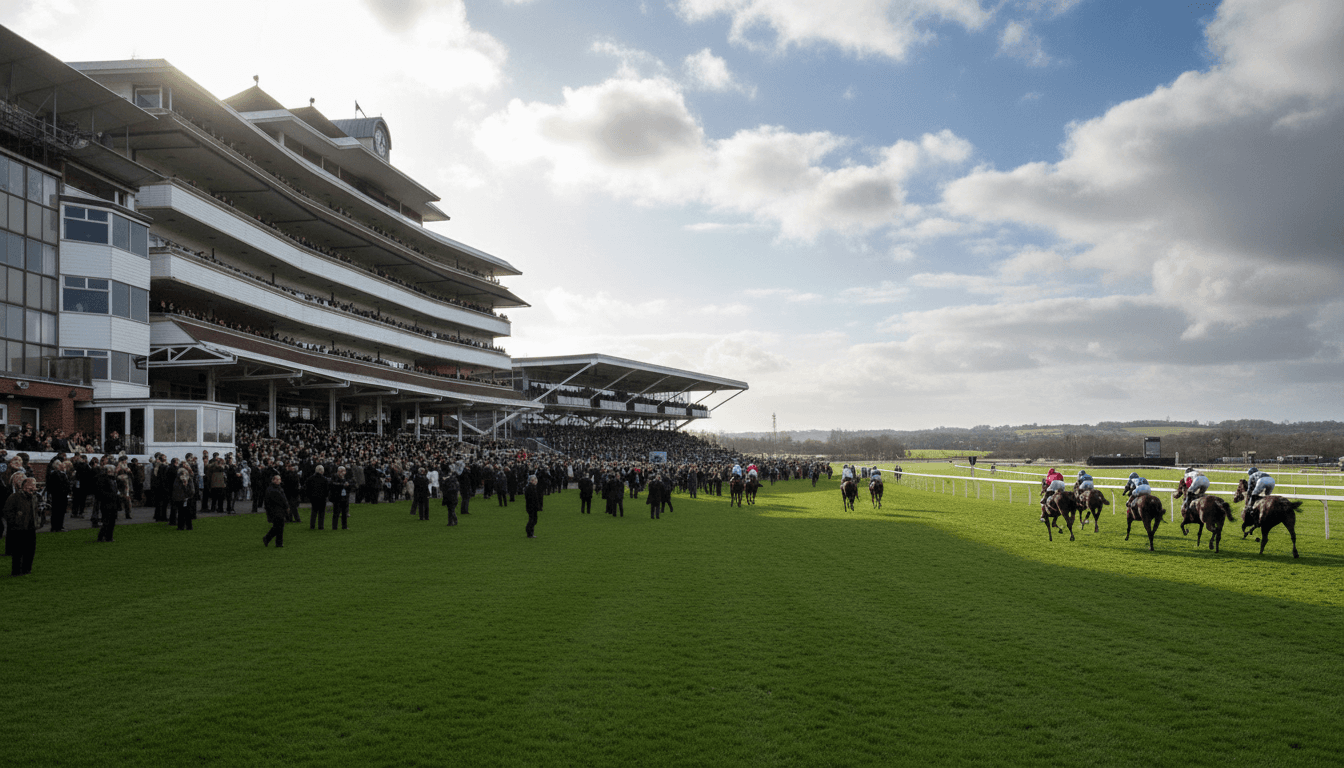
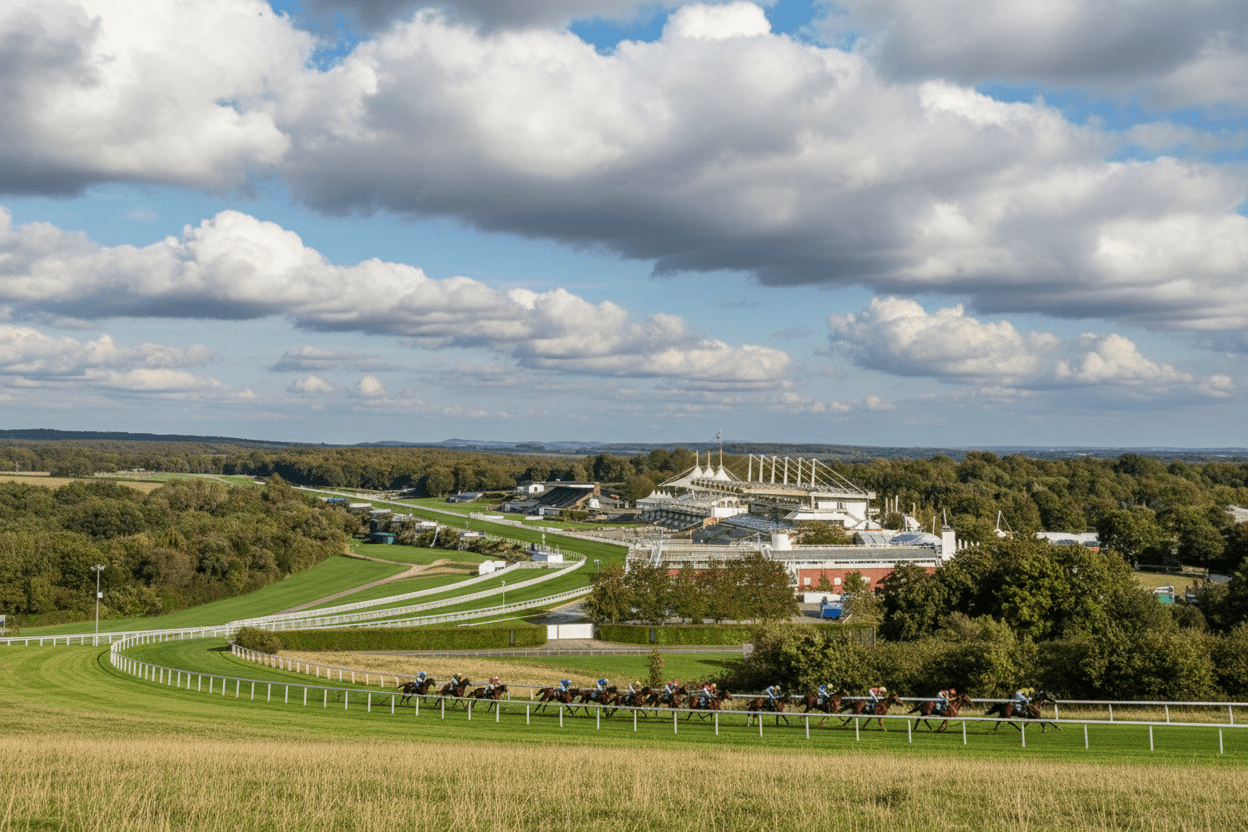
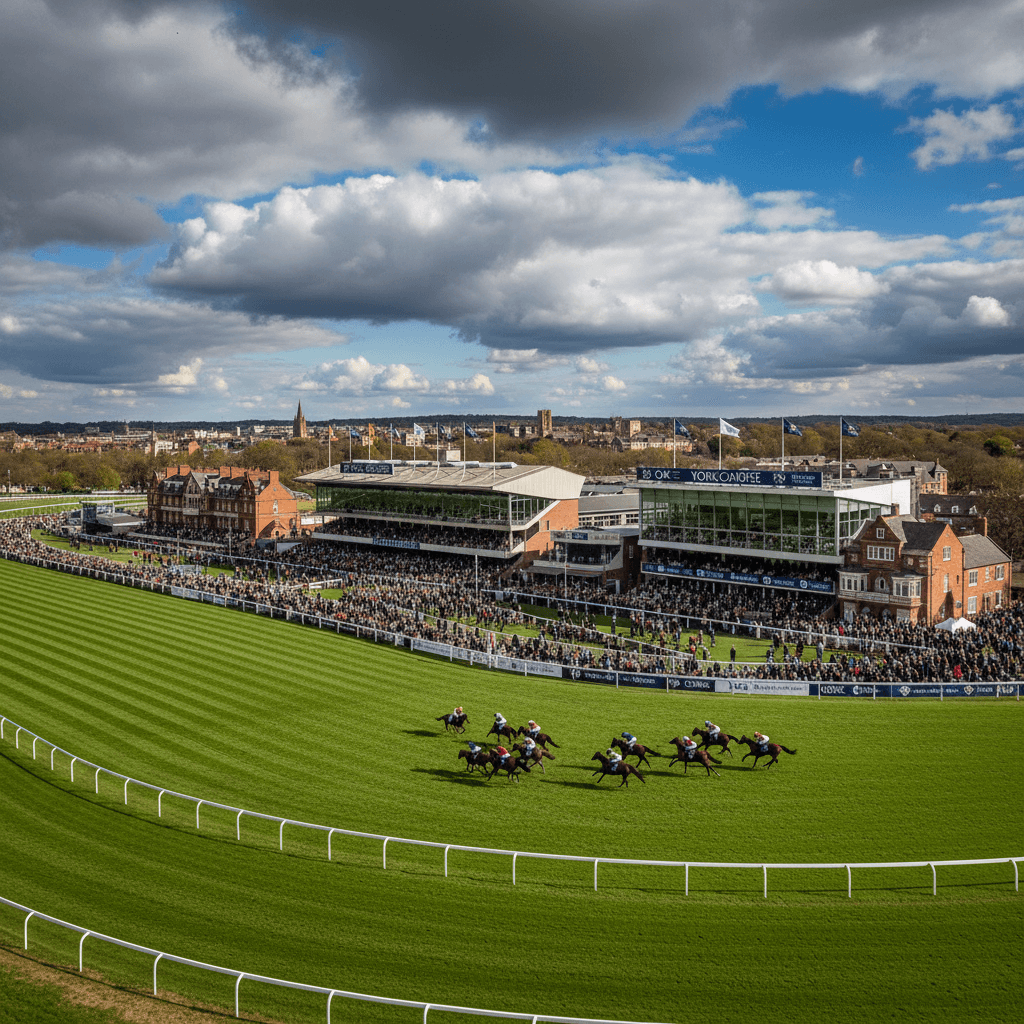
There's something about the York racecourse that gets under your skin. Maybe it's the sheer scale of the place — that wide, sweeping Knavesmire giving you the sense that you're watching racing as it was always meant to be seen. Maybe it's the city itself, with the Minster peering over the rooftops in the distance. Or maybe it's simply that York does everything properly, from the quality of the racing to the quality of the pie. Whatever it is, a week with three fixtures on the Knavesmire is a week worth paying attention to.
Racing at York dates back to Roman times, with the modern course formally established in the 1730s. Nearly three centuries of flat racing have taken place on this ground, and you can feel that weight of history on a warm July afternoon. This week, we get three bites of the cherry — and with good to firm conditions across all three days, the racing should be quick, competitive, and thoroughly enjoyable.
This Week's Fixtures at a Glance
York has a busy week ahead with afternoon flat racing on Wednesday 8 July, Friday 10 July, and Saturday 11 July. Here's a quick summary of what to expect:
- Wednesday 8 July — 6 races, afternoon. Going: Good to Firm (soil moisture 36). A slightly shorter card to ease us into the week.
- Friday 10 July — 7 races, afternoon. Going: Good to Firm. The whole course has been terra spiked since the last meeting, which should help with surface consistency and drainage.
- Saturday 11 July — 7 races, afternoon. Going: Good to Firm. Another full card with the course again terra spiked. Saturday racing at York always draws a big, enthusiastic crowd, so if you're thinking of attending, get there early.
The consistent good to firm going throughout the week is significant, and we'll come to what that means for your betting in a moment. The terra spiking on Friday and Saturday is a groundskeeping technique that aerates the surface, keeping it safe and consistent even in dry conditions — a mark of the professionalism York's team bring to maintaining what is genuinely one of the best racing surfaces in the country.
Understanding the York Track
If you're new to betting on York, or you've been having a punt without quite knowing what you're looking for, let me walk you through the key characteristics of the Knavesmire — because understanding the track is half the battle.
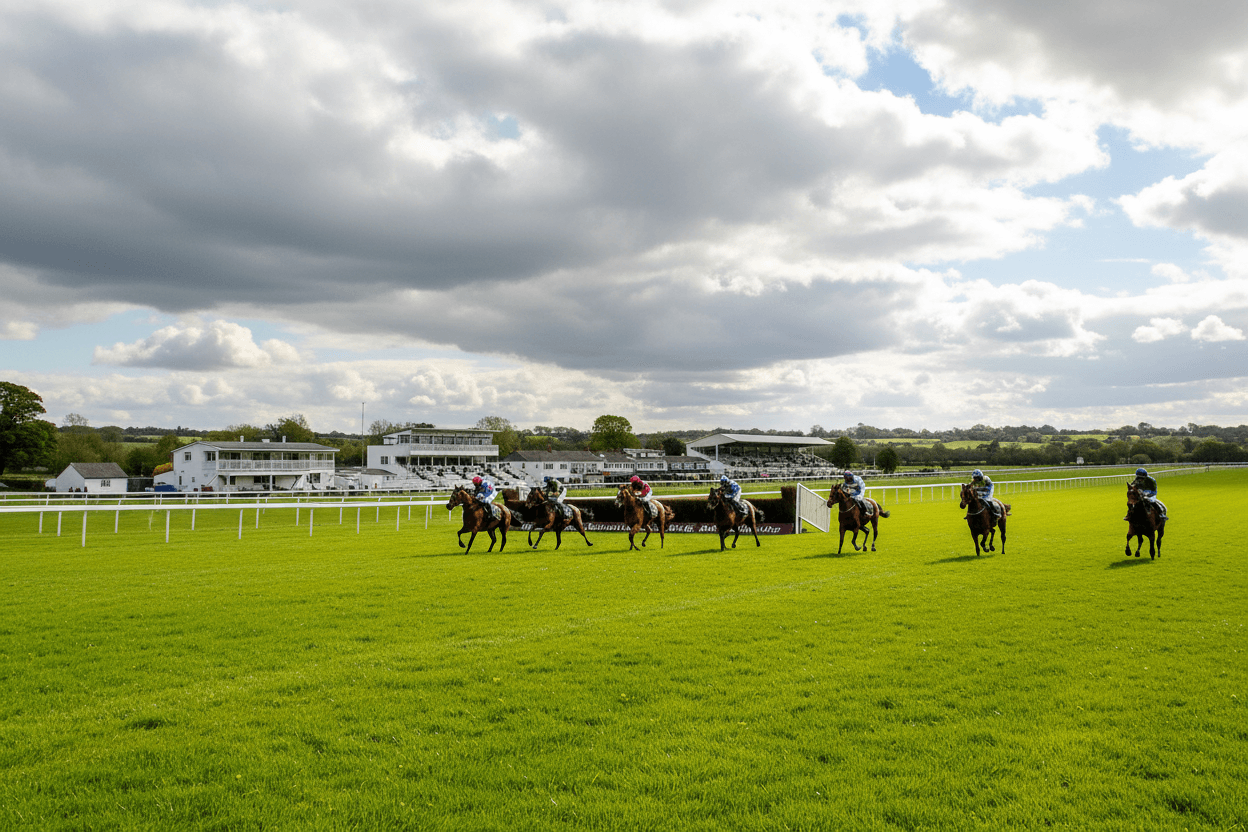
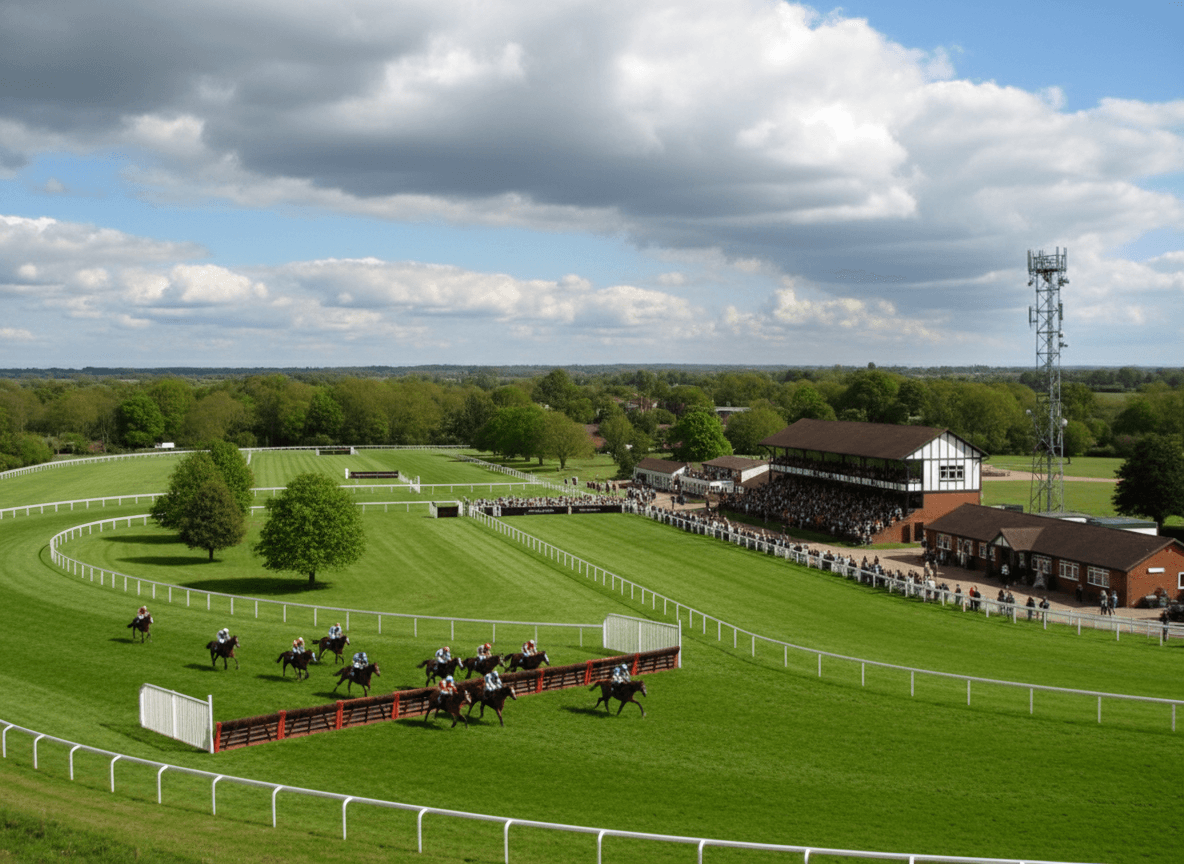
York is a left-handed, essentially oval course with a long, sweeping home straight that gives horses plenty of room to find their stride. This is not a tight, turning track where scrimmages happen and luck plays a big part. York rewards genuine ability, and that's one of the reasons the racing here is so well-respected.
Draw Bias
This is the big one at York, and it's something every punter should have in the back of their mind. In sprint races — particularly over five and six furlongs — a high draw is generally considered advantageous, especially on good to firm ground when the going on the stands' rail tends to ride faster. With good to firm conditions across all three days this week, keep a close eye on the draw in any sprint on the card. A horse with a low draw in a big-field sprint at York faces a tougher task, and that's worth factoring into your thinking.
Over longer distances, the draw becomes less of a factor as horses have time to find their position, but in sprint handicaps with large fields, it can be decisive. Don't ignore it.
Pace and Running Style
York's long straight rewards horses that can travel smoothly through a race and pick up in the final two furlongs. Horses that need to be produced with a late, dramatic burst often find the straight not quite long enough to reel in those who've been ridden more conservatively. Front-runners and prominent racers with genuine stamina for their distance tend to do well here — they get into a rhythm, they're not stopping, and they've got the rail or the room to hold on.
Conversely, horses that need to be held up at the back of the field can find it difficult, particularly in smaller fields where a strong pace isn't always guaranteed. In those races, watch the early splits — if it's a slowly-run affair, the hold-up horses are often playing catch-up.
What Type of Horse Thrives at York?
Given everything above, the profile of a horse well-suited to the Knavesmire looks something like this:
- A genuine galloper — York's wide, flat track suits horses with a long, powerful stride. Compact, nimble types who excel on tighter tracks can struggle to reproduce their best form here.
- A horse that handles quick ground — With good to firm conditions this week, you want horses whose form figures on similar going are solid. Check the going preference on any form guide before committing.
- A horse drawn high in sprints — As discussed, in five and six-furlong races especially, that high draw is a real asset this week.
- A horse with a proven record at the track — Course form matters everywhere, but particularly at York. Horses that have run well here before often go well again. It's a track that suits certain types, and if a horse has shown it before, take note.
Practical Tips for the Week
Whether you're heading to the Knavesmire in person or having a sensible few quid on from the sofa, here are a few things worth keeping in mind this week.
If you're attending: Saturday will be the busiest day by some distance. York is a proper day out and it draws the crowds — arrive early, especially if you're driving, and give yourself time to walk the course and get a feel for the ground before racing begins. The facilities at York are excellent, but they fill up fast on a summer Saturday.
If you're betting: Good to firm ground at York tends to produce fast times and often favours the market leaders — exposed, proven horses who've shown their best on quick going. Be wary of backing horses who've only run on softer ground, even if the form looks good on paper. The surface here this week will be lively, and horses need to handle it.
Also, with terra spiking having taken place across the whole course ahead of Friday and Saturday, the ground should be consistent from rail to rail — which is worth knowing if you're trying to assess whether a wide draw is truly advantageous or whether the ground might have dried unevenly.
Finally, don't overlook the Wednesday card just because it's the smaller of the three. Six races on a Tuesday-to-Wednesday meeting at York can throw up some lovely betting opportunities, often with smaller fields and clearer form to assess. Check the full Wednesday racecard before you dismiss it.
A Week Worth Savouring
Three days of flat racing at York in July, on good to firm ground, with long summer afternoons ahead — honestly, it doesn't get much better than this for the everyday punter. The Knavesmire is a course that rewards those who take the time to understand it, and I hope this guide gives you a bit of a head start.
Whether you're going racing for the first time or you've been following the Knavesmire for years, there's always something to enjoy at York. Take your time with the form, respect the draw in those sprints, and back horses that you know can handle quick ground. Do that, and you'll give yourself a fighting chance.
Good luck this week — and if you're heading up to North Yorkshire, give the city a wander while you're at it. The racing's brilliant, but York itself isn't bad either. My grandfather would have agreed on that one too.