A Stage That Needs No Introduction
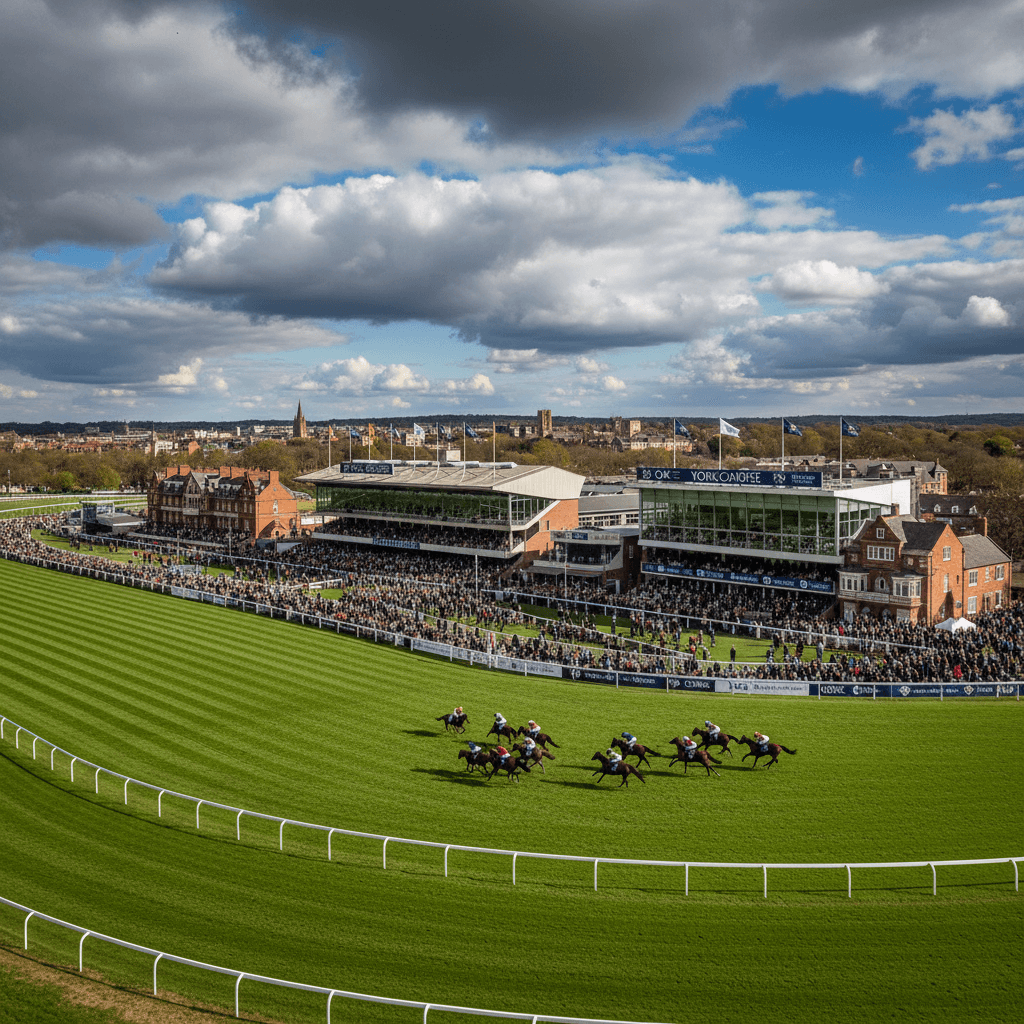
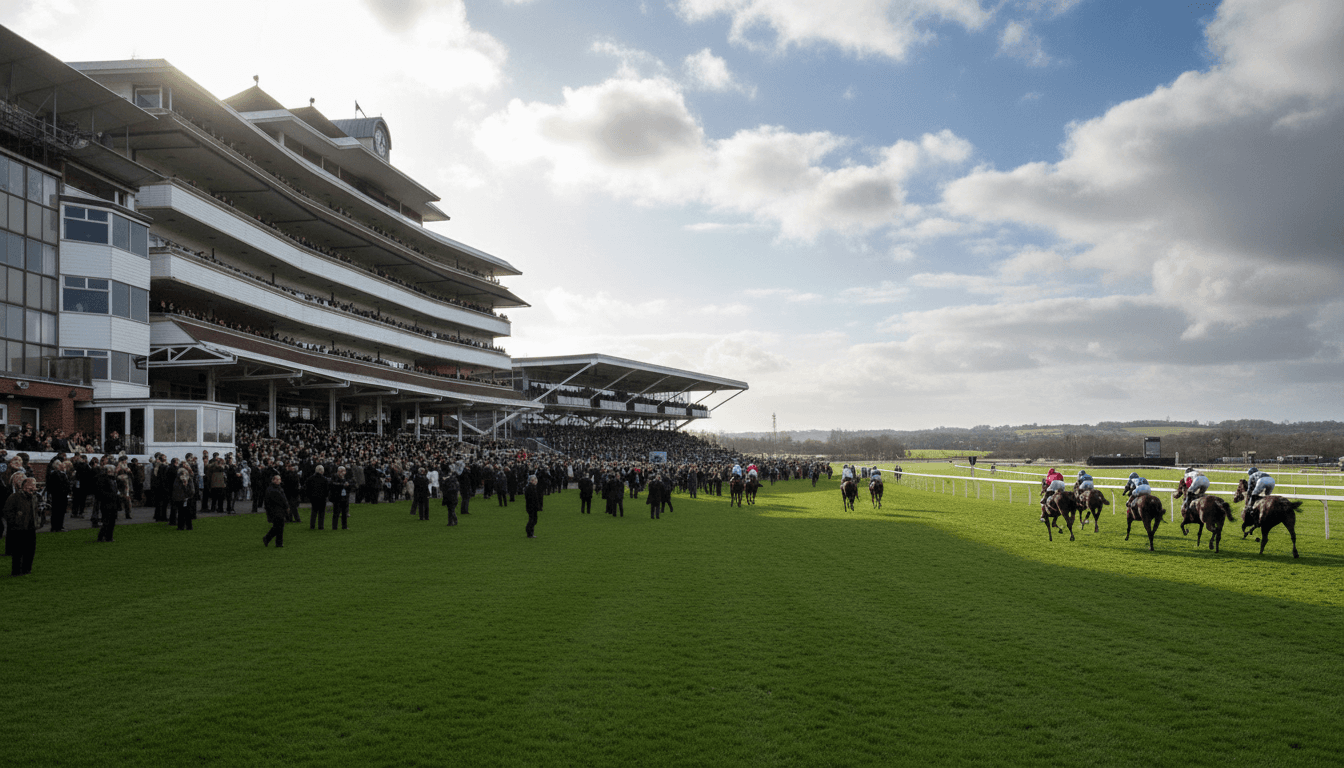
There are racecourses, and then there is Ascot. The distinction matters. Most tracks are venues; Ascot is an institution — one woven so deeply into the fabric of British life that even people who have never watched a race in their lives know its name. Queen Anne founded it in 1711, and in the three centuries since, it has accumulated a weight of history that few sporting arenas anywhere in the world can rival. The grandstand may have been rebuilt, the prize money may have grown beyond all recognition, and the fashion may have evolved in ways that would baffle its founders, but the essential character of the place endures. It is serious about its racing.
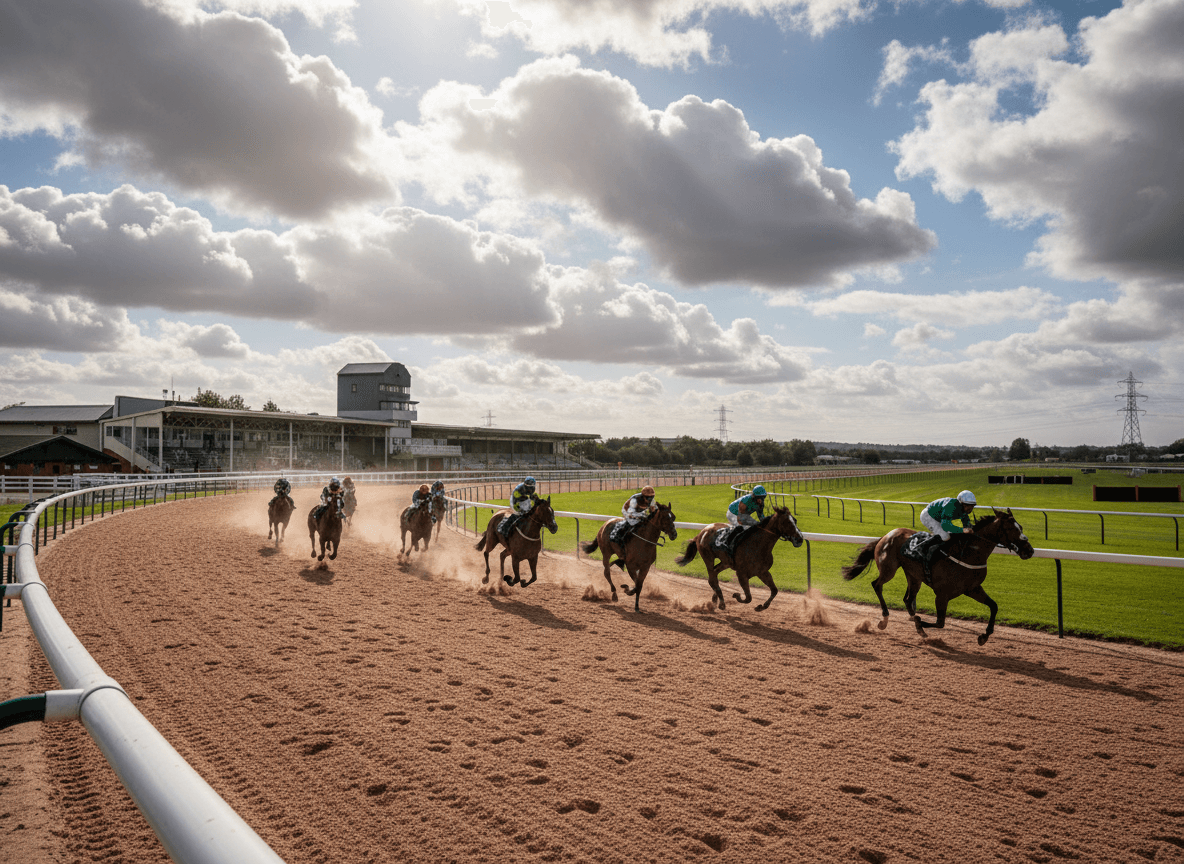
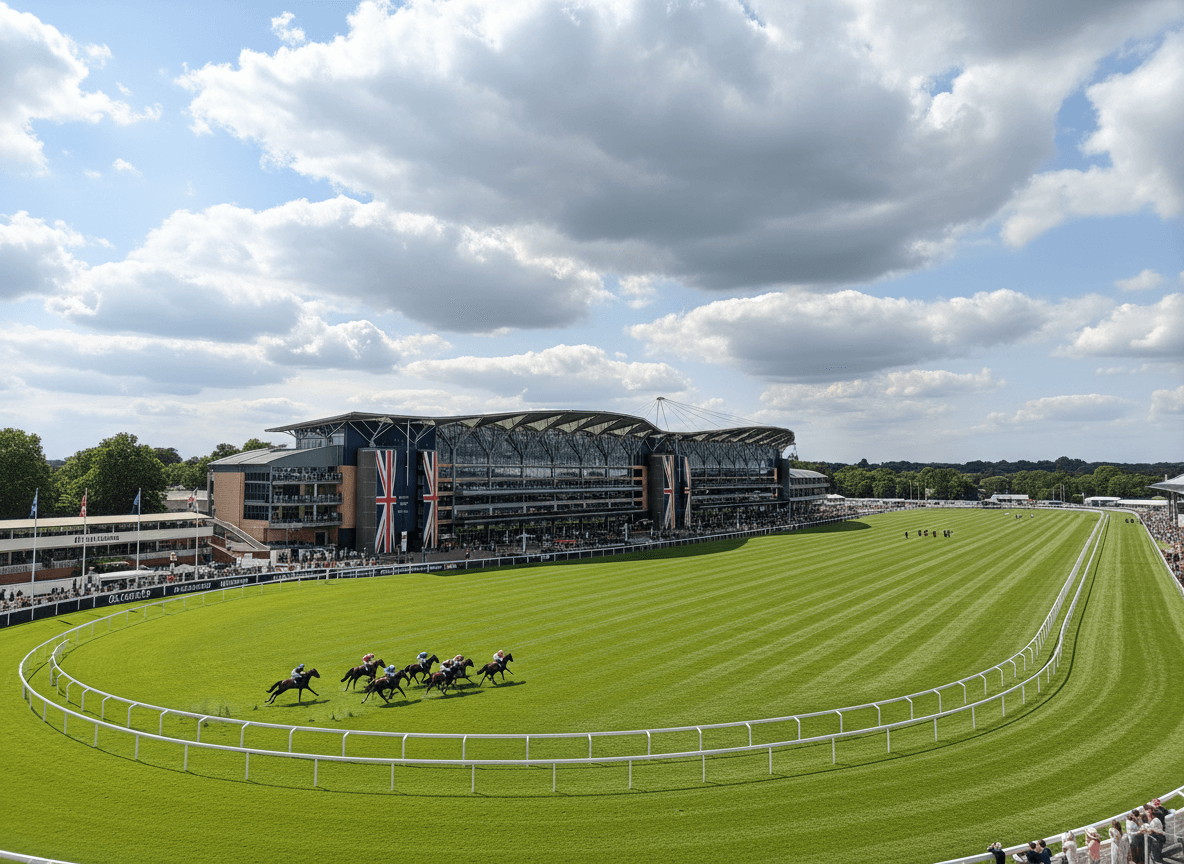
That seriousness is felt in the track itself. Ascot does not flatter the ordinary. Its right-handed, triangular layout demands stamina, balance, and a willingness to travel into a contest rather than simply be placed in one. The long, uphill finish — particularly pronounced on the straight mile — separates horses with genuine resolution from those who merely look the part in the preliminaries. Come here with a horse that idles when the pressure is off and the track will find you out. Come here with one that quickens into a rising gradient and you may find yourself watching something memorable.
This Week's Fixtures: Friday and Saturday in July
Ascot stages two afternoon Flat meetings this week, and the summer schedule offers a rather different flavour from the Royal Ascot circus that swept through in June. The crowds will be smaller, the atmosphere a little more relaxed, and the racing — freed from the obligation to perform for a global audience — often quietly excellent.
Friday, 10 July brings a six-race card under afternoon conditions, with the going reported as Good to Firm, Good in places. You can view the full Ascot Friday, 10 July 2026 racecard for entries and market moves as they develop through the week.
Saturday, 11 July steps up to seven races, again in the afternoon, on the same going description. Saturday cards at Ascot in midsummer tend to attract stronger fields — trainers are more willing to supplement or run horses they have been pointing at a summer target, and the prize money at this track, even outside the flagship meetings, commands respect. The full Ascot Saturday, 11 July 2026 racecard is worth studying carefully once declarations are confirmed.
Good to Firm ground with Good patches is, in many ways, the ideal summer surface at Ascot. It rewards horses with a clean action and genuine pace, without the unforgiving jar of pure fast ground that can make trainers think twice about running their better animals. If the going holds through both days — and the forecast will be worth monitoring — expect competitive fields and genuine form lines to emerge.
Reading the Track: What Ascot Asks of Its Runners
Understanding Ascot's geometry is essential before you begin studying form. The course is right-handed and broadly triangular in shape, with three distinct sections that test different qualities depending on the distance being run.
The Straight Mile
The straight course — used for five-furlong and one-mile contests — is perhaps the most demanding straight track in British Flat racing. It rises steadily throughout, with the final two furlongs particularly punishing. Horses who race prominently here and get first run have a meaningful advantage, because catching a leader on this gradient requires genuine sustained effort. Pace bias is significant on the straight course: front-runners and prominent racers have a strong record, particularly in sprint distances where the field has less time to regroup. High draws have historically been favoured in larger fields on the straight, as horses on the stands' rail tend to get a cleaner run, though this is worth checking against current ground conditions and field size on the day.
The Round Course
Races run on the round course — from six furlongs on the Old Mile to distances beyond — incorporate Swinley Bottom, the lowest point of the track, before the long climb back to the finish. This configuration rewards horses with stamina reserves and the ability to travel smoothly through a race rather than expending energy early. Horses that race keenly or pull hard in the first half tend to find very little left when the track turns uphill. A settled, relaxed galloper with a powerful stride is the archetype of the Ascot round-course winner.
Draw Considerations
On the round course, low draws carry a slight advantage in races up to around ten furlongs, as horses drawn wide can find themselves racing wide around the sweeping left-hand bend into the straight. In sprint fields on the straight course, the stands' side — typically higher stall numbers — has shown a bias in recent seasons, though this can shift depending on where the ground rides best. Always check for any rail movements before racing begins, as Ascot's groundstaff are diligent about protecting the going and will move the track if conditions require it.
The Type of Horse That Thrives at Ascot
Ascot is not a course for the faint-hearted or the fragile. The horses that win here consistently tend to share a handful of qualities. They are well-balanced and athletic, capable of handling the camber through the bends without losing their action. They stay their trip comfortably — not just adequately — because the uphill finish demands that there is something left in reserve. And they tend to have a good cruising speed rather than a single sharp burst: the track rewards horses that can sustain their effort over the final quarter-mile rather than those who produce a brief, dazzling acceleration.
In terms of bloodlines, the great middle-distance sires tend to produce well here. Horses by Frankel, Dubawi, and Galileo-line stallions have strong records at the track, as do the progeny of sires who themselves excelled at Ascot. It is worth noting connections when studying the card — horses trained by yards with strong Ascot records (Stoute, Gosden, O'Brien among them historically) and those bred for this type of ground and gradient deserve a second look even when the market is not immediately generous.
Practical Tips for Racegoers and Punters
- Arrive early on Saturday. Even outside the flagship meetings, Ascot's Saturday cards draw a crowd, and the paddock — one of the finest in the country for pre-race inspection — gets busy before the first race. Watching horses move in the paddock and canter to post on this track is genuinely informative; look for horses that move fluidly and carry themselves well rather than those that look tense or tight in their action.
- Watch the market moves on Friday. Six-race cards at Ascot often feature horses that are lightly raced and open to significant improvement. Significant stable-confidence moves in the hour before racing are worth noting, particularly in handicaps where the trainer knows more than the form book reveals.
- Respect the pace angle. On Good to Firm ground, races on the straight course can be won from the front. If a horse has strong pace figures and is likely to be allowed a soft lead, the uphill finish becomes less of a concern — it becomes an asset, because it stretches the field and eliminates the late challenge.
- Check for ground preferences carefully. Good to Firm with Good patches means variability. A horse who has run well on Soft and never encountered quick ground is a risk here, regardless of class. Conversely, a horse with a clear preference for a sound surface and a good action on top-of-the-ground conditions moves up significantly in the calculations.
- Don't overlook the each-way market in competitive handicaps. Ascot's long straight and the tendency for races to spread across the track means that placed horses often come from unexpected positions. In fields of twelve or more, each-way value can be found at mid-to-longer prices in horses drawn to get a clear run.
A Final Word
There is something about returning to Ascot in midsummer, after the Royal meeting has packed up and moved on, that feels like having a great house to yourself for the weekend. The grandeur is still there — the architecture, the sightlines, the sense that this place was built to watch great horses run — but the pressure lifts, and what remains is simply good racing on a fine track.
This week's two fixtures won't carry the weight of Royal Ascot, but they will carry the weight of the course itself, and that is considerable. Study the Friday card and the Saturday card with care, respect what the track asks of its runners, and you will find more than enough to reward the attention. Ascot always does.