A Theatre That Never Quite Leaves You
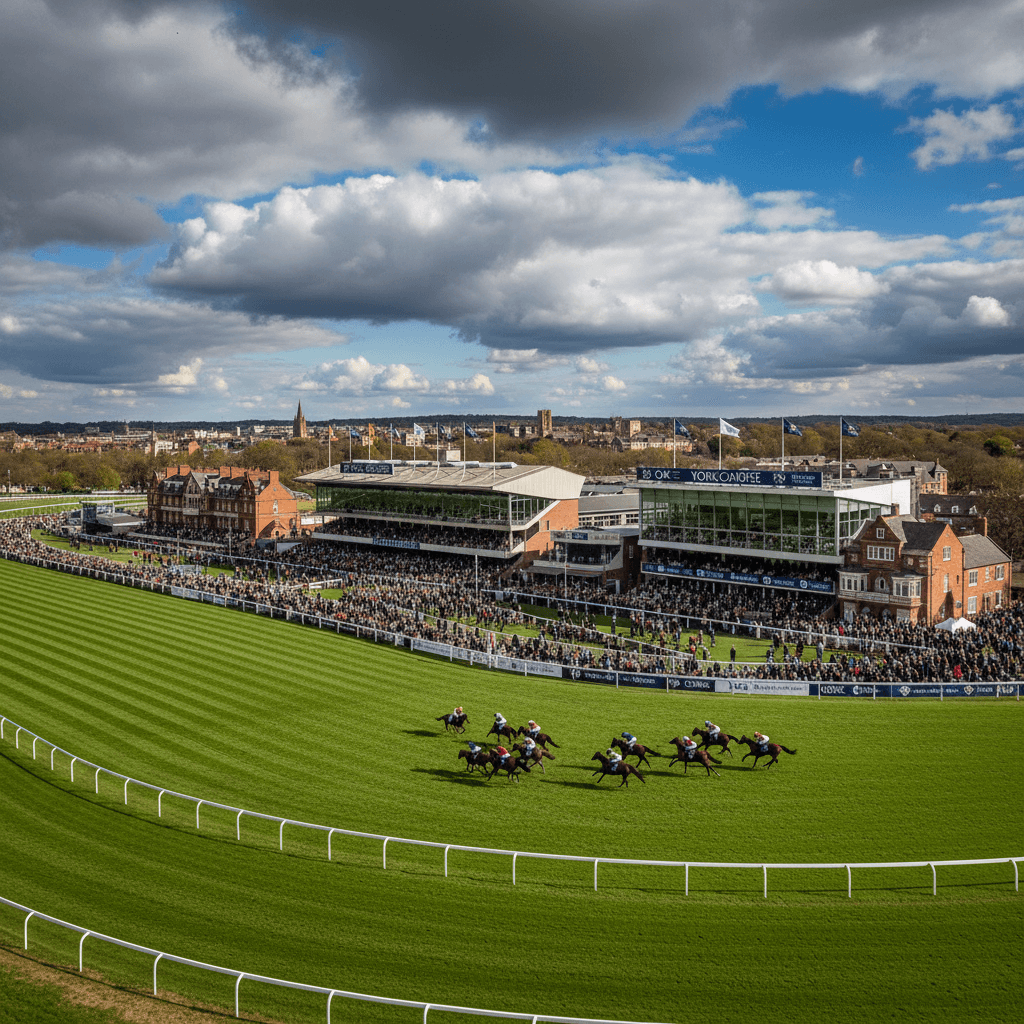
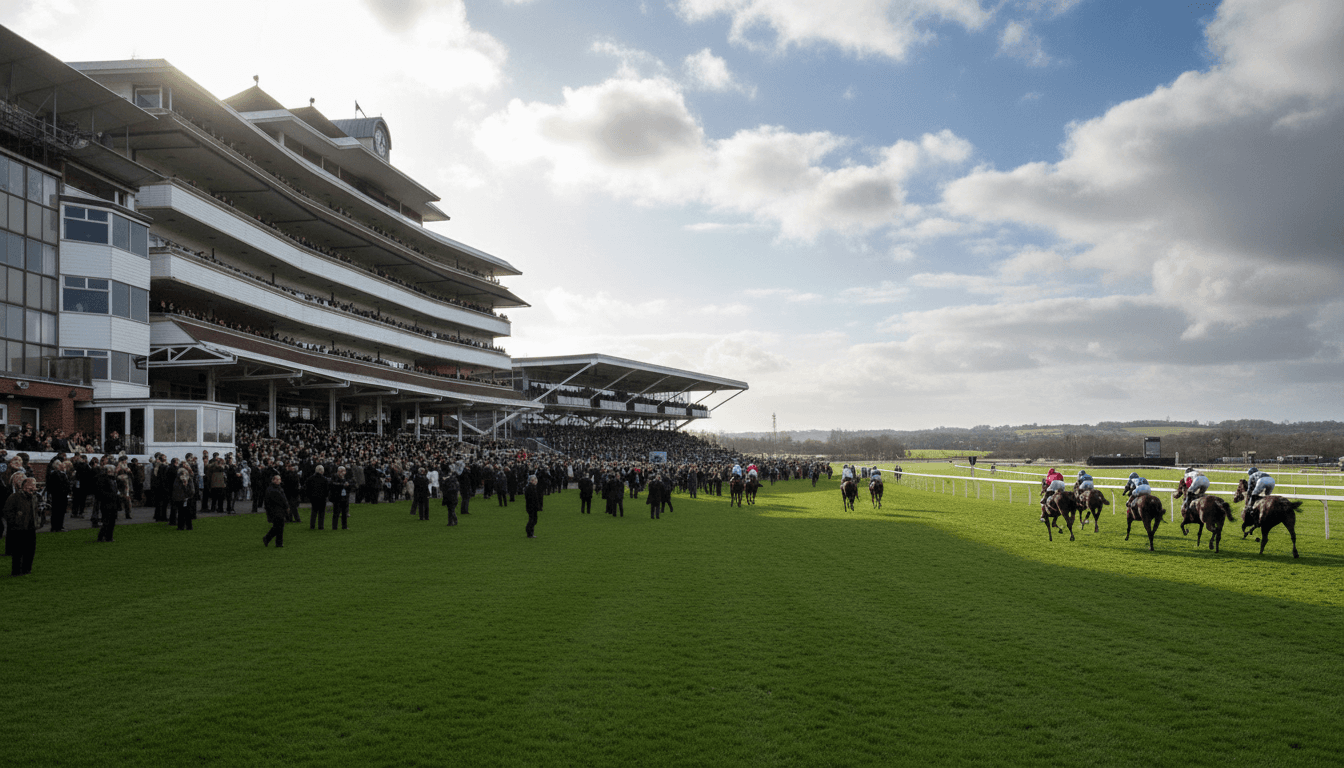
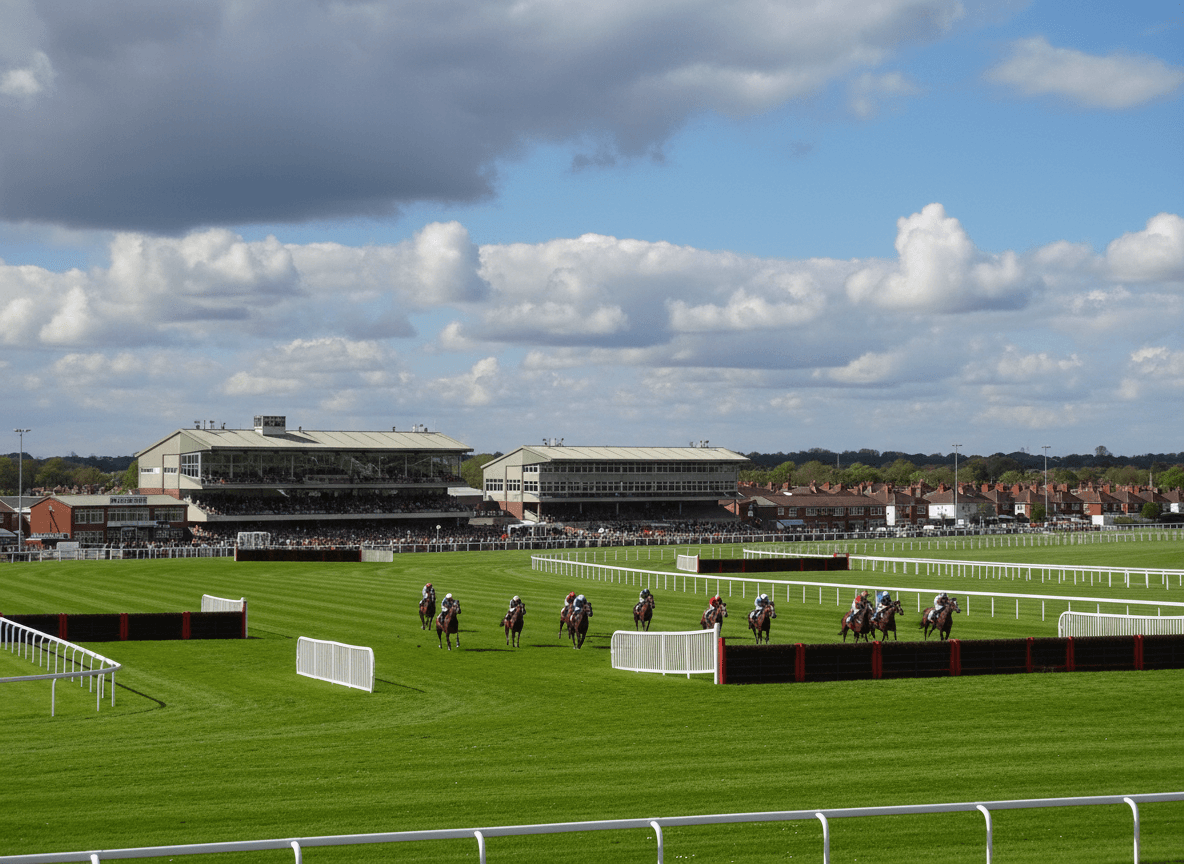
There are racecourses, and then there is Aintree. To arrive here in the quieter months — without the roar of a Grand National crowd, without the television gantries and the bunting and the collective held breath of a nation — is to see the place in its truest form. The old stands still carry their weight of memory. The track stretches out, vast and unhurried, and you find yourself thinking, almost involuntarily, of Becher's Brook, of Red Rum, of the peculiar way this corner of Merseyside became one of sport's most enduring addresses.
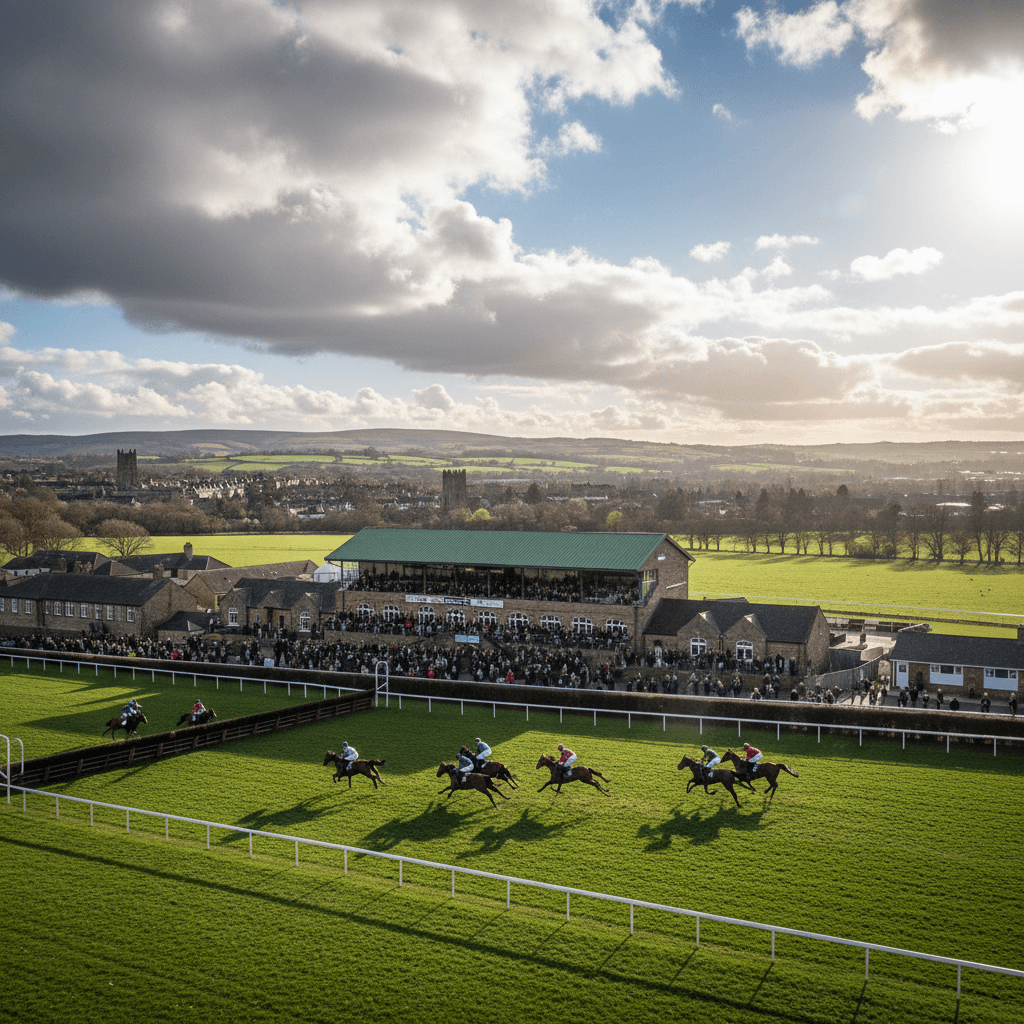
But Aintree is not merely a museum. It is a working racecourse, and this weekend it turns its attention to the summer Flat — a different kind of racing, a different kind of scrutiny, and one that rewards a different kind of preparation. Two afternoon fixtures, on Sunday, 5 July and Monday, 6 July, bring seven races apiece to this extraordinary venue. For those who know where to look, there is plenty to find.
The Fixtures: What to Expect This Weekend
Both days are afternoon cards, each carrying seven races across the Flat. Sunday's going is recorded as Good, with ground moisture sitting at 29% — a reading that suggests a surface with a little give underfoot, neither quick enough to suit the most fragile of speedsters nor testing enough to inconvenience horses that travel well on a sound surface. By Monday, the going is again Good, and with no significant rainfall forecast in the interim, conditions are likely to remain consistent across the two days.
This is, in many respects, ideal summer Flat ground. Horses that have been campaigned through the spring will be well-suited to it, and trainers with runners in form should be confident that the surface will not conspire against them. For the racegoer, it means firm footing underfoot and the kind of clean, true racing that lets the best horse win — which is, after all, the point.
You can find full details on our Aintree course page, and the racecards for both days are already live for those who like to plan ahead.
Reading the Track: Characteristics and Draw Considerations
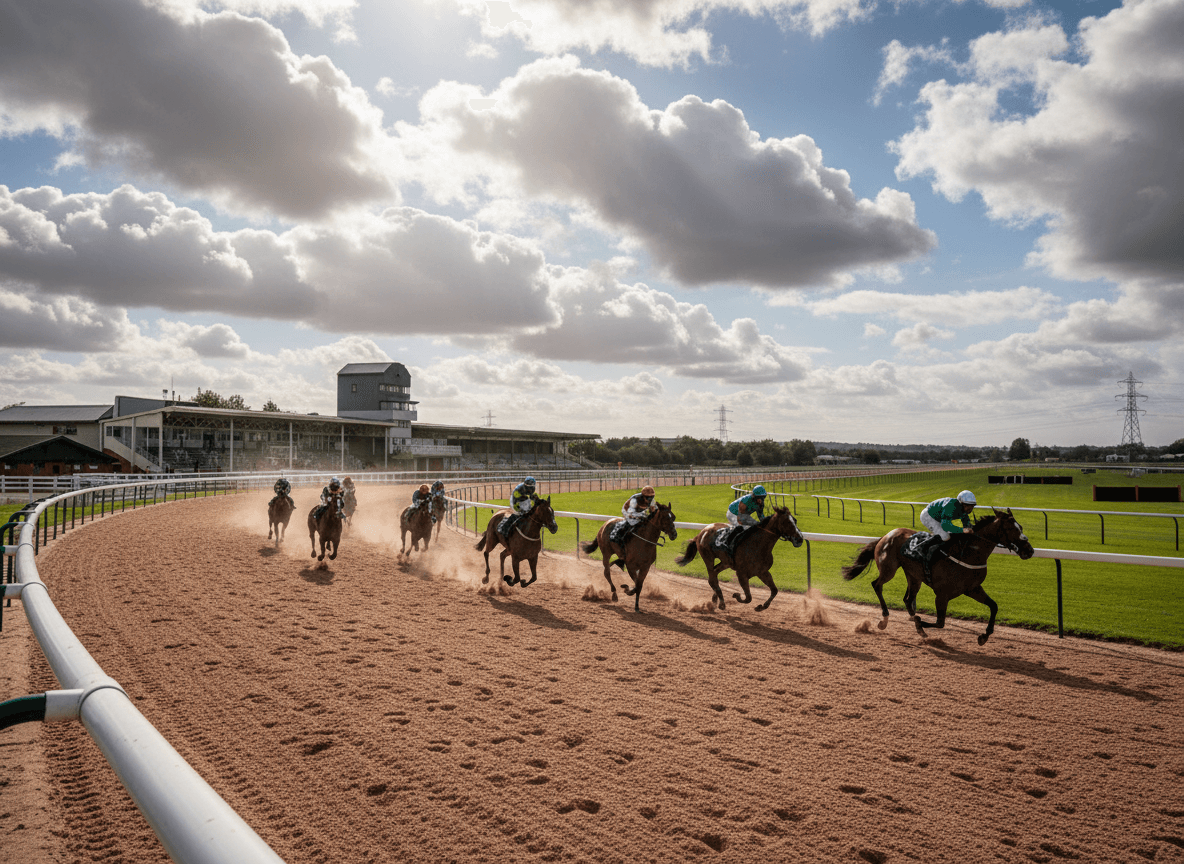
Aintree's Flat course is one of the less-discussed layouts in the northern calendar, and that relative anonymity is, in itself, useful intelligence. The track is essentially flat — the clue, of course, is in the name — and broadly triangular in shape, which produces a course that is fair to most types of horse but does contain a few subtleties worth understanding before you commit your money.
Straight Courses and Early Position
On the shorter distances, where the race is run predominantly on the straight, early pace and clean air matter enormously. Horses that break well and establish a position without burning unnecessary energy in the first furlong tend to hold their advantage more reliably here than on tracks with pronounced undulation. Jockeys who are patient but decisive in the opening stages tend to thrive.
Draw Bias
Draw bias at Aintree on the Flat is worth treating with a degree of nuance. On good ground over sprint distances, low-to-middle draws have historically shown a marginal advantage — not a dramatic skew, but enough to tip the balance when two horses are otherwise evenly matched. Over longer trips, where the field has time to find its natural order, the draw becomes progressively less significant. As always, field size is the key variable: in smaller fields, any positional advantage is diluted; in larger, more competitive handicaps, it can be decisive.
Pace Scenarios
Aintree's flat, true surface means that genuine front-runners are not automatically disadvantaged, but neither are they guaranteed a soft lead. The track does not punish closers in the way that a stiff, uphill finish might — there is no Ascot hill, no Goodwood undulation to blunt the pace horse's momentum late on. Races here tend to be decided by class and condition as much as by tactical positioning, which is a useful frame when assessing the form.
The Type of Horse That Thrives at Aintree
On good ground over the Flat at Aintree, certain profiles recur with enough regularity to be worth committing to memory.
- Straightforward gallopers — horses with an uncomplicated action that travels well on a sound, flat surface. They do not need the track to do them favours, and Aintree rarely does them disservice.
- Horses in form — the track is fair enough that in-form horses tend to run to their marks. This is not a venue where you expect the course to dramatically flatter or expose a runner; the ground tells the truth.
- Proven northern performers — Aintree sits firmly within the northern circuit, and horses trained by yards with a strong record at tracks like Haydock, Chester, and Musselburgh tend to arrive here in the right physical condition for the demands of the summer Flat.
- Horses with a relaxed temperament — the wide open spaces of Aintree can unsettle more highly-strung individuals. A horse that settles kindly, travels within itself, and picks up on request is always preferred here.
It is also worth noting that Aintree's summer Flat cards often attract horses dropping in class from bigger handicaps, or lightly-raced types stepping up in trip for the first time. Both profiles are worth tracking through the racecard — the former for reliability, the latter for potential.
Practical Tips: Attending and Betting at Aintree This Weekend
Whether you are making the trip to Merseyside or following from home, a few practical considerations will sharpen your approach.
- Arrive early. Aintree's parade ring is one of the finest in the north of England, and watching horses in the paddock before the off — assessing their coat, their movement, their demeanour — remains one of the most reliable edges available to the on-course racegoer. On good ground, a horse that is sweating excessively or showing signs of anxiety is worth treating with caution.
- Watch the market moves. Summer Flat cards at Aintree often feature competitive handicaps where stable confidence is the hidden variable. Horses that drift sharply in the market shortly before the off are frequently carrying a reason; those that firm up quietly, without fanfare, are often the ones connections fancy.
- Check the draw late. Stall positions are confirmed close to race time, and on sprint distances in particular, it is worth waiting for the final draw before finalising any selections. A horse you have identified on form grounds becomes significantly more interesting if it also draws favourably.
- Consider the trainer angle. Certain northern yards have a disproportionately strong record at Aintree's summer Flat fixtures. It is worth cross-referencing your selections against trainer statistics at the course before committing.
Full racecards for Sunday, 5 July and Monday, 6 July are available now, with form, draw, and going data all in one place.
A Weekend Worth Savouring
Aintree in July is a quieter, more contemplative version of itself. The Grand National ghosts are still present — you feel them in the geography of the place, in the scale of the fences glimpsed from the Flat course — but the racing this weekend stands on its own terms. Good ground, fair racing, and two afternoons of summer Flat that deserve more attention than they sometimes receive.
Visit our Aintree course page for full historical statistics, trainer records, and going updates as the weekend approaches. Come for the racing. Stay for the place itself.