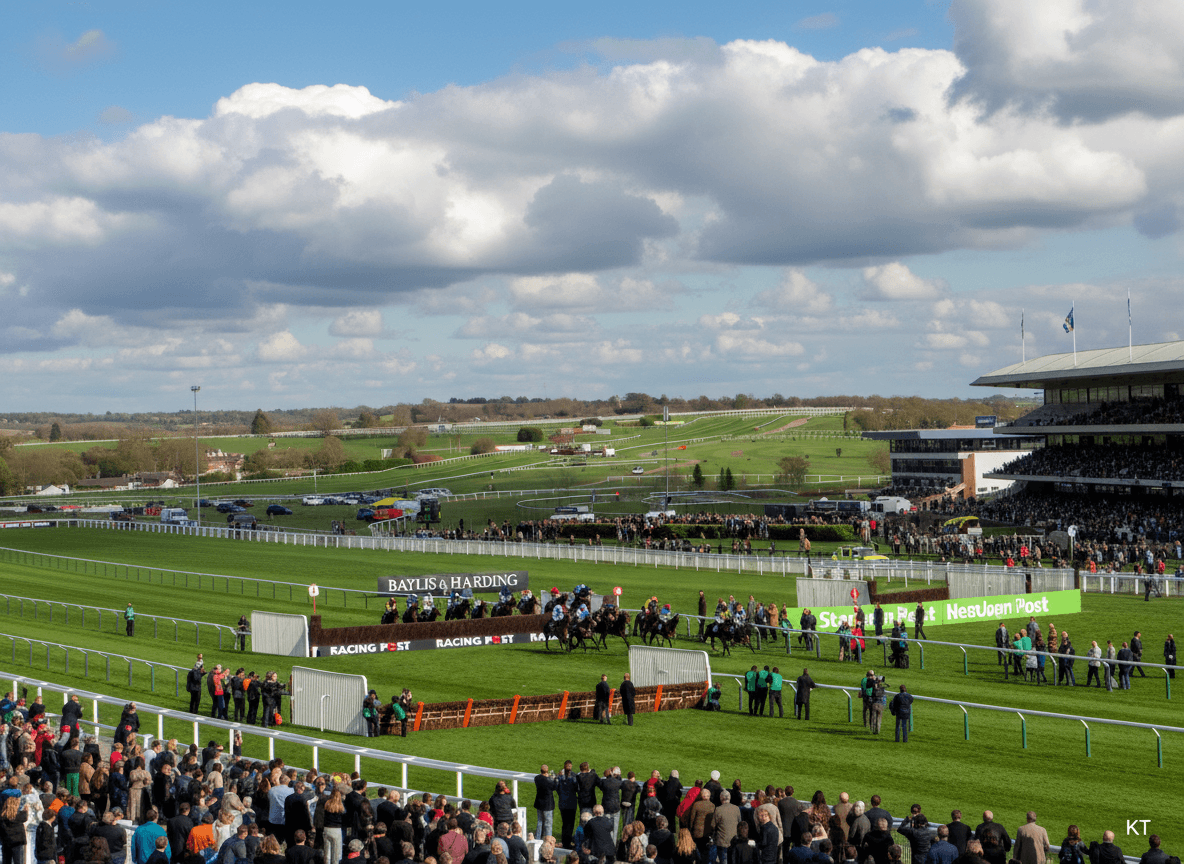
A Stage That Never Quite Loses Its Magic
There are racecourses, and then there is Cheltenham. The two are not quite the same thing. Nestled beneath Cleeve Hill in the folds of the Gloucestershire countryside, Cheltenham carries a weight of history that no other venue in British racing can honestly claim to match. Since 1815, horses and riders have been testing themselves against this unforgiving, undulating circuit — and the course has rarely been kind to those who arrive underprepared.
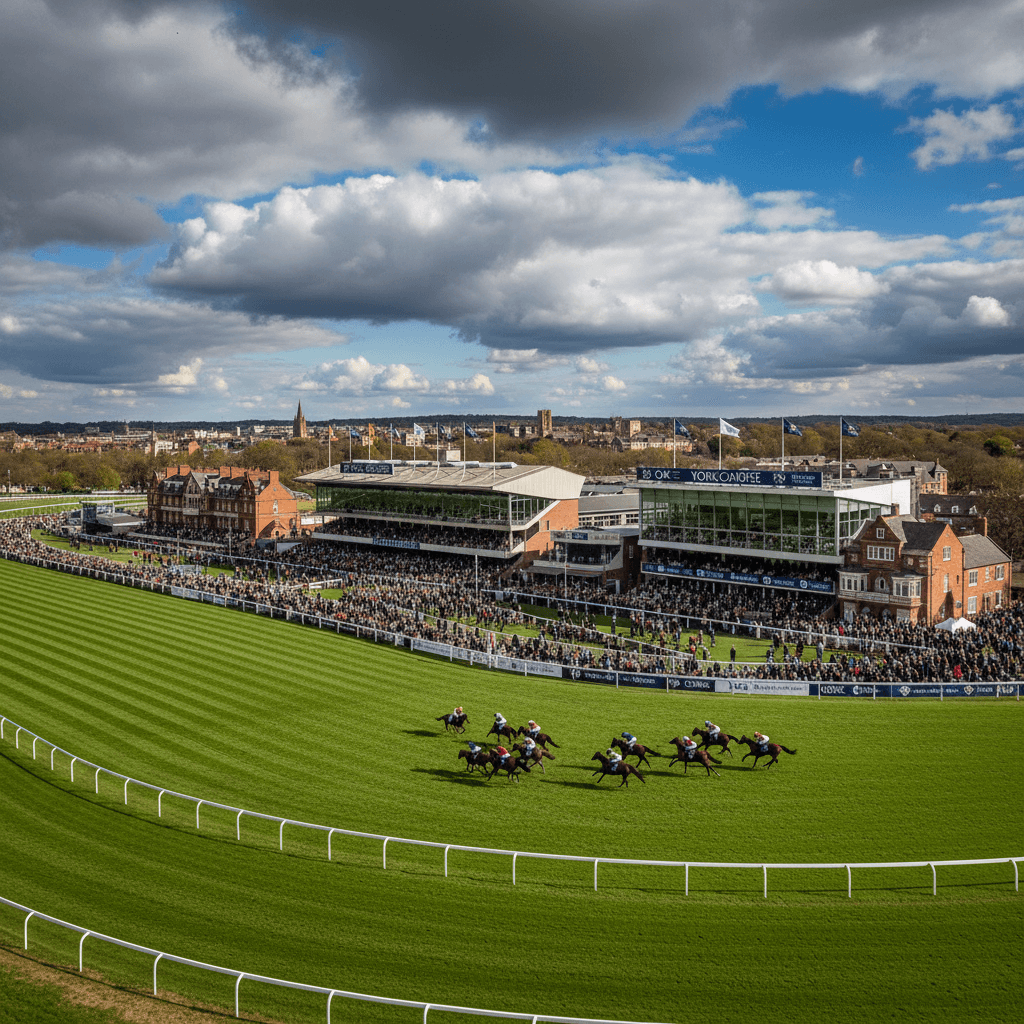
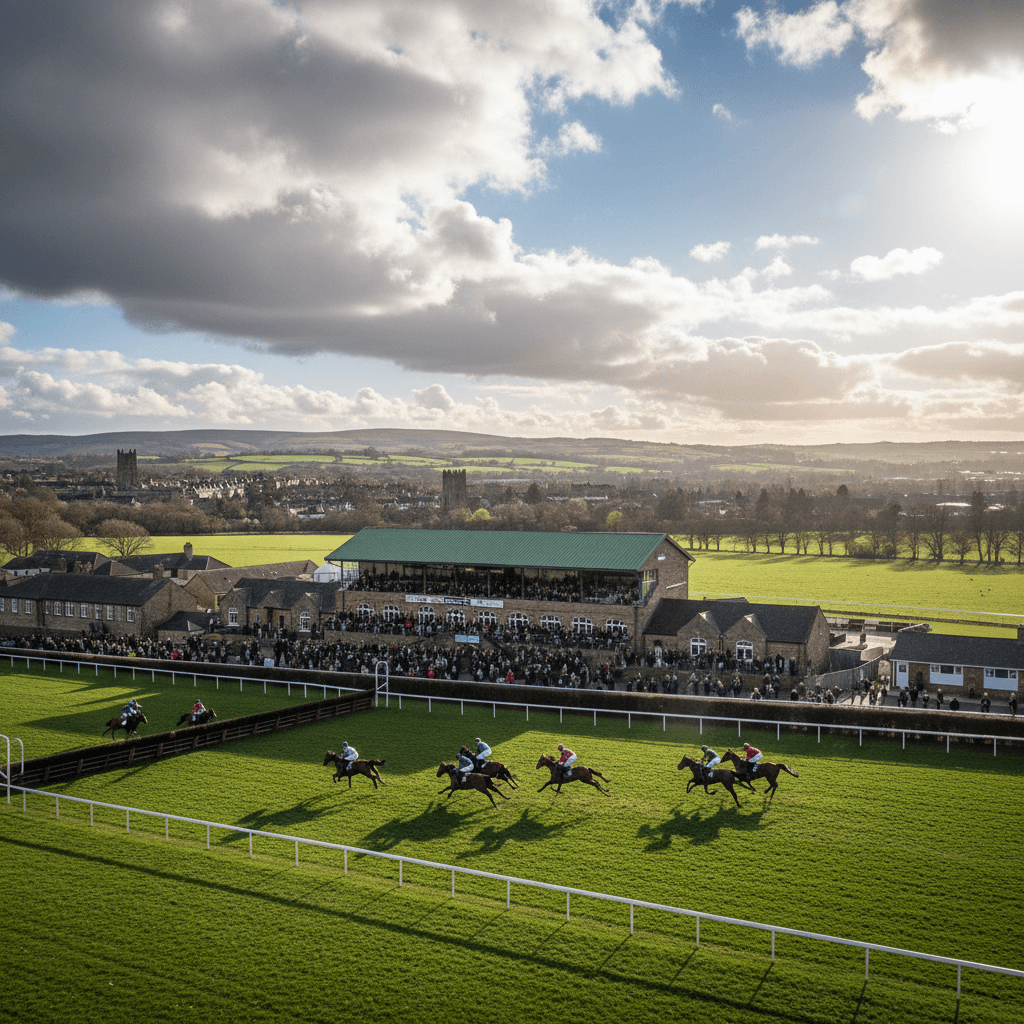
Most racegoers associate Cheltenham instinctively with the roar of a March crowd, the thud of hooves on winter ground, the arc of a chaser over the last fence with everything on the line. The Festival, of course, is the beating heart of the National Hunt calendar — the Gold Cup, the Champion Hurdle, the Queen Mother Champion Chase — races that have produced some of the most indelible moments in the sport's long story. But Cheltenham in July is a quieter, more intimate proposition, and there is something quietly charming about seeing this great amphitheatre dressed in summer colours, the hills rolling green behind the grandstand, the crowds a little lighter, the mood a little easier.
This week, the course turns its attention to the Flat, and it is well worth yours.
This Week's Fixtures: What to Expect
Two meetings are scheduled across the weekend, each with its own distinct character. On Friday 10 July, racing takes place under an evening format across six races — the kind of fixture that suits a relaxed visit, the sun still warm as the later cards go to post. Then on Saturday 11 July, a fuller afternoon card of seven races gives punters and racegoers a more substantial day's sport.
The going is currently described as Good, Good to Firm in places on both days — a surface that rewards horses with a clean, fluent action rather than those who need cut in the ground to show their best. With summer conditions prevailing and no significant rain forecast at the time of writing, the ground is unlikely to ease dramatically. Handlers who have been waiting for a sounder surface will find these conditions to their liking; those with horses that prefer a softer underfoot will be better served waiting for autumn.
You can find the full racecard for Cheltenham Friday, 10 July 2026 and the Cheltenham Saturday, 11 July 2026 on our dedicated pages, where we will be updating with tips and analysis as the week progresses.
Understanding the Cheltenham Flat Track
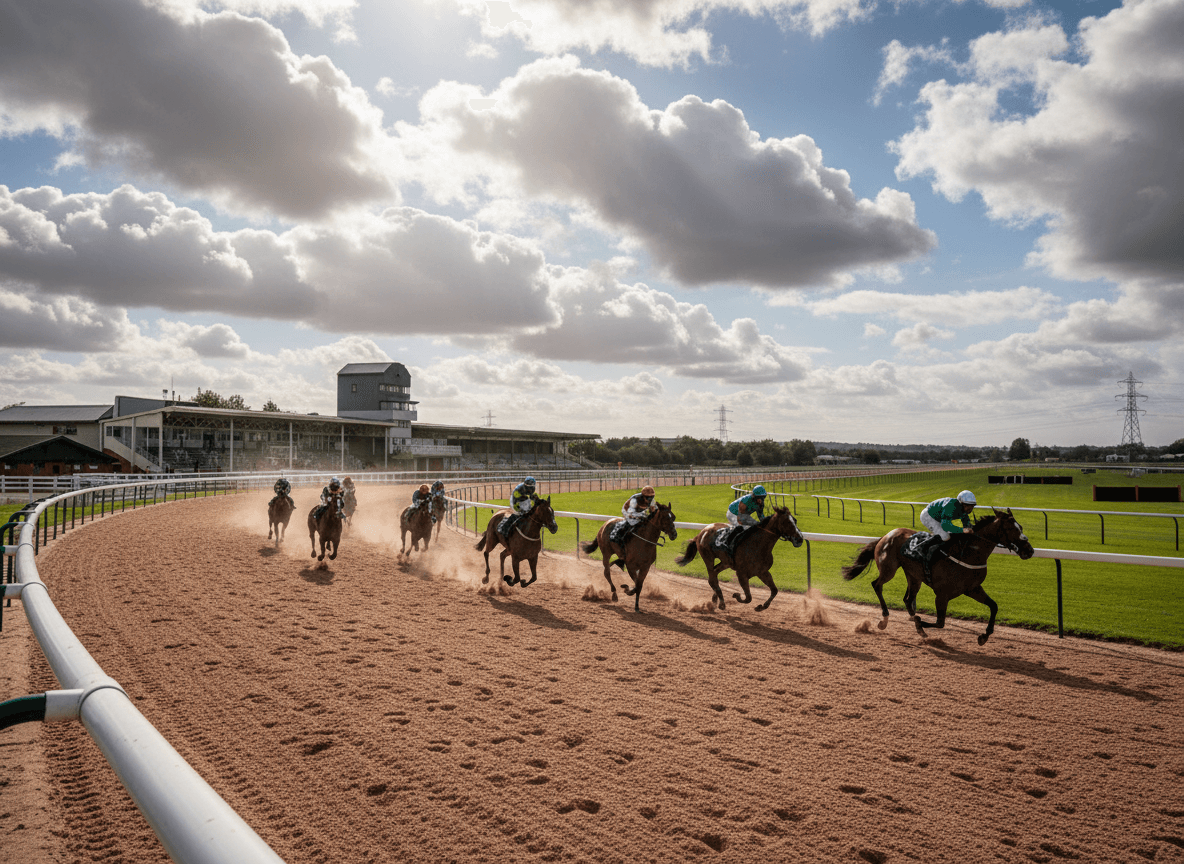
Cheltenham's Flat course is a left-handed circuit, sharing the essential geometry of the better-known jumps layout but presenting its own set of challenges for horses more accustomed to the smoother, more uniform tracks of the classic Flat circuit. The undulations are the defining feature — this is emphatically not a galloping track in the Newmarket or York mould. The rises and dips demand a horse that is balanced and athletic, capable of maintaining rhythm through the changes in gradient rather than simply powering through on raw ability alone.
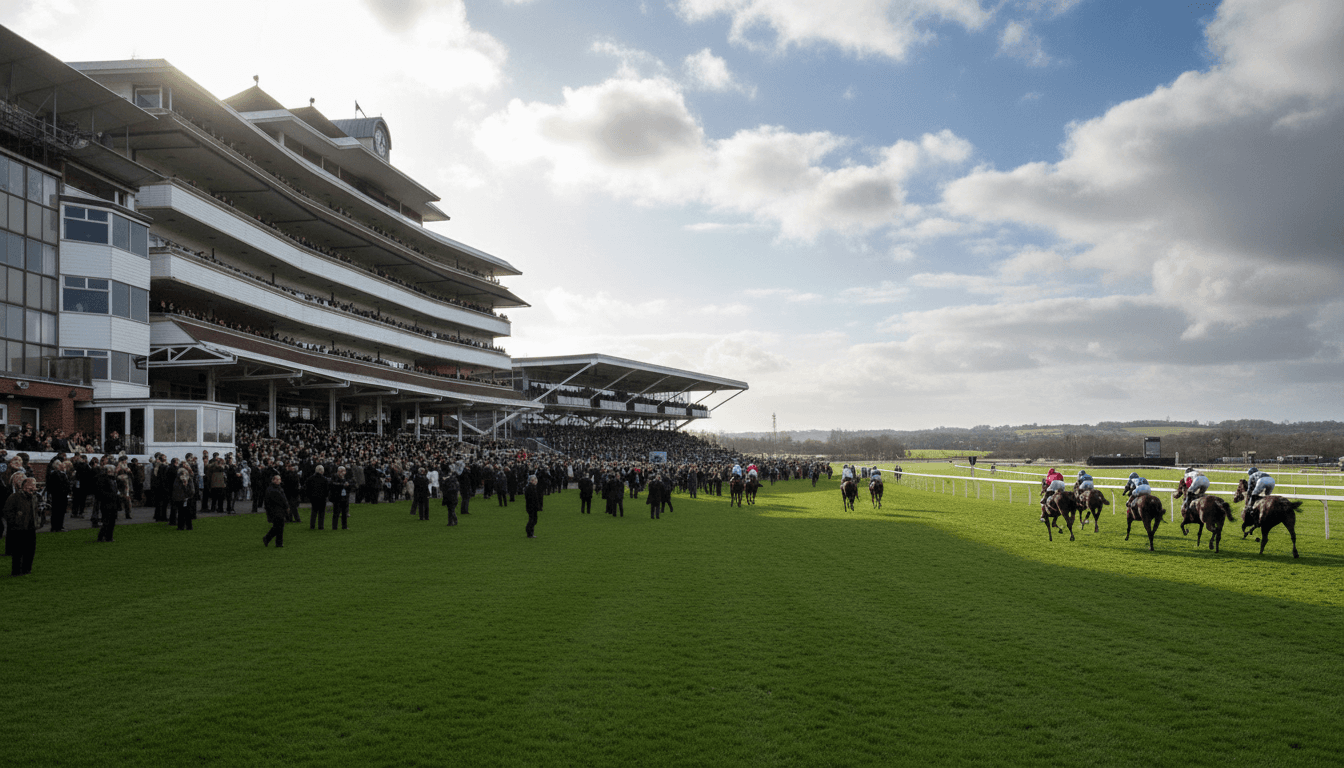
The uphill finish is the most significant factor to hold in mind. It is a stiff, sustained climb to the line, and it finds out horses that have been ridden too aggressively in the early and middle stages. Stamina, even at the shorter Flat distances, is never irrelevant here. A horse that has been produced with something in reserve will almost always outfinish one that has been sent into an early lead and asked to sustain it.
Draw and Pace Considerations
On a left-handed track with a camber and undulations, draw biases at Cheltenham tend to be more nuanced than at a conventional Flat course. In sprint distances, horses drawn in the middle to low stalls have historically found a marginally favourable position, though the relatively small field sizes that characterise these summer Flat fixtures tend to reduce the statistical significance of draw effects. It is worth checking individual race distances and field sizes before placing too much weight on stall position alone.
Pace is perhaps the more critical variable. Given the uphill finish, races here tend to be won by horses that travel smoothly through the contest and pick up efficiently in the closing stages. Front-runners who set a strong pace are vulnerable to being caught in the final furlong as the gradient bites. Conversely, hold-up horses need to ensure they are not giving too much ground away at the top of the straight, as the run-in, while testing, is not so long that a dramatic late flourish is always possible.
The Type of Horse That Thrives at Cheltenham
If you are looking for a profile to work from, it is broadly this: a well-balanced, athletic horse with a good cruising speed, the ability to handle an uneven surface, and the stamina to sustain its effort up the final climb. Horses with a tendency to idle in front or hang under pressure are more exposed here than on a conventional flat track, where a jockey can more easily straighten a wayward runner.
Trainer form at the course is worth noting, particularly for handlers who operate primarily in the National Hunt sphere and bring their dual-purpose horses to these summer Flat fixtures. Some yards have a clear affinity with the track's particular demands; others, even with talented horses, have found the Cheltenham Flat surface less amenable than expected. The Cheltenham course page carries historical trainer and jockey statistics that can help identify those with a strong record at these summer meetings.
Practical Tips for Racegoers and Punters
- Arrive early on Saturday — the afternoon card has seven races and the enclosures, while quieter than Festival week, can still fill up pleasantly. The view from the main grandstand across to the hills is worth savouring unhurried.
- Watch the going reports closely through Friday morning. Even a brief shower can alter the surface in ways that matter, particularly for horses on the quicker end of the going preference spectrum.
- Respect the uphill finish in your pace analysis. If a short-priced favourite has a tendency to race prominently and has been running on flat or downhill tracks, apply a modest discount to their chances of sustaining the effort.
- Look for horses with National Hunt breeding in their pedigree. It sounds counterintuitive on a Flat card, but at Cheltenham's summer meetings, that underlying stamina and balance often surfaces in a way it might not at Ascot or Sandown.
- Check jockey bookings carefully. Top Flat jockeys occasionally make the trip for the better-quality races on Saturday's card; their presence in a field is often a meaningful signal from a yard that fancies its chances.
A Final Word
Cheltenham in July is a different creature to Cheltenham in March — softer in atmosphere, lighter in footfall, less freighted with the enormous emotional stakes that the Festival carries. But the course itself remains exactly what it always was: a genuine examination of a racehorse's qualities, dressed in summer light rather than winter grey.
Whether you are heading through the gates on Friday evening with a glass of something cold in hand, or settling in for Saturday's fuller card with a racecard and a pencil, there is real pleasure to be found here this week. The great stage is quieter, but it is no less worth watching. Keep an eye on our full previews for both the Friday evening fixture and the Saturday afternoon card as we work through the fields in the days ahead.