A Different Face of an Old Friend
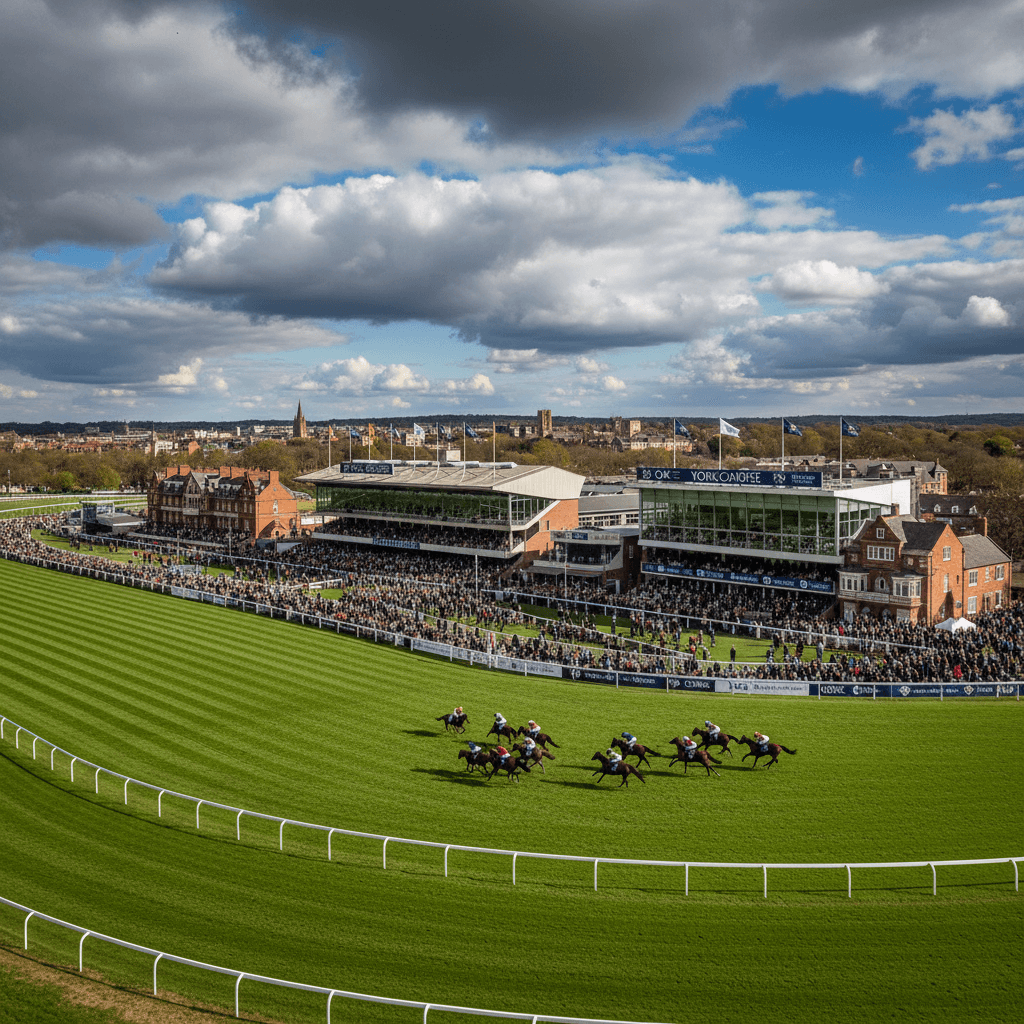
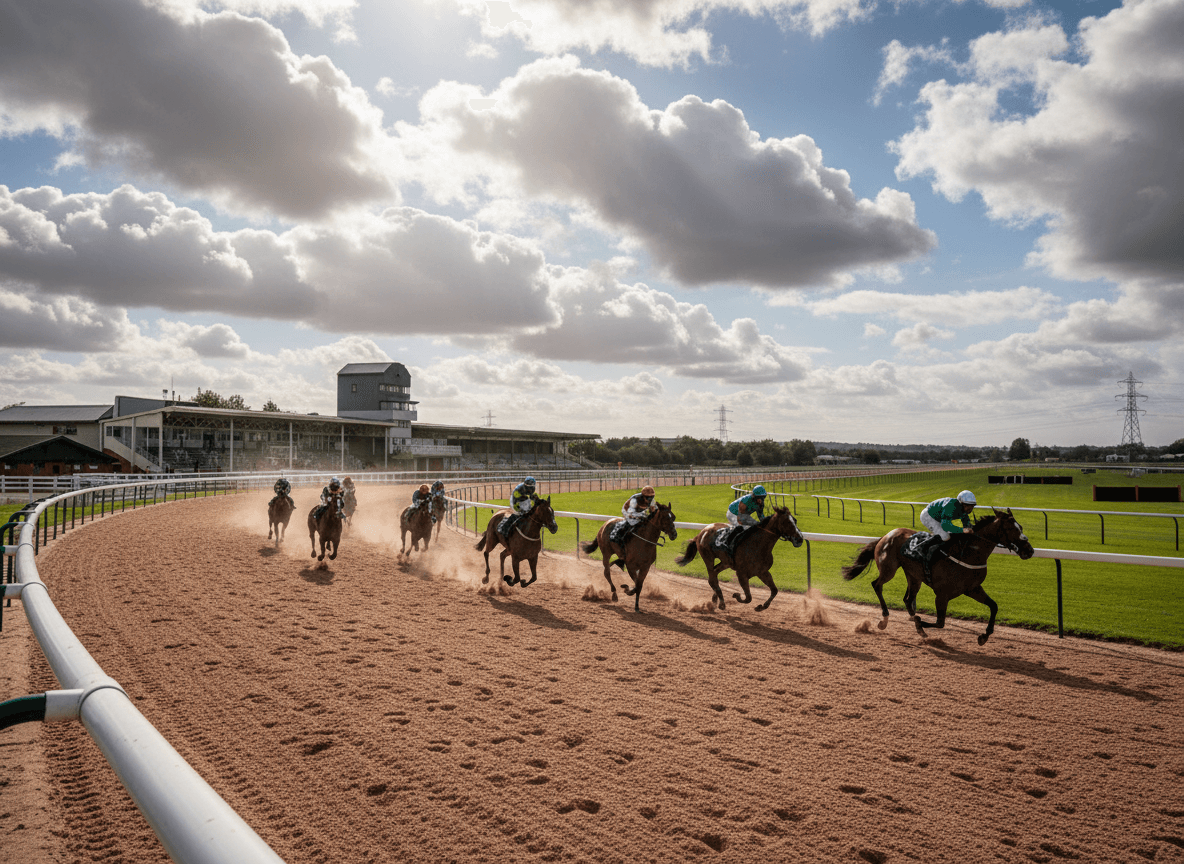
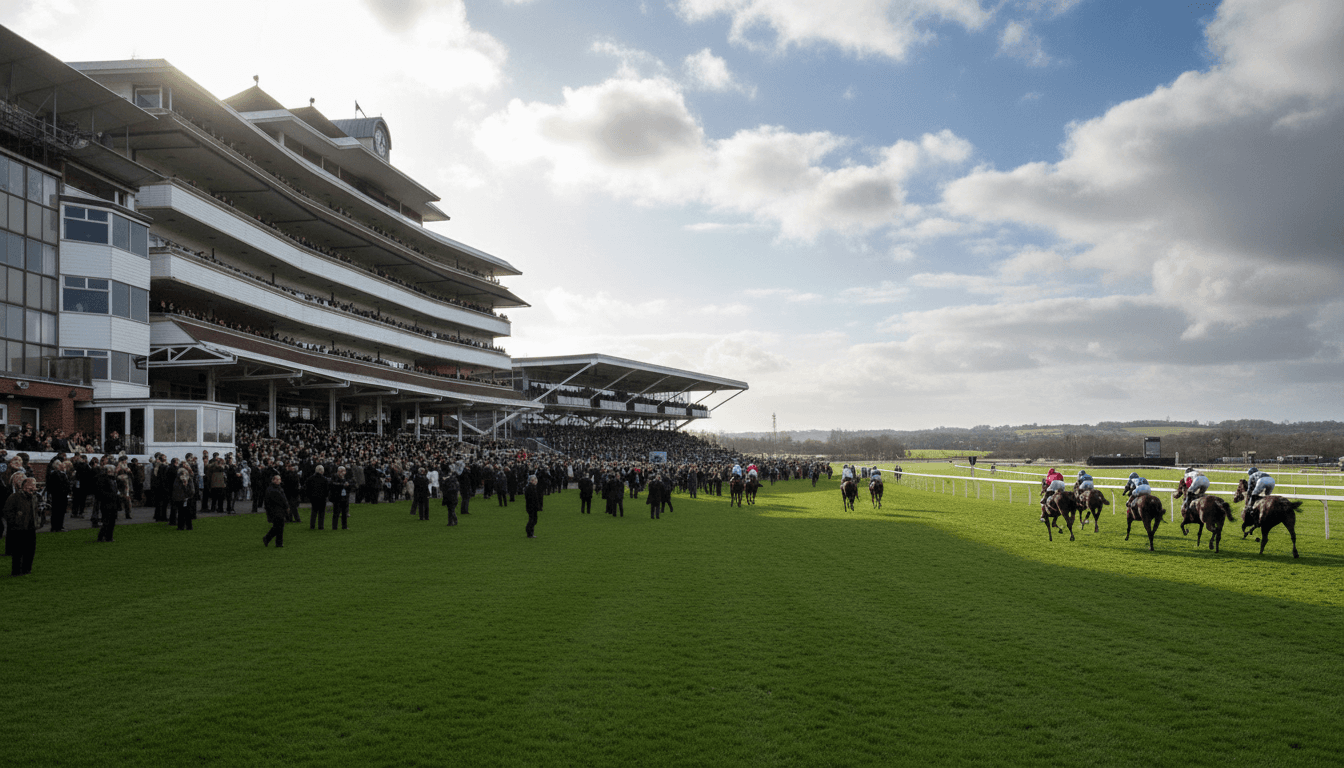
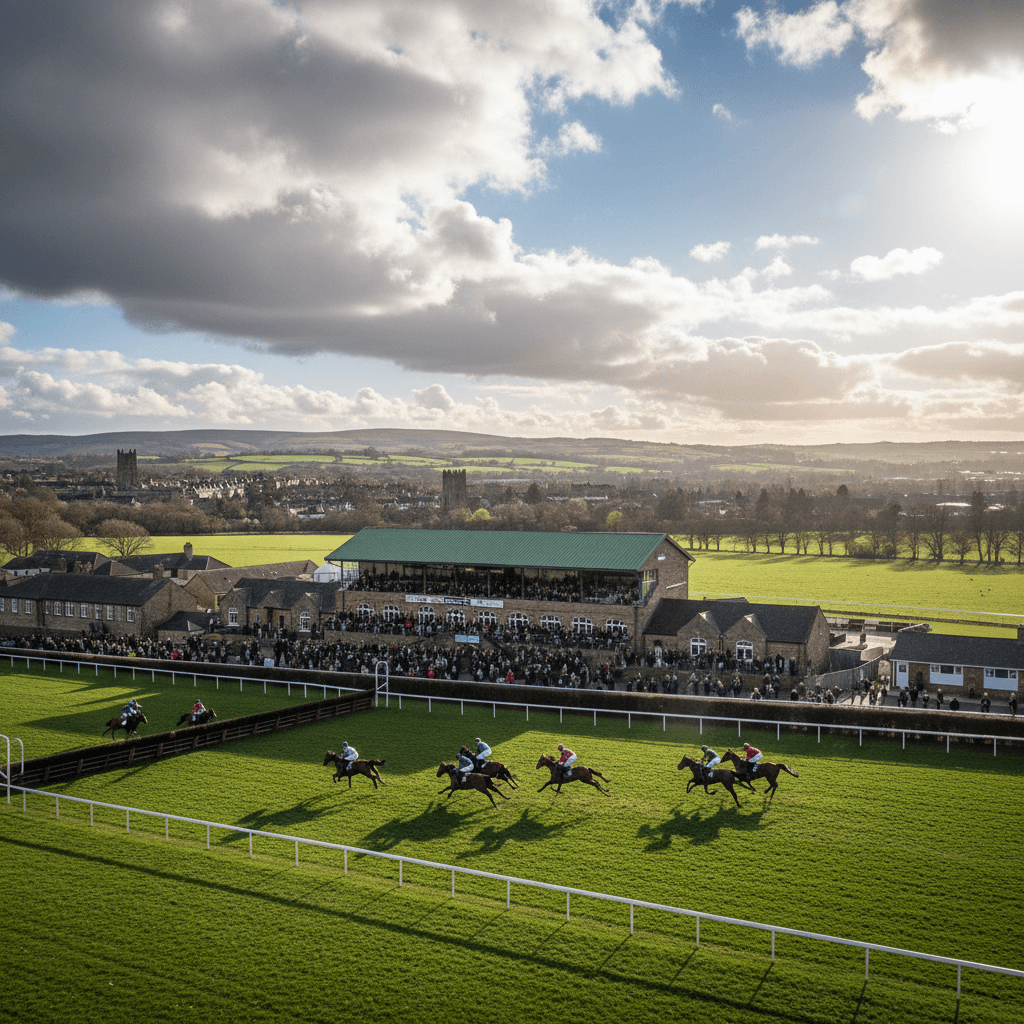
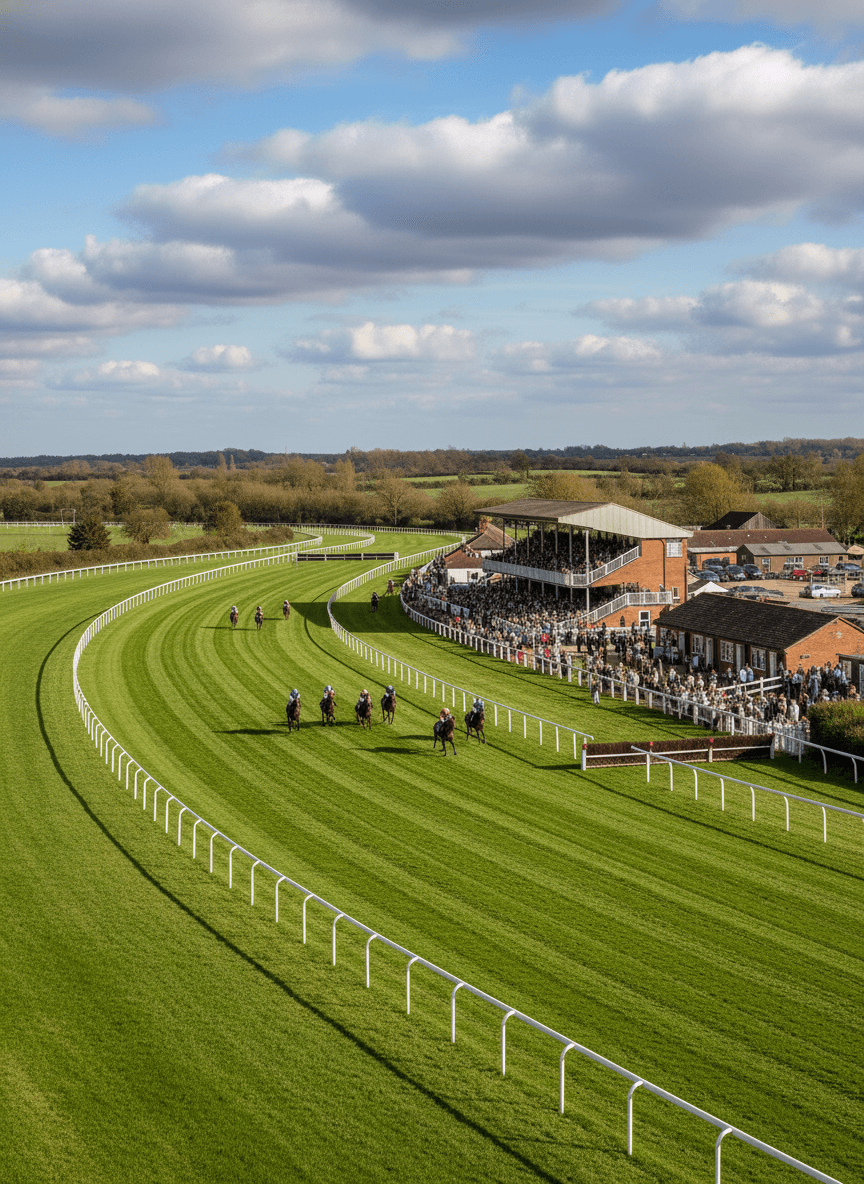
There are few more incongruous sights in British racing than watching flat horses navigate Plumpton's undulating terrain. This venerable East Sussex circuit, carved into the South Downs since 1884, wears its jump racing heritage like a comfortable old coat. Yet twice this week, on Monday and Tuesday, it transforms itself into something altogether more unusual—a flat racing venue where the very characteristics that make it a jumping specialist's paradise create an entirely different set of challenges.
The irony is not lost on those who know Plumpton intimately. Here is a track that has built its reputation on testing the jumping prowess of winter warriors, where the figure-of-eight layout and sharp turns have winnowed out countless pretenders over the decades. Now, in the benevolent warmth of late May, with the going described as Good, Good to Firm in places, it asks different questions of its equine visitors—questions about stamina, sure-footedness, and the ability to handle constant undulation without the rhythmic punctuation of obstacles.
The Week's Racing Canvas
Both fixtures follow an identical template: seven-race afternoon cards designed to showcase the peculiar demands of flat racing over Plumpton's challenging topography. The going conditions—Good, with patches riding Good to Firm—represent something of a rarity here, where winter's grip typically leaves the turf yielding and energy-sapping. This firmer surface will allow horses to find their rhythm more easily, though it cannot disguise the fundamental challenge that Plumpton's contours present.
The afternoon timing is crucial. Unlike the atmospheric winter twilight meetings that give Plumpton much of its character, these summer fixtures unfold in bright daylight, stripping away some of the mystique but revealing every nuance of the track's demanding geometry. Jockeys will have no shadows to hide tactical errors, no gathering gloom to mask a horse struggling with the relentless ups and downs.
Reading Plumpton's Unique Demands
Understanding Plumpton requires abandoning conventional flat racing wisdom. This is not Epsom, where the camber and gradient create a singular challenge. Nor is it York, where the long straight rewards sustained speed. Instead, Plumpton presents a series of mini-tests, each turn and rise demanding a different response from horse and rider.
The figure-of-eight configuration means that every runner will encounter the full spectrum of the track's challenges. There are no draw advantages in the traditional sense—no high or low numbers consistently favoured—because the circuit's geometry renders such considerations almost meaningless. What matters instead is a horse's ability to quicken and slow, to balance and rebalance, to find their stride on ground that refuses to remain constant.
The turns are tighter than most flat tracks, demanding horses that can corner efficiently without losing momentum. The undulations are more pronounced, requiring stamina reserves that might surprise connections used to flatter venues. Most crucially, the constant changes of gradient mean that pace judgement becomes an art form. A horse that appears to be travelling easily on the climb might find itself under pressure on the descent, while those who seem to be struggling uphill can suddenly find renewed vigour as the track falls away.
The Plumpton Type
If there is such a thing as a Plumpton specialist in flat racing, they are likely to be horses with certain characteristics. Stamina is paramount—not necessarily the grinding, relentless stamina required for extreme distances, but rather the muscular endurance needed to cope with constant changes of pace and gradient. These are horses that might find the sustained gallop of a conventional track monotonous but thrive on the varied demands that Plumpton presents.
Balance and agility matter more here than raw speed. A horse that can quicken efficiently from a steady pace, corner without losing position, and maintain rhythm over undulating ground will often prevail over a faster but less adaptable rival. Look for runners with proven form on undulating tracks—Epsom, Brighton, or even Goodwood's more testing contests.
Breeding can offer clues. Horses with jumping bloodlines, even if they have never seen an obstacle, often possess the natural balance and sure-footedness that Plumpton rewards. Conversely, those bred for speed on fast, flat tracks may find the constant adjustments required here beyond their comfort zone.
Experience counts heavily. First-time visitors to Plumpton, no matter how talented, face a steep learning curve. The track's unique demands cannot be replicated elsewhere, and horses that have previously raced here successfully carry a significant advantage. Study the form books carefully—a moderate performance at Plumpton from a horse that wins elsewhere might indicate the track simply does not suit, while a good showing here, even in defeat, suggests the circuit brings out the best in that individual.
Practical Considerations for the Week
For those planning to attend, Plumpton's intimate atmosphere makes it one of racing's more accessible venues. The proximity to the action allows for detailed observation of how horses handle the track's challenges—watch particularly for those that seem to relish the undulations rather than merely endure them.
From a punting perspective, the unusual nature of flat racing at Plumpton makes form study both more challenging and more rewarding. Standard speed figures and sectional times lose much of their relevance when applied to this unique circuit. Instead, focus on how horses have performed on similar tracks, their stamina reserves, and their tactical versatility.
The relatively small fields that Plumpton typically attracts can create value opportunities, particularly for horses whose true merits have been obscured by their struggles on more conventional tracks. A runner that has looked one-paced at Kempton or Lingfield might find Plumpton's varied demands perfectly suited to their natural rhythm.
A Rare Treat
Flat racing at Plumpton remains something of an anomaly in the modern racing calendar—a throwback to an era when the sport was less rigidly compartmentalised. These two fixtures offer a chance to see familiar flat horses tested in an unfamiliar environment, where the usual hierarchies might be temporarily suspended.
For the purist, there is something deeply satisfying about watching the sport's most fundamental challenge—horse racing horse over varied terrain—played out on one of Britain's most characterful circuits. Plumpton's summer transformation may be brief, but it serves as a reminder that racing's greatest pleasures often lie not in the grandest stages but in the unexpected corners where the sport reveals new facets of its eternal appeal.