Course Conditions and Overview
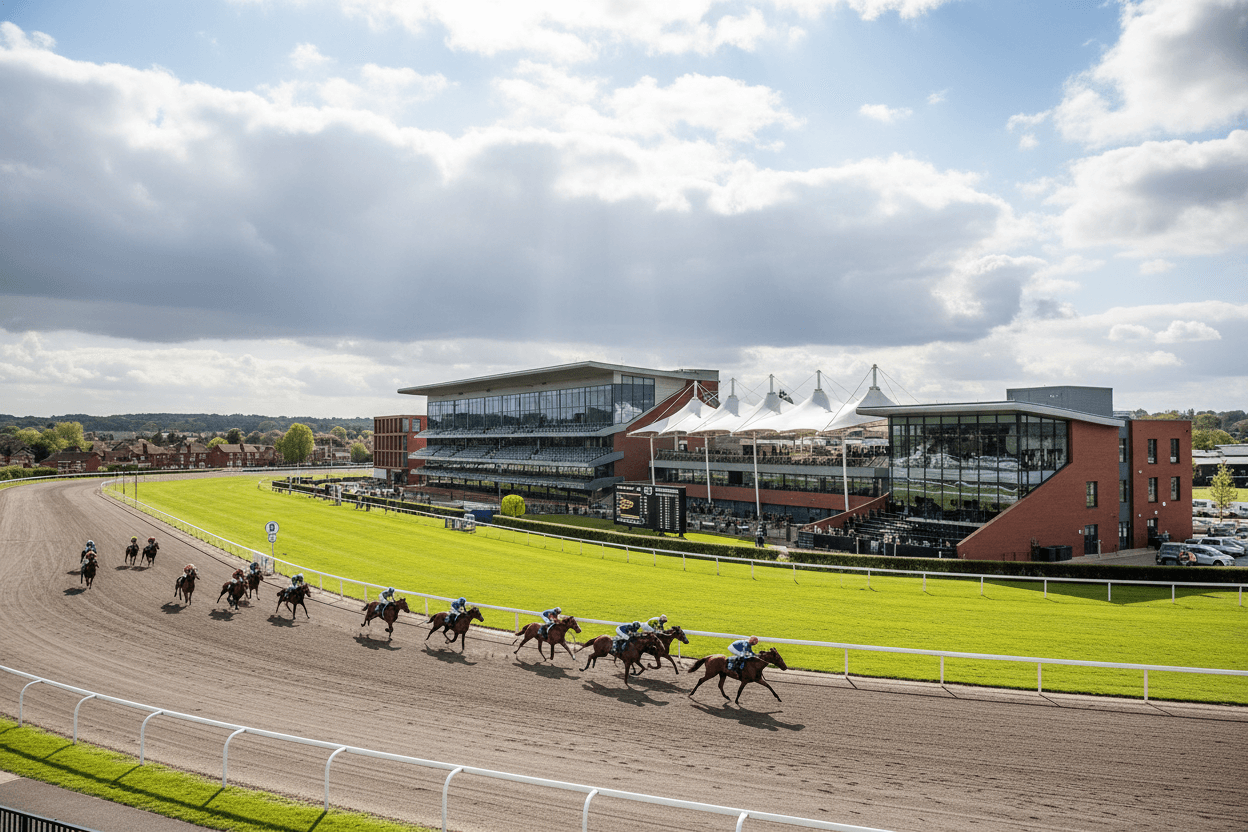
Tuesday's six-race programme at Redcar presents a well-balanced afternoon's sport, with the going officially described as good to firm, good in places. This represents ideal conditions for the North Yorkshire venue, where the undulating nature of the track rewards horses with a turn of foot when the ground rides on the faster side.
The Redcar racecard spans from juvenile novice company through to seasoned handicappers, with prize money ranging from £7,500 to £12,000. The card's structure suggests competitive fields across the six contests, though final declarations will determine the ultimate strength of each race.
Redcar's unique characteristics come into sharper focus on quicker ground. The climb from the six-furlong start becomes less punishing, while the downhill section into the home straight allows momentum to build more readily. The extended trips – both six furlongs and 213 yards, and the mile-and-a-quarter distance – play to the track's natural rhythm.
Feature Race: The Kingsclere Racing Club Maiden Stakes
The afternoon's centrepiece arrives at 16:18 with the Class 3 Kingsclere Racing Club Maiden Stakes, a £12,000 contest over one mile, one furlong and 201 yards for three-year-olds. This represents the highest-class affair on the card and traditionally attracts a field with genuine depth.
The extended mile-and-a-quarter trip at Redcar has historically favoured horses with stamina reserves, particularly given the track's undulating profile. The initial climb from the start, followed by the descent towards the home turn, then the rise to the winning post, creates a searching examination. On good to firm ground, however, the emphasis shifts slightly towards pace, as the ground conditions negate some of the track's natural stamina bias.
Three-year-old maidens at this level often contain horses destined for pattern company, making this a race to study closely for future reference. The prize money reflects the quality typically attracted, and connections targeting this contest usually arrive with serious expectations.
Sprint Contests and Handicap Analysis
The card features four races over six furlongs or the extended six-furlong trip, beginning with the 14:48 EBF Restricted Novice Stakes for two-year-olds. This Class 5 contest, worth £9,000, represents the afternoon's juvenile interest and provides an early indication of how the track is playing.
Two-year-old racing at Redcar in early June often reveals horses making significant improvement from their debuts. The good to firm conditions will suit those with natural pace, though the extended six-furlong distance of some contests allows for more tactical racing than a straight six-furlong dash.
The handicap races – at 15:18 and 17:28 – cater to older horses over six furlongs. The Remembering Jane Samuels Handicap Stakes (Class 5, £8,800) and the Charter 1227 Catering Handicap Stakes (Class 6, £7,500) represent competitive betting heats where course experience and draw position often prove decisive.
Redcar's six-furlong course has a notable draw bias favouring higher numbers when the ground rides firm. The track's configuration means horses drawn towards the stands' side often find themselves on the better ground as the afternoon progresses.
Distance Specialists and Going Considerations
The two races over the extended mile-and-a-quarter distance – the feature maiden and the Sorvio Insurance Brokers Margadale Fillies' Handicap – will test stamina reserves while rewarding tactical acumen. The fillies' handicap, a Class 4 contest worth £11,300, represents the afternoon's second-most valuable prize and typically attracts a competitive field.
On good to firm ground, both distance races may develop into more genuinely run affairs than might occur on softer surfaces. The faster conditions encourage early pace, which in turn sets up the races for strong finishers. Horses with proven course form hold obvious advantages, particularly those who have demonstrated an ability to handle Redcar's unique demands.
The going conditions also influence jockey tactics significantly. The good to firm surface allows for more aggressive positioning, as horses can quicken more readily than on slower ground. This factor becomes particularly relevant in the handicap contests, where weight-for-age relationships can shift based on ground conditions.
Key Runners and Tactical Considerations
Without specific runners declared, analysis focuses on the types of horses likely to excel under Tuesday's conditions. Course specialists with proven Redcar form command immediate respect, particularly those who have won over the corresponding distances. The track's distinctive characteristics mean that horses who have adapted to its demands hold tangible advantages over newcomers, regardless of apparent form figures.
In the juvenile contest, horses showing early pace will be favoured by the conditions, though the extended distance allows for some tactical flexibility. Trainers with strong two-year-old records at the course deserve particular attention, as do those horses making their second or third career starts.
The handicap races will likely reward horses racing off workable marks who have shown recent signs of a return to form. The good to firm conditions may bring improvement from horses who have been campaigned on softer surfaces this season, particularly those with previous form on similar ground.
Best Bets and Ones to Watch
Tuesday's Redcar card presents several angles for the discerning punter. The feature maiden stakes offers the best opportunity to identify future winners, with any newcomers from leading yards worthy of market respect. Course specialists in the handicap events deserve serious consideration, particularly those drawn favourably for the prevailing conditions.
The good to firm ground creates opportunities for horses who may have been waiting for faster conditions, making the early markets potentially vulnerable to well-informed support. As always at Redcar, draw positions in the sprint races and tactical positioning in the longer contests will prove crucial factors in determining the afternoon's outcomes.