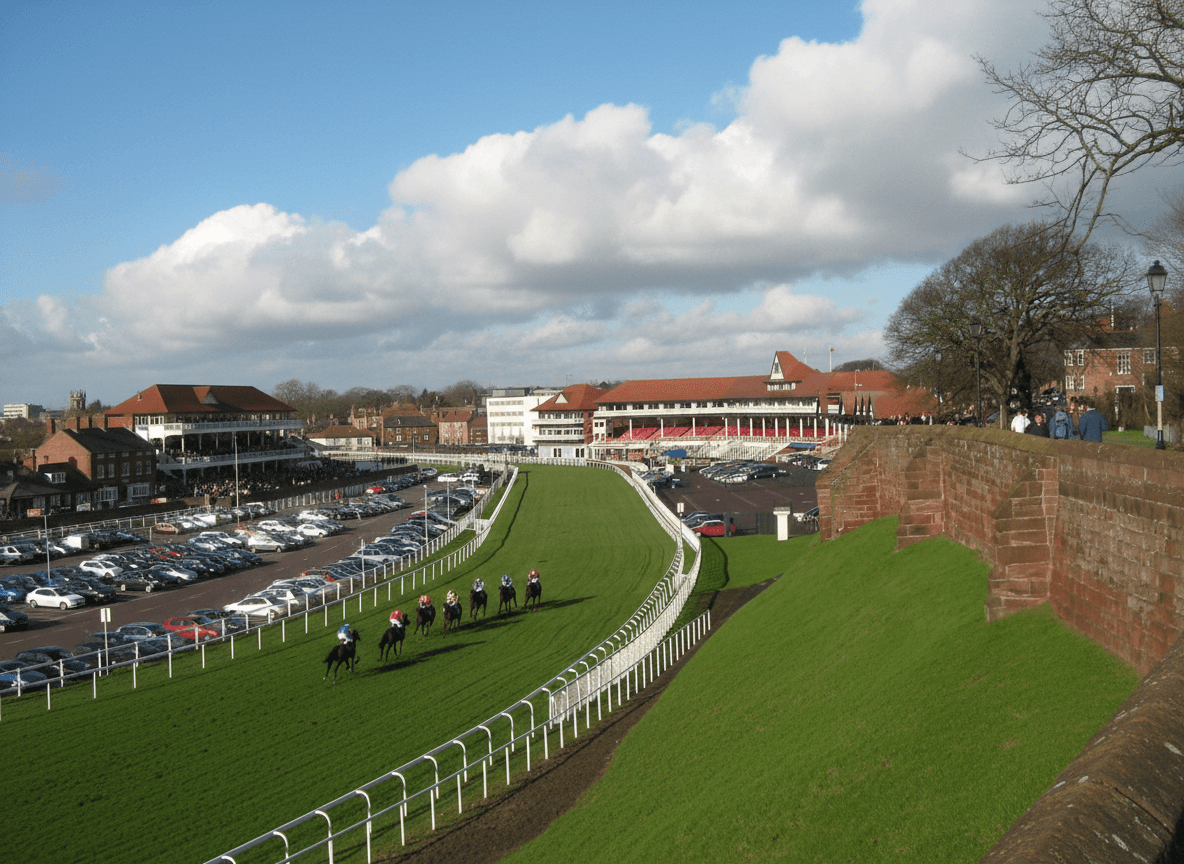
Setting the Scene
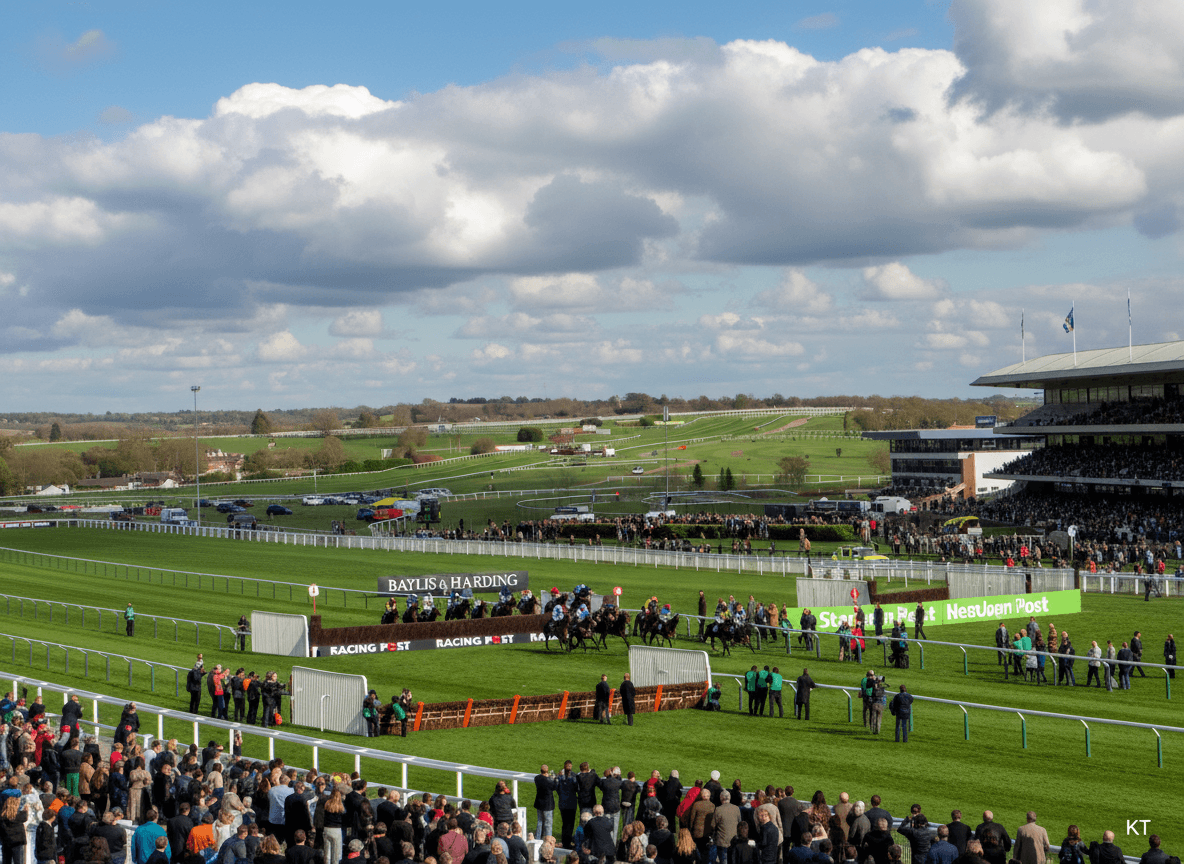
September racing at Chester carries a particular kind of charm. The summer carnival is a distant memory, the nights are drawing in, and trainers are squeezing the last meaningful runs out of their sprinters before the curtain comes down. The Betfred "The Classic Bookmaker" Handicap Stakes — £70,000 in prize money, Class 2, over 6f 111y — is exactly the sort of race that separates the genuine sprinting handicappers from those who've been flattered by lesser company.
Fourteen geldings go to post on Good ground (Soil Moisture at 38%), and the field spans a 22-point rating range from Pietro on 82 up to Completely Random on 104. That spread alone tells you this isn't a race to approach lazily. There are horses in here who are well treated on old form, horses who've been crying out for this track, and at least one or two who are almost certainly here to make up the numbers. Let's sort the wheat from the chaff.
Draw and Going Analysis
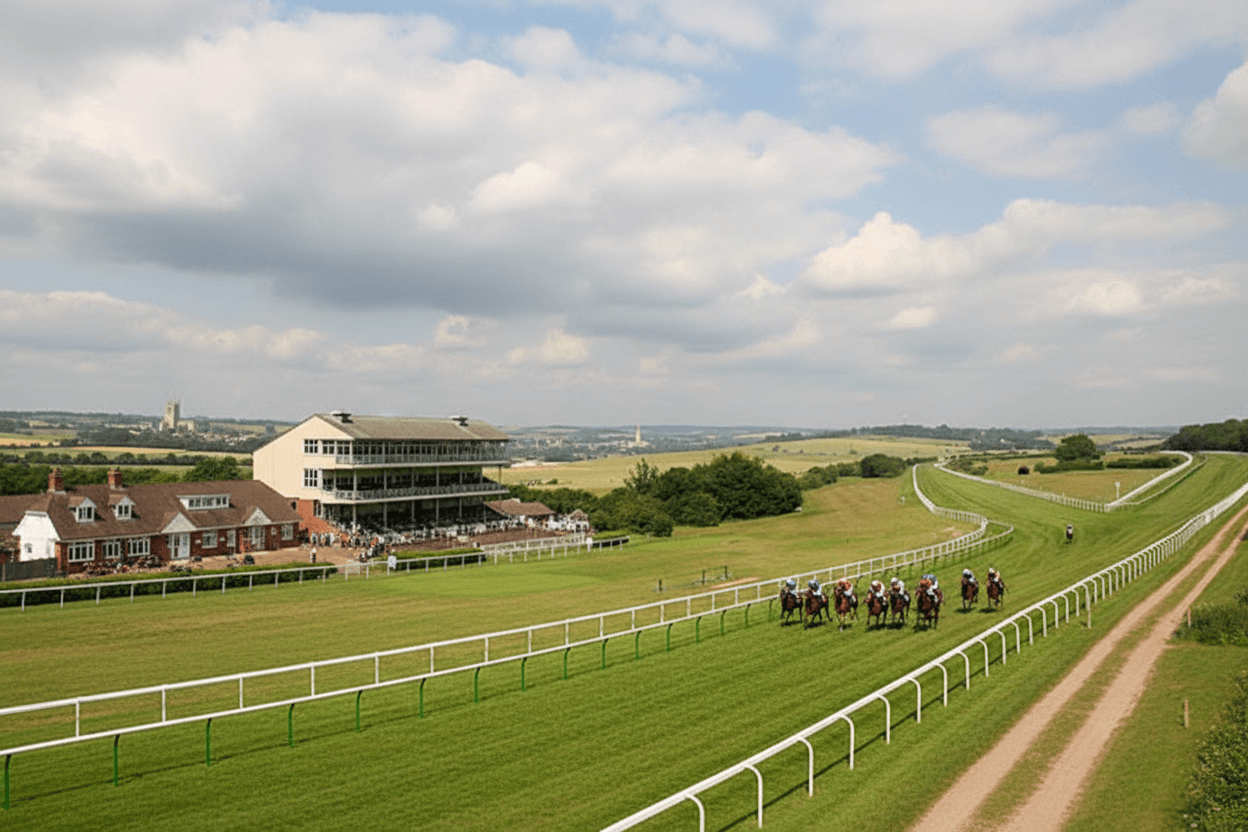
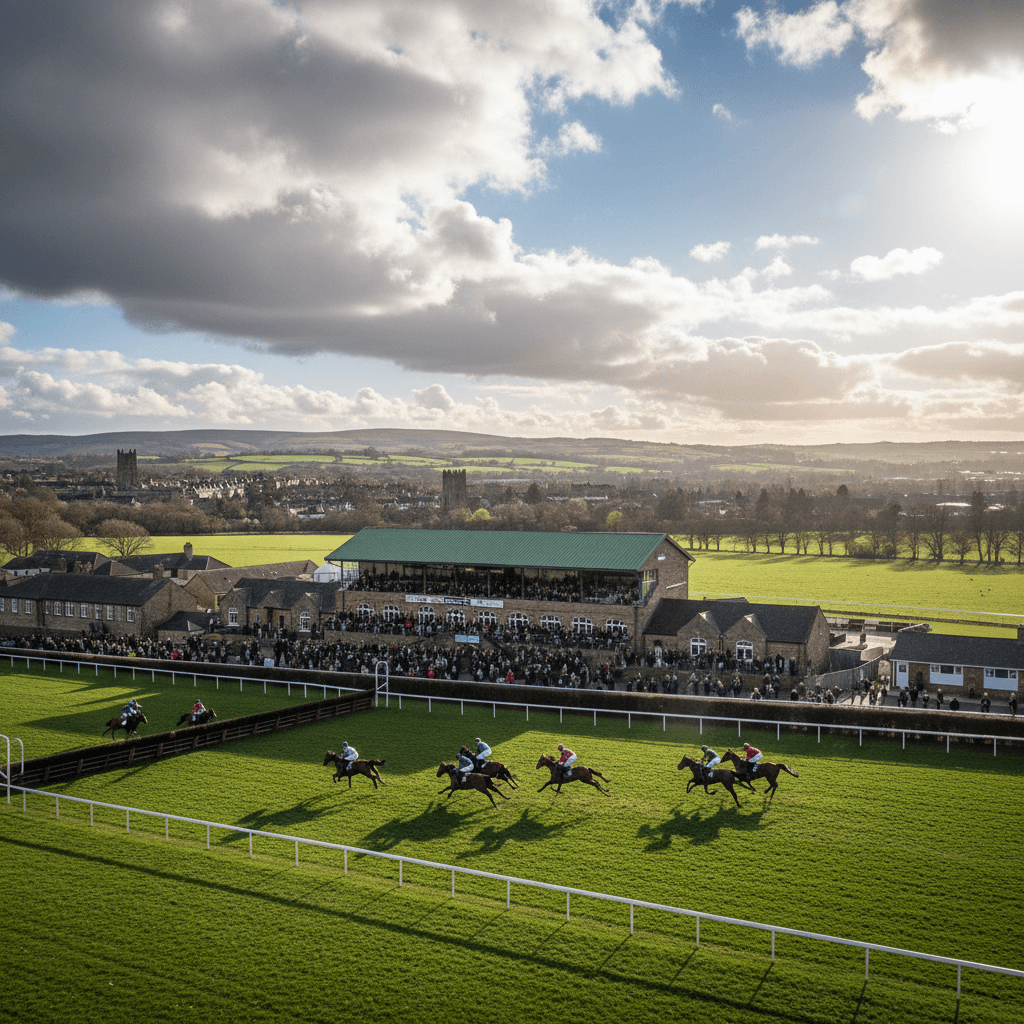
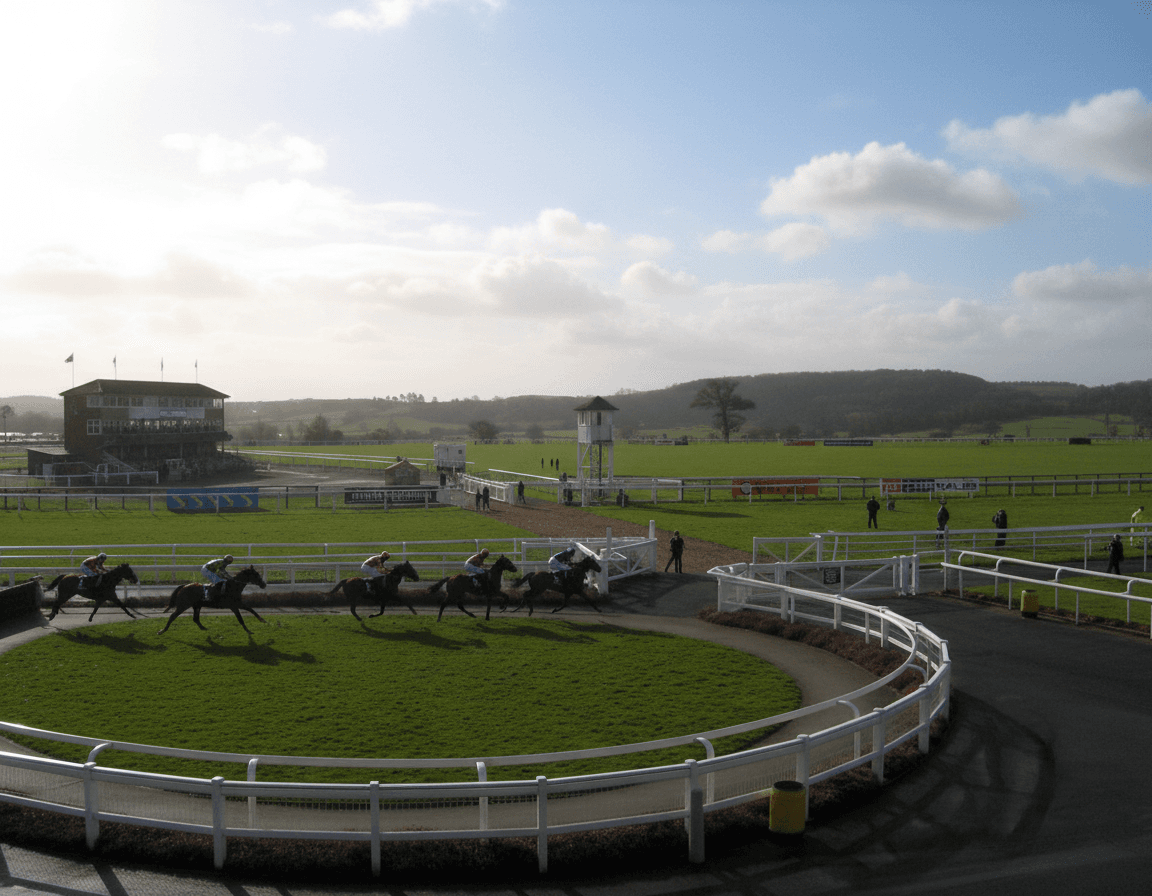
Chester's unique left-handed circuit, with its tight bends and short straight, makes the draw one of the most influential factors on the card — arguably more so than at any other flat track in Britain. Over 6f 111y, runners break from the stalls and almost immediately begin to negotiate the sweeping bend into the back straight before looping round into the home straight. Low draws are traditionally favoured because horses can settle on the rail and avoid being shuffled back on the turn.
With Good ground and SM at 38%, we're not dealing with extremes — this isn't a track riding deep or riding lightning fast. But the going is unlikely to inconvenience any of the principals, and on a fair surface the draw becomes even more pronounced as a differentiator, because there's no moisture-driven advantage to being wide.
- Stalls 1–5: The golden zone at Chester over this trip. Horses drawn here can dictate their own destiny on the bend.
- Stalls 6–9: Workable, but riders need to be sharp out of the gates to avoid being trapped wide on the turn.
- Stalls 10–14: Genuinely difficult. You're giving away ground you simply cannot afford in a 6f handicap worth £70k. Invictus Gold (14) and Indian Run (13) face a stiff task from a positional standpoint alone.
Key Contenders
Completely Random (Draw 4, OR 104)
Top weight at 9-12, but drawn beautifully in stall 4. Lewis Edmunds picks up the ride for Harry Charlton, and this five-year-old gelding comes in as a proven distance winner — crucial at a track where course and distance form is almost a prerequisite. Charlton runs a tight ship and doesn't send horses this far up the ratings band without genuine confidence. The concern is the weight — at 9-12, he's conceding lumps to the field — but if he's at the top of his game, the draw and the form flags make him the one to beat. He's the class act in the race.
Crestofdistinction (Draw 2, OR 102)
Drawn in stall 2, which is about as good as it gets here. David Probert is an intelligent jockey who knows how to use a low draw at Chester, and Jack Channon's four-year-old is also a confirmed distance winner. At 9-10, he's 2lb better off than the top weight, and if Probert can get him into a rhythm on the rail from the off, he could prove very hard to peg back. He's the horse I keep coming back to when I close my eyes and picture the race unfolding.
Berkshire Whisper (Draw 6, OR 95)
Andrew Balding and Oisin Murphy — that combination alone demands respect in a race like this. Berkshire Whisper is rated 95 and carries 9-3, and while he doesn't have the distance-winner flag, Balding wouldn't run him here unless he believed the track and trip were within his compass. Murphy is the best jockey in the field and will make the most of stall 6. At a realistic price, he represents genuine each-way interest.
Knebworth (Draw 7, OR 92)
Here's where it gets interesting. Knebworth is a six-year-old trained by Richard Hughes, wearing a hood (B), and crucially he's a course and distance winner. That double qualification at Chester is worth its weight in gold. Oliver Hoodless gets the leg up, and at 9-0 the weight is very manageable. He's rated 92, which puts him 12lb below the top weight, and if the hood sharpens him up as intended, he could easily outrun his odds. I've seen Hughes pull off this exact trick before — a seasoned course specialist, dropped back into a competitive handicap, equipped with headgear to sharpen his focus. Don't dismiss him.
Lakers (Draw 5, OR 94)
Rowan Scott rides for Kevin Philippart de Foy, a trainer who has shown a real eye for placing horses in sprint handicaps this season. Lakers is a distance winner drawn in stall 5, which is excellent. At 9-2 he's not overburdened, and if he's in the form his trainer believes, the draw and the distance form make him a legitimate each-way player at what could be a generous price.
Invictus Gold (Draw 14, OR 98)
Cieren Fallon is a talented jockey who will do everything he can to overcome the wide draw, but stall 14 at Chester over this trip is a serious handicap. Invictus Gold is a distance winner on a rating of 98, which makes him interesting on paper — Tom Clover clearly fancies his chances — but I struggle to see how he overcomes the positional disadvantage on Good ground with no rail to run against. Fallon will need to be electric from the stalls and hope the race falls apart in front of him.
Value Picks and Dangers
The dangers I'd keep an eye on beyond the main contenders are Blue Brother (draw 11 is a concern, but Callum Rodriguez is a capable handler of Chester's quirks — Callum Rodriguez has ridden the track well this season) and The Liffey in stall 1, who gets the best possible draw. Sean Levey rides, the horse wears a hood and a tongue tie, and while a rating of 91 suggests he's at the bottom end of the competitive bracket, horses from stall 1 at Chester are always worth a second glance.
For value, Knebworth is my each-way flag. Course and distance winner, experienced, equipped with headgear, and trained by someone who knows how to have one ready. If he's sent off at double-figure odds, that's a price worth taking.
My Selection
Tip: Crestofdistinction (E/W)
The draw is the starting point, and stall 2 at Chester is the best real estate in the race. David Probert knows this track inside out, and a four-year-old gelding who has already won over course and distance, carrying a manageable 9-10, ticks every box I want ticked in a race like this. Harry Charlton's Completely Random is the class horse, but the weight is a genuine concern at 9-12, and I'd rather be 2lb better off with a horse drawn two places closer to the rail.
Crestofdistinction is my selection, with Knebworth as the each-way saver at bigger odds. Check the full Chester racecard for the latest market moves before you commit.
Who Is the Favourite for the Betfred Classic Bookmaker Handicap Stakes?
At the time of writing, Completely Random is likely to head the market given his lofty official rating of 104 and his proven distance form. However, the weight of 9-12 is significant, and punters who look beyond the top weight will find Crestofdistinction and Berkshire Whisper attracting support. Always check live markets before the off, as Chester handicaps can shift dramatically in the final hour.
Does the Draw Really Matter at Chester Over 6f 111y?
Absolutely — and more so than at almost any other flat track in Britain. Chester's tight, left-handed circuit means horses drawn high are immediately at a disadvantage as they're forced wide on the first bend. Low draws (1–5) are statistically favoured over this trip, and on Good ground where there's no compensating soft ground advantage on the outside, that bias is amplified. It's not an automatic disqualifier to be drawn high, but you need a very compelling reason to back a double-digit draw in this race.
What Is the Going Like at Chester on 13 September 2026?
The ground is described as Good with a Soil Moisture reading of 38%. This is a fair, racing surface — not too quick, not too testing. It shouldn't inconvenience any of the declared runners significantly, and no horse in the field should be at a meaningful disadvantage on the ground itself. The going effectively neutralises itself as a factor, which means draw, weight, and form come into even sharper focus when making your selection.